This Gen Z Spends His Free Time Cleaning Public Spaces in the PH, Because Why Not?
From Baler’s beaches to Zambales’ trails, he cleans where he goes.

by Gwyneth King
Published on May 4, 2026
(SPOT.ph) Living in the Philippines long enough can make it easy to slip into hopelessness. You don’t even have to start with the country’s biggest problems to feel that way. Sometimes, all it takes is looking around. There's trash on the streets, trash in the rivers, trash on mountain trails, trash in places people are supposed to look after and care for. Most people learn to live with it with resigned acceptance, but a younger generation of Filipinos is showing us apathy doesn’t have to be the default response.
One of them is Gabriel Luna Patino, the Filipino “cleanfluencer” behind @daily.cleanup on Instagram and @passionproject54 on TikTok. Cleaning his nearby surroundings already feels ambitious. Cleaning public spaces across the country? That sounds almost absurd.
But Patino says, “Why not?"
Let’s get this out of the way: Patino is not the kind of content creator with thousands of strangers waiting for his next upload. A few videos may have gone semi-viral, but he still has fewer than 5,000 followers across both accounts. This does not seem to matter to him. The 26-year-old is doing his solo public clean-ups whether people are watching or not, going just about anywhere in the Philippines.
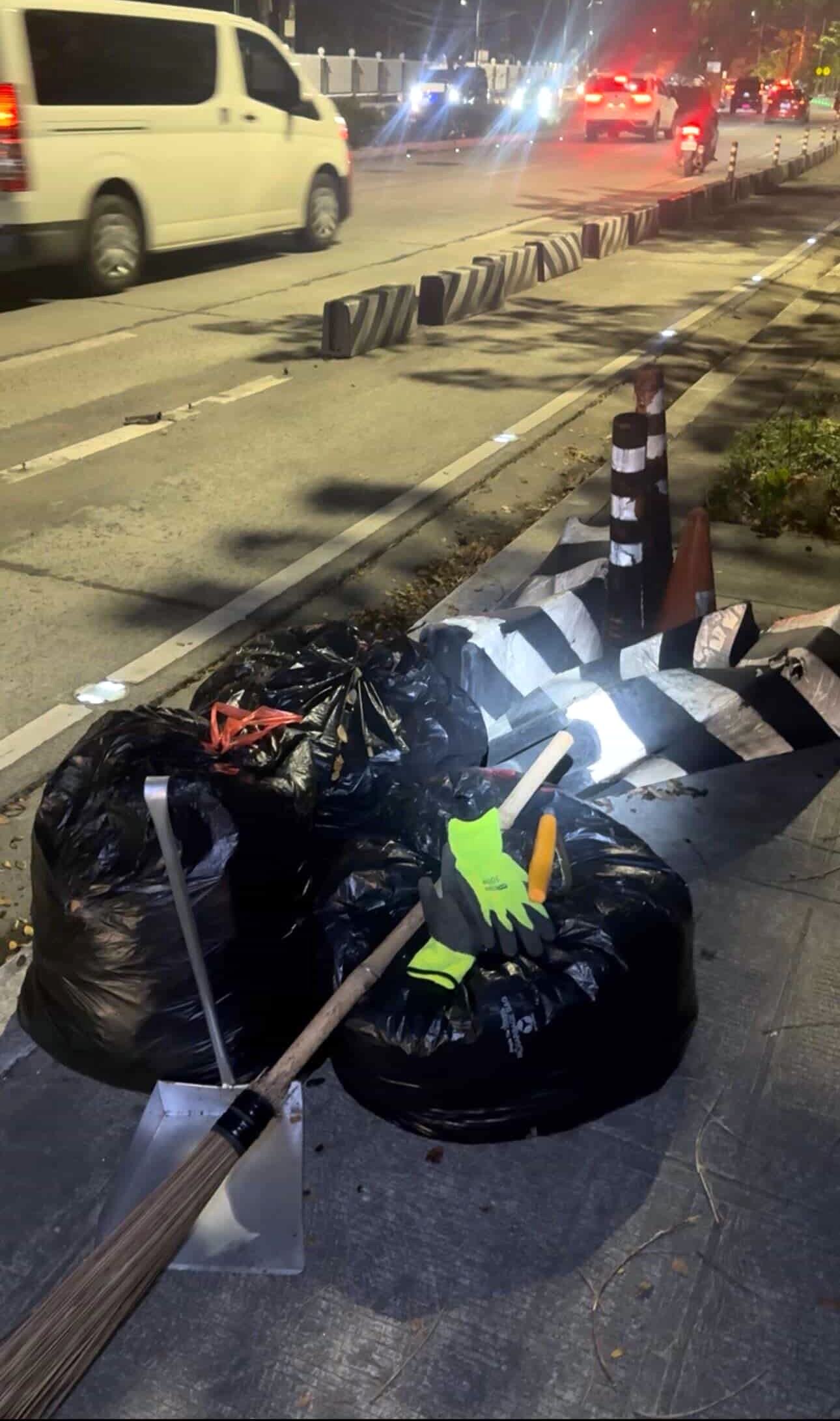
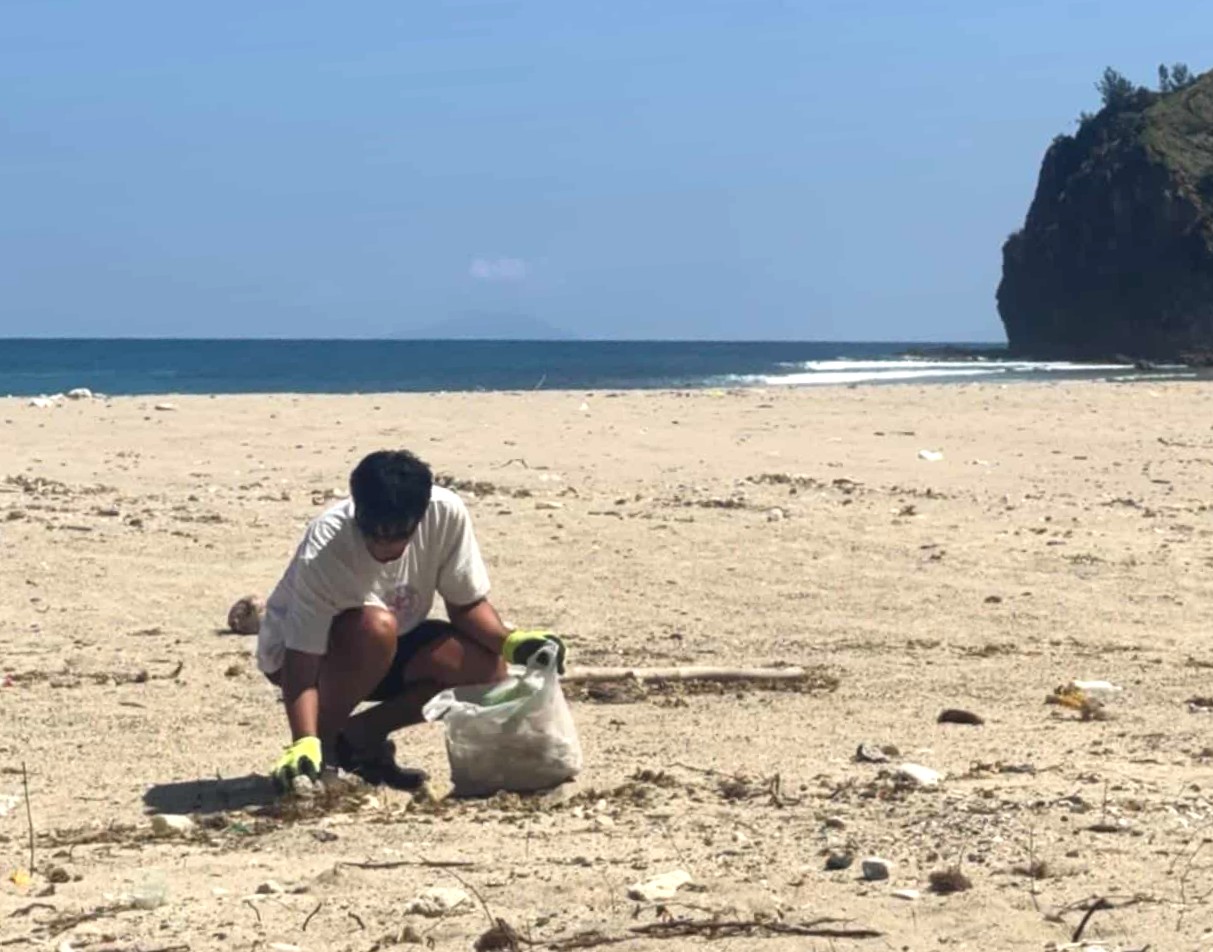
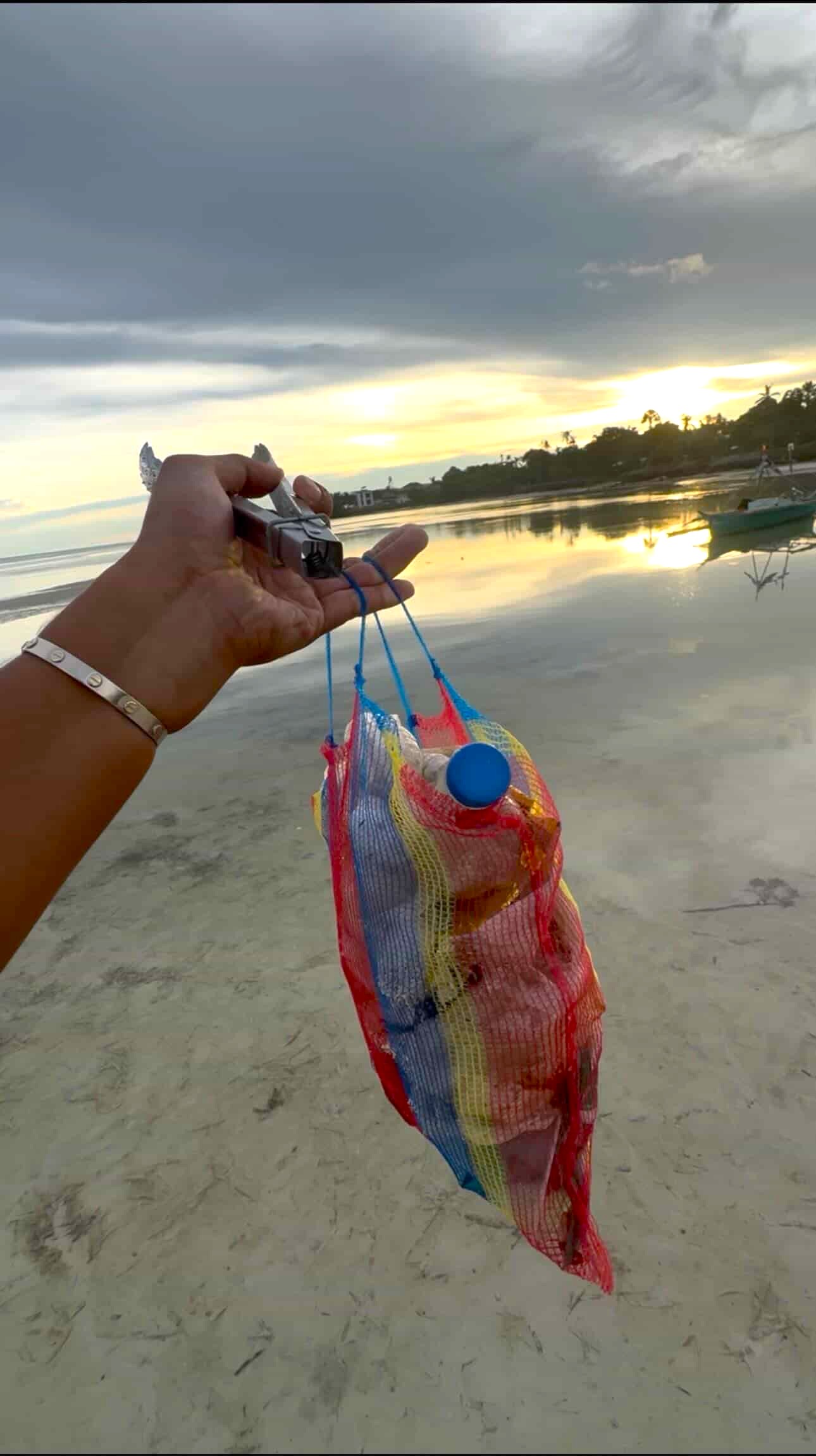
Although Patino only started posting his clean-ups on social media in 2025, he’s actually been doing the work for nearly a decade now. It started when he was a high school student, sometime around 2016 or 2017, when he noticed the gradual degradation of places he frequented as vacation spots. This inspired him to start picking up trash. He began with casual clean-ups during beach vacations, armed only with a plastic bag and two able hands. Through the years, he’s learned to come better prepared—he now sports a reflective safety vest, high-visibility work gloves, and closed shoes, bringing along a walis tingting, dustpan, headlamp, and tongs with him.
“People can really throw anything, no matter how big or disgusting, kahit bote na may ihi, which just shows their lack of respect to the environment and to the public street sweepers who they expect to clean our streets, trails, and beaches,” says Patino.
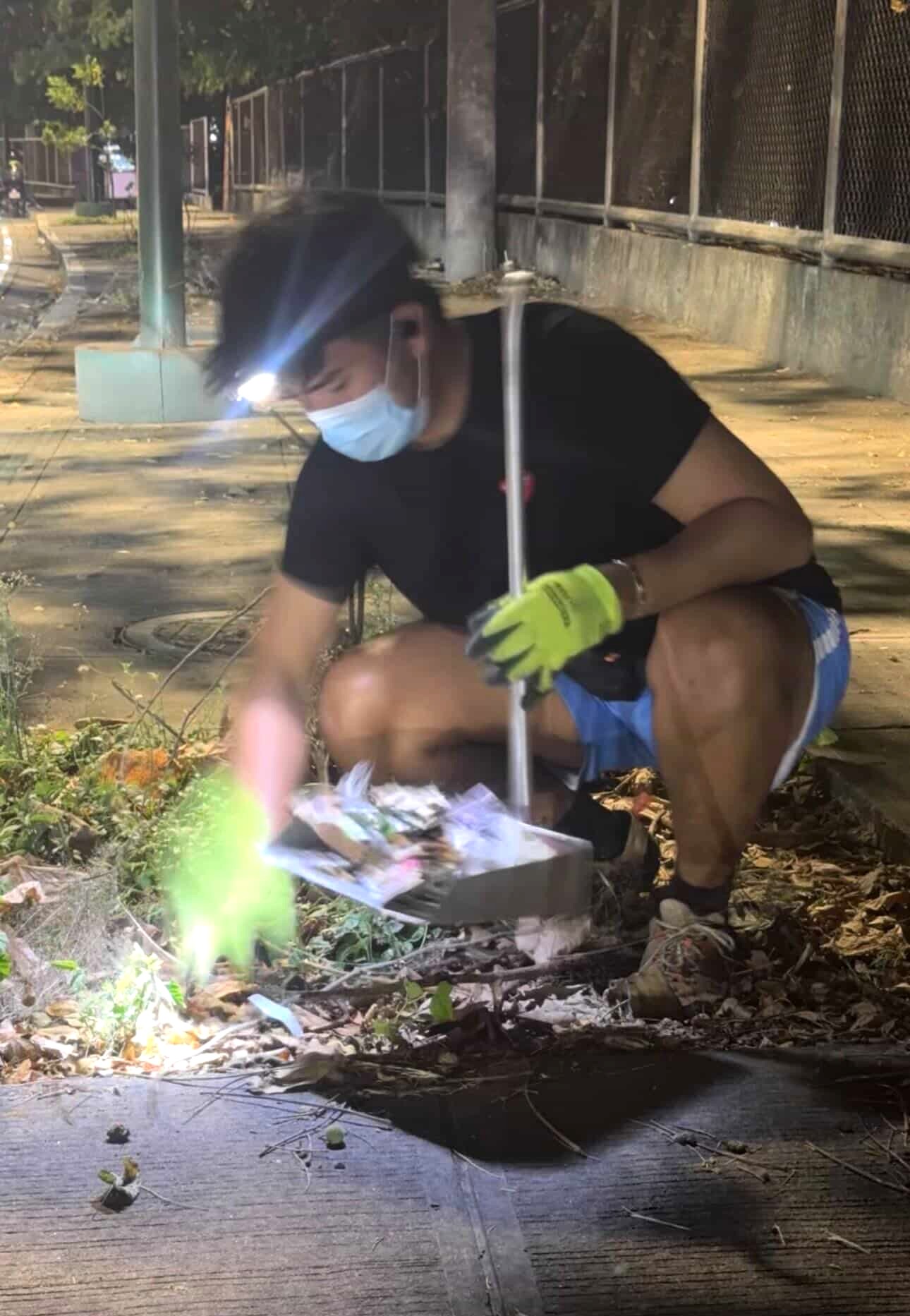
These days, he does his clean-up efforts at least thrice a month—during his monthly provincial trips, he would do it every two weeks in the city, or when he notices trash has started to accumulate. He dedicates around two to three hours for each clean-up. He considers it a part of his physical exercise for the day, too: “If at this moment I feel that my workout of that day should be cleaning, that’s what I do.”
It makes sense to him that he turned out this way, having grown up in a family that is very conscious of the environment. Patino’s mother operates a local tourism business, while his dad works in forestry, performing environmental research and conducting programs for indigenous people in the Philippines.
“Growing up, they would always take me on outdoor trips, [such as] camping. I'm the one who started cleaning but at the same time they were really the ones who inspired me to do so,” says Patino.
But it was really his lolo who encouraged him to take the passion project further by thinking about collective action. Patino turned that advice into a strategy that felt more natural to him, one that he can proudly call his own: “Maybe the organization that I can do is not necessarily group people up but inspire other people to do it.”
Hence, the birth of @daily.cleanup: visible evidence of someone doing something, in hopes of setting an example for other people to do the same.
Also read: Pateros River Resurrected: Australian Man Cleans Up ‘Dirtiest’ River He’s Ever Seen
In Patino’s videos, waste comes in all forms. He has collected discarded school bags and shoes in Davao del Sur, single-use sachets and food wrappers in the mountains of Zambales, and fast food bags and cigarette packets along Taguig’s avenues. For Patino, the most challenging locations are up in the mountains, where he clears the same trail he hikes: “You would have to carry the trash all the way down the mountain while carrying your things and going through technical terrain.”
His clean-up videos show more than the different kinds of waste left across the Philippines. They also point to the gaps that allow the trash to pile up in the first place: a dependence on single-use packaging, local waste systems that do not always reach the communities that need them, and the persistent belief that what gets left behind will somehow disappear on its own.
“Near Davao,” Patino shares, “there's this whole community that lives on stilts on top of the water. Lahat ng uri ng basura nasa dagat din. Not because they’re there, but because there’s nowhere else to throw it.”
The problem is familiar enough that his viewers recognize it, too. In one of his videos, a commenter asked: “Where do you put the trash you clean up? Where my house is, in the province, we don't have trash pickup.”
The confrontation is ironic when it’s tourists like Patino who collect garbage from places he does not live in.
“A sad truth is in tourist spots, 'yung mga basura, local. 'Yung mga basura na nasa dagat, nasa beach, when you observe what trash they are, they aren’t tourist trash. They’re local trash,” says Patino. “[People think that] the way trash at sea works or the way trash at mountains or natural spots works is pag inulan, it will wash out, tapos wala na. Nagulat din ako to find out that that's a common thinking. So, of course, education is also part of this.”
It’s not all bleak for the Philippines—Patino has also witnessed places that show what cleaner, better-maintained communities can look like.
“Sa Palawan, malinis talaga,” says Patino. The cleanliness has been upheld during Patino’s visits, the standard maintained from the sea to the city. “It also speaks a lot about how they educate and how the government implements their ways and cleanliness.”
Also read: AI Cleanup Robot Takes On Floating Waste Along Pasig River
Patino isn’t a full-time environmentalist. Working at an embassy, he reports to the office every day from 8 a.m. to 5 p.m. His work proves that you don’t have to be an environmentalist to start being one. It's like being a changemaker—you don’t have to wait for a chance to turn your advocacy into a full commitment before doing something about it. Though, Patino says, he would love to make the jump if the opportunity arises.
“Who wouldn’t want to help the environment full-time, right? But you know, we have to do our job.”
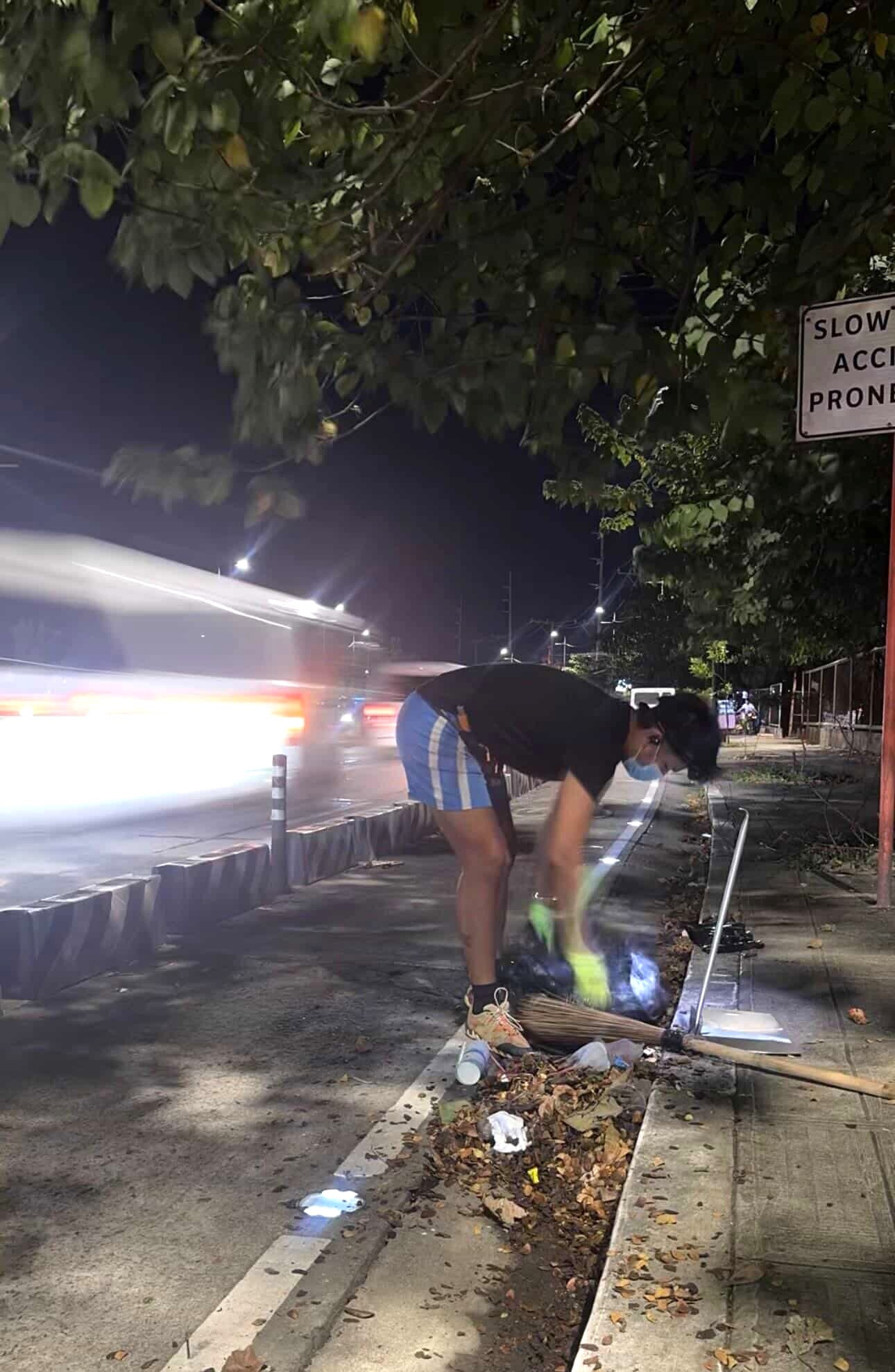
His everyday effort also highlights something less talked about: the weight of maintenance. In Filipino culture, this kind of work isn’t always seen as dignified. Patino has first-hand experience with that, having dealt with questioning stares or discouraging remarks from pessimistic onlookers during his clean-ups. Many remind him that trash is recurring, that his effort is a waste. To these comments, Patino responds, “Ganun din naman sa labahin, o hugas pinggan. Mamaya meron na ule.”
Fortunately, the reception is better online, where he’s dubbed as a “content creator literally making a difference.” Equally many are those who are eager to help him out. Either way, the point remains the same: clean-up work is never really finished. For Patino, that is exactly why maintenance matters.
“We always like to rehabilitate, rehabilitate. Whereas, hindi naman talaga kailangan i-rehabilitate kung namaintain lang natin... [Our government] is very good at new projects but we’re not good at maintaining the ones we have already,” says Patino.
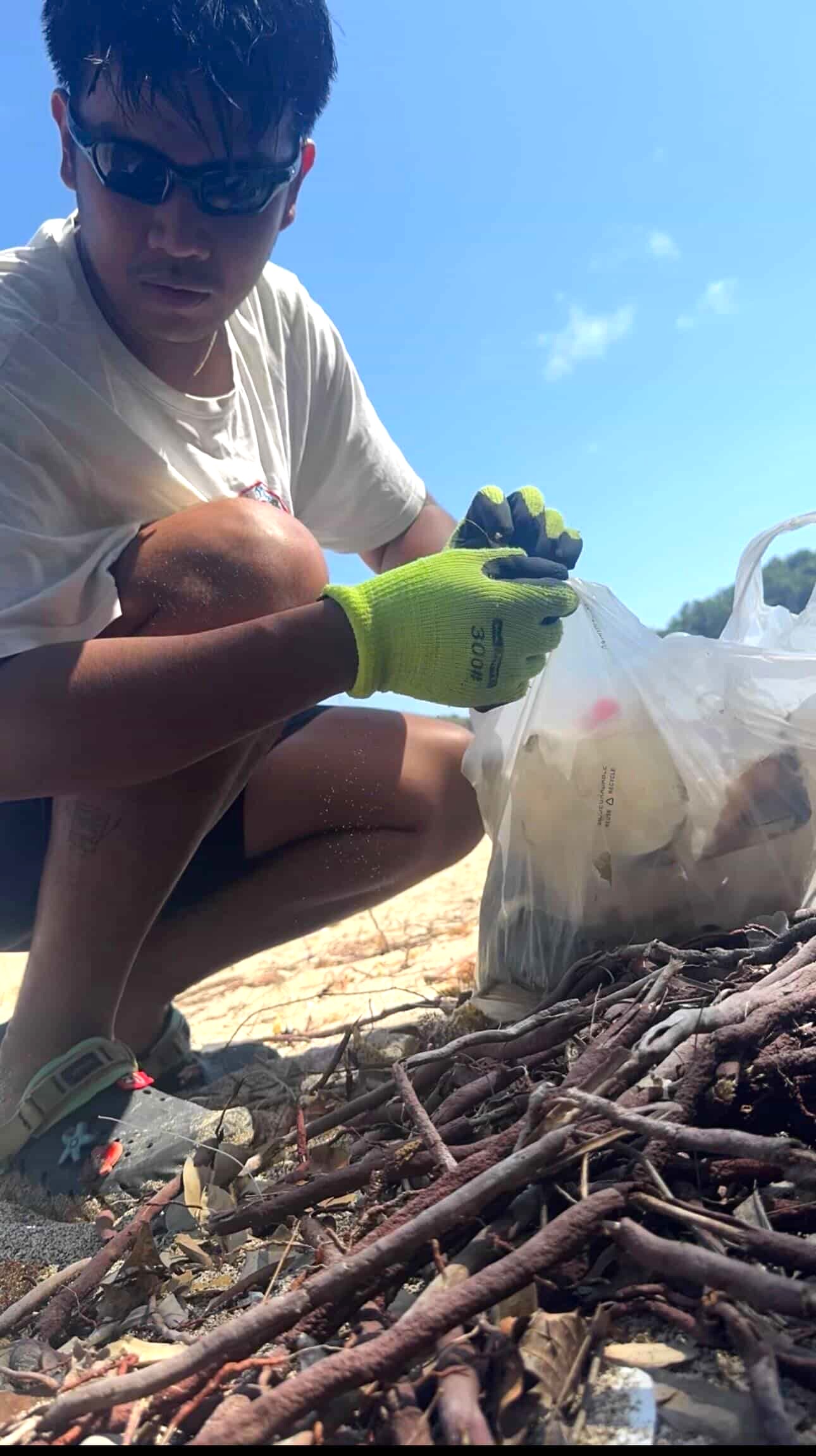
His passion project shows that it really can be that simple. While the biggest environmentalists may be out there changing the world, Patino holds the line by keeping his surroundings intact. Before we consider disruptive change, he asks us to consider the act of radical maintenance—no official job title, big volunteer opportunity, or superhero cape needed.
If you want to make a change, maybe start where Patino did: ask why not?
Gab Patino’s tips for your clean-up:
Human settlements are a good starting point for public clean-ups. Places like resting bays for by the street or coastlines where people hang out and live nearby tend to accumulate the most trash.
Use strong plastic bags! Thin plastic bags will make the job harder as they break easily while you’re cleaning.
Use long tongs when picking up trash—these will protect your back.
Put your knees to use! It may be more tiring to lunge down or squat whenever you reach with the broom, but it saves you from back pain later on. The same goes when picking up trash at the beach.
Here’s what you can use to start doing clean-ups:
Broom
Dust pan
Trash bag
Gloves
Headlamp
Tongs
Safety vest
Closed shoes
But really, Patino says all you need in order to start is a plastic bag and a pair of helping hands.
Gwyneth aspires to be a modern-day Renaissance woman. In person, you’ll find her deep in thought or scribbling furiously in her notebooks (yes, plural). Online, she's likely sharing her inner monologue. Otherwise, she's chasing her next adventure. She's a storyteller and analyst based in Metro Manila.