How I Became the Adoptive Daughter of a Kalinga Tribe
A story of tradition, ceremony, and connection.
Published on Jan 16, 2026
(SPOT.ph) High in the Cordillera Mountains of Northern Luzon, in the Philippine province of Kalinga, live the Butbut—a community once known for battle prowess, now tucked away from the rest of the world. They preserve their identity through the enduring tradition of batok (now known globally through Apo Whang-Od), as well as through communal rituals, traditional dances, the Whinuthut language, and a way of life that weaves ancestral customs with Christianity.
I could not have imagined that one day this community would welcome me as one of their own.
Also read: How AI Helped Me Grieve My Wife's Passing
Who am I?
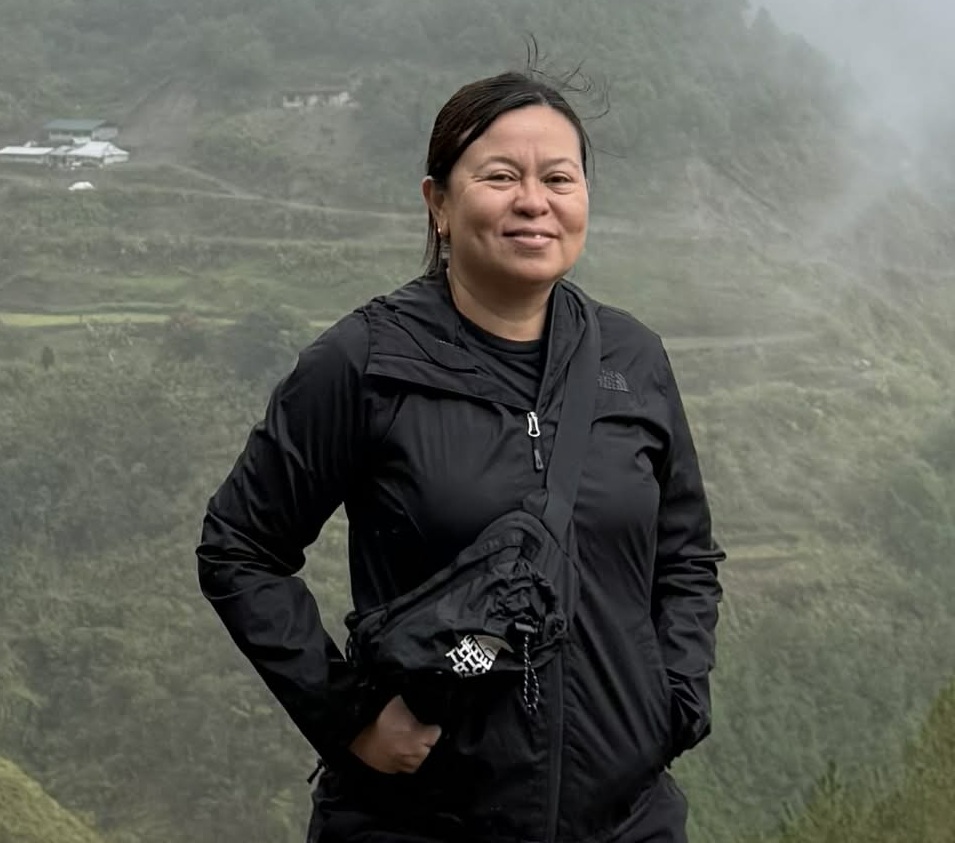
Born and raised in Manila, I looked on with quiet envy at those who belonged to indigenous communities, wondering what it would be like to grow up with traditions so deeply woven into everyday life. This curiosity slowly turned into a drive to advocate for those in far-flung communities, a journey which eventually led me to co-found and commit myself to Trails to Empower Kids (TREK), a volunteer group dedicated to reaching remote schools and building meaningful connections with mountain and island communities.
For 18 years, TREK has been bringing volunteers to these hard-to-reach places, combining our passion for outdoor adventure with a desire to give back to the communities that made those experiences possible.
One of these communities is Loccong in Tinglayan, Kalinga, the highest and farthest in the municipality, and home to the Butbut people.
TREK first visited Loccong in 2014, but a mountain-climbing accident prevented me from participating in that first interaction. My first visit came later in 2017, during TREK’s 10th anniversary. You see, TREK makes it a point to return to communities we have visited, believing that meaningful engagement does not end with a single outreach, but grows through ongoing relationships and continued presence in the community.

Case in point, just this year, we found ourselves back in Loccong to see how they've been doing. It was a timely visit, as they were still recovering from Typhoon Uwan, which had severely impacted the area.
The typhoon made the roads nearly impassable, and their local school sustained significant damage. But we pushed on, and with the help of the residents and the Tinglayan municipal government, we reached the community with donations in tow.

The journey was long and challenging, but it was worth it the moment we arrived. The teachers and parents of Loccong Elementary School welcomed us warmly, prepared meals, and ensured we were well cared for. Each sitio in the community contributed to providing breakfast, lunch, and dinner. They treated us with such care and attention; it was humbling, especially considering we were the ones who came to give to them. But as we were reminded by the teachers who were our guides, this hospitality is simply a part of Butbut culture.
We spent the following morning repacking our donations, setting up for our dental mission, and preparing meals for the schoolchildren—a busy, yet familiar rhythm that we’ve grown to love. But the biggest surprise was yet to come, one that would unfold during the community program.
Becoming an adoptive daughter of the Butbut
It started simple, with lunch of pasing, boiled, unseasoned meat placed on a bamboo stick, traditionally given during rituals or community gatherings. This practice is part of the Butbut custom of sharing blessings. After a pig is butchered as an offering, the meat is divided into pasing and distributed to every household and visitor so no one is left out. Each portion given to us was enough to feed an entire family.

Lunch was followed by traditional performances, something I had been eagerly anticipating, during which they announced the biggest surprise of the trip: it had been decided that the tribe would be adopting me.

Adoption in the Butbut tribe occurs under specific social or cultural contexts. These include alliance building, strengthening peace pacts (bodong, as it is locally called), or, in my case, expressing gratitude to someone who has contributed to the community.
Janet Buyagan—a teacher who helped coordinate our efforts—told me that the community’s decision came from how deeply they felt TREK had made a difference. They valued our continued presence and saw that the group gave more than expected, especially at a time when they were rebuilding and needed support the most. After learning of our visit, the elders raised the matter of adoption during the Barangay General Assembly. They soon drafted a resolution, which was subsequently approved by the elders to make it official.
The ceremony was a simple thing, yet deeply meaningful. During the ceremony, I was wrapped in a tapis, a piece of clothing that symbolizes gratitude, sharing, and unity, with each pattern representing the Kalinga homeland, its traditions, and way of life. A belt followed, which meant wholeness, strength, and resilience, and then a necklace, representing cultural identity, social standing, and connection to ancestors. Until finally, I was given my Butbut name: Lagkunawa.

Lagkunawa means “a beautiful and strong daughter of a tribal chieftain,” a name that carries with it the Kalinga people’s deep respect for women. In Butbut folklore, Lagkunawa appears in ullalim, sacred stories, and legends. According to legend, she was the beloved of Banna, a hero-god from Lubo, who transformed into a python to cross mountains and rivers to reach her. As a gift, he magically embedded python scales on her legs, a symbol of beauty and wealth that became the earliest motif for batok.
There were more steps that followed, a ceremonial pledge that affirms I would be treated as a true child of the Butbut, and my integration into a family chosen for me—the people I could visit, talk to, and treat as my own in Loccong.
It is, of course, not lost on me that adoption in the Butbut tribe is rare and significant. It is not merely symbolic; being adopted makes a person part of the tribe’s bloodline, fully integrating them into the kinship system and granting a recognized place within family and clan structures. As an adopted member, I gained rights similar to a biological member, including protection, support, and participation in community decisions and cultural practices. In return, I am expected to respect tribal customs and values, contribute to communal work (bayanihan), attend rituals, and uphold peace pacts (bodong).

More performances followed. The Kalipis—an organization of parents and grandparents—took the stage to express their gratitude to TREK and to call for support in improving the school’s facilities. The students brought their own flair with a Christmas program and a traditional dance, while the teachers closed things out with a surprise number, complete with original lyrics written just for the occasion.
Afterward, we moved on to what we came to do—handing out gifts to the students—before settling into an easy evening of shared food and drinks. Somewhere between the laughter and the stories, I felt the name Lagkunawa settle into my bones; I belong.
Also read: Weekend Spot: Wake Up to a Sea of Clouds at This Cabin in the Cordilleras
Kelly is a public relations professional whose work has supported multinational organizations, small and medium enterprises, government offices, international bodies, and non-governmental organizations. She is also a travel writer who contributes to various publications and maintains her own blog.