How Atom Araullo Tells The Stories of Our Time
The journalist talks to Spot about making his first book, his political awakening, and why 40s feels like the best age to be in.
by Jerome Gomez
Published on Oct 24, 2025
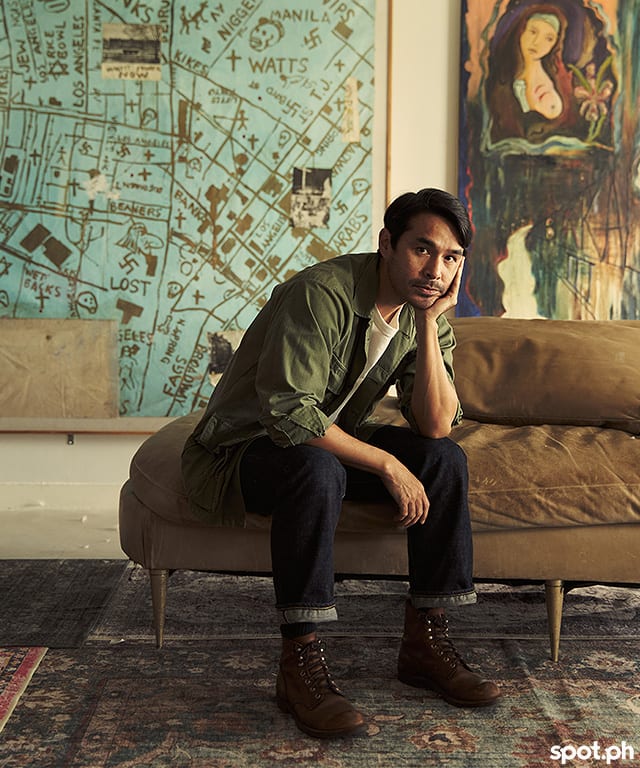
(SPOT.ph) As Atom Araullo makes himself comfortable in the gallery sofa, he lifts the tip of his baseball cap and a glimpse of his much younger self seem to appear on his bestubbled face for a quick second—reminding us we Googled his age before coming here and was surprised to find that the guy, who started appearing on our TV screens as a spunky 10-year old, is soon turning 43.
How is Atom Araullo, star reporter of the 90s kiddie magazine show 5 and Up, over four decades old now? Didn’t we just see his smiling 18-year-old mug pop up in 90s Kabaklaan’s Instagram the other day, with a host of other CandyQTs circa 2001? “I don’t feel old at all,” he would say later in Lost Islands café a few doors down. “Some days I feel like I’m more patient, and less anxious about work. In fact parang feeling ko mas okay pa 'ko now in my 40s than in my 20s and 30s. It’s a nice age to be in. Mas kilala mo na ang sarili mo.”
Well, there’s gotta be a younger guy still inside that mind and body somewhere—not that 43 is old. But how else to explain the kind of busy life he leads, anchoring the nightly news and producing 16 to 18 documentaries a year? A grind made extra meaningful by the stories he pursues and the man’s overall nature to get behind the causes some of those stories introduce him to.
.jpg?fit=cover&width=960&q=82)
The accolades along the way? We imagine they only fuel the dedication, these recognitions from the likes of Cannes Corporate Media and TV Awards, the New York Festivals TV and Film Awards, the Asia Content Awards—all three of which gave the Atom Araullo Specials docu “Munting Bisig,” about children laborers during the pandemic, top honors in 2022. The first two groups would award the GMA show again in 2024, for “Hingang Malalim,” a heartbreaking portrait of a family of pearl divers in Sulu.
Two years earlier, this UNHCR Goodwill Ambassador would win the Palanca literary prize for his “Letter from Tawi-Tawi,” a moving and lovingly written portrait of the state of literacy in the island province of the Bangsamoro Autonomous Region in Muslim Mindanao.
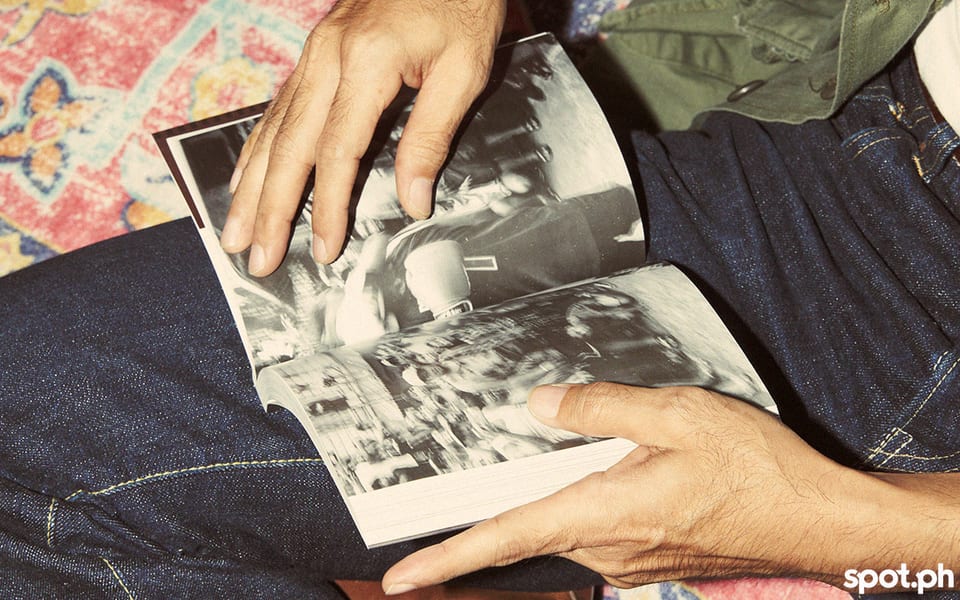
And now he’s published a book: A View from the Ground, officially launched in a “nakaka-stress na nakakatuwa” to-do at the Manila International Book Fair in September. Published by the UP Press, it collects the journo’s long form reportage from the last eight years, each written with a decidedly literary style, and accompanied by photographs he took himself.
Making the Book
Initially, Atom was unsure of the value of collecting his previously published articles on GMA Online and making a book, but together the stories look to have formed a bigger national narrative, a snapshot of a particular time in our history.
He started writing these prose versions of his docus in 2018, realizing there are still many things he wanted to say about this piece and that, given the restrictions of time and other parameters of TV storytelling. It was difficult to shift gears in the beginning. Getting his groove took awhile. “Pag hindi ka sanay, matindi yung inertia. You sit in front of the computer for days and nothing,” he says. He would wait for inspiration to strike, “which is not a good way to write by the way,” he continues, laughing. He made rules. “[The place] has to be quiet, I have to have coffee, I have to set a whole day for it…But sometimes I would be walking around and, ‘Ohhh, I could start a story with this!’ and then I would start writing.”
One story would take a year to write. Some years, he was able to finish two stories. Most of the time he could power thru after the lead paragraph, and then a second paragraph, until a story starts to take shape. But some attempts only went as far as Paragraph 1. “Sana para akong Christopher Hitchens,” says the writer, referring to the late Vanity Fair columnist and British wit who would famously excuse himself from a party, finish writing a story, then return to the fabulous merrymaking.
“Yung process ng pagsusulat parang meditation din siya eh, I like how it forces my brain to organize ideas," says Atom. "And of course when you finish it, iba din yung release, yung feeling na you got to finish a 10 thousand word story. For the most part I don’t have a set routine—yung finish a page by 2 pm and then do something else na? I’m very amateur, haha.”
If you’re a fan of Atom’s quiet, sensitive storytelling on television and YouTube, you will find A View from the Ground a good companion to the documentaries. Thanks to the nature of prose, and the author’s elegant hand in conjuring images and entire sceneries, the book lends a richer, deeper experience of the lives the award-winning journalist chooses to spotlight. Except this time his words are illustrated by his own photographs instead of moving images.
Of the stories he’s covered over the years, he struggles to name the most memorable, but the one on the Rohingya people of Myanmar, once described by the UN as among the world’s most persecuted group of minorities, comes quickly to mind. Along with Filipinos handing out relief goods to the refugees, Atom visited the camps in Bangladesh and listened to their accounts of homes being burned, men killed and women systematically raped. "I haven’t seen that kind of situation before. 'Yung ganun ka-desperado yung mga tao,” he said in an interview. It was his first story for I-Witness.
Atom recalls too his coverage of the Hong Kong protests pre-pandemic, finding himself on the streets and at the center of the action, a witness to history unfolding.
“Pero may mga storya rin na tahimik,” he says. Like the story on illiteracy in Tawi Tawi. And stories that have gotten him in trouble with authorities, like his "Ang Iskul Kong Bakwit", his piece on the Lumad children who traveled to Manila to escape the conflict in Surigao. He says he was heavily red-tagged for that one. “If you make a story and it just goes into the void, you wonder what kind of impact it might leave," he says. "So it’s always better when you hear that people are actually hurt—at least the people who should be hurt by your stories.”
Making Atom
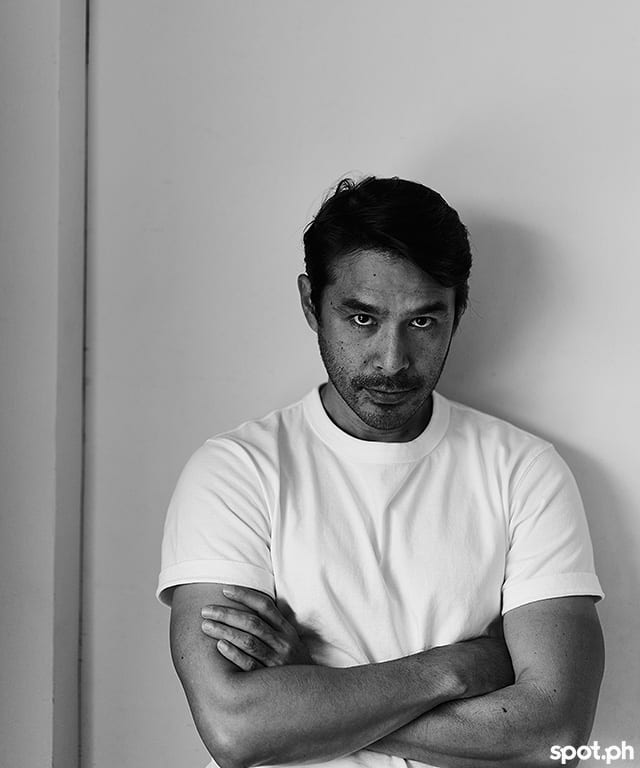
While he used to daydream a lot as a kid (his folks often compared him to Calvin of Calvin and Hobbes), being a reporter wasn’t one of the things Alfonso Tomas "Atom" Pagaduan Araullo daydreamed about. In fact, he had a shyness prominent enough for his parents to encourage their boy to join the Ateneo Children’s Theater—where he would eventually flourish and land the title role in the school’s production of the musical Oliver, a feat he managed by singing the only song he had in his head: “Kordero ng Diyos.”
But even then Atom already possessed the qualities of a future journalist. “He was very curious, very lively, lahat binubusisi,” says his mother Carol Araullo when asked to describe her son growing up. “He was adventurous and inquisitive.”
It was when the chance to do 5 and Up at 10 years old that he found the world of media fascinating. Still, he never quit his studies and had a blast during his high school years in Philippine Science High School. “I didn’t try to compete academically na because there were so many brilliant students in Pisay, so I said I was just gonna enjoy this.” And so he played the jock in a school of scholars, skipped a class here and there, played a lot of Counterstrike. “Siguro pag tinanong mo yung mga ka-batch ko noon how they remember me sasabihin nila medyo bulakbol.” But the kid excelled in Chemistry and Physics. “Kaya rin ako nag-Physics for college eh, pero pagdating ko sa UP hindi pala ako magaling,” he jokes. “Akala ko lang pala.”
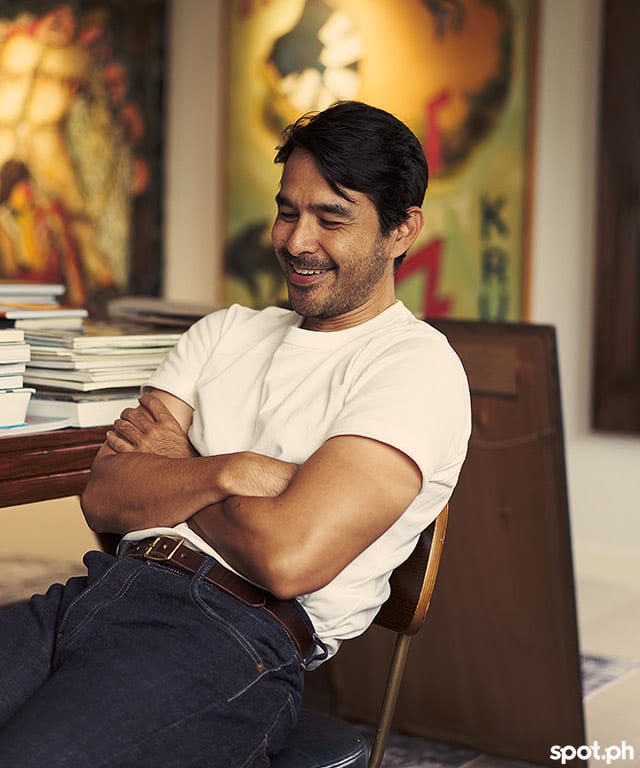
Being the child of activists, Atom is often asked what it was like growing up in the Araullo household—which he finds funny.
“Everybody thinks it’s different from other houses but it’s exactly the same. People have the impression that you talk about politics over dinner. It wasn’t like that at all. My political convictions, my experience, they’re not inherited eh. I don’t think there’s a way of inheriting those kinds of things. Kumbaga feeling ko ang matututunan mo lang sa magulang mo [pag bata ka] is basic values: Tratuhin mo ng maayos ang kapwa mo. Respetuhin mo yung mga nakakasalamuha mo araw-araw. Magpakumbaba ka. Tapos, nakikita ko sa buhay nila kung ano yung mga bagay na pinahahalagahan nila, sino yung mga nakakasalamuha nila. Nanay ko hindi naman nakikipag-sosyalan yun. Kasama niya lagi mga manggaggawa, teachers, doktor. Napapanood ko siya sa TV minsan nagra-rally. Pero naintindihan ko na lang kung ano yun nung naging student na rin ako sa UP. In a way ang advantage ko lang ay when I had questions meron akong pagtatanungan.”
Atom's first experience of a political rally was purely accidental. He was walking from the family home in Tandang Sora to U.P. when he encountered a protest action during a SONA. He wasn’t part of any student org yet in campus, but that day he got caught up in the crowd and saw people throwing rocks outside the Iglesia ni Kristo in Commonwealth Avenue. It left an impression on him. “In hindsight naisip ko, okay pala ‘to,” he says jokingly. Of course soon enough he would become a prominent student leader in the university, a member of the League of Filipino Students, and chair of STAND-UP or the Student Alliance for the Advancement of Democratic Rights.
The media coverage of a rally he joined in Mendiola in 2006 as a student activist opened his eyes to just how powerful the role of reporters are when presenting a story. Atom remembers seeing truncheons in that rally, people were being dispersed and hosed down—people who were fighting for free speech and the right to peaceful assembly. But on TV that night, they were casually stripped of their causes. “Ang laki pala ng power ng reporter to frame the story,” he thought. Because in the news report they were just people causing traffic. “Teka lang, hindi naman yun yung point eh!”
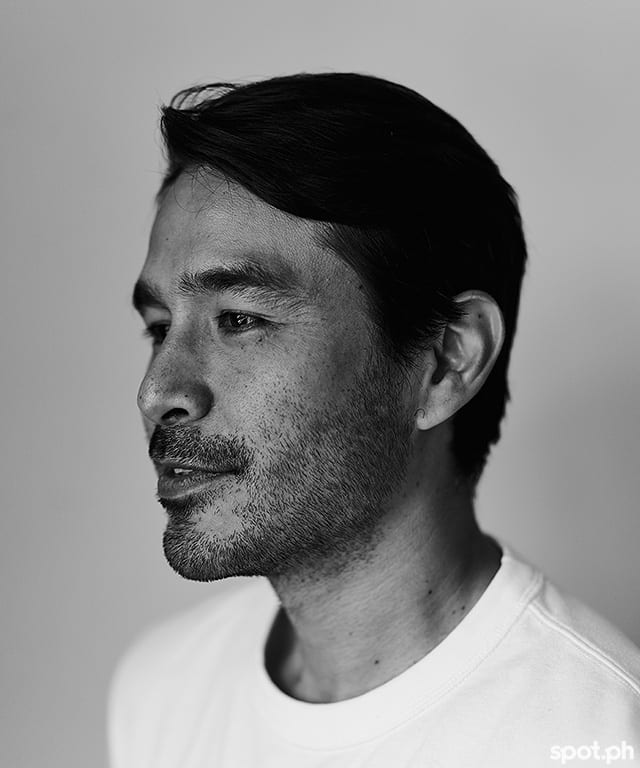
It isn’t likely the occasion that made him want to become a reporter but it was a moment. After graduation, there was an opening for a researcher in ABS-CBN’s current affairs show The Correspondents and he happened to know the Executive Producer; she was from Probe, producer of 5 and Up. Atom got the job. “Nawili ako,” he recalls. The Correspondents was producing weekly documentaries then. He was offered a reporter job after a year.
It was likely the first time the documentary bug hit him. The opportunity to create more of it was among the reasons he moved to GMA 7. Over the years, making documentaries has allowed him the privilege of getting to know a whole spectrum of people, Filipinos from far-flung areas. It has given him the chance to feel, in the shortest time possible, what it’s like to walk in other people's shoes, and then get to tell their stories. From a child working in a coconut plantation just to buy a pair of shoes to a surrogate mother trying to find the real parents of her child whose features she doesn’t share. “The aim is to provide an intimate look into the dreams and aspirations of people we meet but don’t often think about,” says the journalist of Atom Araullo Specials. “To most of us they’re just in the background, but these are individuals with hopes and dreams.”
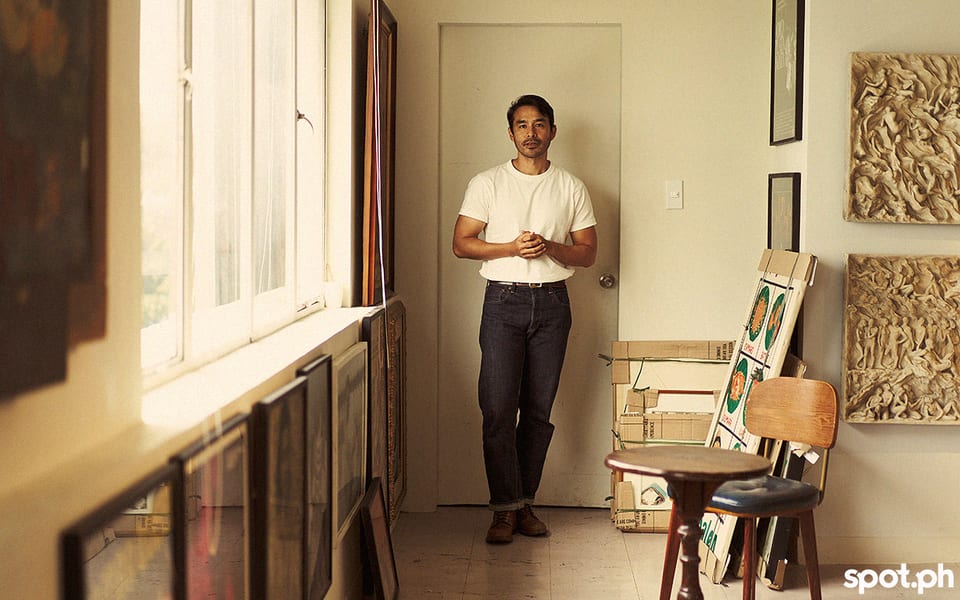
His View from The Ground
At one point during our interview, a familiar face enters the small coffee shop and Atom stands up from the Togo chair he’s sitting on to greet her. It’s Rappler reporter Pia Rañada who is surprised to see Atom here on this “lifestyle” building full of art and coffee and bottled scents and rare vinyl recordings. They speak for a while and then Atom returns to his chair and Pia proceeds to her catchup date with her friend.
We imagine this is a rare occasion for the two media personalities, to be out in the city and not working—except of course Atom is kind of working, but at least giving an interview and not doing the interviewing. When I ask him what he does these days when he’s off the grind, he says he just kind of vegetates, sits around, and stares at space. “The challenge when you’re not doing anything is trying to stay away from your phone. Yun lang iniisip mo: Don’t waste your free time just scrolling thru Instagram.” But he tries to read, too, listen to music, watch movies, “spend time with friends intentionally.” He still hangs out with the old buddies from high school and college. “Isa 'yan sa mga hindi nagbabago."
We imagine he needs those things once in a while. These days it’s so much harder to be a journalist, with a million challenges thrown at you at any given time: the rise of AI and disinformation, the new tools of the trade to familiarize one’s advancing brain and aging hands with. And then there are still red-taggers, too, which Atom has for a while become a victim of, until he realized it was time to fight back. In September 2023, he filed a suit against Lorraine Badoy and Jeffrey Celiz who in their program Laban Kasama ng Bayan on Sonshine Media Network International (SMNI) has accused Atom of being a member of the communist movement, even saying his content aligns with CPP-NPA propaganda.
“Hindi naman ako nagulat, at hindi naman yun yung first time din na narining ko yun,” Atom recalls of the red-tagging. “Nag worry lang ako kasi ang brazen, and the spread of misinformation hindi siya natural eh, nagagamit pati security apparatus para manakot at manupil. Masuwerte ako kasi I work for a big media organization, pero ano kaya nararanasan ng local reporters who deal with this everyday?”
“We helped him come to that decision [to file a suit] because at first he didn’t want to dignify the noise created by red taggers,” says his mom Carol. “Sabi niya pag pinatulan lalo magkakaron ng traction. Two things I think that got him to file the suit: One, it’s having an effect in his journalism work. When he goes out of town, in remote locations, and he would need to coordinate with the military and the police, they would look at him differently na because [the red-tagging] became so widespread. The other thing was he realized he can do something about it that was not available to others, even to other journalists, especially those in the provinces who did not have the kind of platform that he has.”
Late last year, Atom won in the civil suit that he filed against his red-taggers.
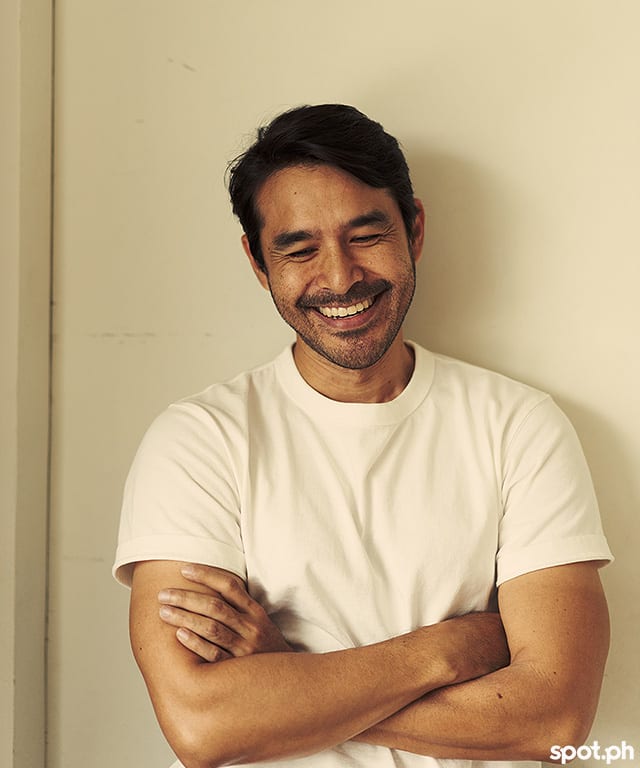
Another challenge legacy media faces everyday is the takeover of TikTok in the culture. Reporters need to work harder, pivot fast, and get really creative so audiences will give their thoroughly researched, lovingly written, cinematically shot narratives the time of day. And then there are the existential threats, says Atom, like climate change. “Sometimes you ask yourself ano pa silbi ng documentary na ito when the world is falling apart?”
Good thing the guy believes that to be a journalist today is to power thru. “You have to grapple with increasing challenges and decide which one demands attention,” he says. “I started out as very idealistic, now the idealism is still there but rather than being jaded or discouraged by the challenges, it makes you feel you have more work to do. It makes me feel more passionate.”
Which is why we felt good seeing a visage of Atom's much younger self flash before us earlier in the day. Because he needs that to keep doing what he’s doing. And what's the best thing about doing what he does? "I always say I feel like it’s a privilege to be a professional Marites," he answers. "May emergency? Talk to the people on the ground: What are they feeling? Where are they going? I love the fact that I’ve always been a curious person anyway, and now I get paid to do that. On top of that, may sense of fulfillment, na tingin ko mahalaga to sustain the fire of doing this kind of work. I’m sure there are few professions that offer that kind of environment. And, of course, you get to make an impact."
Photographs by JL Javier
Jerome Gomez is Spot's EIC. He counts knowing how to roast a chicken, make Korean army stew, and mix a good Negroni among his great accomplishments in life.