LOOK: The Coconut Palace Is Ready to Welcome Guests Again
After a six-month renovation, The Coconut Palace reopens for the 29th ASEAN Summit in November.
Published on Aug 26, 2026
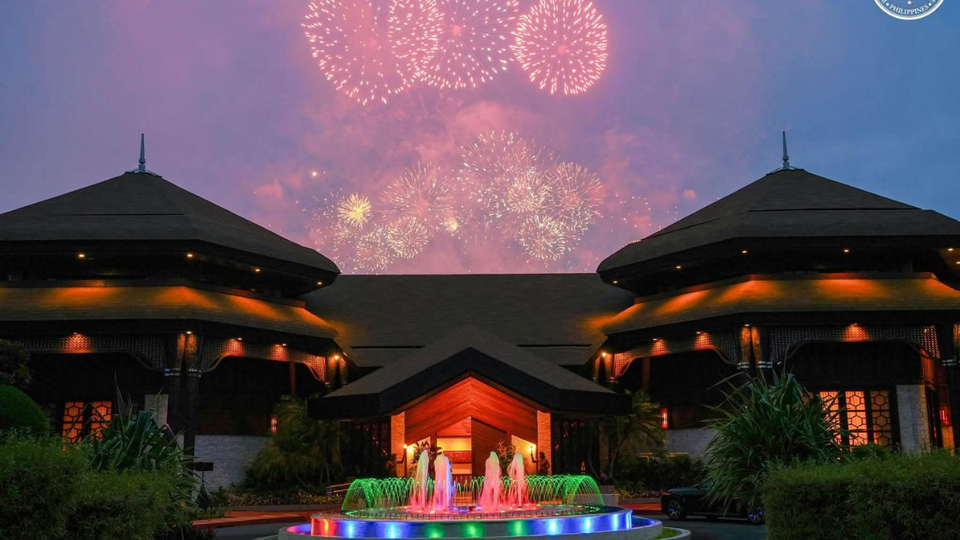
(SPOT.ph) If you frequent Pasay City, chances are you've spotted the Coconut Palace. With its distinct triangular wooden roofing peeking from behind an ornate gate, it’s easy to get curious about what more could be inside its walls. Well, you might just find out soon enough, as the historic landmark has finally reopened its doors after a period of renovation.
Here's what we know about it so far.
The Coconut Palace reopens after months of renovation
Located in the Cultural Center of the Philippines (CCP) Complex, the Coconut Palace has finally reopened after a six-month renovation. Just in time for the 29th ASEAN Summit, the iconic venue will host official events from November 13 to 15.
Extensive restorations were done to preserve the property’s distinctly Filipino architectural design, repair the natural wear and tear on its wooden materials, and apply necessary facility upgrades. With its reopening, Coconut Palace now stands ready to welcome the delegates and leaders of the upcoming regional gathering, and eventually, local visitors and international guests.
But you might have to wait a little longer if you want to see the inside for yourself. According to the Government Service Insurance System (GSIS), which currently owns the property, it aims to reopen the Coconut Palace to the public shortly after the ASEAN Summit and is in the market for a property manager—one with experience in handling and maintaining important cultural assets.
If all goes according to plan, the public will be able to "experience the grandeur of Filipino artistry and ingenuity" by early 2027.
In the past, the Coconut Palace was open to the visiting public for free, but that might just change when it reopens next year. The GSIS is currently looking into implementing entrance fees and charges for private events. As of writing, nothing is final yet as this move is still pending the final approval of the GSIS Board of Trustees.
About the Coconut Palace, a.k.a. Tahanang Pilipino
While many remember the Coconut Palace as the official residence of the Vice President, the architectural landmark was actually built in 1978 to host foreign dignitaries and international guests. It also became a popular venue for weddings and other celebrations, thanks to its opulent interiors and distinctly Filipiniana aesthetic.
The Coconut Palace was designed by National Artist for Architecture Francisco “Bobby” Mañosa, who pioneered the style that became known as “Philippine neovernacular architecture.” His design aesthetic, heavily inspired by the bahay kubo, incorporates a myriad of local materials, including coconut and local hardwoods such as narra.
As its namesake indicates, the Coconut Palace is a celebration of coconut as the “tree of life,” with Mañosa using coconut lumber, coconut shells, and coconut husks alongside other indigenous materials such as narra wood, capiz shells, and solihiya (woven rattan). In fact, the palace is shaped like an octagon, emulating how a coconut is cut before being served. Meanwhile, the roof is shaped like the traditional headgear salakot to complete its distinctly Filipino visual design. For all these elements, the landmark was originally given the suitable name Tahanang Pilipino.
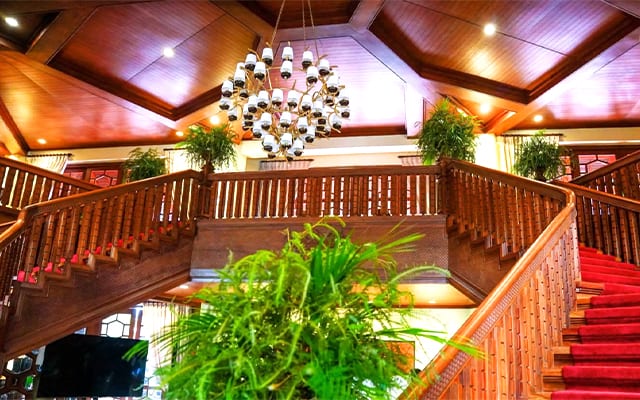
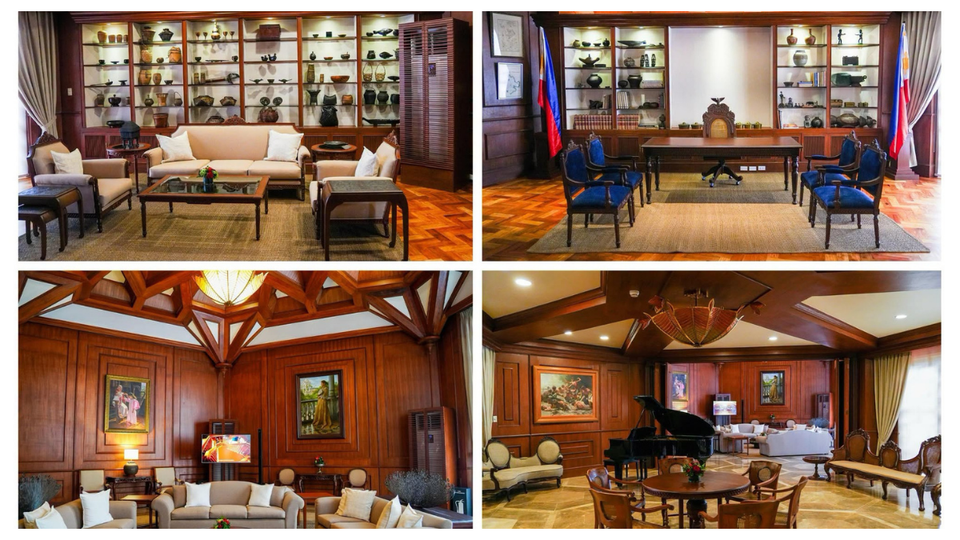
Nearly five decades after its construction, the Coconut Palace still stands as a testament to Filipino artistry and ingenuity. It’s a historic cultural landmark that deserves to be admired and appreciated not only by foreign dignitaries, but also by local visitors who take pride in its heritage and cultural significance.
Here’s hoping that we will all be able to experience the wonders within its walls very soon!
Joy is a writer, film photographer, caffeine junkie, and part-time traveler. When not any of these, she’s either lost in a book, beating a game, or making a zine. Cat-mom to Noodle, Nori, and Mocha.