There Should Be No Space for Terrible Bosses in Today’s Restaurant Culture
May the Noma controversy be a reminder that people in the kitchen ought to be treated with dignity.
Published on Mar 16, 2026
(SPOT.ph) When stories began circulating about working conditions at Noma, the culinary world reacted with a familiar mix of disbelief, recognition, and in some kitchens, quiet relief.
For more than two decades, modern fine dining was built around a powerful mythology: the genius chef, the relentless pursuit of perfection, the brigade system run with military precision. At the center of that mythology stood chefs like René Redzepi, whose Copenhagen restaurant consistently topped The World’s 50 Best Restaurants list and helped define what the world now calls Nordic cuisine.
Noma was not simply a restaurant. It was an institution. A pilgrimage site.
Young cooks from across the world competed for the chance to stage in its kitchen, often unpaid, hoping to absorb even a fraction of the discipline, creativity, and prestige that radiated from the restaurant. To work there was to enter the inner circle of modern gastronomy.
But prestige, as we now understand, often carries a shadow.

When allegations surfaced describing a culture of intimidation and abuse, unpaid labor, and relentless pressure, the stories sounded disturbingly familiar to anyone who has spent time behind the swinging doors of a professional kitchen. Redzepi himself eventually acknowledged failures in leadership and culture that allowed such conditions to persist.
For decades, the restaurant industry normalized a culture of fear. Screaming, humiliation, punishing hours, and unpaid work were treated as rites of passage. Many chefs carried their scars like medals, proof that they had survived the crucible. But survival is not the same as learning. And trauma is not the same as discipline.
The reckoning unfolding around Noma is not really about one chef or one restaurant. It is about dismantling a long-standing mythology: that greatness in the kitchen must be forged through suffering. That myth is beginning to collapse.
How restaurants can improve the work environment—and why this benefits everyone
The pandemic accelerated a shift that had already been underway. When restaurants shut down, thousands of cooks, servers, and dishwashers were forced to reconsider the conditions they had accepted for years. Long hours, low pay, and precarious employment pushed many to leave the industry entirely. Others returned, but with a different set of expectations.
Across the world, restaurants are confronting a simple but profound truth: a truly sustainable restaurant must also be a humane workplace.
Sustainability cannot stop at the plate. It must extend to the people who make the plate possible.
A restaurant that sources ethically from farmers but exploits its cooks is not sustainable. A kitchen that celebrates biodiversity while burning out its staff is not sustainable. A chef who speaks passionately about terroir while tolerating abuse within the brigade is not sustainable.
Real sustainability is social before it is culinary.
It begins with fair wages and reasonable hours. It requires transparent hiring and training systems. It demands inclusive employment policies that create space and dignity for women, LGBTQ workers, and people with disabilities, groups that have historically been marginalized in professional kitchens.
The traditional brigade system was designed for another era, one that assumed rigid hierarchy, male dominance, and an almost monastic devotion to the craft. That system produced extraordinary cuisine, yes. But it also produced generations of cooks who internalized the belief that suffering was simply part of the job. Today’s generation of chefs is increasingly unwilling to accept that bargain.
Around the world, kitchens are experimenting with more humane models: flexible schedules, profit-sharing systems, mental health support, and clearer paths for advancement. Apprenticeships are being redesigned so that training does not require economic privilege. The long-accepted practice of unpaid labor is finally being questioned.
This shift is not about lowering standards. It is about raising them.

Great restaurants have always been ecosystems. They depend not only on talented chefs but also on dishwashers, line cooks, farmers, fishermen, purveyors, designers, and diners. When any part of that ecosystem is treated as expendable, the entire structure weakens.
The most enduring restaurants understand something simple but profound: they develop people as carefully as they develop dishes.
The best kitchens are schools. They teach technique, but also curiosity, discipline, respect, and collaboration. They send cooks back into the world not just with sharper knives but with a deeper understanding of food systems, culture, and community.
For me, these questions are not theoretical. They play out every day in the small decisions that shape a kitchen.
At Gypsy Baguio, the philosophy we try to live by is simple: kindness matters.
It is written on our walls and repeated in our meetings, but more importantly, it must be visible in how people experience the workplace. Kindness does not mean lowering standards. It means building discipline through respect rather than fear.
When we look at the kitchen through a lens of development, the entire culture changes.
A young cook is no longer simply labor on the line but a professional in formation. A dishwasher is not invisible but an essential part of the ecosystem that keeps the restaurant alive. Farmers are not merely suppliers but partners whose knowledge and livelihoods shape what appears on the plate.
Development asks a different set of questions.
Not “How much can we squeeze from this person today?”
But “How far can this person grow with us?”
Restaurants, at their best, are training grounds for life. The kitchen can teach rigor, resilience, creativity, and teamwork. But those lessons do not require humiliation or fear. They require structure, mentorship, and a culture where people feel safe enough to learn from mistakes.
When kitchens become places of development, the results ripple outward. Cooks become better leaders when they open their own restaurants. Farmers gain stable markets. Suppliers grow alongside the establishments they serve. The ecosystem becomes stronger.
This is the deeper meaning of sustainability in food. Not just soil health. Not just biodiversity. But human development.
If the controversy around Noma leads to anything meaningful, it should be this: a recognition that the future of gastronomy will depend not only on creativity and innovation, but on how we treat the people who make it possible.
The next chapter of restaurant culture will be written not only in fermentation experiments and tasting menus, but in fair wages, decent staff meals, reasonable hours, and workplaces where dignity is non-negotiable.
In the end, a restaurant’s true measure is not simply the brilliance of its cuisine.
It is the kind of human community that exists behind the pass.
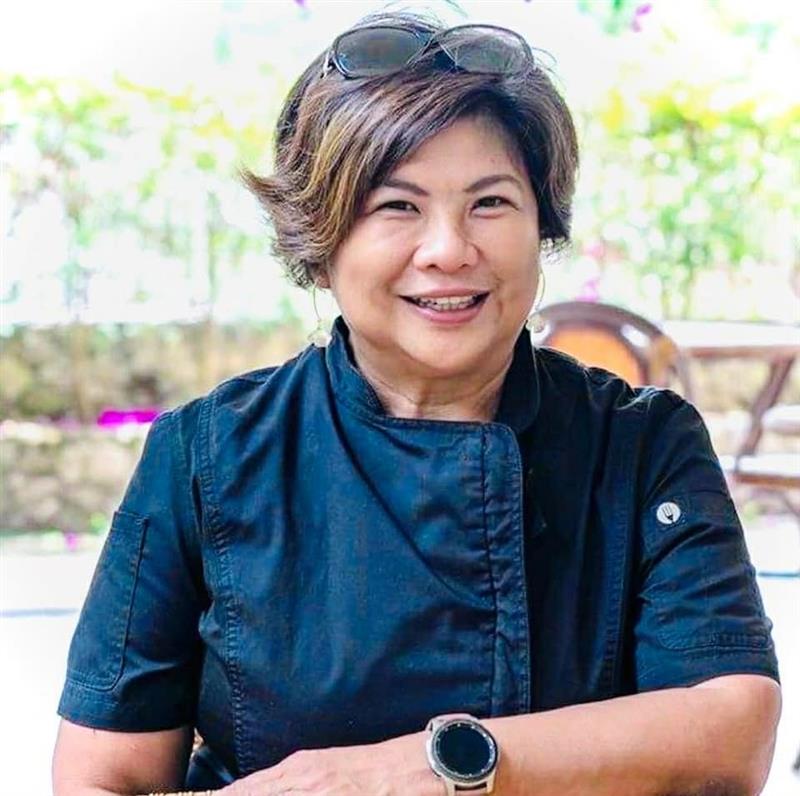
Waya Araos-Wijangco is the executive chef and owner of Gypsy Maginhawa and Baguio. She also founded the Open Hand School for Applied Arts, a vocational school for young adults with special needs.
Also read: Be Nice To The Waiter—Better Yet, Let's Be Kinder To Each Other
Chef Waya has been in the F&B industry for over two decades working in catering and restaurants. Coming from a background in development, she uses her restaurant work as a launchpad for various advocacies—championing better equality for women in the workplace, sustainable restaurant operations, inclusive employment for PWDs, and better relationships with farmers, suppliers and food purveryors. She is currently the Executive Chef of Gypsy Baguio by Chef Waya.