What's New
The Essential Guide to Malabon: Where to Eat, What to See, Who to Know According to A Local
There's more to this city than just food, flood, and Rufina patis.
Published on Jun 29, 2025
(SPOT.ph) “Raise of hands: how many of you here have actually visited Malabon before?” asks Alex Avila.
It’s 8:00 a.m. on a muggy Sunday morning, and it’s WanderManila’s first run of their new Re/Discover: Malabon tour. Out of the ten people in the ragtag group gathered today, eight raise their hands.
Scale the sample group up, and a Metro Manila-wide statistic probably wouldn’t be too far off: do an impromptu survey in the big city, and maybe one in five will have been to Malabon or even know it for something other than its fantastic pancit or, less flatteringly, how it transforms into the Venice of the Philippines during typhoons.
“Many people only know Malabon for either food or flood, if they remember it at all,” Avila says. A lifelong local of the city’s Barangay Catamon, he’s a licensed professional teacher-turned-tour guide, with years of working with the Intramuros Administration and cultural organization Renacimiento Manila (you might even recognize him as the viral history buff who cosplayed Big Smoke from Grand Theft Auto: San Andreas while discussing trains). This is the first time he’s had the chance to share the history of his own hometown.
It’s 8:00 a.m. on a muggy Sunday morning, and it’s WanderManila’s first run of their new Re/Discover: Malabon tour. Out of the ten people in the ragtag group gathered today, eight raise their hands.
Scale the sample group up, and a Metro Manila-wide statistic probably wouldn’t be too far off: do an impromptu survey in the big city, and maybe one in five will have been to Malabon or even know it for something other than its fantastic pancit or, less flatteringly, how it transforms into the Venice of the Philippines during typhoons.
“Many people only know Malabon for either food or flood, if they remember it at all,” Avila says. A lifelong local of the city’s Barangay Catamon, he’s a licensed professional teacher-turned-tour guide, with years of working with the Intramuros Administration and cultural organization Renacimiento Manila (you might even recognize him as the viral history buff who cosplayed Big Smoke from Grand Theft Auto: San Andreas while discussing trains). This is the first time he’s had the chance to share the history of his own hometown.
.jpg?fit=cover&width=960&q=82)
Click to Enlarge
Okoy sila dito: There's more to Malabon than just pancit and patis. Photo by Majoy Siason. Cover design by Warren Espejo.
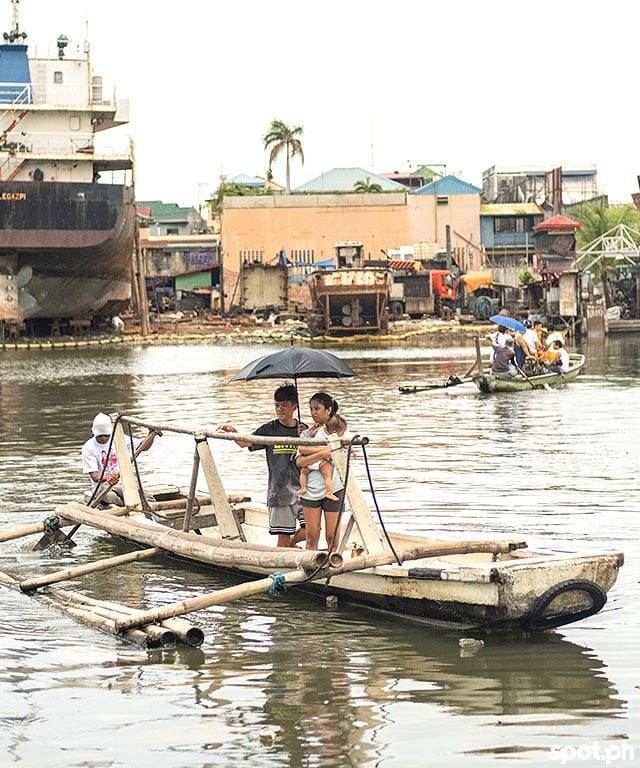
The entire city was once a seaside marshland, and one of the possible origins of its name is “labon” being the old Tagalog word for silt or mud—which checks out, with the murky waters that rise under heavy rain. Heck, you’ll already find formidable puddles on the streets when high tide hits at 10:00 a.m.
Malabon’s recorded history goes as far back as 1599 with its founding as a visita of Tondo (and later Manila) by Augustinian friars—which makes it one of the first Spanish settlements in the Philippines.
Malabon’s recorded history goes as far back as 1599 with its founding as a visita of Tondo (and later Manila) by Augustinian friars—which makes it one of the first Spanish settlements in the Philippines.
Click to Enlarge
The entire city was once a seaside marshland. Photo by Majoy Siason.
“Malabon has a rich history as a place of commerce just north of Manila,” he explains. “We had a strong sugar and tobacco industry, so we even had tranvias connecting us to Azcarraga, which is now Recto. The [entire country’s] patis industry was started by Nanay Rufina [de Lucas] here, and it even ventured into mass transit with a bus company.”
He continues, “There’s [so much] more to know about Malabon. It’s still a relevant place despite the changing times.”
If you have only one day to explore Malabon, where should you go? What can you see and, perhaps most importantly, what can you eat? Avila shares some of the best things to do in Malabon:
Things to do in Malabon in one day:
Click to Enlarge
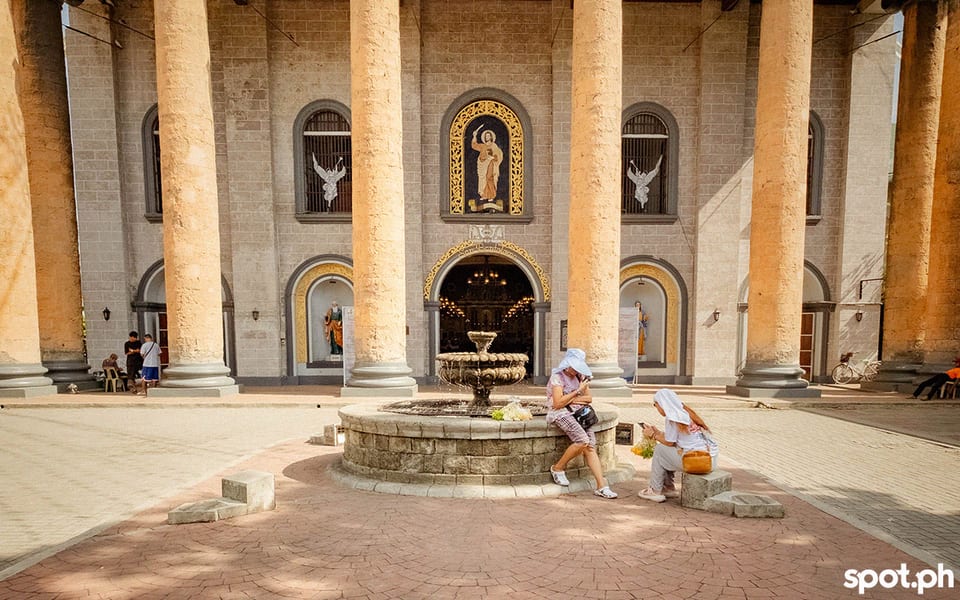
The San Bartolome Church has survived the American Occupation and the Second World War. Photo by Majoy Siason.
1. Soak in some history at San Bartolome Parish Church
Malabon’s history goes as far back as 1599, and with a founding in 1614, San Bartolome Parish has almost always been part of it. Once just a humble parish, this adobe church and its sunny courtyard fountain mark the very center of the original pueblo of Malabon, around which all homes and establishments were built.
After multiple earthquakes, the Philippine-American War, and the bombings of World War II, San Bartolome Church definitely does not look the same as it did when it was founded. Its current neoclassical, Parthenon-inspired facade came after it was restored in the 1950s—but there are definitely still clues to San Bartolome Church’s age. Step inside and you’ll notice the floor is sunken to its original ground level when it was built, marked by the epitaphs of late priests.
Another fun fact: “Because he was skinned alive before becoming a saint, San Bartolome is depicted here with a bolo,” says Avila. “Weapons were not allowed in Manila during the Philippine Revolution, but it was normal to see bolos on San Bartolome’s feast day—and the Katipuneros took advantage of this by having bolo makers in Bulacan pass here to head to Baltinawak.”
San Bartolome Parish is located at 6 Rizal Avenue, San Agustin, Malabon.
After multiple earthquakes, the Philippine-American War, and the bombings of World War II, San Bartolome Church definitely does not look the same as it did when it was founded. Its current neoclassical, Parthenon-inspired facade came after it was restored in the 1950s—but there are definitely still clues to San Bartolome Church’s age. Step inside and you’ll notice the floor is sunken to its original ground level when it was built, marked by the epitaphs of late priests.
Another fun fact: “Because he was skinned alive before becoming a saint, San Bartolome is depicted here with a bolo,” says Avila. “Weapons were not allowed in Manila during the Philippine Revolution, but it was normal to see bolos on San Bartolome’s feast day—and the Katipuneros took advantage of this by having bolo makers in Bulacan pass here to head to Baltinawak.”
San Bartolome Parish is located at 6 Rizal Avenue, San Agustin, Malabon.
2. Grab a sweet treat at Betsy's Cake Center
Click to Enlarge
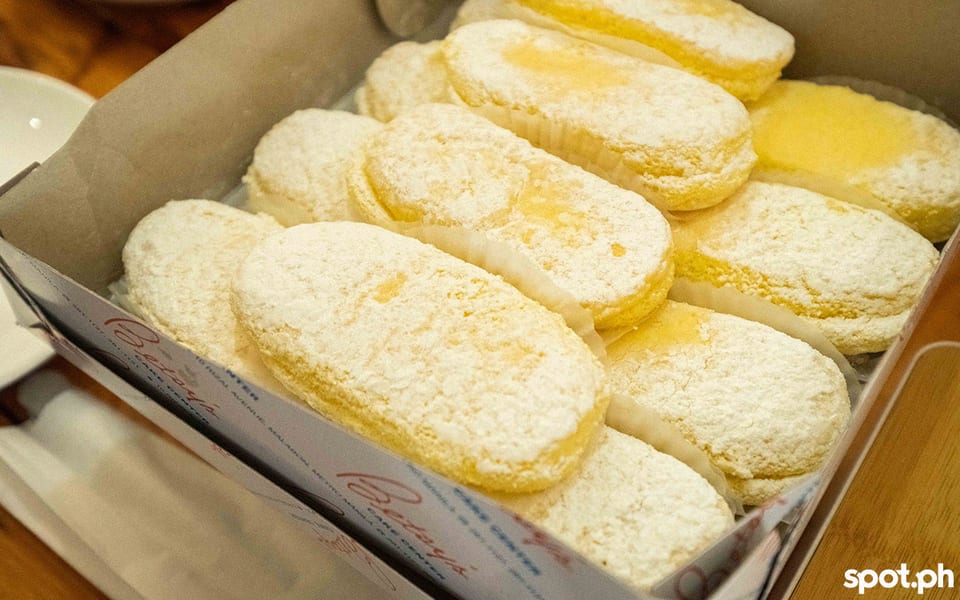
The famed broas at Betsy's. Photo by Majoy Siason.
“Right across San Bartolome Church, you have a bakery that’s very close to the hearts of Malabueños,” says Alex, leading the tour across the street to an institution in its own right: Betsy’s Cake Center. Betsy’s—pronounced “Betchee”—opened in the 1960s, when one Bellaflor Serna opened a bakery named after her daughter Betsy David. In turn, Betsy herself would turn it into Malabon’s most famous cake houses, omnipresent at every special occasion and family gathering in the city.
Their selection of old-school cakes and treats is dizzying, ranging from buttery Taisan cakes and Branzival (a fusion of brazo de mercedes and sansrival). But if you must try only one thing at Betsy’s, then it is only right for it to be their broas—made extraordinary by the fact that they’re so soft, made of lightly sweet buttercream ensconced in pillowy sponge cake, with a light dusting of powdered sugar on top.
Betsy’s Cake Center is located at 10 Rizal Avenue Extension, San Agustin, Malabon.
Their selection of old-school cakes and treats is dizzying, ranging from buttery Taisan cakes and Branzival (a fusion of brazo de mercedes and sansrival). But if you must try only one thing at Betsy’s, then it is only right for it to be their broas—made extraordinary by the fact that they’re so soft, made of lightly sweet buttercream ensconced in pillowy sponge cake, with a light dusting of powdered sugar on top.
Betsy’s Cake Center is located at 10 Rizal Avenue Extension, San Agustin, Malabon.
3. Hunt heritage houses along General Luna and C. Arellano Street
Click to Enlarge
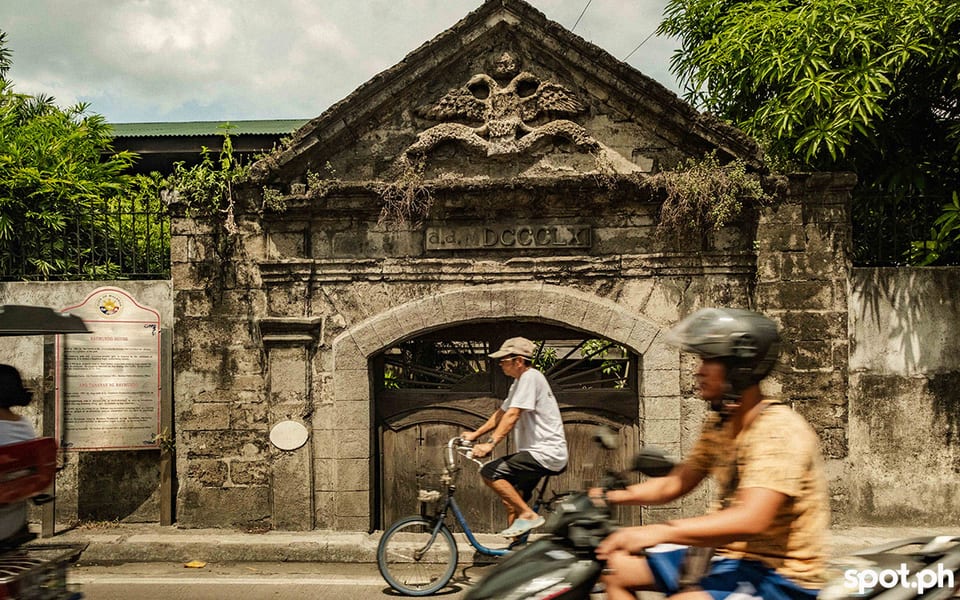
The Raymundo House. Photo by Majoy Siason.
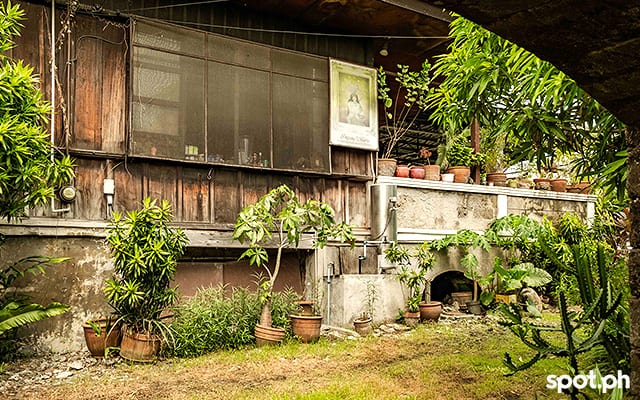
When we think of seeing Spanish-era bahay na bato in the flesh, our minds often snap to Calle Crisologo in Vigan or Las Casas Filipinas de Acuzar in Bataan. You don’t actually need to travel that far: Malabon is one of the few places in the Metro where you can still find these uniquely Filipino architectural fusions of the bahay kubo and the European stone house. These two-storey structures were a fairly common sight in Malabon because families would live upstairs, which was made of wood, and the storage or business area downstairs would be made of stone to address flooding.
The former Farmacia Borja along Gen. Luna Street is the best-preserved ancestral house in the city, standing out even more with its art nouveau design full of curving lines and ornamentation.
The former Farmacia Borja along Gen. Luna Street is the best-preserved ancestral house in the city, standing out even more with its art nouveau design full of curving lines and ornamentation.
Click to Enlarge
One of the few ancestral homes in C. Arellano Street still in the care of the founding family. Photo by Majoy Siason.
Meanwhile, on C. Arellano Street, you’ll find the unique Swiss-German style of the Cayco House, as well as the oldest standing bahay na bato in Malabon today. Built in 1861, the Raymundo House is one of the few ancestral homes still under the care of its original family. Its adobe walls and majestic gate—complete with a carving of the Hapsburg Eagle and the year it was built—would look right at home in Intramuros, if it weren’t for the fact that they appear to have sunken into the ground because of how much the street outside has been elevated for floods.
“Many heritage houses are gone now because families cannot maintain them, and we don’t even have a law or regulation to support it,” explains Avila. “We now have a little under 20 heritage houses here in Malabon. They are something so unique to the city, and we’re lucky to have them at all.”
“Many heritage houses are gone now because families cannot maintain them, and we don’t even have a law or regulation to support it,” explains Avila. “We now have a little under 20 heritage houses here in Malabon. They are something so unique to the city, and we’re lucky to have them at all.”
Farmacia Borja is located at 269 Gen. Luna Street, Malabon. The Raymundo House is at 144 C. Arellano Street, while the Cayco House is at C. Arellano corner T. Santos Street.
.jpg?fit=cover&width=960&q=82)
Click to Enlarge
The former Farmacia Borja along General Luna Street. Photo by Majoy Siason.
4. Admire the pope-crowned La Immaculada Concepcion (and the Aglipayan La Purisima Concepcion)
Click to Enlarge
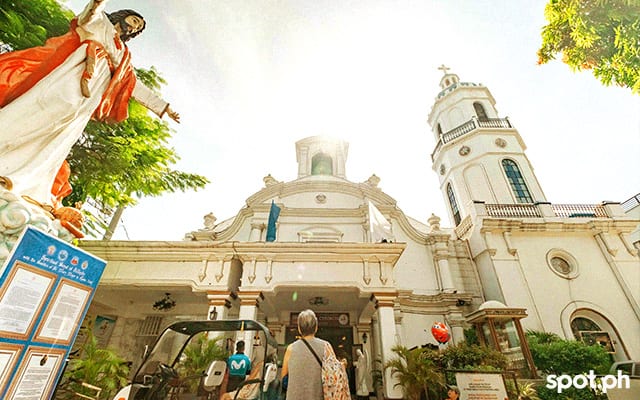
The Immaculate Conception Church in Malabon. Photo by Majoy Siason.
Established as a visita by Augustinian friars in 1607, the Immaculate Conception may not be the church that the Spanish built Malabon around, but it is the home of the city’s patroness: La Immaculada Concepcion. Walk down the church’s aisle, and you’ll find the image of the Virgin Mary standing proudly behind the altar with her distinctively intricate crown and unusual sideways pose, all carved from molave by an unknown sculptor in the 1700s.
This icon has been the source of enough local miracles that Pope John Paul II canonically crowned it in 1986—though you could also say that it’s a miracle in itself that it still stands so perfectly preserved after an earthquake ruined the Immaculate Conception Church in 1880 and the Aglipayan sect of the Roman Catholic Church forcibly took it over in 1899.
This icon has been the source of enough local miracles that Pope John Paul II canonically crowned it in 1986—though you could also say that it’s a miracle in itself that it still stands so perfectly preserved after an earthquake ruined the Immaculate Conception Church in 1880 and the Aglipayan sect of the Roman Catholic Church forcibly took it over in 1899.
Click to Enlarge
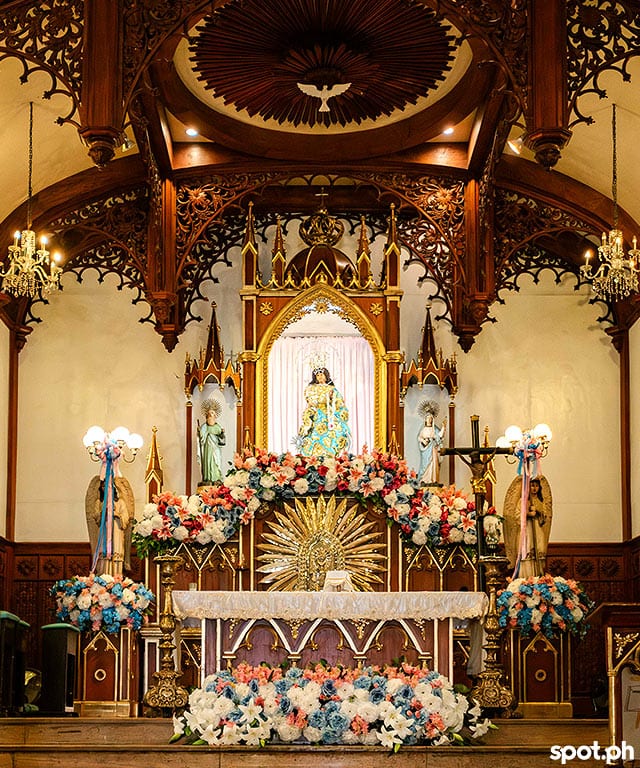
La Purisima Concepcion in the Aglipay Church. Photo by Majoy Siason.
If you want to add even more to its mystique, pay a visit to the nearby Aglipayan parish, founded in 1902 after the Supreme Court ordered them to return the Immaculate Conception Parish to the Roman Catholic Church. Only a quick walk away, they established their own parish with its own icon named La Purisima Concepcion, also called “Impong Maria.” Many visitors and devotees have noted a striking resemblance, with La Purisima striking the same pose and also sporting a similarly ornate crown—though her face has distinctively Filipina features and her skin is darker.
The Immaculate Conception Church is located at 272 Gen. Luna Street, Malabon, while the Philippine Independent Church's Parish of La Purisima Concepcion is located at 179 C. Arellano Street, Malabon.
5. Shop unique produce and try one of Malabon’s best okoy at Concepcion Market
Click to Enlarge
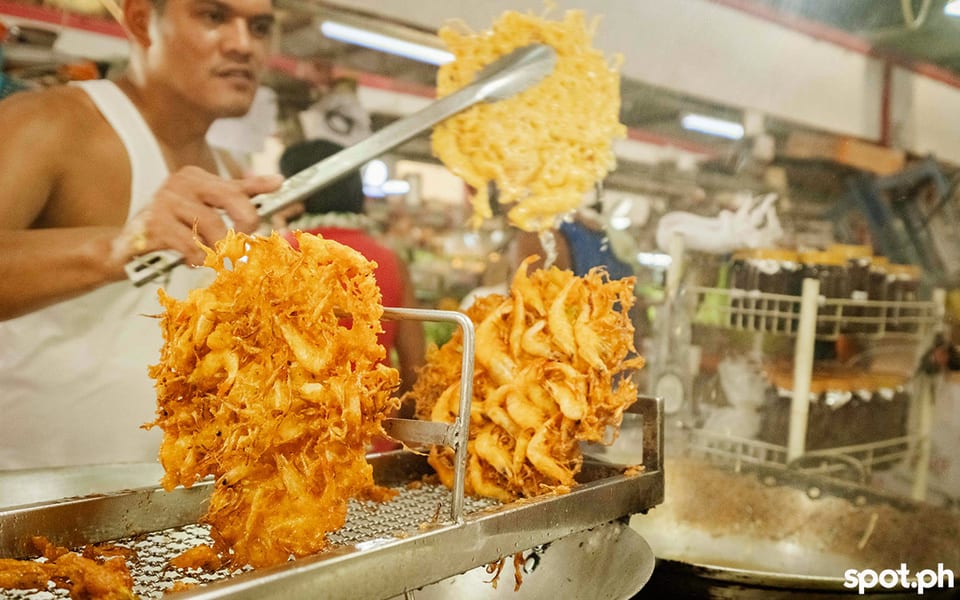
Giant shrimp fritters at D Original Okoy ni Jay-R. Photo by Majoy Siason.
“We’re very lucky that Malabon still has palaisdaan, and we still have fish as a source of livelihood and food for the people,” says Avila. One need only cross the street from the Immaculate Conception Church to Concepcion Market for a glimpse of what Malabon seafood has to offer—if the fish here isn’t so fresh it’s still gasping on trays, it’s being deboned by hand, or being dried, stuffed, and preserved for maxed-out flavor intensity.
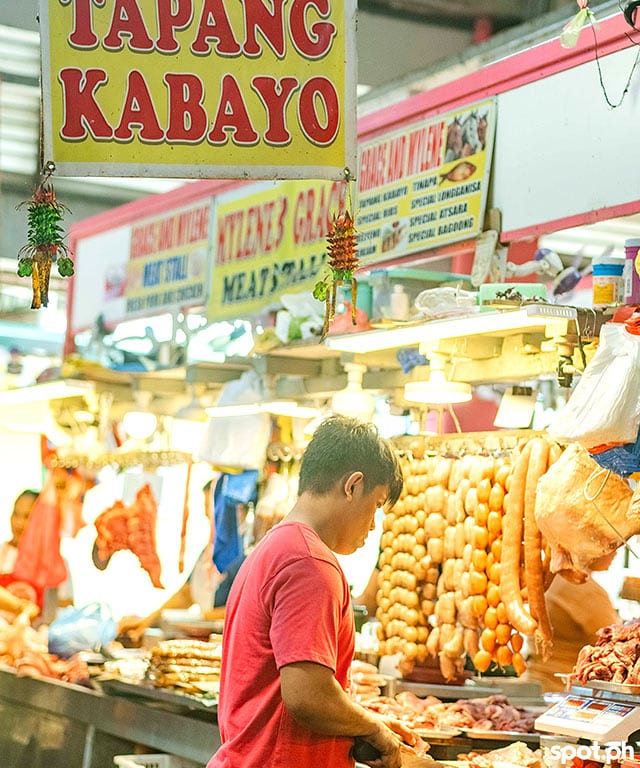
But this isn’t all. At the center of the market is a delicacy you’ll be hard-pressed to find anywhere else in the metro: tapang kabayo or horse meat tapa, which boasts a long history here dating back to the Spanish colonial period, when Spanish friars were big fans of its flavor and had it brought in from the grasslands at Malabon’s easternmost borders.
But this isn’t all. At the center of the market is a delicacy you’ll be hard-pressed to find anywhere else in the metro: tapang kabayo or horse meat tapa, which boasts a long history here dating back to the Spanish colonial period, when Spanish friars were big fans of its flavor and had it brought in from the grasslands at Malabon’s easternmost borders.
Click to Enlarge
One of the meat-selling stalls inside Malabon Public Market. Photo by Majoy Siason.
The true blockbuster at Concepcion Market, however, is a stand simply named “D’Original Okoy ni Jay-R,” with a sign plastered with famous faces who’ve come to try it, including Jodi Sta. Maria, Erwan Heussaff, and Kara David. The stall itself has been around since the 1960s, and current owner Danilo “Jay-R” Yuzon Jr. inherited it and its secret recipe from his mother. You’ll often find Jay-R himself there working his magic on a huge pot of hot oil, from which emerges a strong candidate for best okoy on the planet.
Imagine this: a giant golden disc—nay, a halo—of ultra-fresh (and ultra-large) shrimp, squash, and togue, deep-fried to perfection for a fantastic crunch on every bite. Did we mention it’s only P55?
Okoy ni Jay-R is located in Concepcion Public Market, Gen. Luna St, Malabon.
6. Decide who does sapin-sapin best at The Original Dolor’s Kakanin and Dolor’s Kakanin
Click to Enlarge
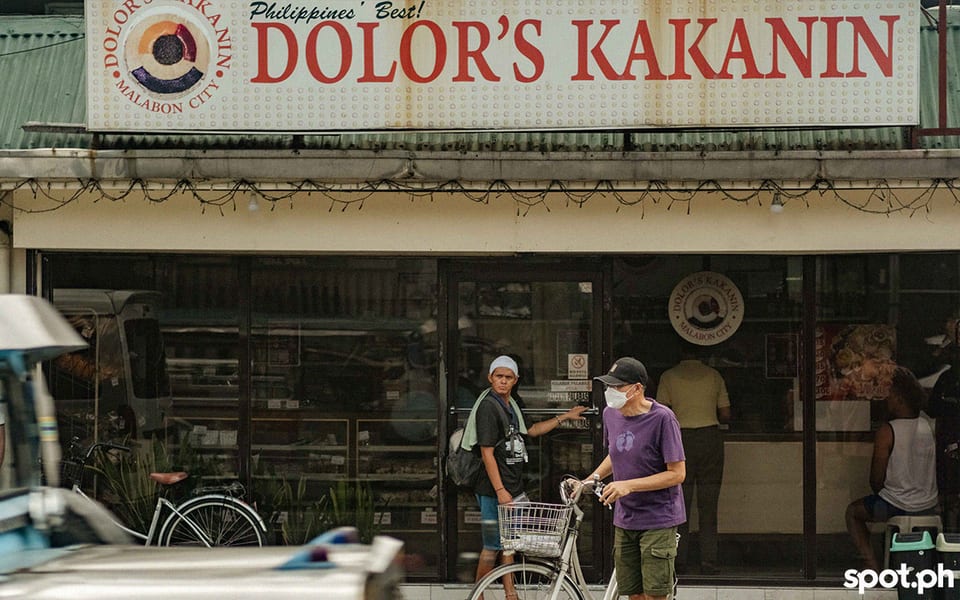
Dolor's Kakanin was founded in the 1930s. Photo by Majoy Siason.
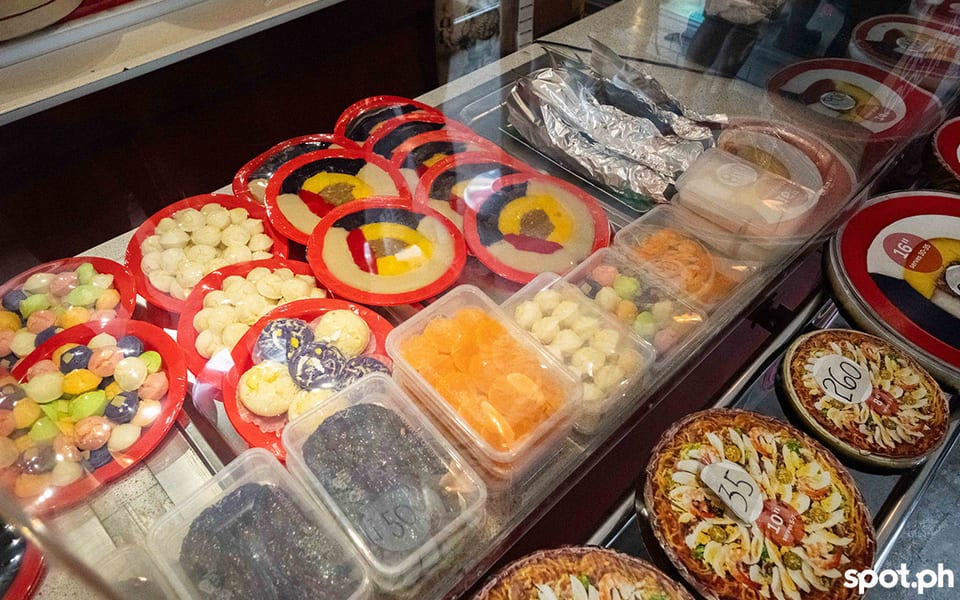
In the search for the Metro’s best kakanin, one name that has swept all categories—be it puto, sapin-sapin, kalamay, biko, or kutsinta—for close to a century now is Dolor’s Kakanin. Founded by Dolores M. Santos in the 1930s, it is one of the most famous things to come out of Malabon: and her fantastically gooey kakanin has a cult following for a good reason.
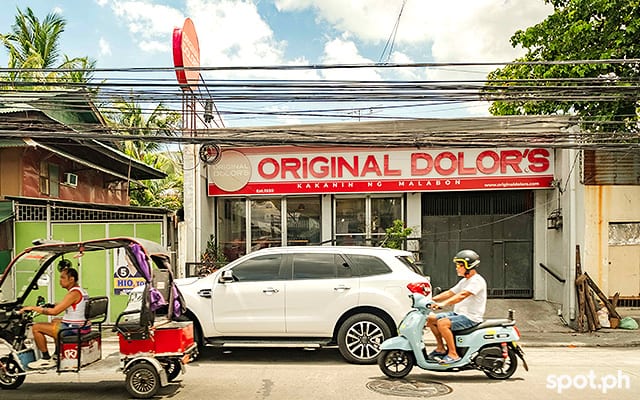
Anyone visiting Malabon who plans to try it for themselves, however, will find a perplexing sight when they head to the address along Governor Pascual Avenue: there are two Dolor’s Kakanin here, facing each other directly across the road—as close to the real-life equivalent of that one Spiderman meme as we’ll ever get. One is The Original Dolor’s Kakanin with its signature red box, and the other is simply Dolor’s Kakanin with its own white box.
Anyone visiting Malabon who plans to try it for themselves, however, will find a perplexing sight when they head to the address along Governor Pascual Avenue: there are two Dolor’s Kakanin here, facing each other directly across the road—as close to the real-life equivalent of that one Spiderman meme as we’ll ever get. One is The Original Dolor’s Kakanin with its signature red box, and the other is simply Dolor’s Kakanin with its own white box.
Click to Enlarge
Original Dolor's—one of two kakanin shops named Dolor's in the city. Photo by Majoy Siason.
Click to Enlarge
The offerings at Original Dolor's. Photo by Majoy Siason.
But which one is better? A difficult question, with Dolores Santos’ original recipe allegedly alive and well in both kitchens, and the cult followings each has built for themselves. Both, many people will tell you, are excellent: and that’s a good excuse to grab double the kakanin and give them a taste test.
Dolor’s Kakanin and The Original Dolor’s Kakanin are located at 19 and 14 Gov. Pascual Avenue, Malabon respectively.
7. See the legendary Rufina Patis Factory
Click to Enlarge
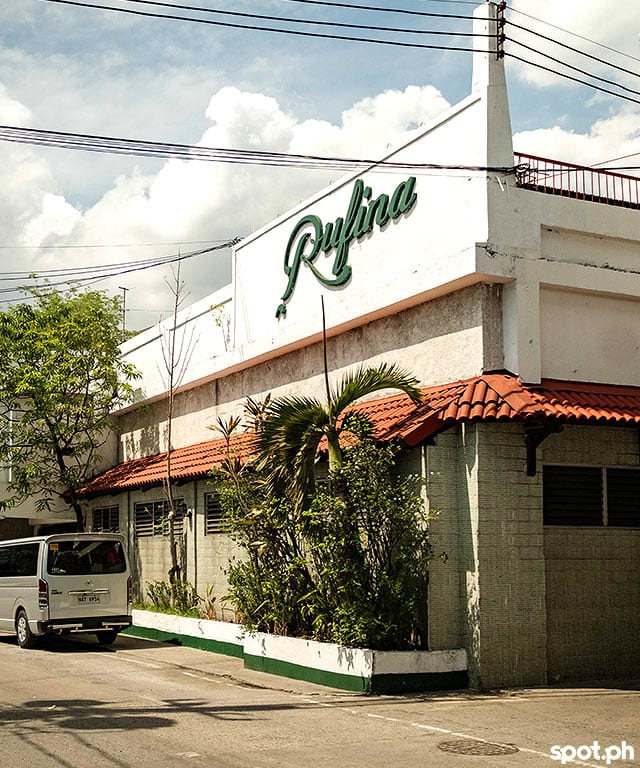
Founded in the 1940s by a tuyo and tinapa vendor. Photo by Majoy Siason.
With how essential its salty funkiness is in everything from tinola to nilaga, patis seems like it should have been omnipresent in every Filipino kitchen since the beginning of time. But did you know that the Philippines’ first and oldest patis brand was founded in Malabon only in the 1940s? The Rufina Patis factory, founded by tinapa and tuyo vendor Rufina Salao vda. de Lucas, still stands today along C. Arellano Street—and it still makes patis purely from the extract of fermented fish.
“This is different from [the brands] you find in the supermarket, which if you look closely, says ‘patis-flavored,’” notes Avila. “If you want to taste true patis, you come to Malabon and look for Rufina Patis or ‘puro’ at the market.”
While Rufina Patis may not hold the distinction of having invented patis, it definitely did start the million-peso industry, even being the first in Southeast Asia to meet strict food regulations and export abroad. That said, a lot of its bottles today are more likely to be found in the United States or in provinces—though you will often reliably find bottles of it sold at panciterias like Belen’s Kitchenette.
The Rufina Patis Factory is located at C. Arellano Street, Malabon.
“This is different from [the brands] you find in the supermarket, which if you look closely, says ‘patis-flavored,’” notes Avila. “If you want to taste true patis, you come to Malabon and look for Rufina Patis or ‘puro’ at the market.”
While Rufina Patis may not hold the distinction of having invented patis, it definitely did start the million-peso industry, even being the first in Southeast Asia to meet strict food regulations and export abroad. That said, a lot of its bottles today are more likely to be found in the United States or in provinces—though you will often reliably find bottles of it sold at panciterias like Belen’s Kitchenette.
The Rufina Patis Factory is located at C. Arellano Street, Malabon.
8. Eat one of the city’s best Pancit Malabon at Belen’s Kitchenette
Click to Enlarge
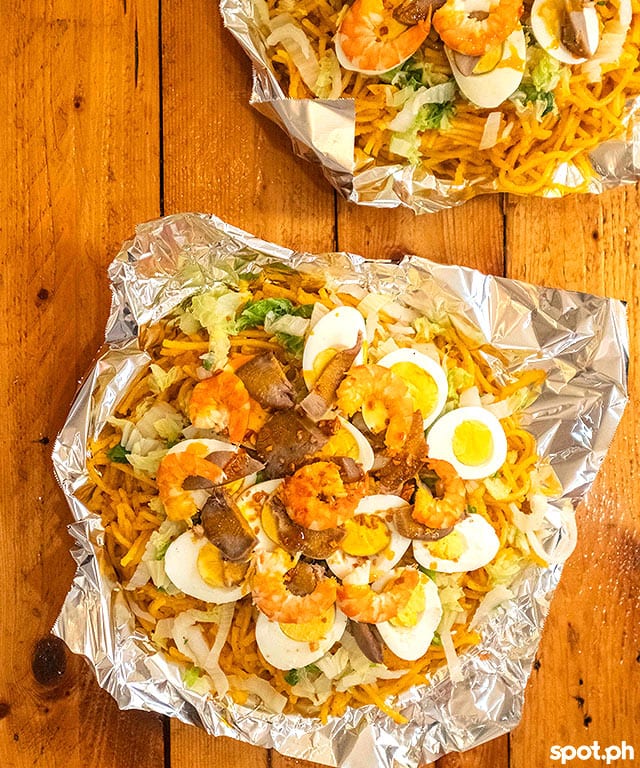
Pancit Malabon from Belen's Kitchenette. Photo by Majoy Siason.
Can you really say you’ve been to Malabon if you didn’t have its signature dish? Pancit, or it didn’t happen—athough you will admittedly be spoiled for choice, with so many spots in the running for the best Pancit Malabon in the city.
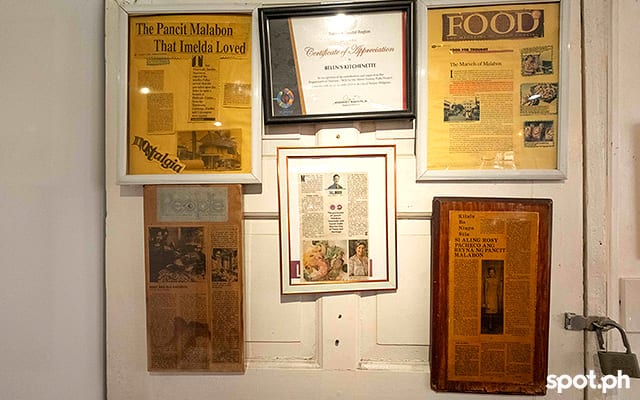
One of the names most often tossed into the ring is a humble little restaurant called Belen’s Kitchenette. In another life however, Belen’s was called Rosy’s—one of the biggest names, if not the biggest, in the pancit game. In the 1940s, Felisa Pacheco opened a small eatery named after her daughter Rosy, selling only Pancit Malabon and tokwa’t baboy. What she didn’t expect was locals, movie stars, and high society darlings alike flocking from the farthest reaches of the Metro for her food. By the time the 70s hit, First Lady Imelda Marcos, as well as notable families like the Tanchocos, Enriles, and Cojuangcos were regulars.
One of the names most often tossed into the ring is a humble little restaurant called Belen’s Kitchenette. In another life however, Belen’s was called Rosy’s—one of the biggest names, if not the biggest, in the pancit game. In the 1940s, Felisa Pacheco opened a small eatery named after her daughter Rosy, selling only Pancit Malabon and tokwa’t baboy. What she didn’t expect was locals, movie stars, and high society darlings alike flocking from the farthest reaches of the Metro for her food. By the time the 70s hit, First Lady Imelda Marcos, as well as notable families like the Tanchocos, Enriles, and Cojuangcos were regulars.
Click to Enlarge
Beloved by VIPs: Clippings that give proof to the panciteria's good reputation. Photo by Majoy Siason.
The panciteria closed down when Aling Rosy passed away in 2011—only to be revived again under the name of her sister, by her grandson and current owner Carlo Agustin. To this day, Belen’s Kitchenette stands on the same spot Rosy’s did, and it still serves the same heirloom recipe passed down four generations.
Think thick rice noodles, coated just enough in the most vibrantly orange sauce made of only the freshest crab fat and local patis, and then topped with equally fresh shrimp, eggs, Baguio pechay, and even ox tongue. Ask for oysters on top, and you’ll get them.
Click to Enlarge
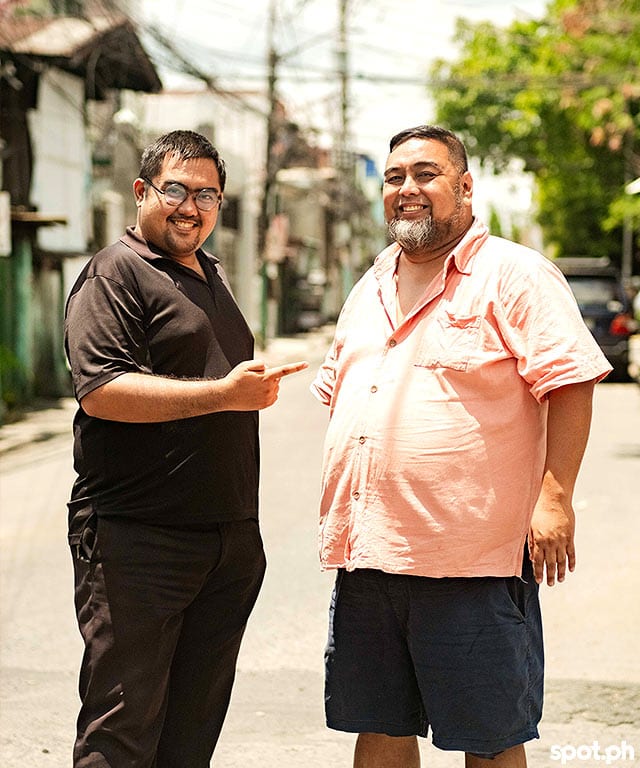
Tour guide Alex Avila and (right) Benjamin Canapi, founder of WanderManila tours. Photo by Majoy Siason.
“From its roots in fishing and livestock to practically being the origin of patis, Pancit Malabon is where our history all combines,” explains Avila. “And of course, naka-bilao—salu-salo dapat. Especially among fishermen, because no one fishes alone.”
He continues, “Here in Malabon, despite the harsh terrain, we always serve food for a lot of people. That sense of community in Malabon is ever present today, and it’s something we hope you rediscover along with its rich history and rich food.”
Belen’s Kitchenette is located at 57 A. Bonifacio corner Arellano Street, Barangay Flores, Malabon.
Learn more about WanderManila and its Re/Discover Malabon Tour through its official Facebook page.
He continues, “Here in Malabon, despite the harsh terrain, we always serve food for a lot of people. That sense of community in Malabon is ever present today, and it’s something we hope you rediscover along with its rich history and rich food.”
Belen’s Kitchenette is located at 57 A. Bonifacio corner Arellano Street, Barangay Flores, Malabon.
Learn more about WanderManila and its Re/Discover Malabon Tour through its official Facebook page.
Patricia Chong is a writer, collage hobbyist, and marketing girlie who talks about food as @pachoeats on Instagram.
You Might Also Like