Over 29 Courses, Sialo in Cebu Transforms SuTuKil, Sinugba + More
Chef and fashion designer Ronald Villavelez honors tradition while presenting the local cuisine in a new light.
by Vincent Ong
Published on Oct 27, 2025
Sialo
7A President Laurel Street, Cebu City
Contact: 0960-468-8829
Facebook: www.facebook.com/sialonewcebuanocuisine
Open from 12 to 3 p.m. and 6 to 10 p.m., Tuesday to Sunday
(SPOT.ph) Inventive tasting menus might have become de riguer for any high-end restaurant in Manila, especially when they’re vying for a Michelin star. They’re not as common in Cebu—and Sialo looks to be changing that. It’s one of the very few Cebuano-helmed restaurants that takes on Cebuano favorites in an inventive way, marrying its flavors with Western staples and techniques.
The restaurant on J.P. Laurel street was founded by Chef Ronald Villavelez, a fashion designer by trade known for his custom-made gowns under the label Ronald Enrico. Following a health scare, he made the decision to better his health by getting involved in the kitchen. The pandemic hit, then Odette hit. The latter literally cleared the garden behind his atelier, and that was when he decided to expand his craft by opening a restaurant—yes, right behind the atelier. The dining space itself is located in a separate building that’s home to an intimate white-table cloth restaurant with an open kitchen.
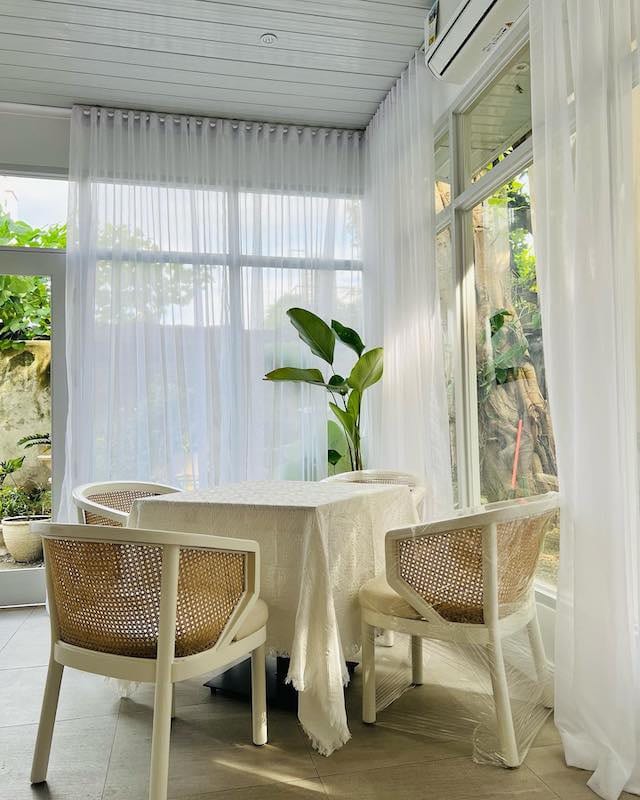
Sialo’s tagline is “local is luxury” as Villavelez believes in championing hyperlocal ingredients, going as far as to forage wild flora for his dishes. The chef draws inspiration from memories of the food and flavors he grew up with, along with his more contemporary experiences, and the local food culture of the present. “There’s so much of the Cebuano experience—local food and flavors, language, even Bisaya humor, poetry, oral history, music, and the milieu I grew up in—that help me create the dishes that we serve at Sialo. Essentially, it is my soul as a creative, as a chef, that goes into every dish on every menu,” Villavelez tells SPOT.ph. He also enjoys traveling, and has had the opportunity to dine at acclaimed restaurants around the globe. These likewise help shape his work today: "I've admired the techniques and surprises and food transformations they do at The Fat Duck and at Disfrutar; the bold flavors and upbeat vibe of Gaggan; the subtle but nuanced flavors and refinement of the Japanese chefs in Tokyo and Kyoto, to name a few."
Villavelez’s reimagined Cebuano dishes are best experienced through the full program—Sialo’s 29-course Handurawan tasting menu (P7,800). There are also 19- course (P5,800) and 13-course (P4,300) options for the time-bound. Creating a dish begins with him selecting ingredients he wants to highlight. “Then [I] build flavors on and around it, while building textures, aromas, et cetera. I love using science and food chemistry to help me do food transformations, create surprises, and create new flavor experiences for our guests.”
Sialo's reimagined takes on Cebuano food traditions
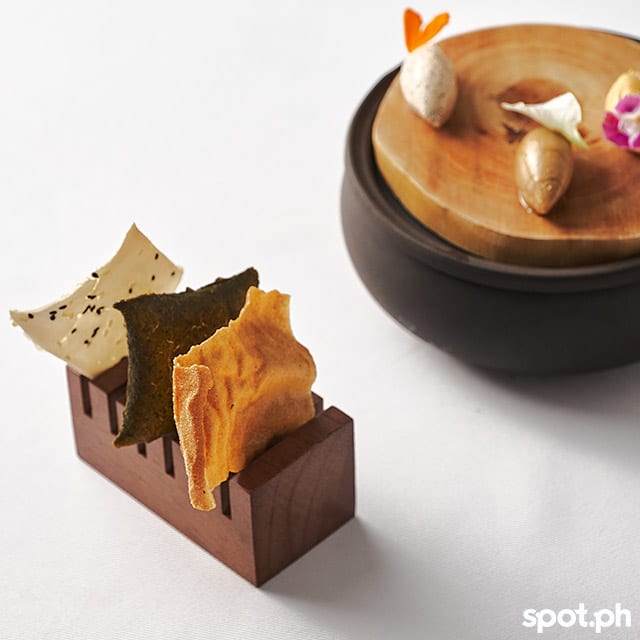
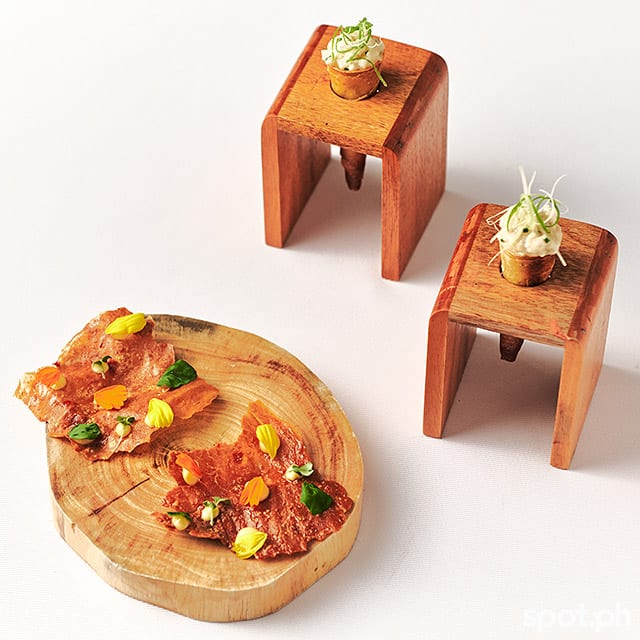
To make it easier to understand, Handurawan is broken down into five “acts,” each of which is described to be a “story within a story.” The first act, titled Karaang Dila, Bag-ong Timpla or Old Tongue, New Flavors, are appetizers that use Cebuano dishes as a starting point. Things kick off with the Rosas Pandan, a kinutin (cocktail) highlighting local white rum, rose, pandan, and calamansi. Sima-sima: Tulo ka Supas on the other hand is an ode to the Cebuano art of snacking, expressed here as a platter of three kinds of crackers made of adlai, kamoteng kahoy, and tinduganay (a heritage legume similar to monggo), respectively.

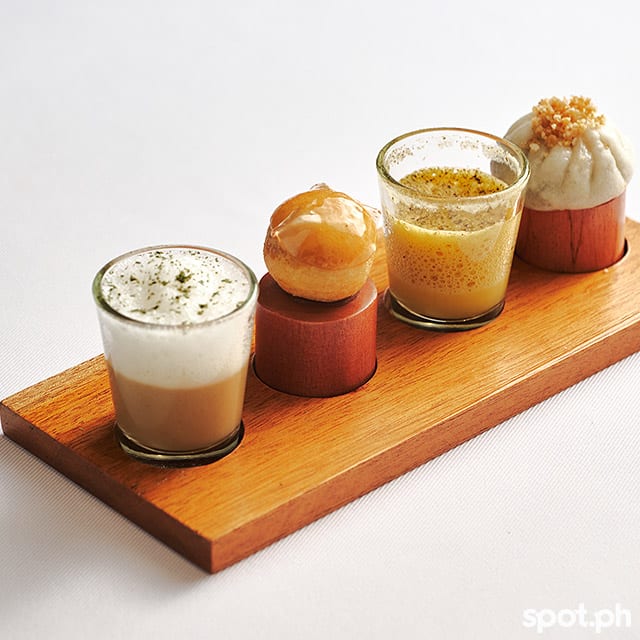
Especially memorable is the first act’s third course, Lumsan Sa Sabaw. The name is a cheeky Cebuano expression that can be taken literally here—it means to be Drowned in Soup, and likewise, four kinds of soup make up the course itself. There’s Papaya Soup, with papaya cooked with whisky, Moscato, and coconut; Balbacua, a one-biter with a chewy buñuelo exterior hiding an interior of unctuous, collagen-rich oxtail soup; Dinuldog, a well-balanced tonô (gata) and squash soup with a mild curry finish that's not quite traditional, but works beautifully nonetheless; and Dugo-Dugo, an aromatic take on pig’s blood stew encased in puto, which delivers the savory-sweet push-pull that everyone loves.
The second act is Kon Unsa’y Gipugas, Mao’y Anihon (What You Sow Is What You’ll Reap), a round of vegetable-driven plates that feels like a continuation of the first act thematically speaking. Within this act is what's Timo-Timo, made up of four plant-forward bites; a standout here is the Vegetable Humba, where unripe jackfruit takes the place of the traditional pork, and the whole mix is wrapped in a flatbread of jackfruit seeds to be held and bitten into like a taco. Worth looking forward to here, too, is the Pagbulak sa Adlaw (“the flowering of the sun”)—a multilayered number highlighting corn in different forms (corn mousse, a pickled corn puree, corn juice, and corn flour). Seryales fruit, which resembles cherries, is the star of the ravishing Mga Gihay sa Rosas along with pickled beetroot, goat cheese, and red wine gel. And then there’s Utan Bisaya, where the vegetables classically used in the soup of the same name forms the filling of a dumpling.
Things take an especially exhilarating turn as we enter Act III, titled Kay Nakalugsong Man, with “nakalugsong man” being an old term akin to the Tagalog nakaluwas na, implying one travels out and comes back with seafood and canned goods. Likewise, this act is all about seafood—and we dare say this is where Sialo shines the brightest. The restaurant finds ways to bring out the best of high-quality ingredients in this round, as opposed to banking on trying out new techniques or lofty concepts.
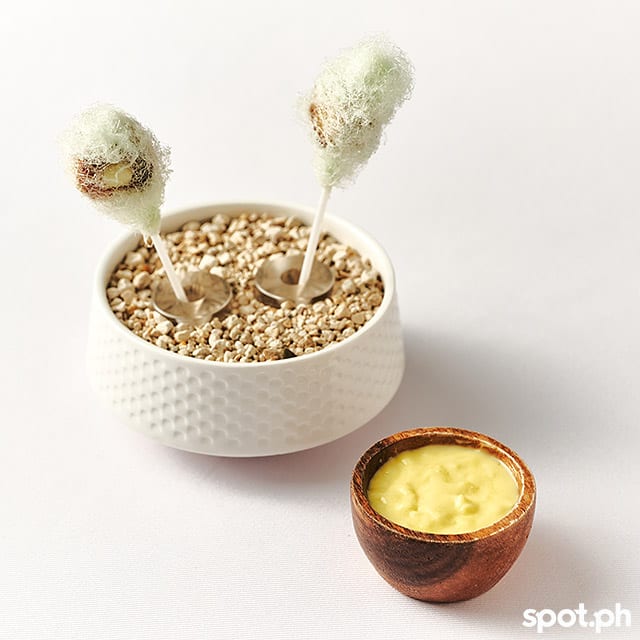
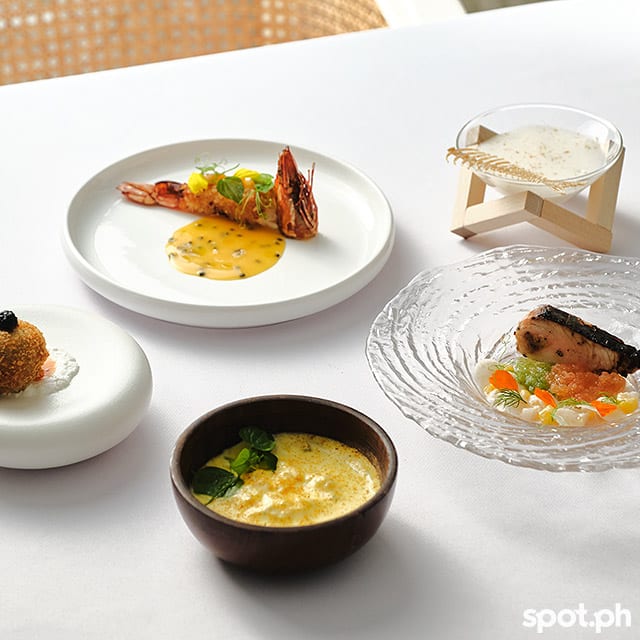
The Tulipsay Popsicle is a fun surprise, coming as a cotton candy stick that resembles the cattail plant from afar. But you would never guess what is inside: a piece of bacon-wrapped scallop, whose brininess and smokiness contrast beautifully with the cotton candy’s sweetness. Meanwhile, great-quality prawn is the star of the Tigmo sa Ukoy, which features dayap- and chive-kissed prawn tartare in an onion cone, served over a paper-thin shrimp cracker that’s rich, smoky, and potent on the taste of the shellfish. The crustacean continues to shine in Pansat sa Dagat, which has prawns kept rare, coated in crispy rice and accompanied by a passionfruit sauce. Worth noting is the natural sweetness of the prawns in these dishes, thanks to their use of wild-caught seafood.
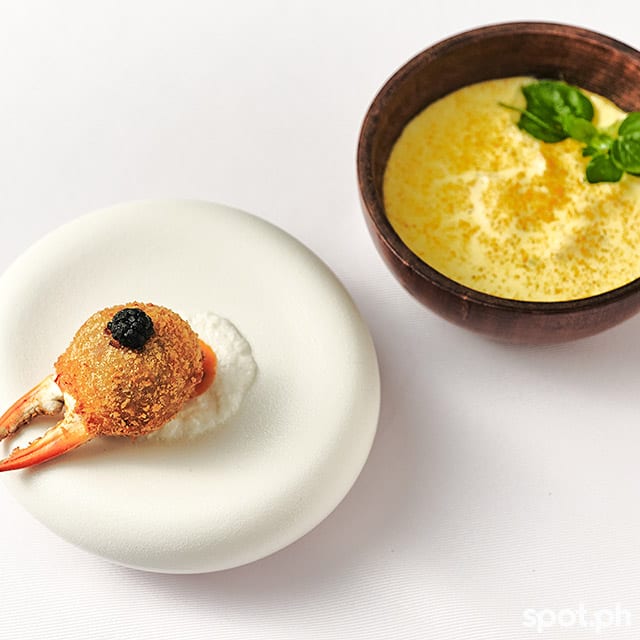
Sialo shifts the spotlight in the direction of crab in the Kasagaran Kasag. This is a course of two parts, the first being a round of crabcake whose spice-tinged interior is matched by the freshness of avocado, green apple, and singkamas. Its partner is a vessel of velvety crab fat chawanmushi topped with crab salad and a bright calamansi emulsion—be sure to get a little of everything as you scoop through for the full sensation. Last but not the least within the seafood act (and a Sialo mainstay) is SuTuKil, a showcase of three ancient and traditional Cebuano cooking methods, as applied to tanigue: sugba (grilled), tuwa (stewed), and kilaw (kept raw).
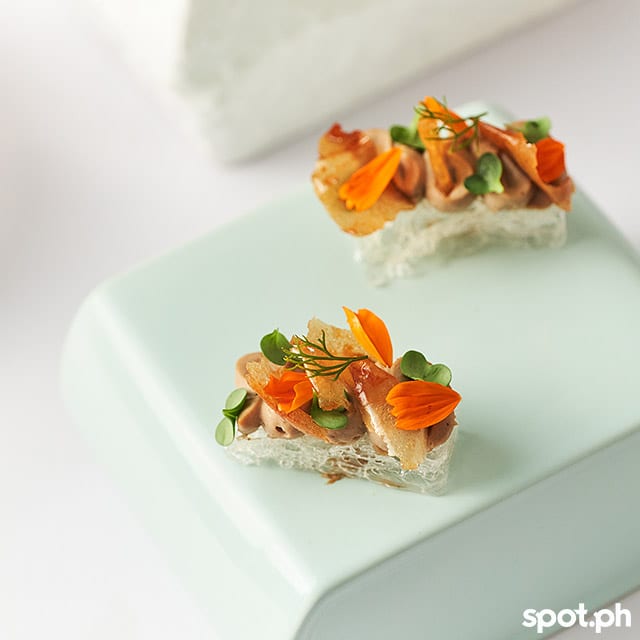
Act IV, called Sa Kabukiran, Lonlon ang Kalipay (In the Countryside, Life’s Full of Happiness), directs the spotlight toward meat. Gikan Sa Among Lagkaw is a suite of bites using farm-raised livestock, in flavor combos inspired by Cebuano viands but in reimagined forms—think crystal bread filled with adobong manok pâtè; a tartelette filled with aged local duck meat cooked sous-vide, flavored a la patotin; and a doughnut of goat meat cooked a la caldereta. The Nasaag sa Kalasangan: Takyong ug ang mga Lugas sa Kabilin is an homage to takyong—bush snails that live on native trees, and a source of free protein for the mountainfolk. The snail is cooked three ways to showcase its versatility: halang-halang with chili and coconut milk; adobado style, where it’s stewed with soy sauce, vinegar and coconut milk; and lugaw, or cooked into a warming porridge. Gibantog Na Buntog exhibits buntog or native quail—popular as seafood among locals—in the style of inasal. Here, the birds are marinated in miso, soy, annatto, and calamansi before being grilled to a smoky finish.
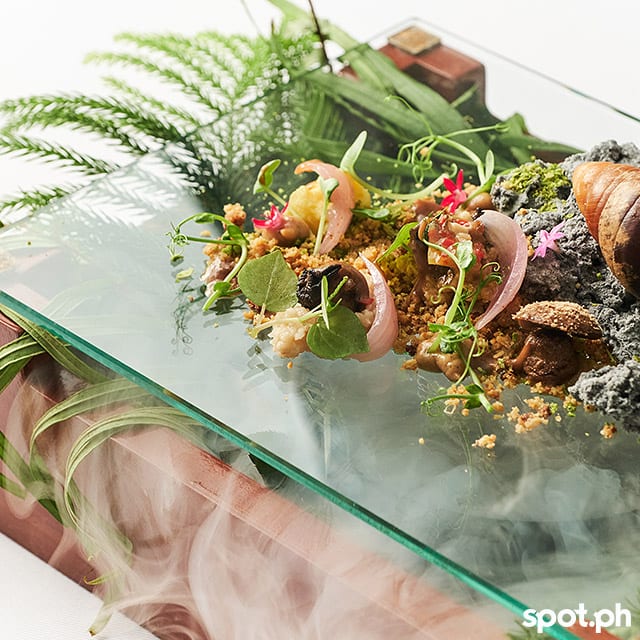
Notably, Sialo produces their own koji spores, which they then use to age some of their meats—a process that tenderizes the meat and lends a natural earthiness and umami that draws out the meat’s natural flavor. Best illustrating the magic of koji are the last two courses on this act: Sinugbaboy, with a juicy hunk of pork grilled over hot coals; and the Ma’os na Bistek, with beef in a glaze of beer and miso paired with pickled native onion, a konbu emulsion, and hay-smoked hollandaise.
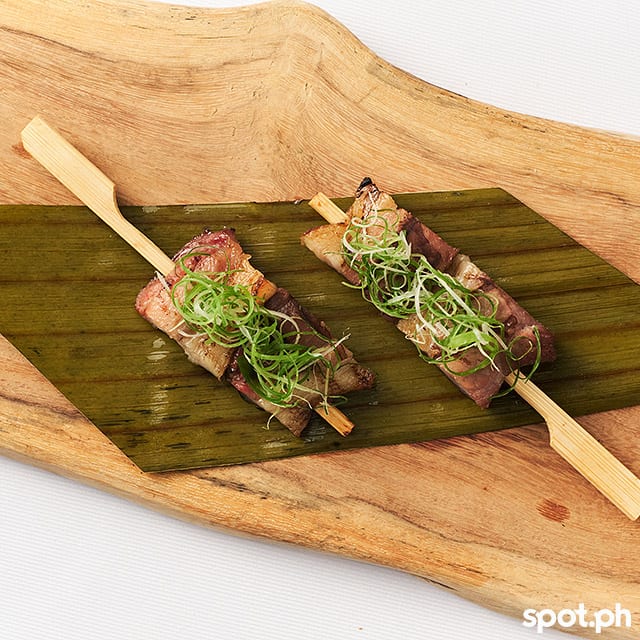
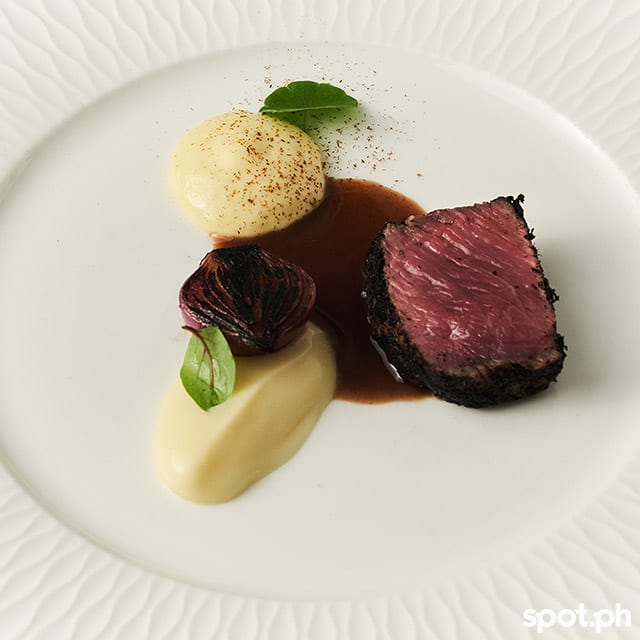
Their official dessert segment comes in the form of Act V, called Pamalandong sa Bugas na Tagbaynte (Meditation on the 20-Peso Rice) and featuring rice desserts brought to the modern realm. Most memorable in this chapter is the Biko Lunok, whose namesake typically refers to sweetened sticky rice the crunchy solids left after rendering the oil from coconut milk (lunok). Sialo takes the idea and, out of it, fashions an entremet with layers of pilit-tapol rice cake; crackly-caramelized peanut croustillant; a dreamy peanut praline mousse; and coconut-lunok molleaux for a nutty touch.
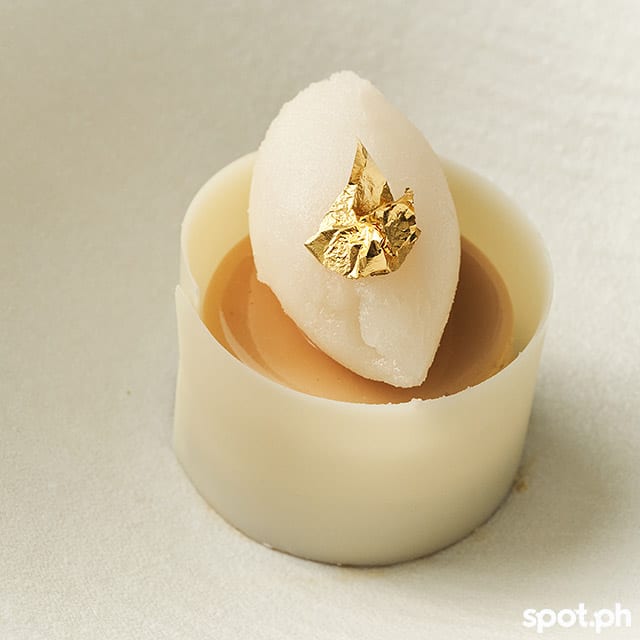
No doubt about it: Villavelez’s inventive takes on Cebuano dishes and show of technique are helping propel forward Cebu’s dining scene, and in turn, Filipino cuisine as a whole. Granted, bringing tradition to the present realm comes with the risk of erasing its origins—yet the chef is careful not to cross this line, and keeps the spotlight on tradition by continuing to tell the stories and inspiration behind the dishes on the lineup.
At the end of the day, it's all about illuminating the culinary traditions and flavors of his own culture for Villavelez. “I hold traditions with utmost respect, because I have lived and experienced them… tradition is what grounds me when reimagining or reconfiguring the classics,” Villavelez explains. “The idea is to give our guests a new and different experience with what you call local Cebuano flavors, while at the same time, giving them that sense of home—you know, taking them to that time and place in their memory.”
Photos by Zach Aldave
UPDATE (October 27, 11:39 p.m.): An earlier published version mistakenly referred to Villavelez by the name of his fashion label Ronald Enrico. These mentions have been corrected.