Taglish in Makati Gives the American Steakhouse a Filipino Touch
Chef Frances Tariga pays tribute to the two places she's called home.
Published on Aug 6, 2026
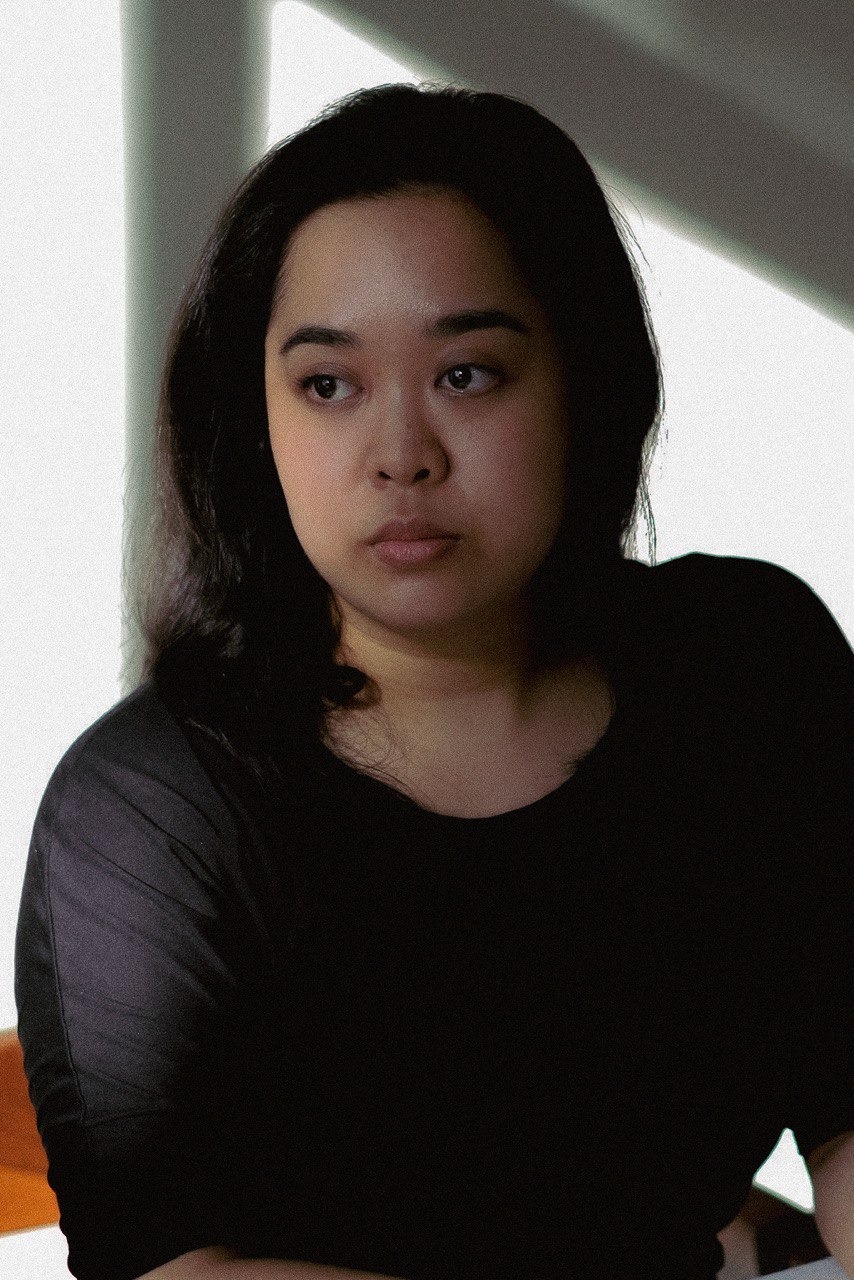
(SPOT.ph) Fresh from opening Tadhana just down the hall, Chef Frances Tariga is chomping at the bit to showcase everything she’s learned over the years. Taglish is, like the chef, a whirlwind of influences and references, refined by fire into something that requires little translation.
Where her previous concept is, by her own admission, a passion project-slash-love letter to the Filipino with aspirations (i.e., most of us, including herself), Taglish is more of an incidental autobiography. Her time in Dubai, the UAE, New York, and even the short couple of years back in the Philippines have all shaped what we’re presented with today. Picture it: local ingredients, international influence, and no clear borders between the two are about as Filipino as one can be.



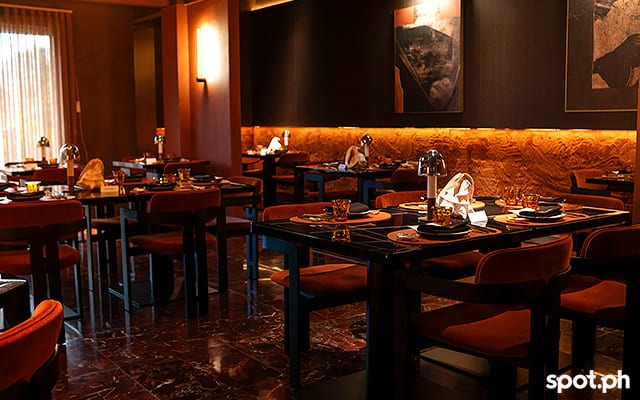

Still, Taglish follows the tradition of the great American steakhouses of yesteryear–the odd but obvious signals of opulence happened to be part and parcel of the space the partners of Taglish invested in. Fur-lined walls and burgundy marble are design elements that seem to have jumped right out of an episode of the original Dynasty, but like Joan Collins joining the cast, just add that much more to the fantasy.
And while I’m sure most of you don’t include salads in your fantasies, hear me out: The Crack Salad at this place will have even the staunchest of carnivores gunning for a clean plate. Hard not to when it’s covered in salty-sweet tocino bacon, sesame dressing and crispy onions, with slivers of a mild and creamy blue cheese plus whole teardrop peppers. The Hamachi Kilaw may be the salad’s perfect companion; tender and citrusy with a light heat to it from the jalapeño, all you’re missing is a main dish.
But we can’t go there just yet. A must-try is the Oxtail Humba Pot Pie, and it’s every bit as indulgent as it sounds. The meat has all but melted into the stew–the charred leeks are more recognizable in the saucy fray–and buried under whipped polenta. It could be the only thing you order, and you’d walk out happy… but we recommend you soak it up with the wonderfully flaky Goldfish Cheddar Biscuits. Inspired by traditional steakhouse/fried chicken house biscuits and, of course, Goldfish crackers, it’s a playful yet sophisticated addition to whatever combination of things you order.
“We went through a few versions of the biscuits before we got it,” says the chef. “Hindi naman tayo ma-biscuit dito, so I knew if I was gonna add it, it had to be tweaked to really wow a Filipino audience.” (Mission accomplished.)
Taglish brings together local flavor, global flair
When I tell you about the Gensan Tuna Porterhouse, you may think that something about it seems familiar. That’s because, like the pot pie, the shared resources and research between Taglish and Tadhana are not kept secret. “That’s how outside influences work in kitchens everywhere else, too,” Frances says. “You can’t separate ‘em, and it just makes your life harder when you try to. I don’t make my life hard na. Their identities as restaurants are pretty clear-cut.”

This slab of fish is an ode to the abundance of both talent and ingredients native to the Philippines. Fish is rarely thought of as hearty; this, with its tamarind-infused brown butter and fried, smashed capers, has all the makings of a solid solo main for two or three. It’s as much a credit to the hands in the kitchen as it is to Mother Nature, which is the tell of great cooking. Paired with the revelation that is the Whipped Gabi–perhaps superior to mashed potatoes, I said it–you’ll have perhaps the perfect dinner. (Of course, if you’re truly a meat-eater to the core, the Rib-eye is on the same level. Don’t ask for extra truffle butter, you won’t need it.)

Seafood continues to shine here in the Grilled Sulu Pugita–it’s a zesty, smoky thing with the pili nut gremolata and calamansi sofrito, rich and light and tender all at once. If you weren’t prepared to order rice, you will be now. With the side of grilled seasonal vegetables in a laing sauce, the chances of leaving this place the same shape you were when you entered rapidly approach zero.
Dotting the i’s, crossing the t’s
Was I looking forward to dessert at this point? No. But I still tore into the Baked Halo-halo because it was drenched in alcohol (like a Baked Alaska, of course) and tasted like Christmas Eve. The intricate meringue on its own was already a spectacle, but up in flames? You’ll need to do it at least once.
But for something more complex yet subdued, there’s the Sticky Langka Pudding. If you’re not a fan of the star ingredient in your turon, it’s not as in-your-face as it sounds; there’s a molasses-deep sweetness to this chunk of dessert that almost grounds you after the feast you’ve no doubt had, and the jackfruit in question adds a little lift to it.
“People will say it’s not Filipino,” says Frances as the photographer and I toddle after her in the kitchen. “It’s not. It’s not American, either. It’s Taglish.”
While I’m unsure why she anticipates naysayers–maybe it’s naive of me not to think of them–Taglish is the perfect name. Tagalog, among our many languages in the Philippines, baffles many who try to learn it; the rules are not like that of the European romance languages nor is Baybayin anything like the strokes of East Asian hanzi.
But English has incorporated and continues to incorporate itself into local speech, tangling the two up into a lingua franca that becomes its own thing entirely. Beyond the experiences that shaped Frances’ cooking, Taglish the language traces the patterns of migration and speech of modern Metro Manila–and so Taglish the restaurant puts that story on beautiful plates.
Photos by Vincent Bascos
If you’ve never been afraid of how much someone loves food, you’ve never met Michiko Manalang. She predictably has multiple cats; she less predictably can row 70 pounds.