(SPOT.ph) As a child, I tasted Manila through Doreen Fernandez. When she wrote about a new Peking duck place or reminded readers of a forgotten classic, my spendthrift mother would forget her Ilokano proclivities and spend on a good meal. When Doreen passed away, Mom took comfort in the fact that Clinton Palanca had carried forward his mentor’s legacy (my love of Makati’s Little Tokyo izakayas goes back to Clinton). I had a relationship with these palates.
Today, I hope young diners are learning from food lovers like Erwan Heussaff, whose lack of fluency in the Filipino linguistic tongue is matched only by his fluency in its culinary one.
Recently, a new critical voice entered the fray—an anonymous one well-versed in global fine dining standards but lacking the deep understanding of how we eat as a people. Its strength is cross-border comparison. The Michelin Guide insists that it applies a single standard everywhere. Which means Filipinos can claim that our own Josh Boutwood’s Helm (2 stars) is better than Daniel Boulud’s eponymous New York classic, Daniel (1 star).
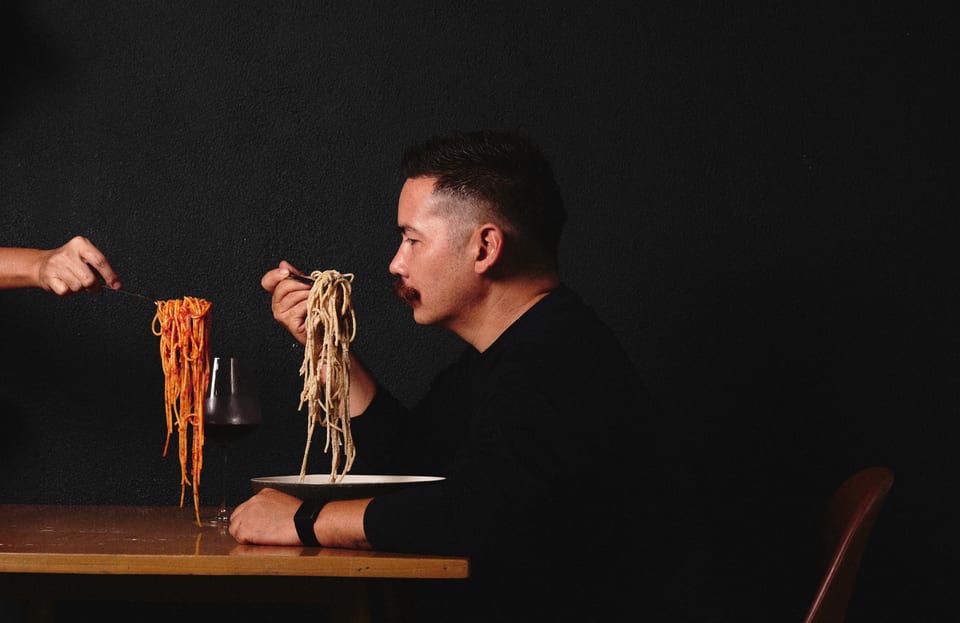
Yet a universal standard can lead to homogeneity. Despite claims to the contrary, the Michelin standard for stars remains tied to a style of haute cuisine rooted in Auguste Escoffier’s brigade system. Most two- to three-star menus look the same: snacks (tartlets or other finger foods), a light starter (maybe a garden salad or a crudo), a heavier starter (think terrine), seafood course, main (duck breast, pork loin, or ribeye), maybe two desserts, bonbons—and these days, something to take home (granola for tomorrow’s breakfast). The arch is quite simple: from light to rich to sweet.
It's Not in The Sauces
The problem isn’t just sameness, but also who defines quality. The Michelin style is a Eurocentric one often mastered by white men. Consider the absurdities: in 2019, Shanghai’s sole three-star restaurant was run by a Frenchman; today, the only one is helmed by a German. In Singapore, two of the city’s three three-star restaurants are led by French men, and the third by an Austrian man. All three serve French or European contemporary cuisine. This is Singapore—one of the most diverse and dynamic food cities on earth—and the pinnacle of its fine dining scene is French?
There’s a clash between “global” Michelin standards and the way we eat. One of my favorite meals was Claude Tayag’s lechon-centric tasting menu at Balé Dutung. That meal defied the conventional tasting menu and began with something rich and fatty: crispy lechon skin. The reason? Tayag’s menu is organized around how Filipinos eat and repurpose a pig rather than the crescendo of flavors favored of haute cuisine. We eat the skin, we move to the meat, we stew or paksiw the rest.
That same defiance of European pacing defines Jordy Navarra’s Toyo Eatery, where early courses can consist of empanadas with longanisa or their bracing three-cut pork barbecue. Fried fish comes after. Toyo is fine dining, but its flow feels more pulutan-bago-ulam rather than a gastronomic journey. And the restaurant is a gem, regardless of how many stars Michelin gives it.
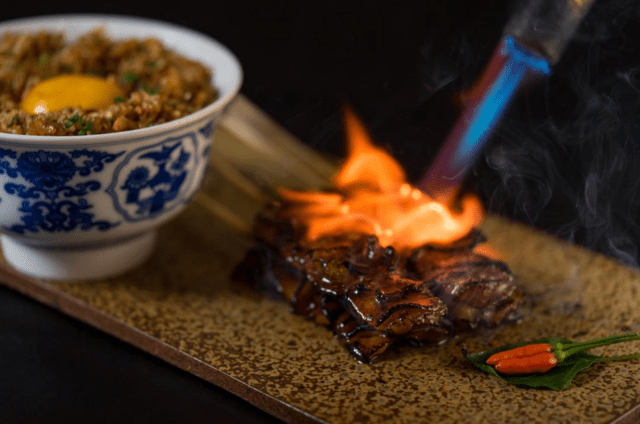
Yet the confidence a restaurant like Toyo displays is precisely what Michelin can misunderstand. For example, former inspectors have admitted to judging restaurants based on the complexity of their sauces—something even they admit is Eurocentric. But the complexity of Filipino food is not to be found in our sauces. We do not reduce, sieve, and refine to perfection. We rein in richness with suka, we dip in toyo, and we let the aggression of bagoong speak for itself.
Not that you can’t have complex Filipino sauces—Metiz’s (Michelin’s most egregious star snub) sauces can conjure tinola palabok in one lick. Still, I would not look kindly at a star-chasing Pinoy restaurant serving me a piece of A5 wagyu, with a server ceremonially spooning a jus over it, claiming that what I’m having is bistek.
So Where Do We Go From Here?
Chef Boutwood implicitly acknowledged the perverse incentives of having a Michelin guide when he said he had no plans of chasing a third star for Helm. I admire him for this. Perhaps he knows that a third star would require importing more ingredients, placing undue stress on him and his staff, and raising his already high prices. Such a restaurant would be the playground of elite tourists and politicians with DPWH contracts. Manila doesn’t need a French Laundry or a Per Se, three-star restaurants beloved by Michelin and tourists but ignored or even maligned by local critics.
So where do we go from here? Michelin is probably here to stay. And that’s not a bad thing; we do need to hold ourselves up to global standards. But we can’t afford not to talk back.
The tension between local relevance and global competitiveness is not new. When Rizal wrote a novela Tagala dedicated to his patria (the Noli), he studied Hugo, because he thought we could be just as good as the best in the world. And Hugo was even more French than Michelin.
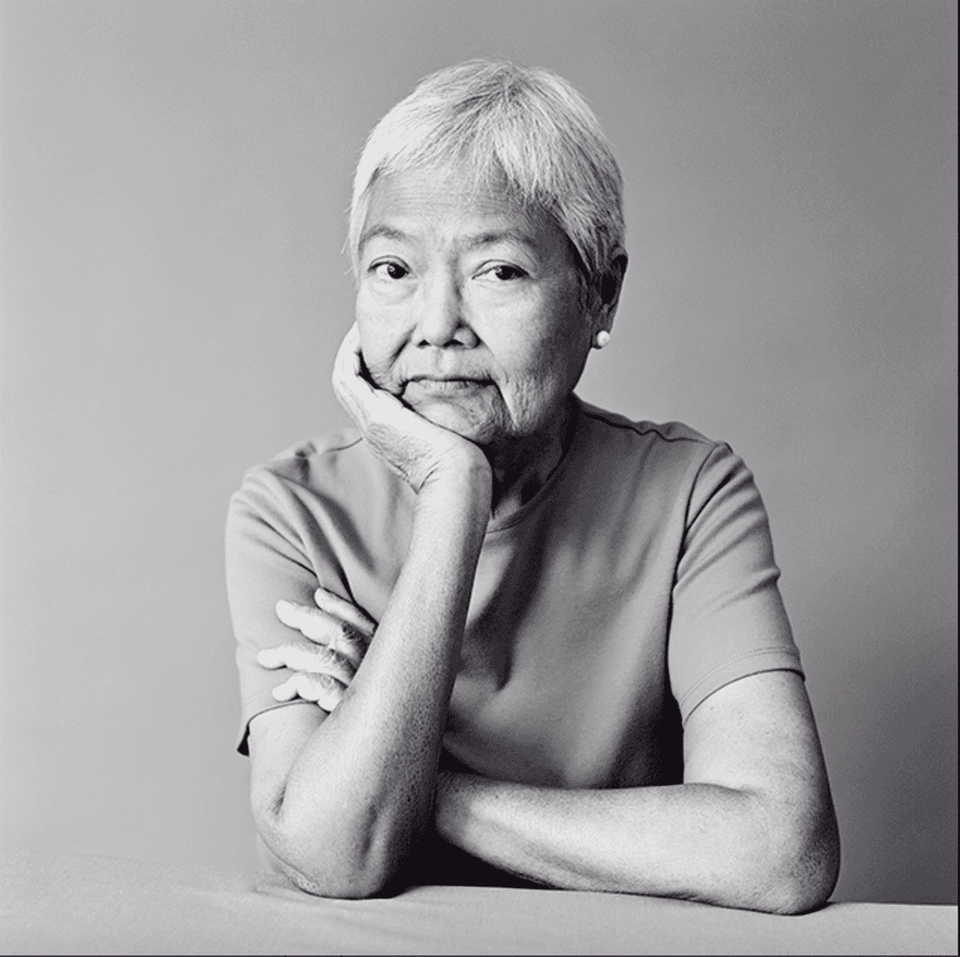
Reflecting on Rizal and Filipino literature, National Artist Resil Mojares once asked us to “reconcile ‘internationalizing’ and ‘nationalizing’ positions.” He challenged our writers not to be absorbed in the language of dominant outsiders, while also seeing the danger of ignoring the world.
What Mojares (the man who introduced me to my favorite Cebu lechon joint) says of our literary culture may also be said of our food culture. And the way we accomplish his vision is not just by growing our restaurant scene. It is also by growing our tradition of food criticism.
Critics like Doreen Fernandez and cooks like Nora Daza had highly cultivated palates—cosmopolitans who knew how other people ate. But their discoveries made their way back to the Philippines and were calibrated to our taste buds. Amid the arrival of Michelin, we need more voices like theirs, critics like Toni Potenciano, who penned a love letter to her city’s restaurants (with a QC bias at that!) for the global platformEater. Her best restaurants list—superior to Michelin’s—represents a locally rooted cosmopolitanism consistent with Mojares’s vision.
Every Pinoy diner should have a Doreen, a food critic they love, who teaches them how and what to eat—a critic they have a relationship with. If we had that, we would not need a Michelin guide. As food and wine critic Jon Bonné explains, “What if we behaved just like Parisians and just paid attention to relevant critics, while treating Michelin as the slightly worn and inappropriate country uncle it seems to want to be?”
In the future, we may even talk back to Michelin and establish an equally prestigious counterpart. The United States has its James Beard Awards; why not the Doreen Fernandez Awards? Like the Beards, the Doreens would represent the power of a community embracing its own.
The antidote to Michelin is not rejection. We will talk to the world. But we will also talk, write, cook, and eat for ourselves.
Lisandro E. Claudio is an Associate Professor of Southeast Asian Studies, the University of California, Berkeley.

Lisandro E. Claudio (@leloyclaudio on Twitter) is an Associate Professor at the Department of History, De La Salle University.