That 7 A.M. Coffee Run? It Might Not Be as Spontaneous as You Think
Understanding how influence actually works—from scrolling to spending.
You wake up, check your phone, and before you know it, you’re thinking about coffee. Not just any coffee—that café you saw on your feed earlier. It feels like a simple craving, something that just came to mind. But in a country as plugged in as the Philippines, that “random” urge might not be entirely your own.
For many cafés, the early hours between 7 a.m. and 10 a.m. are what the industry calls “dead hours.” The lights are on, staff are ready, and rent is already ticking. Foot traffic is slow, though. Most people delay their coffee runs until later in the day, making mornings a quiet stretch that businesses often learn to live with rather than fix.
But what if those hours aren’t fixed at all?
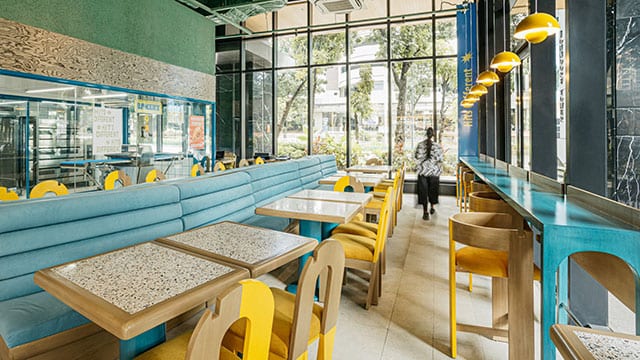
Filipino behavior has long been shaped by recommendations. Whether it’s a group chat deciding where to eat or a quick story repost from someone you follow, we tend to trust people over promotions. We respond to what feels familiar more than ads. That’s why the posts we see while scrolling in the morning can quietly shape what we do next.
This is where SaleSnap comes in. Instead of focusing on reach or impressions, the platform ties influence directly to action. Influencers and creators share time-bound offers with their followers, who can redeem them using unique codes. The idea is simple but significant: brands only pay when a purchase actually happens.
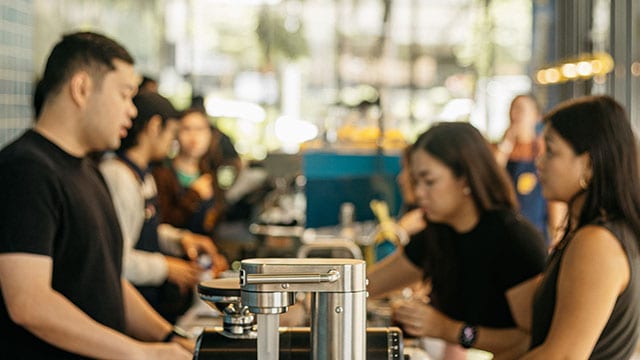
In Cebu, this approach was put to the test at Punched Coffee. During a short campaign, influencers consistently posted about the café during its quietest hours. What used to be a slow morning window began filling up with customers who arrived not just because of a discount, but because someone they trusted gave them a reason to go.
That distinction matters. Traditional deals often lead with price, hoping it’s enough to convince people. But in a recommendation-driven culture, it’s often the person behind the post that carries more weight than the offer itself. You’re not just responding to a lower price—you’re responding to a routine that someone you follow has already made feel familiar.
“Traditional advertising fills the air with impressions. SaleSnap fills businesses with customers. For cafés facing dead hours or any business with capacity to fill, the difference between paying for reach and paying for real customers is the difference between hope and results,” says SaleSnap Founder George Padin.
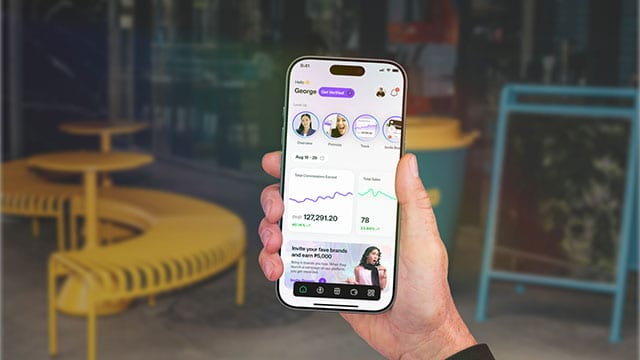
It also changes when people act. Influence isn’t only about deciding what to buy anymore; it’s about shaping timing. A post seen at 7:30 a.m. can turn into a coffee run by 8. What used to be a quiet hour becomes part of someone’s day simply because it was introduced at the right moment, by the right person.
In that sense, your habits don’t exist in isolation. They’re part of a larger system where businesses are trying to make better use of time, and where attention—already abundant—is being redirected rather than created. The choices feel personal, but they’re often guided by subtle cues you encounter along the way.
So the next time you find yourself heading out for an early cup of coffee, it might be worth pausing for a second. Was it just a craving—or was it something you saw, something shared, or someone you trust?
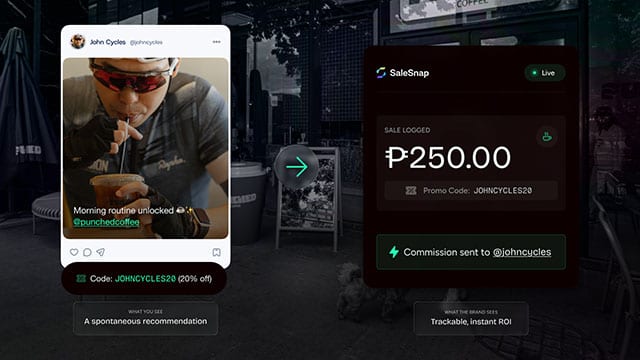
Curious about how this works behind the scenes? Learn more about SaleSnap through their website and social pages. It offers a closer look at how influence, when tied to real behavior, can shape not just what we buy—but when we decide to show up.
This article was created by Summit X in partnership with SALESNAP.