Spot Out of Town: Exploring Nagsasa Cove in Zambales
Escape to this secluded cove just four hours away from Metro Manila.

by Leana Vibal
Published on Jun 8, 2026
(SPOT.ph) We need one last beach trip before we fully surrender to the rainy season. Sure, the familiar shores of Batangas and La Union are always there when the city starts to feel too busy. But this summer deserves a proper send-off—the kind you look back on during stormy afternoons, when the sound of rain against your roof makes you miss the sun, sand, and sea a little more.
We found the perfect place. Just four hours away from Metro Manila lies a secluded cove where the sky, the sea, and the mountains quite literally meet. Known for its ash-colored, agoho-lined shoreline, this spot feels a world away from the city, even though it's just four hours away from Metro Manila. It's also a good place to spend slow mornings by the shore, afternoons exploring the nearby mountains, and evenings under a blanket of stars.
For this edition of SPOT Out of Town, we’re making our way to Nagsasa Cove in Zambales for one last sunny hurrah before the rain clouds settle for the next few months.

Table of Contents
What to expect in Nagsasa Cove
Nagsasa Cove is one of the many secluded beach getaways tucked along the coast of Zambales. It may not be as well-known as neighboring Anawangin Cove, but that’s part of its charm—it’s quieter, less developed, and feels a little more off the grid.
Its remoteness is also why many first-time visitors mistake it for an island. While reaching the cove requires a boat ride from the coastal barangay of Pundaquit, Nagsasa is actually part of the mainland. It's sandwiched by the West Philippine Sea and the rugged mountains of Zambales, including peaks such as Mt. Bira-Bira, Mt. Naulaw, and Mt. Cinco Picos. The mountain range effectively cuts the cove off from easy road access, leaving visitors with two options: a demanding traverse through the mountains or the much easier 45-minute boat ride from Pundaquit Beach. Unsurprisingly, most beachgoers choose the latter.

No matter how you get there, Nagsasa rewards the journey with breathtaking panoramas: agoho-lined shores, rocky coastlines, and towering green mountains meeting the sea in one dramatic sweep.

But these postcard-worthy scenes weren't always like this. Much like most of Zambales and Pampanga, Nagsasa Cove was shaped by the 1991 Pinatubo Eruption. What was then a thriving Aeta rainforest village was blanketed by a thick layer of ash, killing most of the vegetation and coral reefs in the area. After many years, nature healed itself as it does. Soon enough, agoho trees (often mistaken for pine trees) grew along the sandy shores, and bamboo and grass covered the mountains. It's this vegetation that gives the surrounding mountains their signature verdant hue during the wet season, which then turns into fields of gold during summer.

Nagsasa Cove isn't just secluded because of geography; it's also blissfully detached from most of the modern world. A visit to this beach enclave is a chance to return to basics and simply enjoy nature's beauty. Before the pandemic, travelers who visited Nagsasa Cove recall seeing nothing but sand and agoho there. There was no continuous electricity for most of the island, nor was there any plumbing or cell reception. Quite literally, heading to Nagsasa Cove in the 2010s meant roughing it outdoors and being off-grid in every sense of the word.
Today, there are more structures, campsites, and a full resort on the island, but it's still pretty rustic, just with a few creature comforts. There's only one spot with 24/7 electricity and Wi-Fi, and there are now small sari-sari stores with basic goods, but other than that, if you want to go off the grid for a couple of days, this is still the spot for you.
What to do in Nagsasa Cove
The best thing to do in Nagsasa Cove is... nothing. The cove is beautiful and offers a much-needed respite from the rush of urban living, but we know many of you would still be itching for things to do nearby. So if complete beach bumming isn't your idea of a good time, here are some pocket activities you can enjoy around Nagsasa Cove.
Rent a paddleboard, a kayak, or a jet-ski and enjoy the calm water

Because the beach sits within a naturally sheltered cove, the waters along Nagsasa’s shoreline are usually calm and gentle, making them ideal for swimming, kayaking, and paddleboarding. Many campsites and resorts offer kayak and paddleboard rentals, typically starting at around P800 per hour. For the best experience, head out early in the morning when the tide is higher and the water is deeper. By afternoon, the tide can recede dramatically, leaving you to paddle much farther from shore before reaching water deep enough for a smooth ride.
There are also other water activities like jet skiing and banana boat rides you can partake in. But TBH, given how serene the vibe is in Nagsasa Cove, kayaking and paddleboarding seem like a better fit.
Enjoy the sandy beach
Nagsasa Cove may not have the powdery white sand often associated with Philippine beaches, but its distinctive ash-gray shoreline has a charm of its own. The sand is fine and soft underfoot—not coarse or rocky like many darker-colored beaches—making it perfect for long walks, lazy afternoons by the shore, sunbathing, or a game of beach volleyball.
If you’re feeling a bit more adventurous, ATV rentals are also available, letting you cruise swiftly along the cove’s roughly one-kilometer stretch of beach from one end to the other.
Trek the nearby peaks

You don’t have to tackle the full Zambales mountain traverse to enjoy Nagsasa Cove from above. Lucky for you (especially if you check in at Marahuyo Cove resort), a small hill beside the property offers an easy climb and a rewarding view. It’s more of a steep walk than a proper hike, but once you reach the top, you’ll be treated to a sweeping panorama of the cove: its still sea, towering mountains, and the ash-gray, agoho-lined shoreline—the whole shebang all included.

The grassy slope also makes for photos with a rugged, outdoorsy feel. Keep an eye out for the island’s resident dogs, too. They’re friendly, harmless, and often accompany guests on the way up.
Early birds can climb the hill in the morning for a nice, clear view of the mountains as the sun rises. Alternatively, it's also a spot to enjoy the bright orange sunset as the sun goes down over the West Philippine Sea.
Have a boodle fight during sunset

If you're staying the night at Nagsasa Cove, whether you're camping out at the campsites or staying at Marahuyo Cove Resort's rooms, we recommend booking Marahuyo's seafood boodle fight just in time for sunset. You can request the team to set up your boodle fight by the shore and have an early dinner as you watch the plunge down the horizon. They even have a bonfire setup available upon request, where you can roast marshmallows and make s'mores by the seaside.
Marahuyo Cove's seafood boodle fight package starts at P7,488. For this rate, you get a set meal that’s good for five people. which includes a wide assortment of cooked seafood, including buttered shrimp, steamed crab, grilled stuffed squid, and grilled tuna. There’s also a serving of grilled liempo, a side salad of salted egg and tomatoes, a fresh fruit platter, a buko pandan dessert, and a pitcher of juice.
Swim in the nearby river

Right behind the resorts and a little further down the one-kilometer beach strip, you'll find a body of water flowing into the ocean. This river delta flows through much of the cove and features clear, brackish water that's about waist-deep in the morning (high tide) or about ankle to knee-deep in the afternoon (low tide). Regardless of when you stumble upon this part of Nagsasa Cove, you can swim and vibe here, surrounded by the mountains.
Chilling here is a great way to cool off and rinse off the saltwater and sand if you swim in the ocean. Plus, if you visit during an overcast day, the vibe transforms. It's less of a tropical island, a bit more like a deciduous forest in the mountains during autumn. Think: Taylor Swift's Folklore album cover, but in full color.

Take a beautiful photo of the night sky
On a clear night, with the right photography equipment, you can take beautiful panoramic photos of the night sky set against a dramatic mountainous backdrop. Fair warning, you might have to stay up late to capture photos like this, but they're well worth the trouble.
Pro tip: download offline star maps and stargazing apps on your phone. These apps can help identify what is visible in the night sky based on location and time. This way, you can impress your friends even more by being able to identify constellations and galaxies visible in your photos.
How to get to Nagsasa Cove
The nearest town to Nagsasa Cove is Pundaquit, San Antonio, Zambales. The area is roughly four hours away from Metro Manila by land.
By Car

Getting to the Nagsasa Cove jump-off point is relatively straightforward. From Metro Manila, take NLEX and continue onto SCTEX toward Subic, then follow local roads to San Antonio, Zambales.
For navigation, you can simply pin Pundaquit Beach on Waze or Google Maps. Better yet, check with your resort or campsite before your trip, as many have partner properties in Pundaquit where guests can leave their vehicles overnight. Parking rates vary depending on the property, so it’s best to confirm in advance.
By Bus
Alternatively, you can also take a bus from Metro Manila to Santa Cruz or Iba, Zambales. Ask your driver to drop you off at the San Antonio Public Market. From there, you can take a 15 to 20-minute tricycle ride to Pundaquit Beach. A bus ride will set you back around P500 one way. It's an economical way to get to Nagsasa Cove especially if you're traveling solo.
From Pundaquit Beach, it's another 30 to 45 minutes by boat to the cove.

Generally, you can arrange for a boat transfer with the resort or campsite you are staying at. They usually coordinate with boatmen in Pundaquit who can bring you to Nagsasa Cove starting at about P650 per head (give or take).
Fair warning, you will be taking an outrigger boat, so you will definitely feel the movement of the seas when on board. Make sure to take seasickness medication if you need it, as the water can get rough, especially in mid-day. Best to travel to Nagsasa Cove early for a smooth sailing journey.
Where to stay in Nagsasa Cove
Marahuyo Cove Resort

Most travelers associate Nagsasa Cove with camping, bonfires, and sleeping under the stars. But Marahuyo Cove Resort offers a different way to experience the destination. Here, you still get the rugged beauty and laid-back charm that make Nagsasa special, but with a few welcome creature comforts thrown into the mix. If you’re not quite ready to rough it out in a tent, this is the place to book.
Marahuyo Cove offers a variety of accommodations for groups of all sizes. They have an air-conditioned kubo and beachfront rooms that can accommodate up to six people, teepee fan rooms that can sleep up to three, a family room for groups of up to 10, and a hilltop house for up to four guests. Depending on the room type, you might have your own toilet and bath, but the property's shared facilities are also well-maintained and have a continuous water supply.
They also have a shared kitchen with grills and butane stoves that you can rent if you bring cooking supplies. There's also a pool, where you can continue swimming long after the sun sets.

But more than having kubo rooms and beachfront houses, and a pool, what sets Marahuyo Cove apart is that they're the only property in Nagsasa Cove with 24/7 electricity, thanks to the property's investment in solar power. Aside from that, Marahuyo also has Wi-Fi courtesy of Starlink. So yes, you're in a secluded place, but you have small luxuries to fall back on if you're not ready to go entirely off the grid.

If you aren't staying overnight, Marahuyo Cove Resort also welcomes day tour guests for an entrance fee of P350 per head. Rent a beach hut or open kubo starting at P1,500 or spend P3,000 for a beachfront hut.

Marahuyo Cove Resort is a full-service property. This means that when you book your accommodations here, you can also arrange your boat transfer, meals, and activities with the same team. No need to book with different operators or talk with different contact persons. Booking with them is a convenient way to arrange everything you will need for your day tour or overnight stay.
Overnight Rates at Marahuyo Cove start at P4,188 per night, with an additional boat charge starting at P650 per head (depending on group size). For more inquiries and their best available rate, contact Marahuyo Cove Resort on Instagram.
Recommended itinerary when visiting Nagsasa Cove from Metro Manila
No road trip is complete without a few well-timed stopovers. Whether you’re stretching your legs, making a quick restroom break, or hunting down a good meal, the best drives are often about more than just getting from point A to point B. With that in mind, we’re sharing our recommended road trip itinerary from Metro Manila to San Antonio, Zambales—complete with some of our favorite food stops along the way. Consider it your cheat sheet for making the journey just as enjoyable as the destination.
Depart Metro Manila
We're starting our journey to Zambales early. It's best to cross the sea headed to Nagsasa Cove in the morning, as the waves tend to be smaller and kinder before midday. The drive to Pundaquit takes about four hours, give or take a 30 minutes if your group takes frequent rest stops. Leaving at 4 a.m. gives us enough time to stop for breakfast, go to the market for last-minute essentials, and get to the Pundaquit jump-off point all before 10 a.m.
Stopover for breakfast at Subic's Hometown Cafe


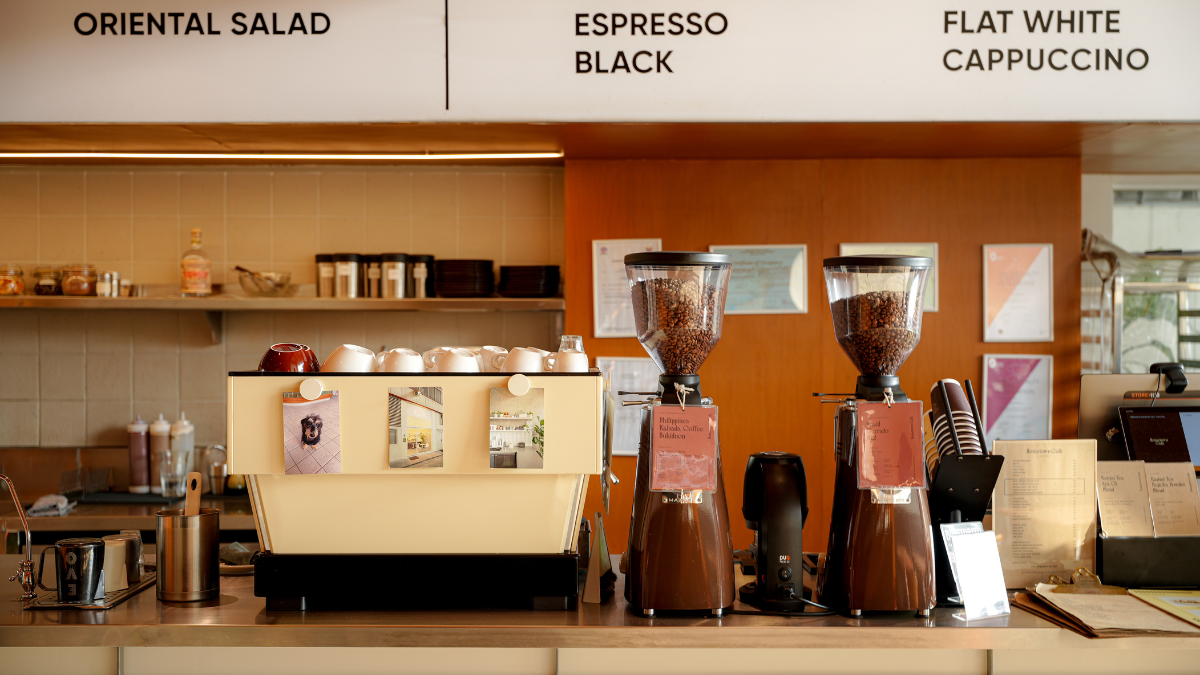

While it may be tempting to grab breakfast via takeout or drive-thru, we recommend holding off until Subic to break your fast.
Hometown Cafe Subic opens early, around 7 a.m., and it's barely a detour on the way to Pundaquit, making it the perfect breakfast stop. Matcha lovers might know this spot for its extensive matcha menu from Kamai (formerly Jacque & Matcha), making their Matcha Banana Bread Latte or the classic Matcha Latte a non-negotiable. But there's so much more to Hometown Cafe than just their green drinks.
Hometown Cafe Subic also has an extensive coffee menu, with signatures like the Zambales Sea Salt Latte, but if you want to explore the menu's hidden gems, go for the Coco Cold Brew for coffee and Cascara Yuzu for non-coffee.
The brunch menu is packed with comfort food favorites, whether you’re craving Eggs & Toast, Chicken & Waffles, Bacon & Pancakes, or a hearty silog. But if you’re only ordering one or two dishes, make them the Corned Beef—made with chunky house-cured corned beef—and the Mushroom Burger Steak, topped with a rich, savory gravy you’ll want to mop up to the very last bite.
Continue drive to Pundaquit, San Antonio, Zambales
After grabbing breakfast (and some takeaway), it's time to continue on your way to Pundaquit. From Subic, it's only about an hour to Pundaquit Beach.
If you're planning on cooking your food on the island, make a stop at the San Antonio Public Market. Here you can grab any last-minute essentials before you set out for the cove. Remember, it's a 45-minute boat ride from Pundaquit Beach to Nagsasa Cove, so it won't be practical to go back and forth if you forget to buy something. Though there are sari-sari stores on the island, items on sale are typically the basics and come with a heavy price tag.
Arrive at Pundaquit Beach and board your boat to Nagsasa Cove

Enjoy Nagsasa Cove

Check out of accommodations and leave for Pundaquit Beach
Most resorts and campsites schedule their check-out times from 9 a.m. to 11 a.m. You can opt to leave the island as soon as you check out, or you can make arrangements with your boatman to extend your stay as a day tour guest until around 4 p.m.. This schedule is right before low tide and when most day-tour guests leave Nagsasa Cove.
For our itinerary, we want to get home to Metro Manila in the early evening and make a few stops along the way. A checkout time of 10:30 a.m. is generally a good time, leaving you enough time to enjoy Nagsasa Cove in the morning, and still get to Pundaquit Beach right before lunchtime.
Leave for Subic

Once you arrive back at Pundaquit, it's time to pack up. Double-check all your things and make sure you leave nothing on the boat.
Since we stayed overnight, we availed of overnight parking at Marahuyo Cove's partner property in Pundaquit. This allowed us to park our car safely while we enjoyed Nagsasa Cove. Most campsites have their own parking spaces in Pundaquit, so make sure to ask and make arrangements for your vehicle when you book. Overnight parking costs around P250 per car.
Stopover for lunch at Indochine Subic

Indochine is a bit of a detour on the way back to Manila, but trust us when we say this stop is worth it.
Stopover at this villa-style restaurant for lunch and fill up on expertly cooked steaks, charcuterie, and a well-curated wine selection. It's not hard to order at Indochine, especially when everything feels like it's been cooked straight out of a French kitchen. Don’t miss the rich garlic-butter escargot and the crab-stuffed ravioli, two standout dishes that make the drive well worth it. (We're still thinking about that ravioli to this day). Before leaving, browse the small deli counter for cheeses, cured meats, and pastries to take home.
Stopover for merienda and coffee at DŌFI in Pampanga
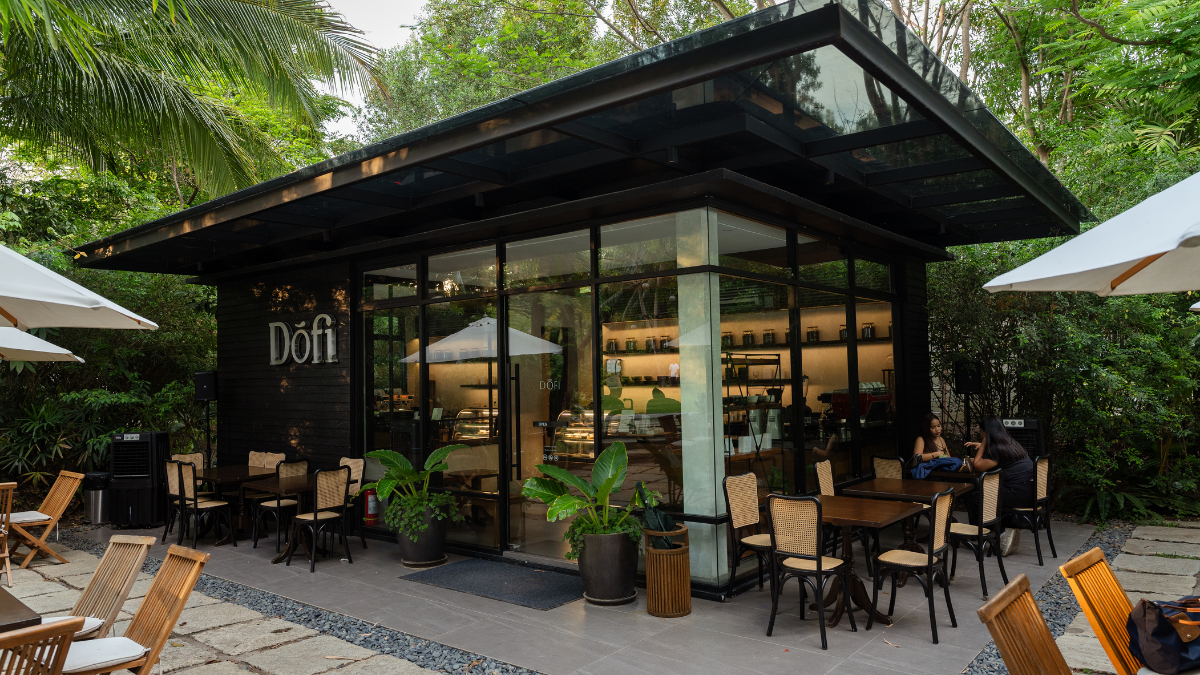
Take this from the trip's designated driver: You need this coffee break. The drive back to Manila is going to be a long one. If you follow our itinerary, you're about to traverse the North Luzon Expressway right at the brink of rush hour—and believe us, there's nothing more boring (and infuriating) than a slow drive on a not-so-express expressway.
Make a quick pit stop at DŌFI at Ardesia Resort in Angeles for a pick-me-up. It's not exactly along the expressway, and you'll have to make quite a detour at Clark. But if you get here in the late afternoon until just before sunset, you'll get to enjoy this garden oasis at its best.
Make the detour count by lingering over a good cup of coffee. DŌFI’s menu ranges from crowd-pleasers like the Salted Cream Latte and Strawberry Matcha to a selection of pour-over coffees featuring beans from different origins. If you’re feeling peckish before the final stretch home, its sister restaurant, Ardesia by Sage, is just across the courtyard with pasta dishes and hearty mains that’ll keep you fueled for the drive back to Manila.
Back in Metro Manila
Nagsasa Cove may feel worlds away from the city, but getting there is easier than you might think. Just four hours on the road and a 45-minute boat ride stand between you and sweeping mountain views, crystal-clear waters, and one of Zambales’ most picturesque stretches of coastline. Whether you’re planning one last beach trip or saving ideas for the next dry season, Nagsasa Cove is well worth the drive—and the boat ride—from Metro Manila.
Also read: Spot Out of Town: Where to Eat In Nagsasa Cove + Delicious Detours Along the Way
Leana is Spot's go-to for Arts & Culture and Things to Do. On any given day, she’s either glued to her screen—or gliding underwater like the mermaid she swears she is. Contact: leana@spot.ph