Leo Sea House Goes the Italian Direction in New Menu Using Fresh Catch from Panay + Capiz
This menu is the restaurant's homage to the late Chef Margarita Forés.
by Pao Vergara
Published on Nov 8, 2025
Leo Sea House
339 E. dela Paz Street, Sto. Niño, Marikina City
Facebook: www.facebook.com/leoseahouse
Open from Wednesday to Sunday, with seatings at 6:00 p.m. and 8:30 p.m. Reservations required.
(SPOT.ph) “Kinilaw is fruit of pristine nature, healthy because of it," Doreen Fernandez wrote in 1990. “ The sea-going Filipino knew the value of freshness. An ethos of freshness, a kinship with the environment, has led to one of the best and truest foods of our culture.”
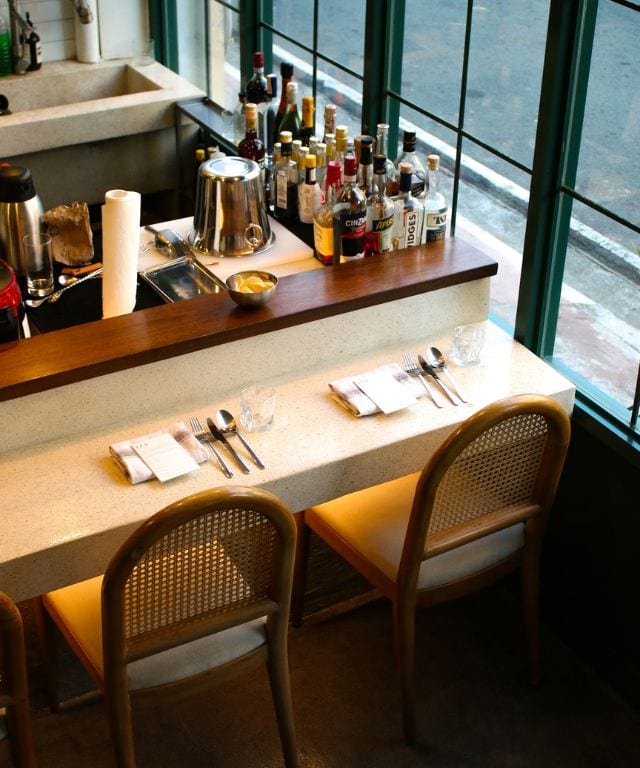
This spirit of highlighting good, fresh seafood is embodied by fine dining restaurant Leo Sea House since it opened its doors in 2022, tucked away in an unassuming residential and school zone near the Marikina city center.
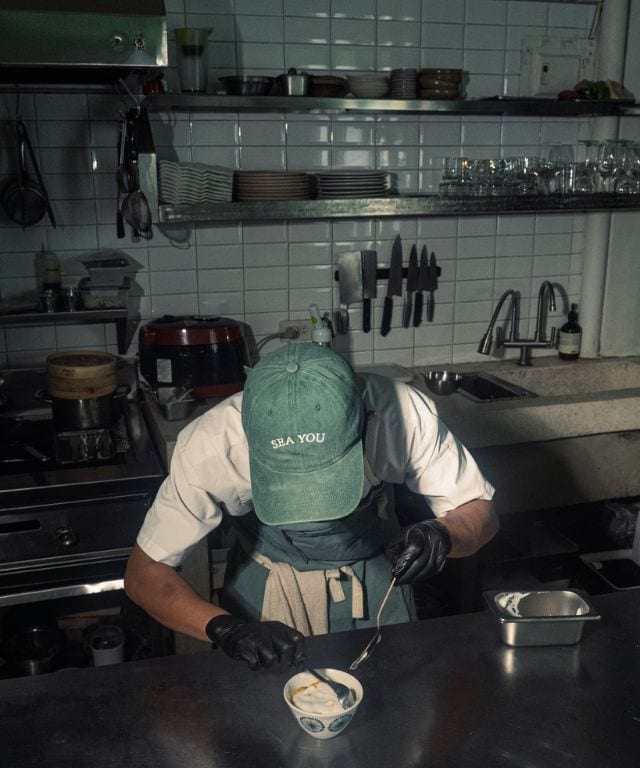
Opened by a group of cousins who grew up in Capiz, the cozy, intimate, 10-seater restaurant actually has roots as a seafood supply business. “It’s what we enjoyed each day as kids, hanging out at the shore—the water up to our ankles, saying 'Hi!' to fishermen, our neighbors, and getting the day’s fresh catch,” shares Marie Dumol, one of the co-owners. “If other kids grew up with Jollibee, this [seafood] is our comfort food. When I moved to Manila, I began missing the kind of seafood we had growing up.” Many of the kitchen staff also consider themselves “G.I.s” or “Genuine Ilonggos,” tracing their roots to a shared region with Marie and her cousins.
For its most recent tasting menu, Leo Sea House partnered with Chef Francis Lacson, a former seaman also hailing from Capiz, who survived a hostage-taking and who’s since established himself not just as a culinaire but also as a food writer and cultural advocate.
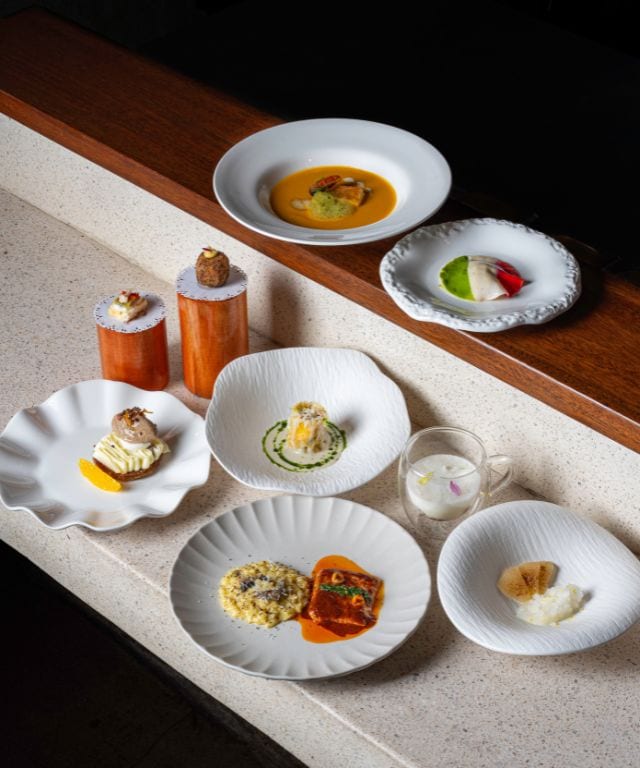
Last August, the House unveiled Buon Apetito (P2,500/head; P4,000/head with wine pairing), a nine-course modern Italian tasting menu incorporating Capiz and Panay seafood and ingredients, all in homage to the late, great chef Margarita Fores, known for popularizing authentic Italian cuisine in the Philippines while also spotlighting regional ingredients—such as those found in Dumol's and the chef’s hometowns—since the 1980s.
Lacson, who also works with Italian spot Francesco's in San Juan, notes some similarities between Filipino and Italian culinary traditions: good-for-sharing portions meant to be shared with family, communal eating, and a love for seafood and briny-sweet flavors.
He also notes the differences of each country's food culture—how Italian cooking favors simpler methods like sautéing and boiling, somewhat in contrast to our multi-step cocidos traditionally reserved for fiestas. Nonetheless, Filipino home cooking and Filipino seafood are best served simple and fresh.
Leo Sea House Marikina's Buon Appetito Tasting Menu
Pasta as a Wrap + More Italian favorites Reinterpreted
Leo Sea House changes its tasting menu every six months, typically in February and August, inviting a different guest head chef from time to time. This kind of setup respects the seasonal availability of seafood, as some species are more abundant during the rainy season while others thrive during the dry season, as explained by Marie.
To start, we were asked to choose a drink to pair with the food awaiting us. Just as with slow eating, slow drinking—a.k.a. nursing a single drink the whole night—can be practiced here, but is not a strict rule. Either way, you can't go wrong with the Aperol Spritz (P420); their take switches the typical prosecco wine with a base of French vermouth, technically making it an Aperol Americano.
They took a playful route witn their pasta course, serving Carbonara reimagined as a dumpling. The briny, sundried fish was held in the creamy comfort of egg sauce, the garnish of edible flowers adding a chamomile-like balance.
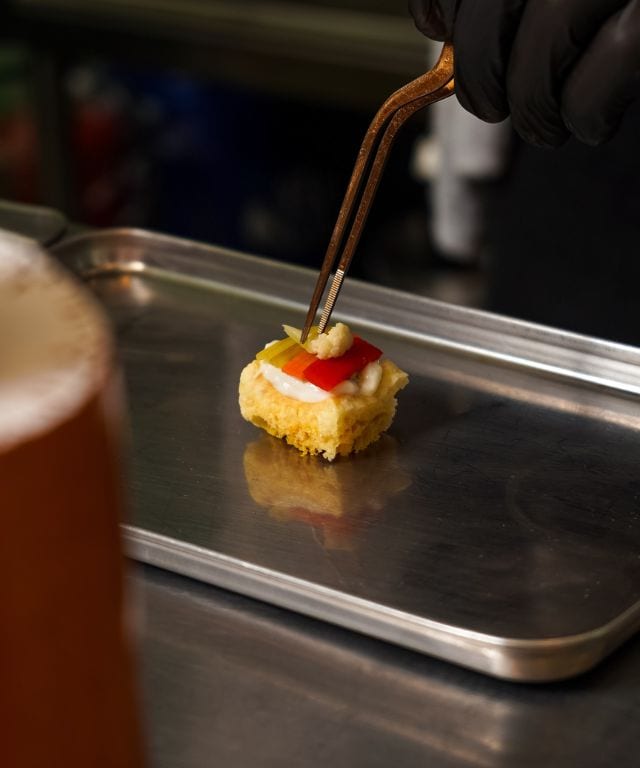
Of course, no Italian meal fully takes off without Bruschetta, and their version of the toast holds a crust of Parmesan, ricotta, and ciccioli with a tangy relish of giardiniera vegetables and oysters. This bruschetta’s texture and taste might echo chicharon’s appetizing crisp, but instead of a salty, fatty finish, we get a zesty toast priming the palate for the rest of the meal.
The Zuppa (soup) course was a hearty fisherman’s stew of blended squash, in which swam lightly grilled Philippine white fish rounded out by seared shellfish. For that night, it was pompano, but Dumol shared that it was talakitok the week prior. Between the two, the Capiz native preferred the latter for this particular soup. The generous use of mussels was great, but the scallops stole the show.
We had a richer plate of pasta to start the mains arc—a creamy symphony of Surf n’ Turf “Bolognese” with sea urchin, rolled up with pasta in the style of rotolo. It's then blanketed by a rich, rich gorgonzola sauce, and given lashings of basil oil for an herby finish. The chef explained that it was harder to source the seafood versus the cheese, noting how “sea urchins tend to come out at full moon.”
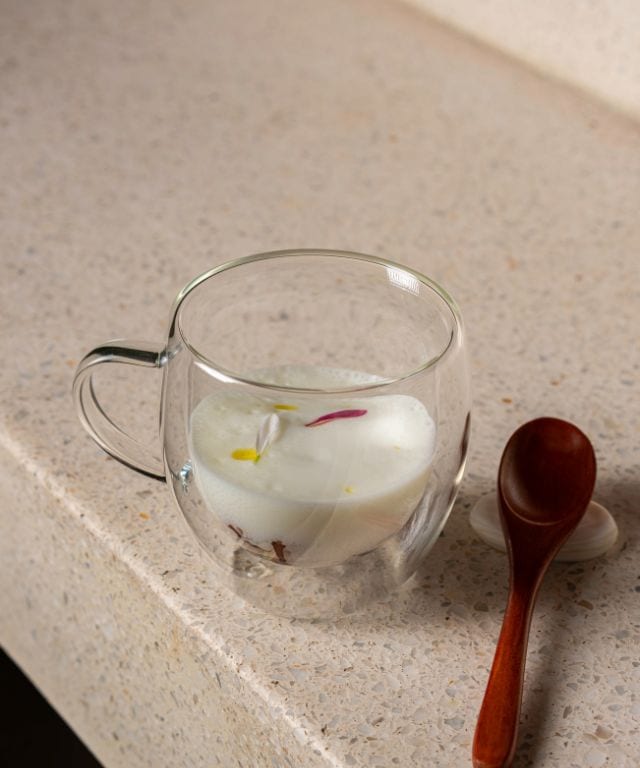
The salad course was served as a tiramisu—hang on, don't go yet—in a clear whisky glass no less. The tasting menu lists it as a Cappuccino, hinting at the mozzarella sauce acting as milk to coffee. Generously deployed, said sauce was initially a surprise, but give it a mix with the sun-dried vegetables and it all comes together into a balanced whole. This bold reinterpretation may not be the most photogenic of dishes, but those who enjoy their veggies creamy might want to ask Chef Francis for tips.
We had a Granita Pear Sherbet as a palate cleanser. Infused into the syrup here are cardamom and light touch of lemon rind, both of which bring out the citrus’ sweetness amidst the usual sourness.
Soffrito (a sweated down vegetable base typically made of chopped onions, carrots, and celery) is the base of most Italian cooking, explained the chef, and this boded well for the penultimate main, a Squid and Smoked Ricotta Raviolo made in the tricolor flag of the United Italy. “It was the simplest dish in terms of flavors,” shares the chef, “but the preparation and presentation were more technique-forward.”
Last on the lineup is Leo Sea House’s take on Osso Buco, which stands out from other versions for their use of olive powder that makes for a strong note of fresh (not pickled or dried) olives. All this was drizzled on white fish (matambakal this time!) sautéed in brown butter, served side-by-side with risotto. If you’ve been saving your chef’s kiss for something, this might be it.
Somewhere, beyond the sea ...
Dumol explained that certain fish were ideal for the dishes we’d had that evening, but that recent storms had disrupted their supply chain, forcing them to use alternatives. If anything, it was proof of their commitment to sustainability and quality of service; no ordinary diner would have noticed anything amiss.
Anecdotes were shared from Capiz locals suggesting that they’re actually happy during slower months, with phrases like “we finally get the best selections,” or “the good catch isn’t being exported.” Such is the demand for their seafood.
While modern supply chains have made it such that most varieties of fish, shellfish, and other seafood can be had at any time of the year, this has come with hidden costs, from the food’s taste all the way to the ecosystem’s health, inviting diners to larger conversations on the real impacts of always-on-demand ingredients.
Anyone who enjoys seafood shouldn’t skip Leo Sea House. Those who are trying to get over previous bad experiences of seafood can gain an appreciation for it here as they serve only the freshest catch, carefully selected and prepared by none other than locals from one of the Philippines’ seafood capitals.
Pao grew up trying different cuisines and dishes thanks to grandparents, parents, aunts, and uncles who cooked and served what they ate as kids from the provinces instead of what they thought kids should like. Pao came of age discovering the works and advocacies of OGs like Anthony Bourdain, Doreen Fernandez, Fernando Zialcita, Ige Ramos, and Ambeth Ocampo, to name a few. He hopes to play his part in continuing the mission.