The SPOT.ph 50 Great Restaurants of 2025: Best of Manila and Beyond
It's thanks to these new places that dining out in the Philippines today is especially exciting.
by Patricia Baes, Bea Faicol, Jerome Gomez, Michiko Manalang, and Camille Georgia Uy
Published on Oct 17, 2025

(SPOT.ph) What is the dining scene in the Philippines today if not a tireless, pulsating force? It’s never been more alive, and this is evident in the constant stream of restaurants coming in every year and the diners that happily engage them. It’s dynamic, what with the variety of spots that run the gamut from holes-in-the-wall for the everyman, to family-friendly spots serving platters full of familiar tastes and textures, to chef-led establishments transforming humble ingredients into pure art on a plate.
We see countless restaurants enter the arena every year, each one bringing a different taste, texture, and color to the pot. 50 Great Restaurants is our way of highlighting those that have shone especially bright—whether their contributions are like that of aromatics in a stew, hiding in plain sight but quietly determining the overall taste; of roasted meat, easily the self-aware main character on any table; or of the cherry on an ice-cream sundae, embellishing a treat with a seemingly small detail while making a sizable impact.
This year’s list covers newly opened places, or existing spots that reopened or opened new branches that showcase distinct developments—all between October 2024 and August 2025. We focused on restaurants, but made room for cafés and bars with a solid dine-in selection. Included on the list are dining spots from outside Manila as well.
What makes the restaurants on 50 Great Restaurants, well, great?
Beyond newness, there are, of course, a couple of points we keep in mind in selecting the list's entries. Good food is a non-negotiable—it’s the main draw when going out to eat, because a great meal rewards one with flavors that satisfy as much as they captivate our spirits. Visuals play a part as well, as stunning interiors and the right atmosphere can transport you places both real and imagined, all from the comfort of your dining chair. And because people are the backbone of any dining establishment, service matters, too—we’d like to think anyone who’s experienced being welcomed into a place with open arms would agree.
On a higher level, we also consider the restaurant’s concept; it could be ushering in an entirely new genre or it could be a beautiful execution of an old favorite. It deserves consideration so long as it adds a distinct personality or raises the bar in some way. Adjacent to this is the menu: its cohesiveness, the variety one gets in the roster, and how much of the selection is worth ordering relative to menu size. We consider, too, value for money—the satisfaction one gets (including, but not limited to, physical fullness) and the quality of the entire experience relative to price points.
The F&B landscape continues to evolve as we speak, and this list is our way of capturing—and honoring—where we are today.
*Restaurants are listed alphabetically. This list is not ranked and has been limited to dine-in restaurants and concepts that opened or evolved between October 2024 and August 2025.
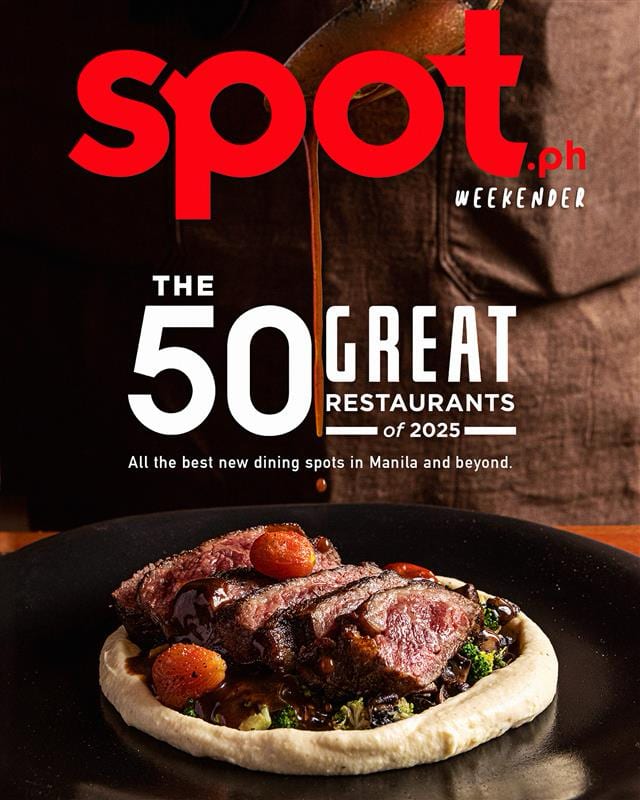
These are the 50 Great Restaurants in Manila and beyond this 2025:



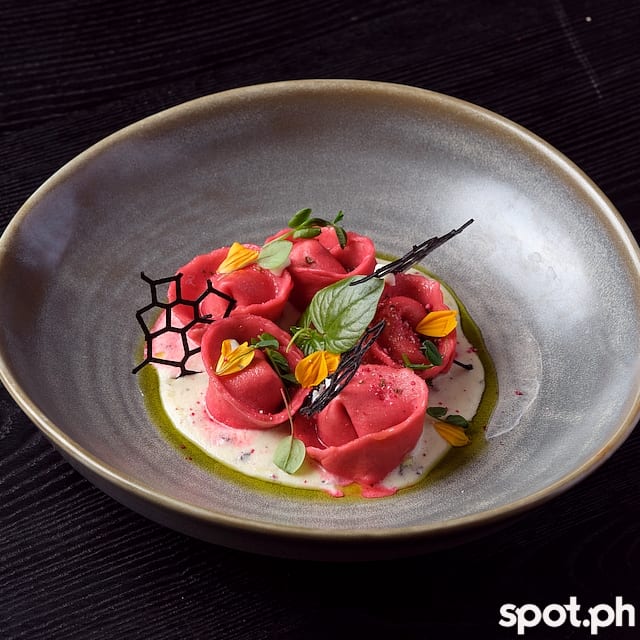

Originally a Cebu staple known for their continental-Mediterranean plates in a romantic setting, Anzani now makes its mark in Tagaytay—a locale much easier to access for Manileños. But reputation can only take you so far; even F&B veterans Chef Marco Anzani and Kate Dychangco-Anzani can admit to needing an anchor to the community. That level of intentionality makes itself incredibly clear in this new iteration of Anzani—everything is rooted in a kind of transparency and enthusiasm for what Tagaytay can offer travelers and locals alike.
It shows in dishes like the well-executed Beetroot Ravioli, or the peppery and tender Pork Chop Tomahawk. Any and all bright colors and edible flowers are for fun—Chef Marco, ever the North Italian boy at heart, still prioritizes ingredients and technique. And in a world where presentation often becomes a mask for food rather than its medium, to get what Anzani serves is at the very least a treat.

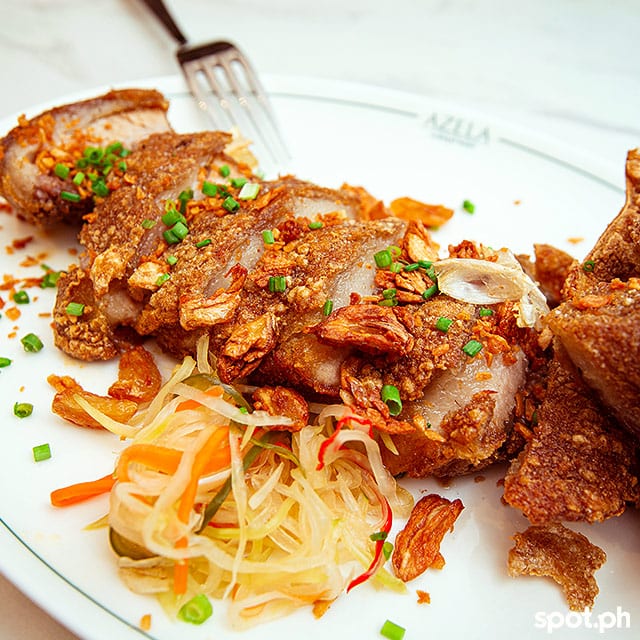
If part of Balay Dako’s allure is that it offers a view of Taal Lake, its version in Manila, Azela, is just a short walk away from Manila Bay. But who are we kidding? You go to Balay Dako for the food and its homey, old world ambience—which are the hallmarks too of this spinoff. Named after owner-chef Tony Boy Escalante’s grandmother, Azela readily serves to Manileños what would otherwise take a couple of hours drive to gain access to: classic Filipino dishes done in very high (read: Antonio’s) standards. “Use only the best ingredients” and “no shortcuts” were, after all, rules Lola Azela adhered to. The Fried Asohos is an excellent starter, as is the Sariwang Kangkong at Hipon. If you’re looking for a good Kansi, you’ve come to the right place as Chef Tony Boy, a Negrense, knows exactly how to make it—batwan-soured and deeply flavored. Speaking of Negros, an alternative to good old Crispy Pata is Crispy Maskara, likely a wink to Bacolod’s annual October festival. Some people would even go as far as saying the latter is better, with the skin truly crispy and the meat inherently more tender.
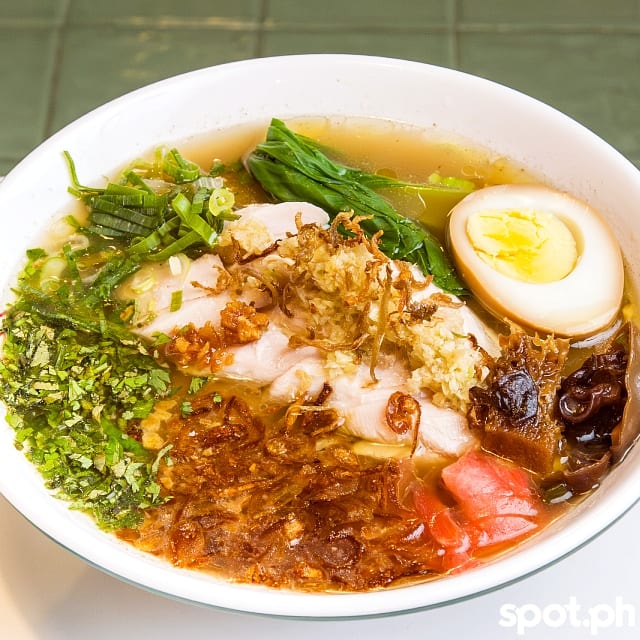
Chinese-Filipino staples are beloved but don’t often get the spotlight; this does not concern the guys of Food Records—the restaurant group headed by Chef Kel Zaguirre, and the minds behind Binondo Boys. This magical little place along Sct. Torillo (yes, in Quezon City) goes zany on the visual front, its exterior framed by shades of green that allow its typeface logo to pop. It’s open 24 hours, treating all kinds of customers at different hours to the dim sum and then some.
Perhaps one of the more mind-blowing items despite its ubiquity is the White Chicken Noodle Soup, and its many applications of ginger: fried, boiled, pickled, and each with its own purpose in this single, cohesive, and overall incredibly comforting dish. It’s the best showcase of Binondo Boys refusing to copy-paste—they may be cautious with their unique twists, but when applied, everything just makes sense. But what you’ll really want is the scratch card; IYKYK, and if you don’t, demand one.

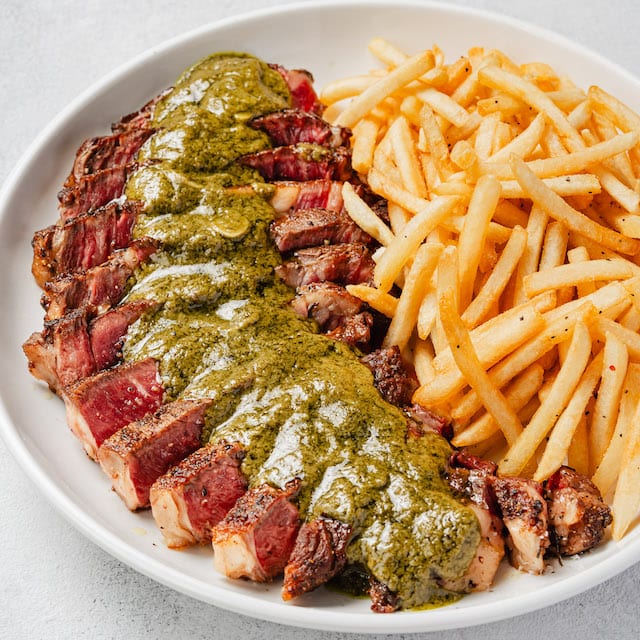
French cuisine tends to be typecasted as this snooty, stuffy genre that costs an arm and leg to experience. But Bistrot Le Coucou, the Nikkei Group’s friendly Parisian-style bistro, makes a case for more laid-back interpretations of their food. Its name, coucou (pronounced “ku-ku”), is a breezier way to say hi in French—consistent with the way they present French classics in a more casual yet still refined light. Start your meal with appetizers like the Melted Cheese featuring Beillevaire cheese flown in fresh from France; or the Paysanne Salad that’s akin to a modern salade niçoise. For mains, you can go classic with the Entrecote & Fries, which has a whole kilo of ribeye, duck-fat fries, and Café de Paris sauce. Or, try their crackly-tender Duck Confit that’s accompanied by candied orange for brightness. To end your meal, you can’t go wrong with their Tart Tatin—essentially a rustic apple pie with caramelized apples over flaky puff pastry.
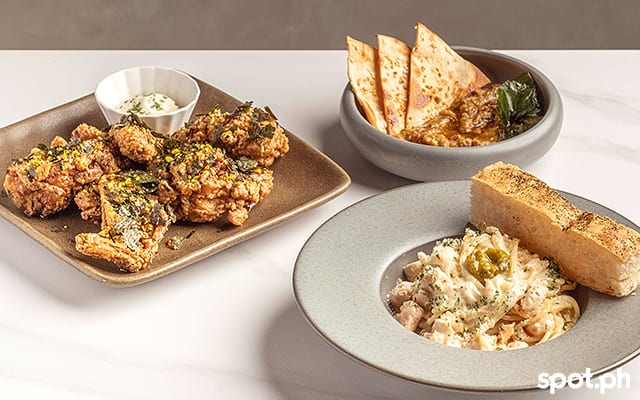
Contrary to (reasonable) belief, Casa Kaos isn’t set on any kind of island takeover—they’re aware of the optics, though. But Branch (like Roots, its older sister-concept) refuses to alienate locals, and instead follows the professional and culinary journeys of local hires. It’s always a result of intense study and purposeful integration, rather than an imposition of beliefs, despite the chefs’ international experience. They wanted to bring the fun and adventure of their dinner experience “without the intimidation of a tasting menu” per chef and Kaos Creative Director Ines Castaneda, and they carry out the goal with a range of brunch plates that are as comforting as they are creative, incorporating local produce in imaginative ways. There's plenty to love here—try the Island Fuel rice bowl of fried chicken, eggplant, and kimchi; the Eat Your Greens, an open-faced chonk of toast gone vegetal with toppings of sayote, eggplant, goat cheese, and a slow-cooked egg; and the Butter Me Up, another mammoth toast situation, this time in the style of French toast with peanut butter and langka jam.
You might know Chef Wado Tan Siman for the viral minimalist cakes under his other food business, Wadoughs. He ventures into savory territory with the establishment of Brutal by Wadoughs, a visually striking yet cozy spot housed in a raw concrete building in Quezon City. The name “Brutal,” once a working title, now embodies both the unapologetic design of the space and Wado’s straightforward approach to food. The menu reimagines comfort classics with clever twists—think Cesar Salad (that’s no typo!) with smoky tinapa in place of anchovies and and fried pan de sal as croutons; Black Coconut Adobo with a smoky richness from charred coconut milk; and the inky Blaksa—that’s squid-ink laksa spiked with homemade ginamos sambal. Of course, Wadoughs’ DNA shines in Brutal’s desserts, which include the nutty Black Sesame Cheesecake; the Charcoal Carrot Cake; and the Cerveza Negra Black Forest—all dark-hued but playful tributes to Brutalism’s gray palette.
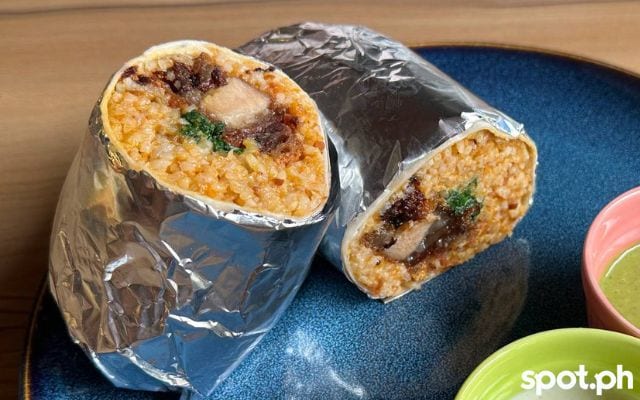
Alums of the Diliman and Katipunan universities might remember Buen Comer by Poquellas, known and beloved for their inventive takes on comfort classics. As many restaurants did at the time, the eatery closed during the pandemic—and they make a mighty comeback in the form of Buen Comer 2.0. Now at a new location along Calamba street, the rebirthed Buen Comer improves on its original by not only expanding the menu; they’ve got a bigger location, too—the more to serve guests with, of course. You can reunite with the well-loved Kare-Kare Burrito, which is as good as ever with its filling of kare-kare flavored rice, lechon kawali, bagoong, and greens all tucked into a warm wrap. But don’t miss the Caesar Salad Wrap a lighter option filled with greens that’s satisfying in its own right, available with chicken or rib-eye steak for a protein boost. Pro tip: Buen Comer 2.0 also makes a mean, off-menu sisig taco—a two-to-three biter of sisig on soft-shelled tacos, with calamansi that you can squeeze over for a tangy kick.
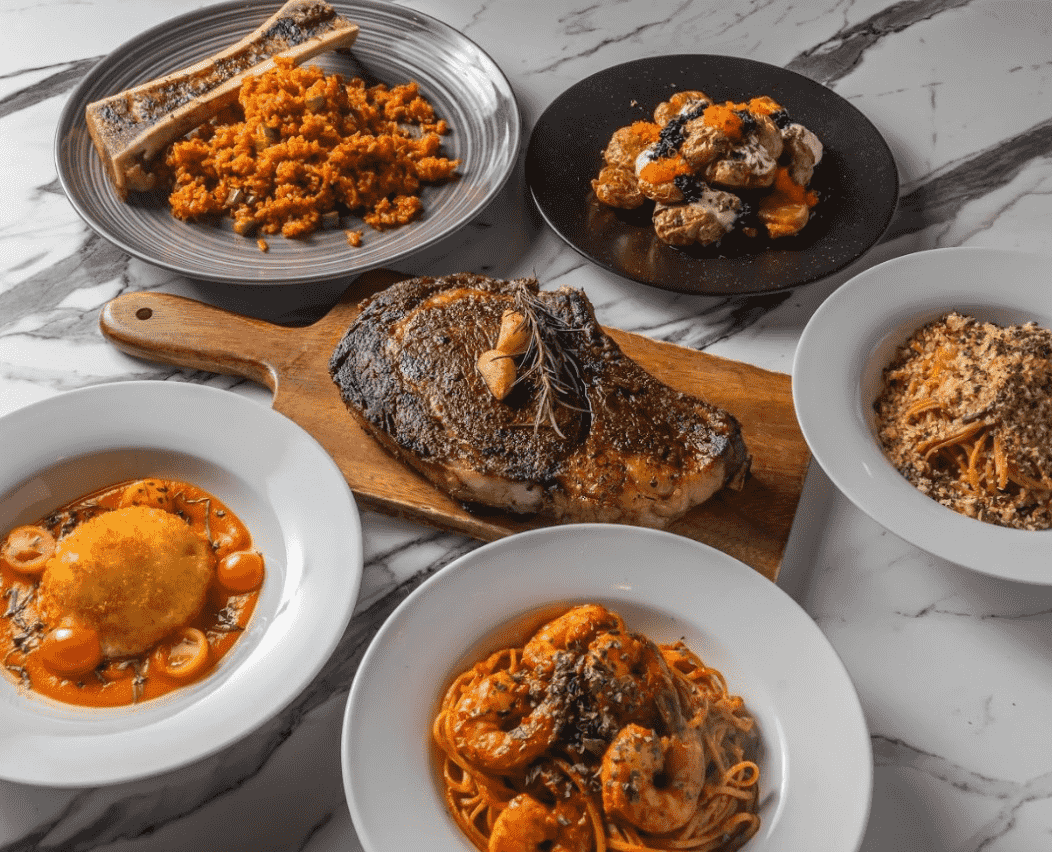
From the South’s years-long trusted provider of good quality meats comes a restaurant that delivers just that, but with the culinary stylings of a well-traveled chef, Noel de la Rama. Inspired by his travels and ingredients readily available to him, the former private chef, whose foundation is classical French, has created for Davao City’s The Butcher’s Table a menu that will make any meat lover happy. Their House-Cured Bacon Steak is perfectly tender and smoky, while the Japanese Loco Moco’s hamburger patty is juicy and packed with flavor—perfect for breakfast or brunch as it’s served with egg, gravy and rice. Speaking of brunch, the selection here goes from Sloppy Dog and a Chorizo Burger with Egg to the least expected Shrimp Gochujang Arrabiata Pasta and Tokyo Miso Mushroom Pasta. But it’s really beef they proudly declare their specialty, which in their Butcher’s Specials include Tenderloin Steak Bites, the NY Strip, and Prime Ribeye.
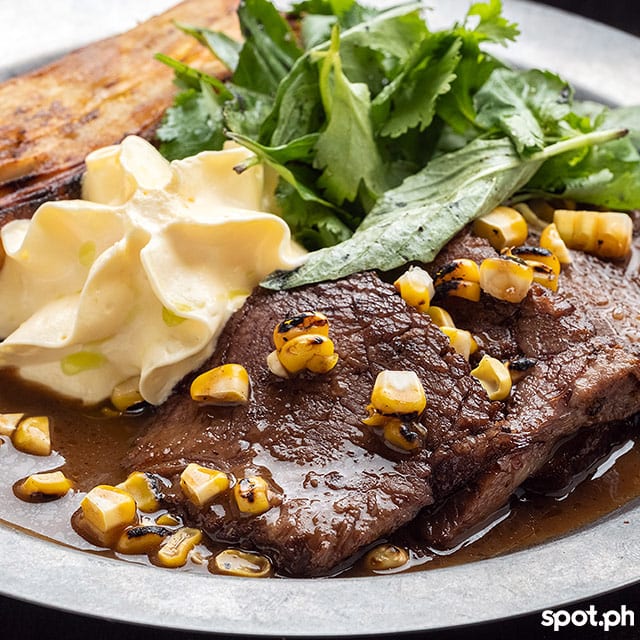
In a metropolis obsessed with sushi, samgyeopsal, and xiao long bao, Chef Sheena Yuquimpo decided to swerve hard left into the food of Latin America—and honestly? We love the diversity, queen. She graduated with a culinary degree from Benilde, then did an internship in Miami and stints at New York bodegas where she discovered juicy Peruvian chicken, pollo asado, beans, and rice. The young chef returned home to Manila and locked in with one goal: to bring those bold, saucy dishes to our part of the world by way of Calle51. The concept was birthed during the pandemic and grew up to be a full-blown restaurant in San Juan, housing her signatures like the Sticky Ribs, guava-sauced sticky ribs complete with congri rice and plantains; and the Arroz Con Pollo, a dish of Cuban-spiced chicken over paella-style rice with salsa verde. Wash it all down with cocktails like the Umami Claro, a Michelada-like number with clarified tomato water, beer, and spices. And when dining at Calle51, dessert is a must—try the unconventional Bone Marrow Flan that’s served in a marrow bone.
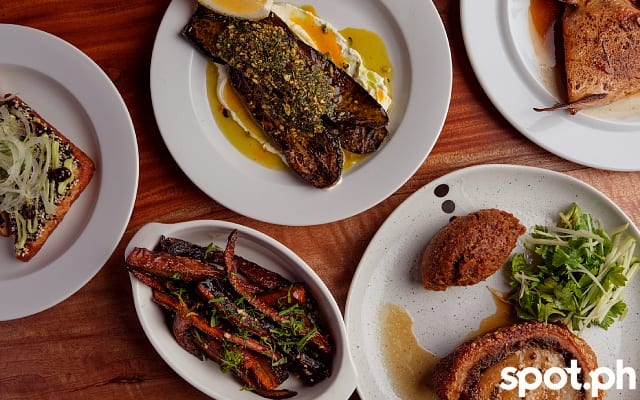
Chef Rowen Amurao channels the flavors and experiences of his time working at restaurants around Australia into Casuals, a low-key restaurant on the second floor of Paseo de Magallanes’ Oakridge Building. His aim? To serve food that’s uncomplicated and, well, casual, but high-quality and brimming with personality regardless. Go through the menu and you’ll find flavors and elements from Thai, Vietnamese, Japanese, Chinese, and other Asian cuisines, taking after Amurao’s time in Melbourne—itself a melting pot of different cultures. Beyond that, the chef’s approach is largely playful and relies on fresh ingredients. Just some of the plates you can’t go wrong with are the Zucchini with pistachio pesto over ricotta; the crackly-crisp Eggplant Fries in a sticky sweet chili sauce; and the Hamachi Jaw with karashi and a cucumber-kimchi salad. Do keep an eye on the specials board for limited-time exclusives, like the Gravlax embellished with pickled ginger, ricotta, juicy orange wedges, and (wait for it...) Lao Gan Ma.
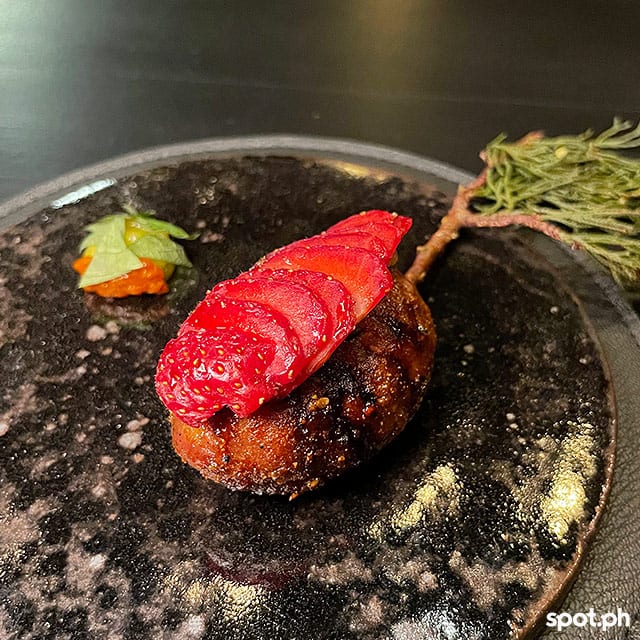
Following their exit from Restaurant Aurora in 2024, chefs Nicco Santos and Quenee Vilar bring their great hand at Asian flavors and willingness to experiment to Celera at Comuna, Makati. Housed in a dim space with low ceilings with interiors designed by JJ Acuña, the restaurant is made cozy by hardwood tables and a rattan lamp by Rita Nazareno. But for all its sleekness, the plates that come out of the kitchen are vivid as can be, showcasing Santos’ and Vilar’s cooking at its peak. It’s punchy, yes; and creative, no doubt. But it also draws from a wider breadth of cuisines for inspiration, while exhibiting more focus and refinement compared to the pair’s former pursuits. We see this in dishes like the duck-chicken Tsukune with slivers of Baguio strawberries; the rack of lamb and beef tenderloin aged in sake lees, whose natural umami helping intensify the taste of the meat; and the quail, kept company by sidekicks like Malay-style pickles and sweet, tangy soursop (guyabano) gel. Apart from their ala-carte offerings, they also have a tasting menu available with their best bites.
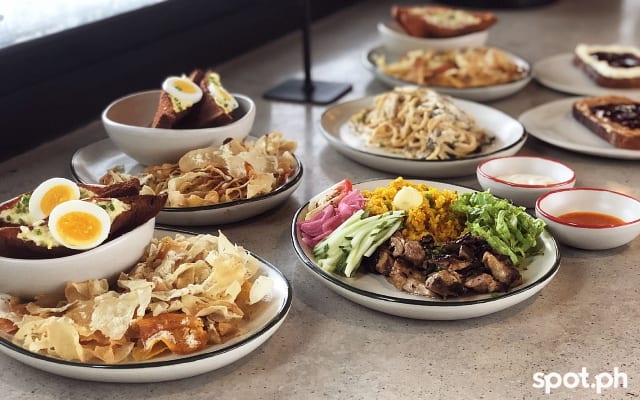
We all know the kind of “coffee-with-a-view” spot that banks on aesthetic, but serves you very “mid” everything. Nope, that’s not the case with Easter Coffee Club. Opened on Easter Sunday 2025, this hilltop hangout comes from a power trio: Chef Ed Bugia (of Pino, Bean & Yolk, Flipside Burgers), his wife and marketing brain Trixie Esguerra, and coffee director Andi Trinidad, who knows her beans from working for ABKD and Narrative Coffee. Here, you actually come for the coffee—the cozy view is merely added bonus. Specialty beans roasted by Marikina’s roastery Trails & Traces make their way into classics like the Cortado (rare on local menus, and strong enough to fix your soul), or the sweeter Spanish latte if you’re easing into the nerdier side of caffeine. Pair it with eats like the Tamago Sando, or go full comfort mode with the Ultimate Breakfast Sandwich. Feeling extra? They serve “Cup Noodles” Ramen with Pork Belly Chashu Ramen that’s playfully served in a mug with a cup noodles print. For dessert, try the Ricotta Toast with Roasted Strawberries for a sweet ending that supports local farmers.
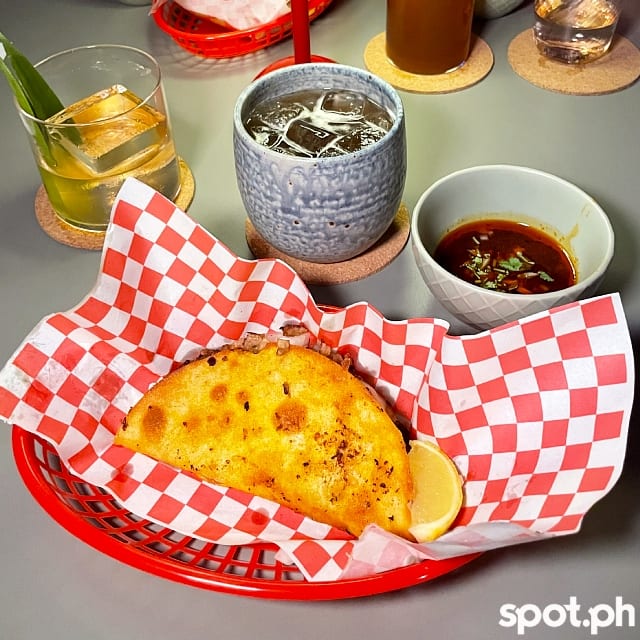
From the team behind jazz bar Fat Cat comes not one, but two new reasons to stay out past midnight: Cattery, a smooth-talking music lounge on the first floor; and El Gato, an upbeat bar upstairs devoted to agave spirits and taqueria staples—basically, Fat Cat’s wilder, flirtier younger sister with her paw nursing a glass of Dark Matter, and the other paw dunking their Quesabirria in consomme. Both El Gato and Cattery go all-out zany in design, putting the kitty motif on display through feline-themed knick knacks on the shelves and a colorful cat mural that greets you as you go up the stairs. Given El Gato’s proud library of agave-forward spirits, the Dark Matter is non-negotiable—a tequila-based cocktail laced with tapuey, corn, amaro, chile, and chocolate that’s equal parts smoky, spicy, and seductive. There’s also Lost World, a mezcal number brightened with amaro, grapefruit, lemon, and kalingag (local cinnamon) for a tropical kick. And if you’re not elbow-deep in the Quesabirria, you’re doing it wrong—this is an extra-fiery take on the taco stuffed with beef, melted cheese, and aromatics, begging to be dunked into its rich, reduced consommé.
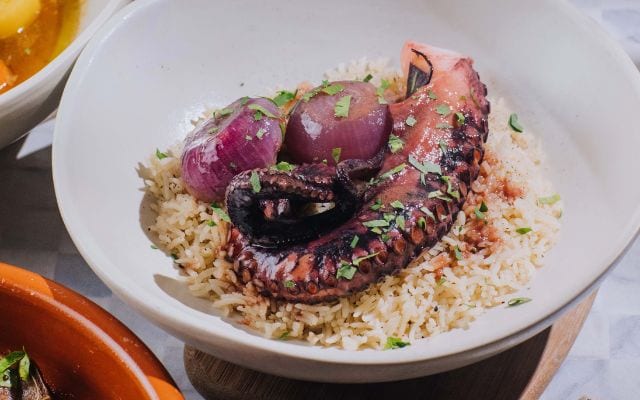
You can have high expectations of Chef Robby Goco cooking up Greek dishes—he will still exceed them. Just as he did with his new restaurant concept in Cavite, Elaia by Cyma. In the Cyma multiverse or family tree, Elaia (pronounced "eh-le-yah," meaning olive in Greek) is the wise lola who insists everything tastes better if you give it more time, cooking with a bottle of fine olive oil somewhere in Northern Greece, where time itself seems to slow down. The restaurant is Goco’s love letter to patience, tradition, and really good ingredients—pretty much the building blocks of Greek cuisine. And the dish that stands out when you talk about the quality of the produce is the Dip Sampler, a mezze spread of hummus, tzatziki, melitzanosalata (roasted eggplant dip), and tirokafteri (creamy feta) plated with juicy tomatoes, fresh cucumber, olives, greens, and pita bread. As for cooking as if you had all the time in the world, a must-try is the Octopus Stew—a stick-to-your-ribs dish of chunky octopus tentacles cooked for eight hours in red wine. Then, you can wrap it up with a slice of the orange-scented EVOO Cake topped with whipped honey, or a cup of Frozen Yogurt.
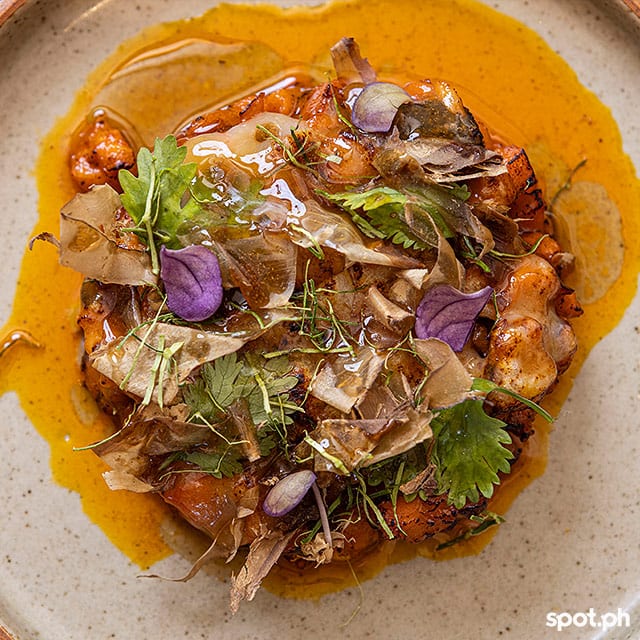
Arguably San Juan’s buzziest new kid on the block, Eraya is the brainchild of head chef and partner Henry Manglo and Filipino actor-entrepreneur Dustin Yu. Its name comes from Sanskrit, meaning “fortune’s favorite”—and honestly, that tracks. Eraya proves that fortune really does favor the bold with plates that are playful, polished, and progressive. Comfort meets contemporary plating in the 48-Hour Sous Vide Short Ribs, lent savory depth by black garlic jus and served over silky whipped potatoes, while the Tako lets us in on the surprisingly superb combo of octopus, crab fat paste, and torched Havarti cheese. Manglo occasionally explores regional Filipino cuisines as well, evident in the the Coconut Ebi that gets its smoky profile from burnt coconut, going by a Mindanaoan cooking technique.
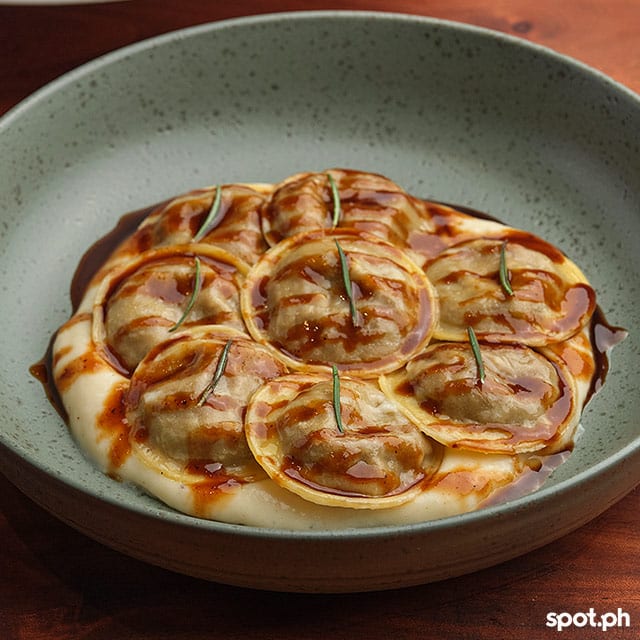
Just when the Fresca pop-up was getting considerable buzz in its Katipunan spot for handmade pasta, it upped and left and thankfully relocated to Makati as Fresca Trattoria. Today, that little pop-up operation has reached its full potential: it’s in a bigger, more grownup (read: cozy and beautiful) space in a more popular location, with a bigger kitchen that allows founder Sicilian Francesco D’Arrigo more room to play, expand the variety of flavors he offers and the techniques he employs. The handmade pastas continue to be at its heart, and what sets it apart, apart from its legit Italian flavors. The Pesto Pistacchio e Guanciale, the most popular Fresca dish during its pop-up era, still impresses with its beautiful play on textures—pasta shells coated in pistachio pesto, showered with parmigiano reggiano, and topped with crisp guanciale for a delicious flourish. The Mortadella Pizzetta pulls you in with its creamy stracciatella and luscious mortadella but its real soul is in the dough, fried and oven-baked, its exterior wonderfully crunchy while soft and pillowy inside. Finally, it’s not Fresca without offering freshness—and it does so not only with its little experiments in form but also in flavor. This is nowhere more upfront that in its Beef Carpaccio—a symphony of tastes and textures in one Christmasy plate.
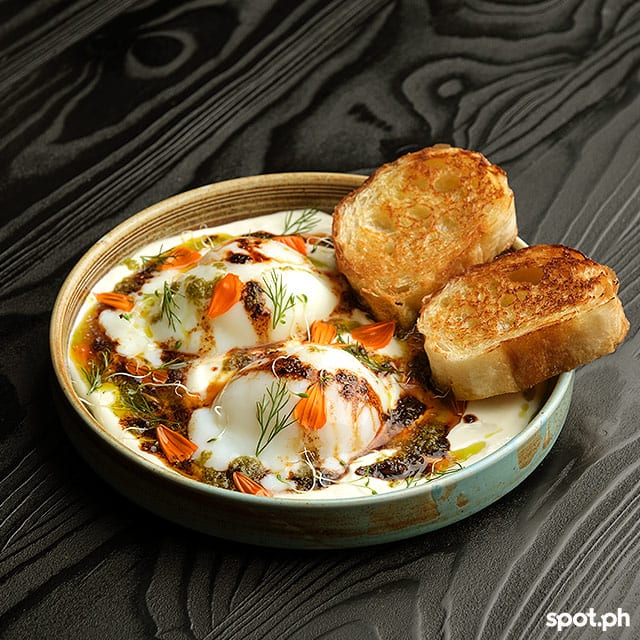
The brainchild of barista-bartender David Ong, interior designer Gaea Gatchalian, and restaurateur Josh Gatchalian, Gaea is an all-day restaurant-bar in San Juan that was built on one idea: New but familiar. It’s a balance of modern and artful for its interiors, and nostalgic and comforting when it comes to the food. Given their long opening hours, the menu is divided into parts: there’s a daytime menu available from 7 a.m. to 5 p.m.; an evening menu for 5 p.m. onwards; a lineup of coffee available until 9 p.m.; bar chow available 9 p.m. onwards; and a cocktail menu you can order from during any of their hours. Go ahead and order up Steak & Eggs for breakfast; move on to the Clams Laksa for lunch; then go for the Chorizo Burrata Pomodoro come dinnertime. And with Ong (who is, of course, known for also heading The Curator, Oto, and EDSA BDG) on the team, it’s no surprise that they go experimental with their drinks. Tipples to try include the Xmas at MTQ, essentially a cocktail-fied take on puto bumbong; the cognac-baesd RIP King Crab House, inspired by the gelatin dessert from the now-departed seafood restaurant; and the creamy yet citrusy Orange Julius at Unimart that pays ode to Ong’s childhood memories taking trips to Unimart with his grandfather.
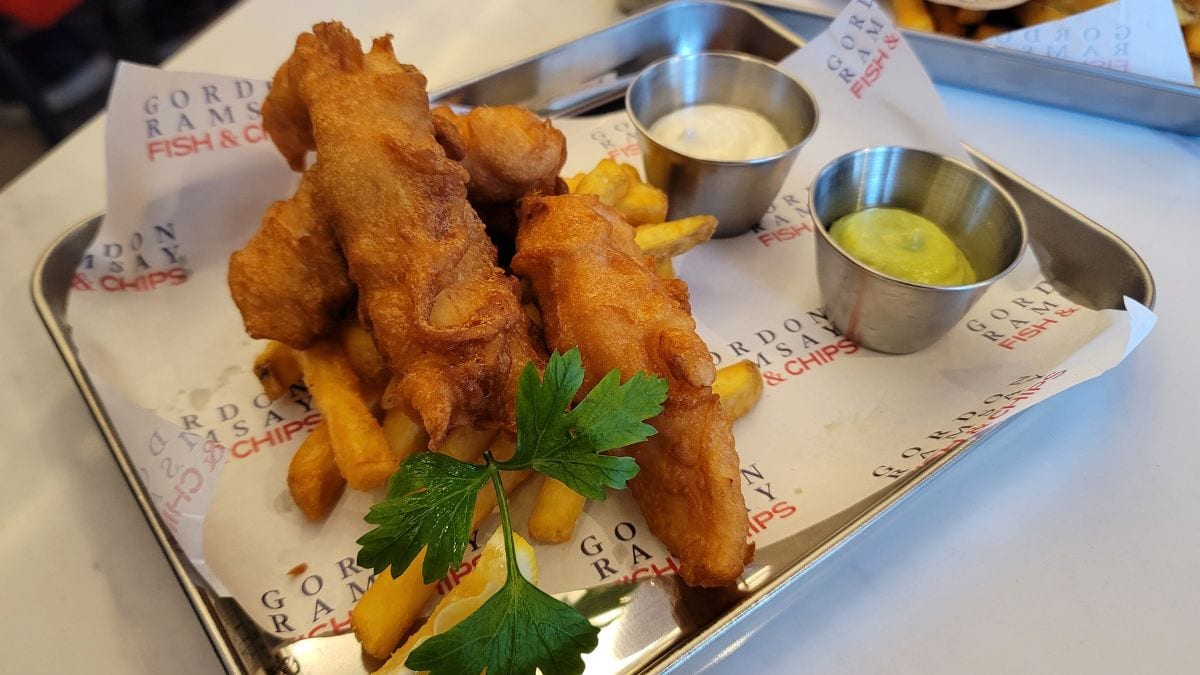
Ah, fish and chips. You might think the tandem of battered fish fillet and fried potato chips are a dime a dozen in these parts—but Gordon Ramsay Fish & Chips gives us new and better ways to enjoy the dish. Chef Gordon Ramsay’s newest foray in the Philippines has found its home in Cebu, and by the seaside at that—as in, you can get your fish and chips to go and enjoy it on The Mactan Newtown Beach. The classic Fish Combo is a solid option of course, but there’s more than just fish on the menu: the Slipper Lobster & Shrimp Combo is a must-try, or you could also go for a Chicken Combo. The combos come with signature dips, like Gordon’s tartar sauce, Sriracha aioli, honey jalapeno aioli, and sour cream. Looking for a heftier bite? Go for the Swiches—essentially soft-shelled, open-faced tacos that come with chips, too. Make sure to get the Shrimpwich, which is topped with a refreshing mango salsa that balances out the deep-fried shrimp.
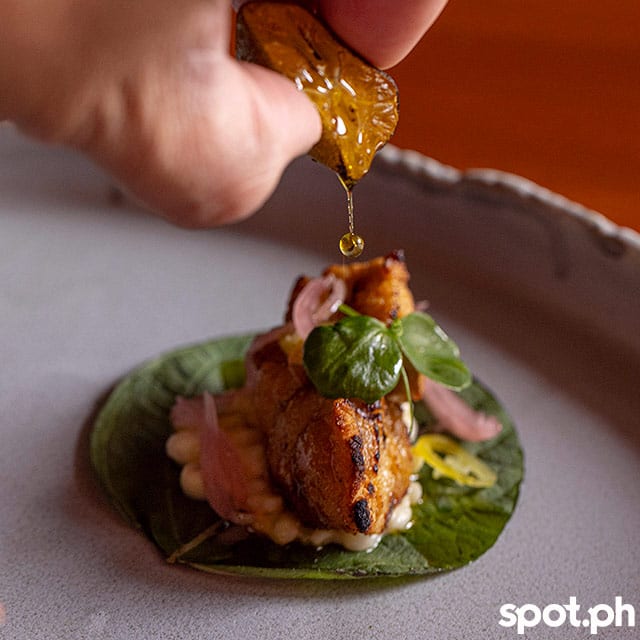
Brought our way by the group behind Bar Pintxos and Txoko, this 12-seater asador tucked away in Salcedo is one big nod to the many subcultures that crisscross one another in the Basque region, without refusing other global influences—flavors and elements from Japanese and Filipino cuisines in particular, courtesy of head chef and partner Albert Xavier Mendoza. The prix-fixe menu options that make for some real escapism; you’re far away from the real world, and many crucial decisions are made for you… and who could ask for more? While what diners are able to get may change with the seasons, one thing remains sure: Goxo will strive to live up to its name, the Basque word for ‘delicious.’ But if you find it on the menu, don’t skip on the Tebasaki (stuffed with sweetbreads, and kept company by piaparra peppers) and “Jamon” (actually cured talakitok on skewers with compressed melon, straciatella, and almonds) for their near-perfect East-meets-West execution.
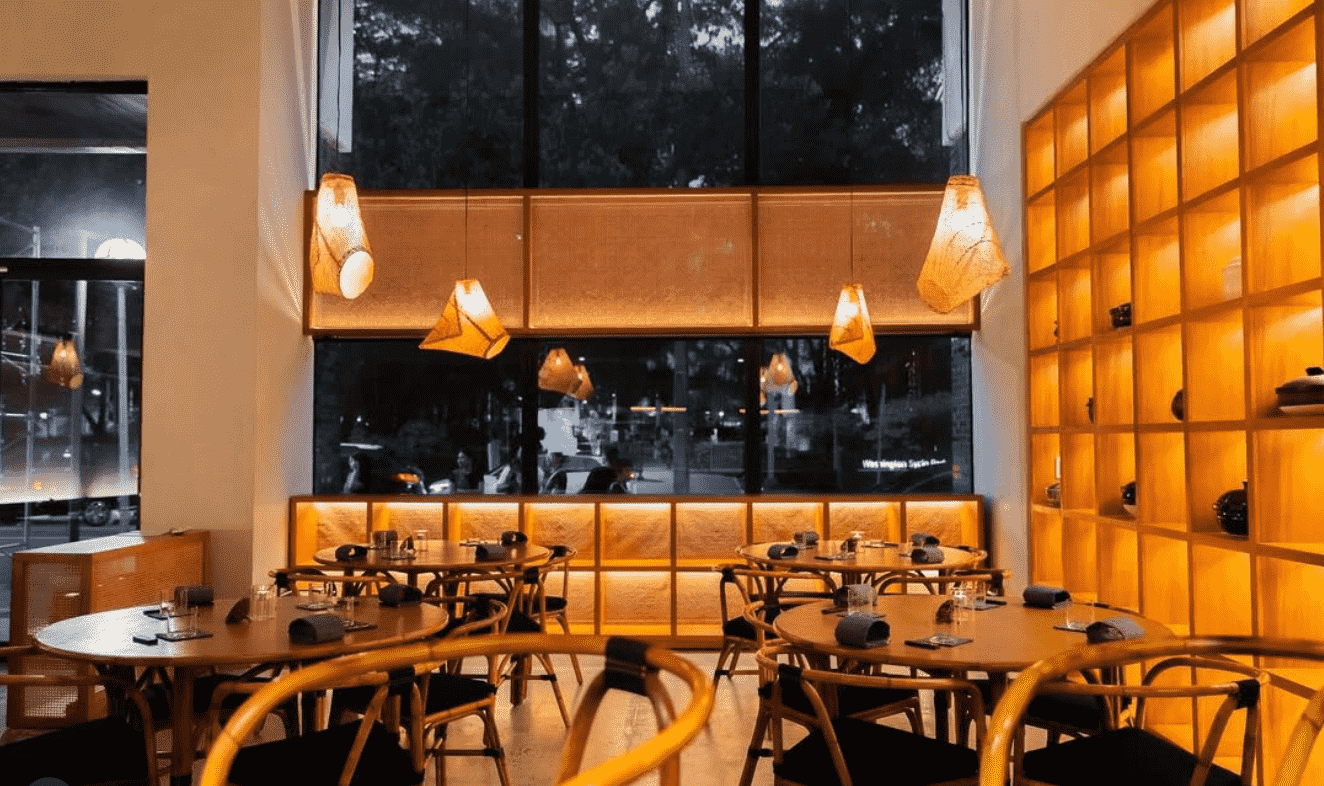
Though it may sound like it has Vietnamese roots, Hálong really takes its name from somewhere closer: Iloilo, where Halong means “to handle with care or to treat tenderly.” Which is really what the restaurant evokes in atmosphere, service and food, likely owing to the Fil in Fil-Canadian chef Cara Jalandoni Davis’ roots. Halong’s food, however, has a clear international point of view, mixing Asian flavors with Mexican, Mexico being the place Davis opened her first restaurant and was her last stop before moving to the Philippines. Halong’s flavors are fresh and unique but definitely anchored to the familiar. This is exemplified in its Cold Sesame Noodles with chili, crispy shallots and cucumber; its Pork Dumplings with water chestnut, habanero and yuzu; and the Bangus dish which has radish, lato, yuzu and calamansi. There’s an ease too in these dishes, a lightness of touch, and that transportive quality that is a testament to Davis’ colorful globe-trotting journey as a chef.
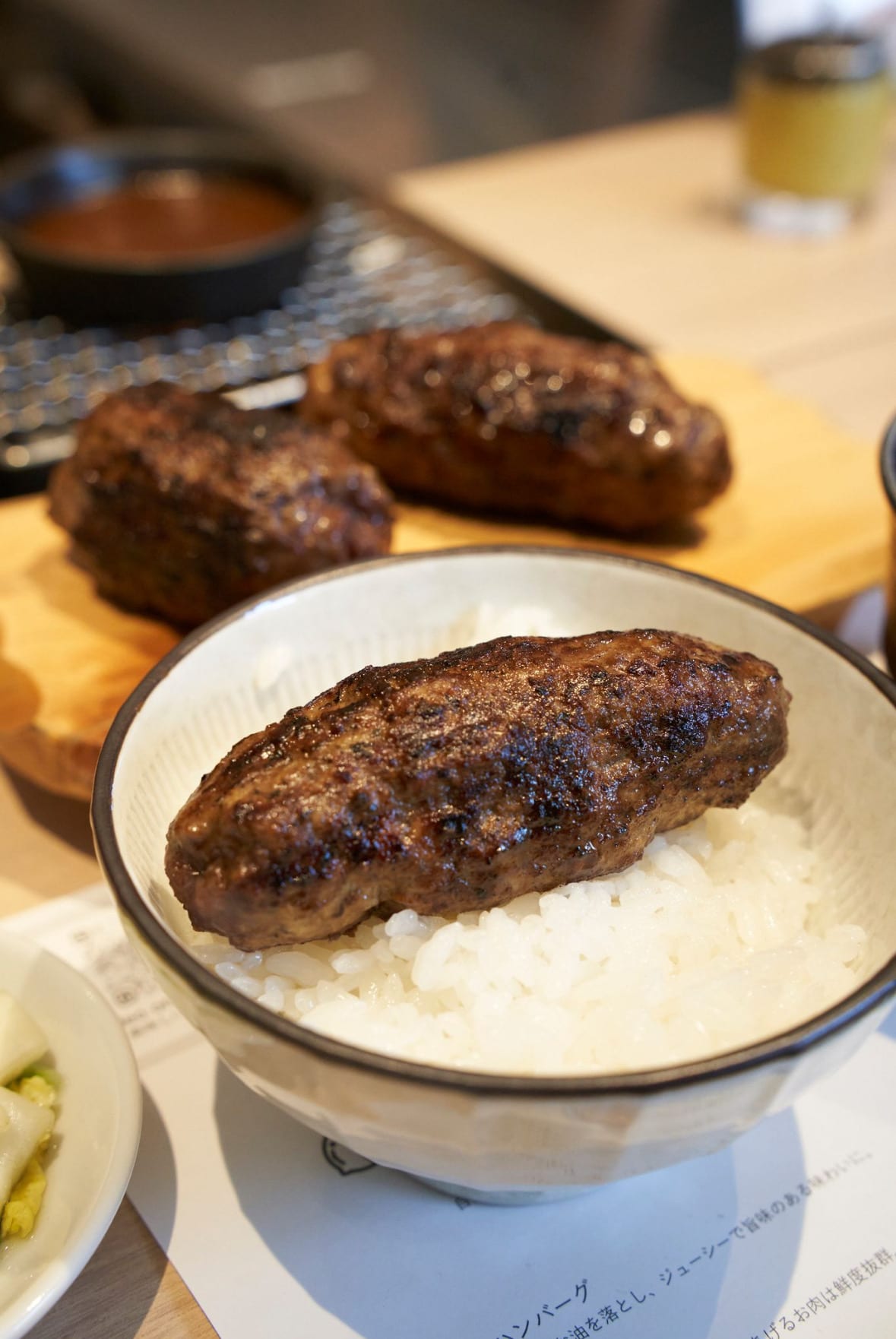
The Hamburg Yoshi meal is definitely more than the burger steak meal we’re used to—in size, flavor, and presentation. Born in the posh Omotesando neighborhood of Tokyo, the star of the show of BGC’s modern bar-seating-only joint is a football-shaped 270-gram-burger that sits on a bowl of fragrant, fluffy Japanese white rice. A meal comes with pickled cabbage, miso soup, an original recipe demi-glacé that is neither too sweet or too rich as to overpower the flavors of the meat, and a raw egg which you can drench your rice with, if you like. What makes the burger special is the meat freshly ground in-store daily and grilled over charcoal—instead of on the usual hot plate—which makes it lighter and easy to eat (despite the tough, packed-tight appearance). The charcoal grilling gets rid of the excess fat and brings out all the juicy flavor.
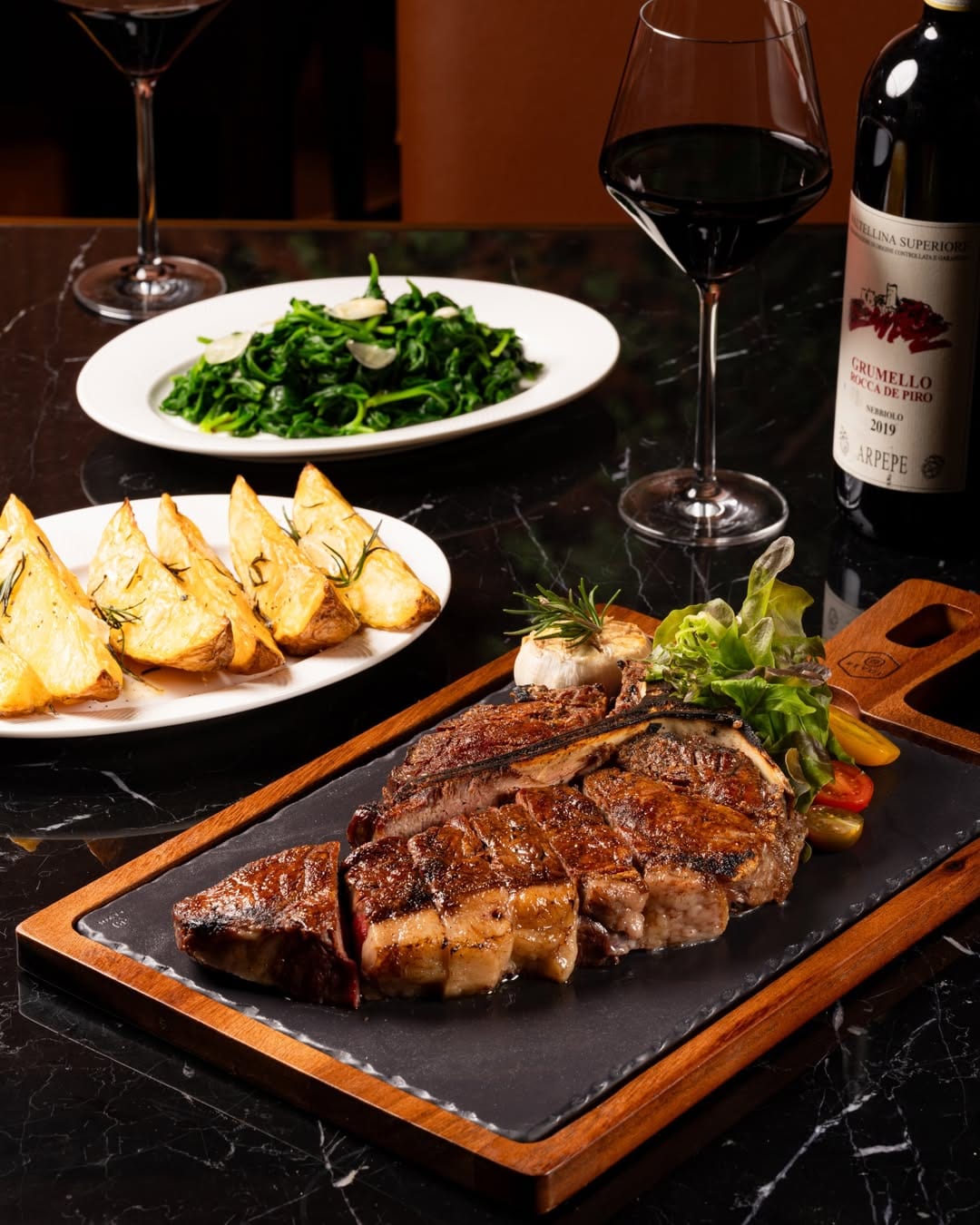
The team behind Wolfgang’s Steakhouse shows us there’s more to them than the indulgent steaks they’ve come to be known for. Earlier this 2025, they brought us Il Lupino—their trattoria-style eatery with outlets in Japan and Hawaii. Excellent Italian fare is the name of the game here. There are pasta dishes like the Linguine alle Vongole Veraci, which features Veraci clams from the Mediterranean Sea; and the Trofie, Speck Pomodorini e Pesto Genovese, which uses troife (a twisted pasta noodle from northern Italy) embellished with pesto, cured ham, and juicy cherry tomatoes. Pizza lovers are in for a treat with their Neapolitan-style pies; have a classic bite with the Margherita, or go for the all-out indulgent Sette Formaggi with seven cheeses: Ubriaco, Pecorino sardo, Buffala, 36-month Parmigiano, Asiago, Gorgonzola dolce, and provolone.
.jpg)
On its face, Incanta Cave Bar & Restaurant is a beautiful place you might picture being somewhere in Makati or BGC. But (with a capital B) it’s a QC baby, right down the street from a couple of karaoke bars. That may seem a left-field choice; indeed, this area isn’t known for the fascinating new things. But it’s a deliberate pick for Chef Frances Tariga of Michelin-recognized Tadhana NYC, and the fully booked nights and presence of repeat customers make it clear said decision was the right one. Her food will show you exactly why she won Sushi Master: the Incanta Cave Roll with with crab, chili, and ikura is her answer to Filipino's unwavering demand for a California roll "which isn't technically sushi," as she says; there’s also the Samurai Roll, where the barbecue-esque note of meaty torched eel meets the soft crunch of ultra-fine shoestring potatoes. There are bigger plates as well, like the Prime Ribeye Steak crowned with a quenelle of truffle butter, as well as a tasting menu. To us, Incanta’s lineup rewards both those who step out of their comfort zone and those who know exactly what they want.
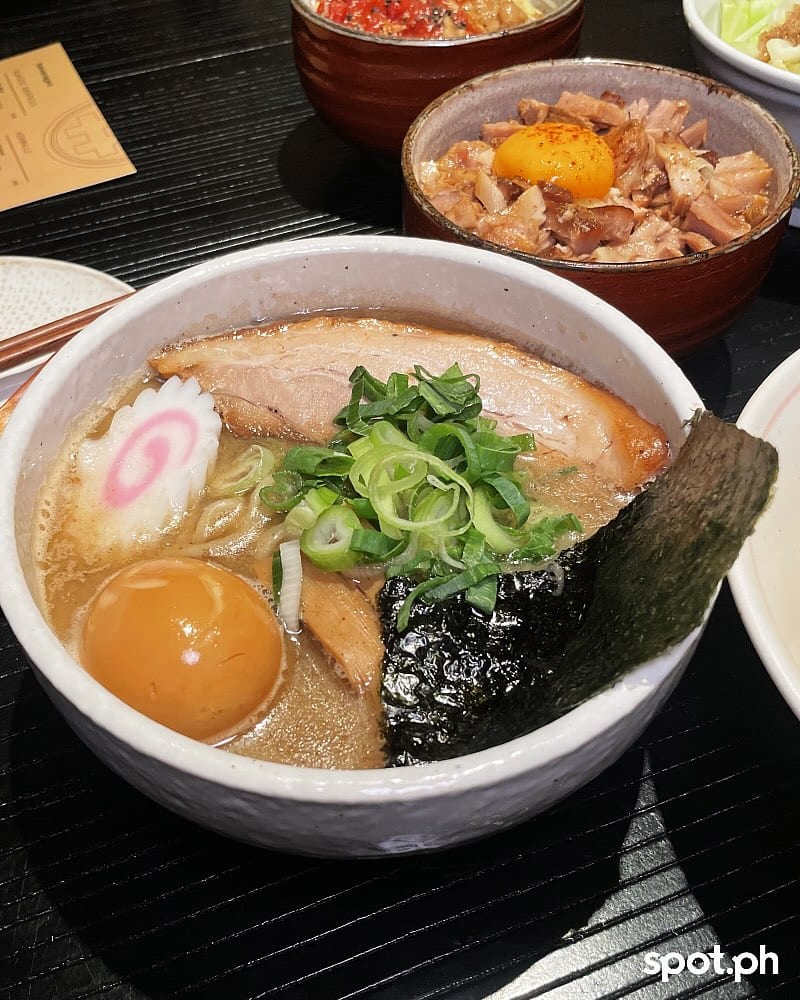
The Inosho ramen is Japan at first slurp—and by that we mean being transported back to beloved ramen haunts in Tokyo, birthplace of Inosho. The Manila outpost is a ramen-ya meets izakaya spot tucked in a sleepy corner of Salcedo Village. But despite the location, it was tough securing a table during the early months, no small thanks to its intense bowls that offer a surprisingly refined flavor experience. The signature Inosho broth of the basic Inosho Ramen is a coming together of rich, porky tonkotsu and umami-from-the-sea gyokai, achieved thru a blend of dried baby sardines, bonito, and mackerel. Add a hefty slice of braised pork to the mix, slow-cooked for half a day, and you’ve got one of the most celebrated ramen bowls of 2025. Don’t sleep on their Tsukemen, either, or the steamed and fried gyoza with miso sauce.
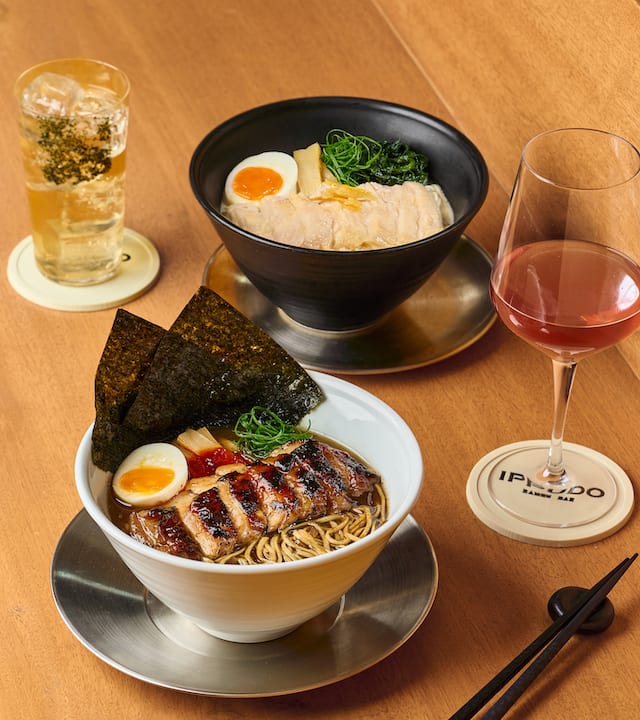
You can think of Ippudo Ramen Bar as the ramen chain’s cooler, more mature cousin that goes well beyond serving the slurp-worthy signature ramen bowls we’ve come to know and love. It’s got a brighter interior with sleek, modern touches but an ultimately zen feel, so it’s as conducive to a filling meal as it is to hip hangouts with your constants. Ramen lovers will be excited to find new bowls on the menu—choose from the lighter White Chicken Yuzu Ramen, or the smokier Grilled Chicken Kuro Ramen—but this Ippudo spin-off also serves sushi, yakitori, and highballs. They’re not calling it a bar for nothing, and these smaller plates that go well with their variety of highballs are designed to make sure you’re staying and having a great time. They still have the classic highball, but if you’re feeling adventurous, consider going for the Genmaicha, which balances the refreshing flavors of a highball with the depth that only the Japanese brown-rice green tea can offer. The Umeshu has a brighter profile, while the Yuzu is perfectly balanced, and should pair well with any of the small plates on the menu.
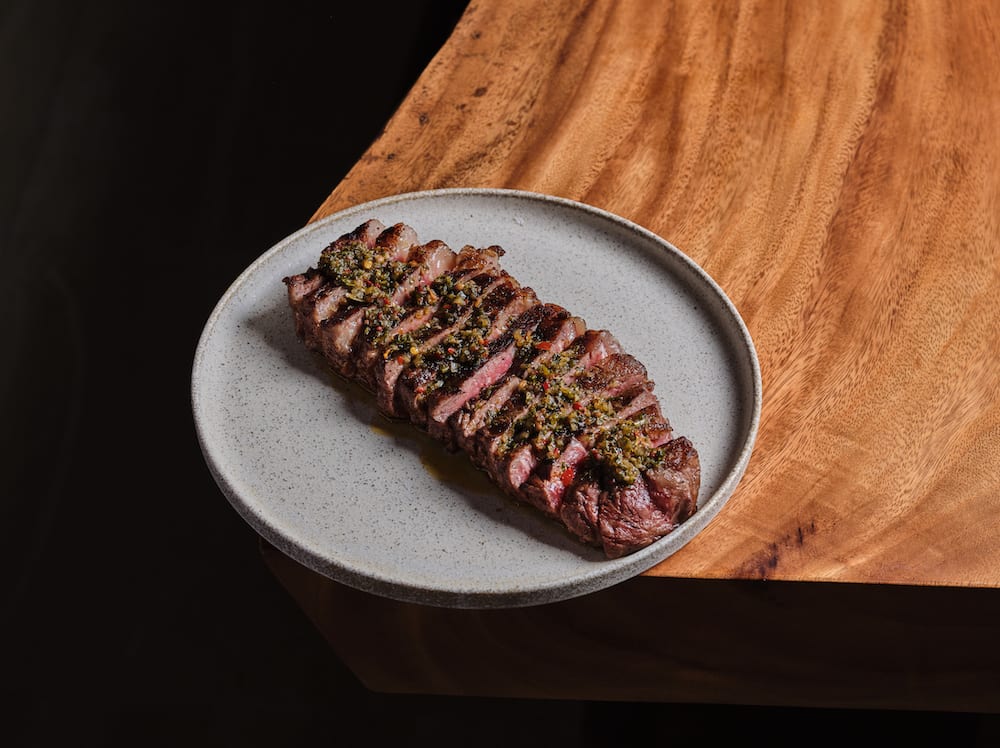
If you’ve dined at Chef Josh Boutwood’s other concepts and think you’ve seen the full extent of what the chef is capable of, you’re gravely mistaken. At Juniper, the chef presents a side of his cooking we don’t get to see as often—one that’s more feminine so to speak, juggling together a delicate hand with a playful spirit in coming up with flavor combos. The name is a reference to juniper berries, one of the defining botanicals in gin, which happens to be Boutwood’s favorite spirit. Fittingly, a selection of gins stock the bar, ready to be had neat or mixed into G&Ts. As far as the food goes, ‘uncomplicated delicious’ is the name of the game with dishes like Wild Mushrooms, Gruyere, White Wine, a fan favorite from Boutwood's previously open pop-up Anvil; Shishito Pepper, Spiced Mayonnaise with its namesake peppers simply charred to bring out its natural sweetness; and Cured Salmon, Smoked Sour Cream, Dill gets its soft floral and pine notes from being cured in juniper berries. Nothing complicated here; just effortless but elegant compositions to keep coming back for.

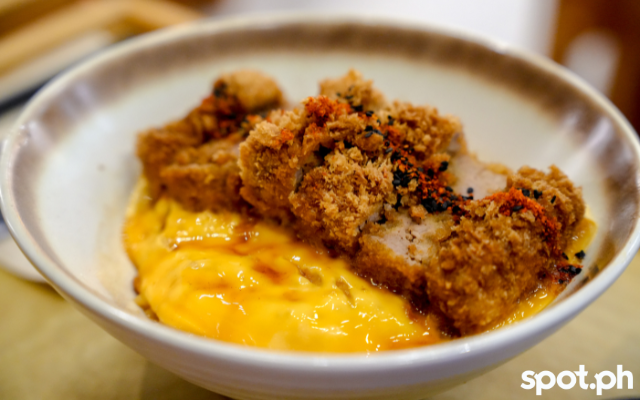
Katsudonya Saiko literally translates to “the best katsudon shop,” and we see why they’re claiming it. Brought to us by the Senshin Hospitality Group (owned by Maxine Marcelino-Sanz and Richard Sanz, also of Inari Sukiyaki and Ginza Gyu), the homegrown restaurant serves up the tonkatsu and torikatsu—pork and chicken katsu, respectively—that we all know and love. But they also go past it with more novel katsu offerings: try the Ebikatsu, which is made with shrimp; or their bestseller: the Gyu-Katsudon, which features a juicy USDA Beef Tenderloin. Each helping of katsudon is served with a fluffy yet silky omelette that ups the richness of each bowl. You’re also given what they call the Three-Taste Sauce—a tri-part side condiment of fresh apple sauce, wasabi, and sea salt that you can dollop onto your katsu (individually or mixed!) to your taste.
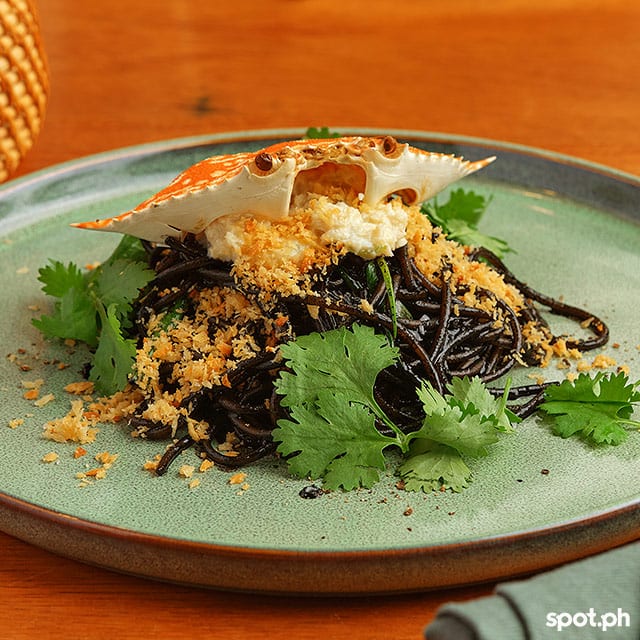
The dining scene in BF Homes changes so quickly that it’s hard to choose which one to go to. But if there’s one name that deserves a permanent spot on your list, it’s Kumba, the second act from Chef Tina Legarda, the culinary force behind an Aguirre OG: Bamba Bistro. Kumba is her creative playground, a space for reimagining comfort food through a distinctly Asian lens—one that champions local produce. You’ll feel her playful energy right from the first bite. Take the P.S. I’m Vegan, for instance: grilled eggplant and bananas in a pineapple-forward curry with Asian romesco and scallion rice. There are mashups that are as unexpected as they are eye-opening, like the Black Pepper Crab Noodles, a bit of a cereal-prawn meets black-pepper-crab situation topped with garlic butter cereal; and the Unagi Kabayaki, served atop shiitake- and bacon-studded fried rice. Occasionally, Legarda also shows her personal side; case in point, the Garlic Porkchop, a love letter to her college comfort meal with garlicky pork, curry sauce, and mango chutney. It’s unconventional, bold, and exactly the kind of cooking that makes Kumba impossible to ignore.
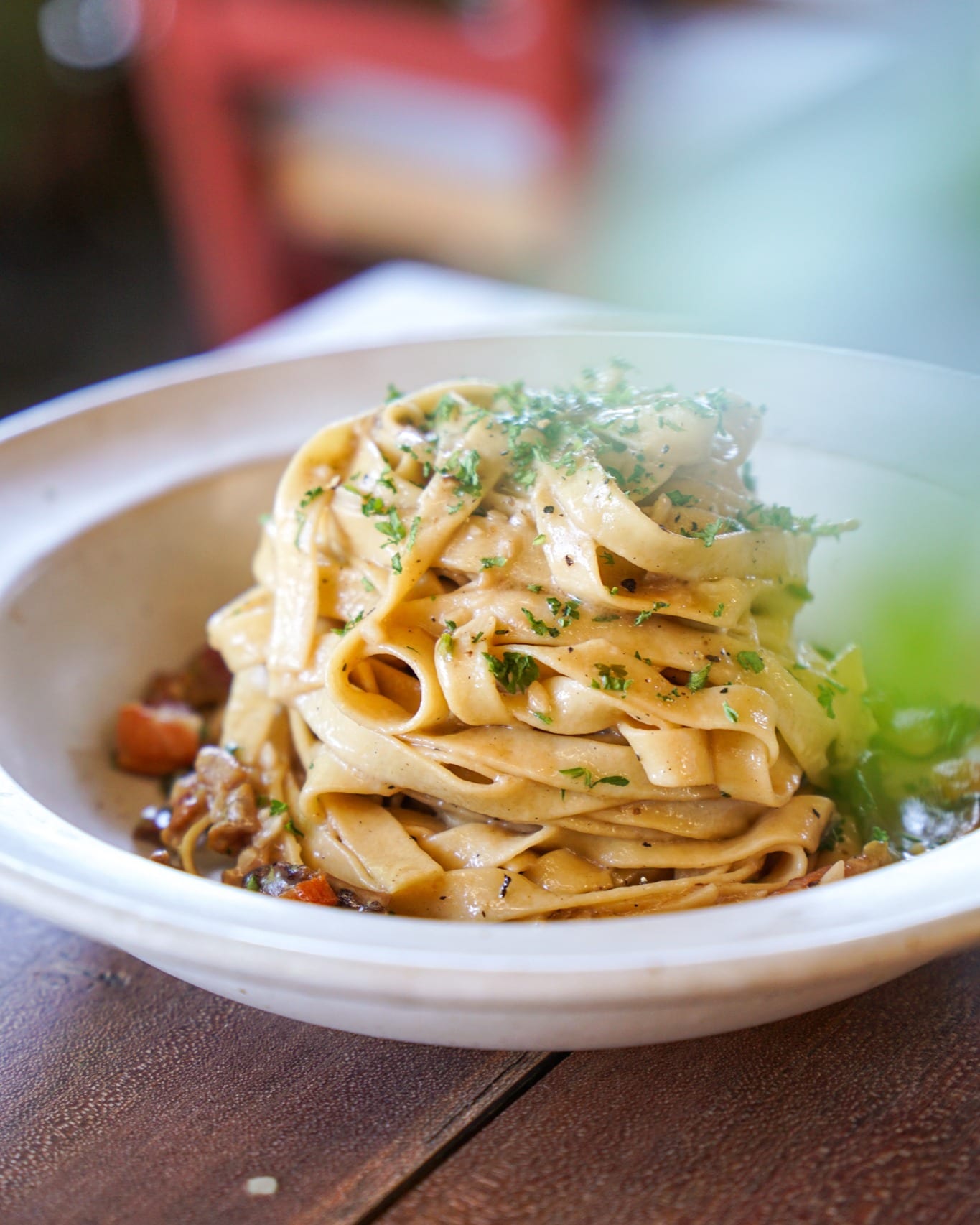
This laid-back eatery dishes out homey Italian meals and handmade pasta that taste like they’re straight from a family kitchen—true to their origins in Siargao. The Lasagna is perhaps the best example of their menu’s core qualities: simple, comforting, and full of flavor. The atmosphere is relaxed, the portions generous, and everything feels like it’s made with genuine care. You can go for tried-and-tested picks they’ve brought over from the Siargao outpost—Spaghetti alla Carbonara and the Tiramisu for example—or try exclusives like the Negros Burrata Salad and Laing Ravioli. La Carinderia is the kind of hidden gem you stumble upon and immediately turn into a city’s worst-kept secret. Your only regret here may be the lines once you tell everybody about it.
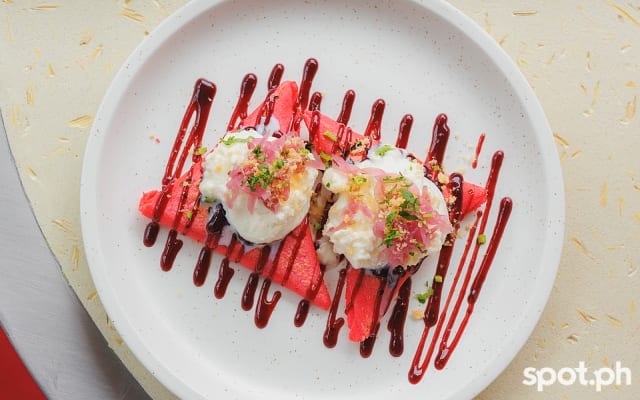
Known for their not-quite-conventional tacos by Chef Bruce Ricketts, La Chinesca has come a long way from their pop-up beginnings in 2013—they launched their first brick-and-mortar at BF Homes in 2016; opened a stall at Rockwell’s high-end food hall The Grid in 2018; and did a pop-up at Balmori Suites in 2024. With the opening of their BGC branch in December of 2024, La Chinesca expands on the brand with a colorful space given design upgrades by Jae Pickrell: books, stylish merch, knick-knacks, even pet treats made from scratch. All-time favorites like the ever-creamy Guacamole and Carnitas tacos maintain their place on the menu of course. Yet along with the visual updates are also new specials on the menu—the likes of Pato Tetelas filled with duck carnitas; Wagyu Suadero tacos with a filling of meltingly tender beef cheeks; and the standout Toro Tostada with buttery slices of fatty tuna.
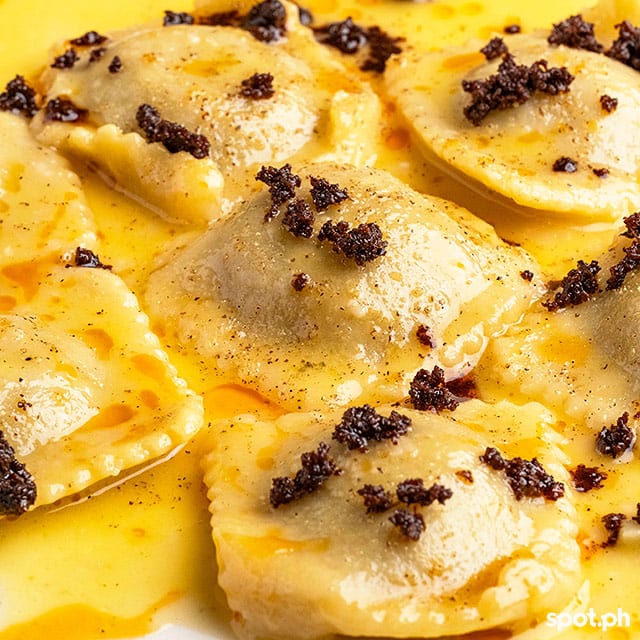
You’d be mistaken to think of La Spezia’s BGC location as a mere rehash of their original Tomas Morato outpost. Owners Vin Yuquimpo and Chef Aaron Shiu go more progressive at the new branch, still taking the fundamentals of classic Italian cooking—particularly its focus on using fresh, high-quality ingredients—but applying it to more present-day combos and incorporating flavors from other parts of the world, too. Think: Half Yellow Chicken using Chinese yellow birds in a deeply savory morel sauce; Goose Ravioli made in-house, drizzled with goose jus and a foie gras emulsion; Ceviche di Capesante, with slivers of barely cooked Hokkaido scallops lent a fruity edge by sliced strawbs and strawberry coulis; and a spectacular Carbonara topped with a 63-C sous vide egg. The space has high ceilings but a homey atmosphere dominated by warm wooden tones precisely fits the way La Spezia BGC juggles familiarity, refinement, and innovation.
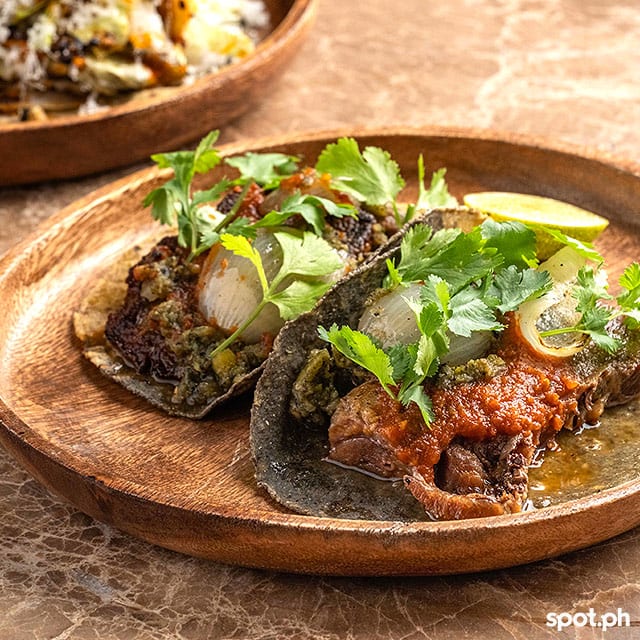
There is a certain instinct that needs to be shut down when dining at Los Tacos; the more familiar images we might have of Mexican food don’t quite match what you get. This is especially true at the taqueria’s permanent outpost in Taguig—a significant step for the taqueria, which began as a delivery-only purveyor during the pandemic, and did a long-term pop-up at Paseo de Magallanes in 2022. They expand (even further) from their birria-focused beginnings, but what both the old and new offerings do reflect is the richer story; one of complex yet completely common flavors, bursts of color and aroma, and making the best of what’s available in terms of both resources and tradition. True to their Instagram bio, Los Tacos often bends (or breaks, or utterly ignores) the rules to great results. On their roster are the likes of Shrimp Tostada with a drizzling of crab fat crem; Ceviche with juicy swordfish slices and slivers of strawberries; and the feisty Lengua Taco that’s especially fiery thanks to the addition of salsa with Chile de Arbol. Don’t miss the big plates either, like the Pato con Mole—an all-at-once smoky, herbaceous, and indulgent medley of duck breast; a dark, rich, yet spiky mole sauce; and cilantro rice fried in duck fat.
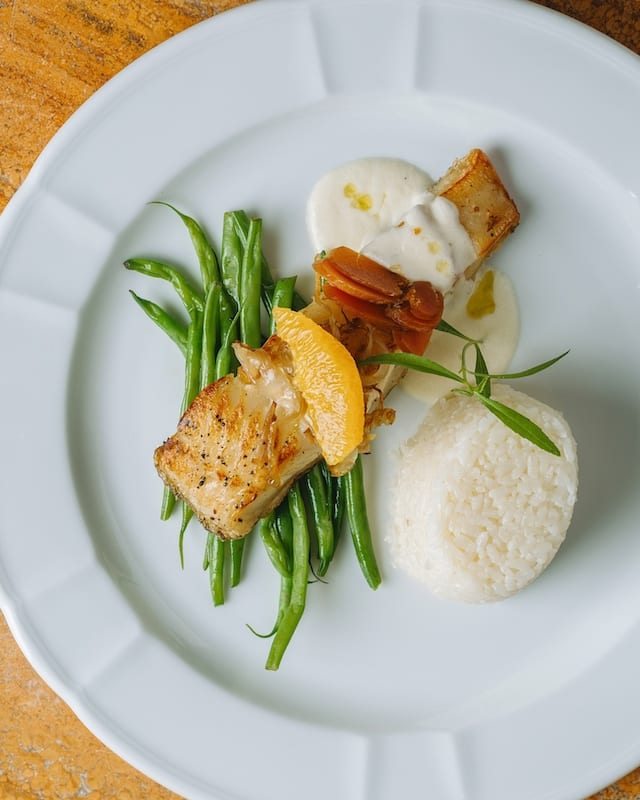
The late Chef Margarita Forés established the first Lusso at Greenbelt 5 in 2009, and it continues to embody its namesake (Italian for “luxury”) by serving fine plates in an elegant (but relatively easy-access) setting. We get to witness Lusso at its most monumental at their Podium branch. Much of the old-world charm and elegance of the original is there—think velvet-lined seats, gold and brass elements, and glimmering chandeliers on the ceiling—but with a larger space that spans two stories, it better evokes grandeur and elicits even greater oohs and ahhs. You’ll find your Lusso favorites here, from the Barquillos Cylinders garnished with salmon roe and prosciutto, to the Luxe “Mac and Cheese” made with pancetta and a trio of cheeses, to the Grilled Entrecôte with a béarnaise sauce—all of which are emblematic of Forés’ enduring legacy.
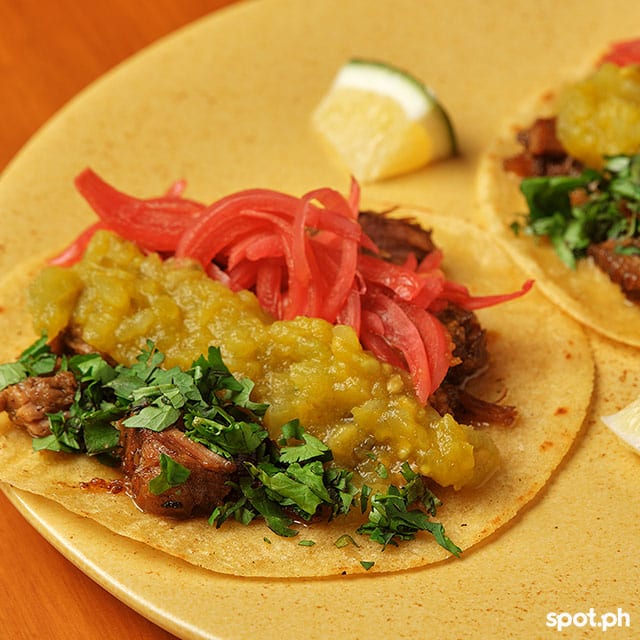
Chef Charles Montañez’s love for Latin American food runs deep, and while he can certainly pull off more elaborate, high-level culinary outputs (as we saw at Alegria Manila, which he formerly helmed), he's also able to demonstrate his cooking chops in more casual dishes, including those as seemingly simple as tacos. Mamacita allows the chef to showcase these skills in a kaleidoscopic, two-storey space adorned with paintings and knick knacks depicting Calavera and other Mexican emblems. They go every bit as bold in the flavor department—whether you go for the Elote with fiery chipotle mayo, Doritos, and seaweed; their tacos, which include the perfectly light and crisp Baja Fish and the Campechano with steak and Mexican chorizo; or the more heavyweight plates on the menu, like the Prime Beef Short Ribs con Mole with a hearty mole sauce you’ll want to lap up to the last drop. It definitely doesn’t hurt that they’ve got 20-plus sauce and salsa options (all made in-house!) that you’ll want to mix and match with your plates. Of course, they also have a line of tequila-based cocktails for your perusal; try the Acapulco Baby! with Ocho Blanco tequila plus jackfruit, pineapple, and pandan for Southeast Asian flair.
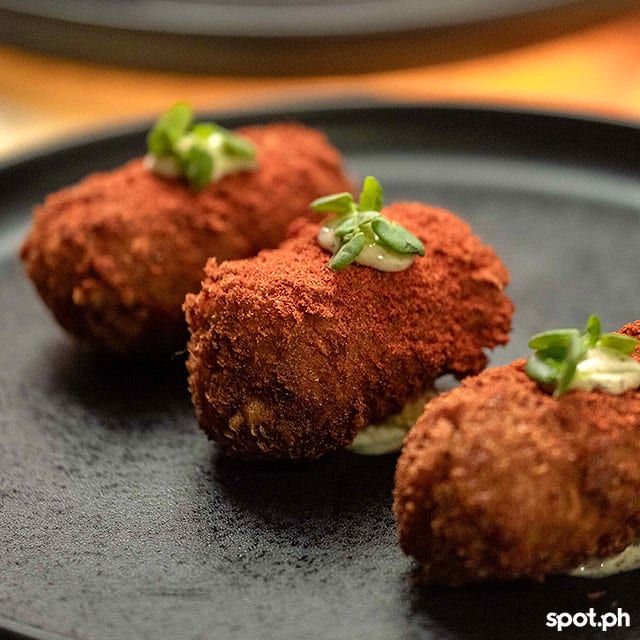
Matador clearly places great attention on food even as it is by and large a wine bar. Which is the reason why it found its way in this list. From two of the best craft cocktail destinations in the city, Bar Flora and ReCraft (both of which happen to be in QC), Matador has a novel approach in its wine programming—it offers a tight selection that are categorized into three characteristics: straightforward, bold and experimental—while its bites are invitations to exploration, nuggets of surprises even as they may appear like your usual pairing chow. Their croquetas are vessels of velvety potatoes and either edamame or shiitake mushrooms. Their Brie Tempura Toast—creamy brie cheese coated in tempura batter then fried to a crisp—is a playful reimagining of the cheese sticks, a staple pulutan in Pinoy inuman. Their Gambas is made distinctly theirs with chistorra, cream, and mojo verde which gives the dish a bright acidity. In short, the food here gives you more reason to stay longer and drink more, or maybe even skip the wine altogether.
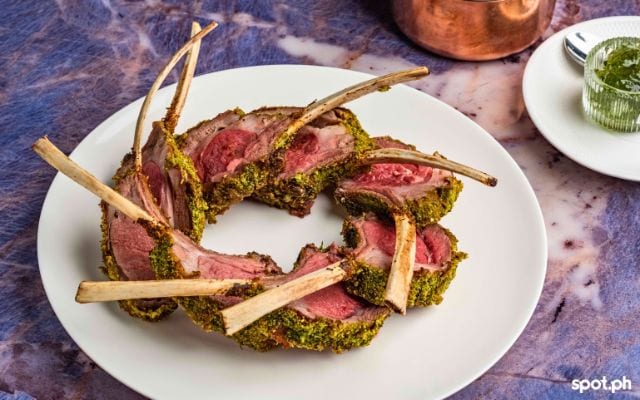
The people behind The Palace obviously know how to party. But they can similarly ace the dining game—a point they demonstrate with a bang at Medusa Supper Club, their latest shiny gem in Bonifacio Global City. Designed by John and Pauline Sac of 50/53 Architects, the space is art deco on steroids, and easily our pick for Most Beautiful Restaurant of the year. But Medusa’s beauty isn’t just skin-deep—because whatever comes out of the kitchen is just as memorable. And that’s all thanks to chefs Lisa Revilla, David Thien, and Ruther Sandico who all bring serious pedigree to Medusa’s European comforting yet dramatic plates. Think Croquettas that are filled with raclette and béchamel; a Crispy Salmon Sushi that lives up to its name; and the Tuna Tartare, raw fish in tangy, umami dressing, crowned with puffed nori sheets and flower petals for appetizers. For mains, the Roasted Lamb Rac is well worth the four-digit splurge, as it features bone-in lamb with a parsley-garlic crust, and you’ll definitely want to save room for their Basque Brûlée Cheesecake for dessert. Bonus: the gin-based Gorgonette and vodka-laced Priestress are proof that cocktails can be both beautiful and dangerous.
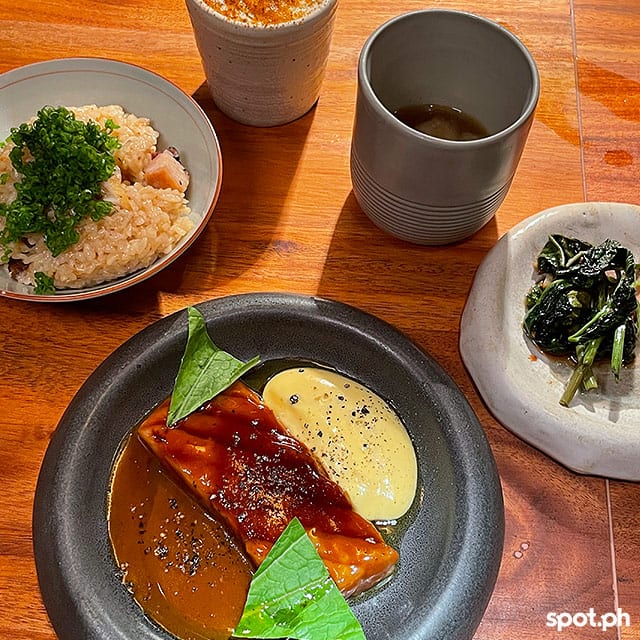
Metiz, which opened at in Karrivin Plaza, Makati in 2019, was never one to scream for attention. But that didn’t stop them from landing on the radars of diners in the know, as well as international awarding bodies like Asia’s 50 Best (they were No.48 in 2023 and No.84 the year after) and the Best Chef Awards (for Chef Stephan Duhesme, in 2024). After closing for renovation in January and holding their three-month Asamin pop-up at Rockwell’s Balmori Suites, they announced their reopening in August, and this rebirth is materialized as Metiz 2.0. It’s in precisely the same location as before and maintains much of the low-key charm of the original, but the renewed space boasts a sleeker look with a bigger portion dedicated to the open kitchen. As with the earlier Metiz, the restaurant is in many ways a playground for chefs Stephan Duhesme, Arlo Gregorio, and the rest of the team to explore Filipino cuisine and all the possibilities with it. Its main offering is a tasting menu that puts local ingredients in the spotlight—in particular, seasonal produce, used fresh or turned into pickles, preserves, vinegars, miso, and other preserved or fermented byproducts. They follow a general flow though the exact interpretations can vary per visit. Some standouts from a recent meal are the Ensaladang Gulay, a demonstration of their great hand at plants, bringing together cooked and raw veg on a plate (including carrot puree, soy-caramel marinated eggplant, steamed amaranth, and ampalaya); and their updated Ensaymada, now with a richer, fluffier bread base versus the original, plus a sidekick of crustacean sauce drizzled with a condiment of black garlic. They also do an excellent and very Filipino spread that features isda (during our visit it was aged tuna belly with a fermented tamarillo-pineapple glaze, blanketed by batitis hollandaise and smoked mushroom pork jus); kanin (with salted prawns and mushroom stock); sabaw (native chicken soup); and gulay (sautéed veg).
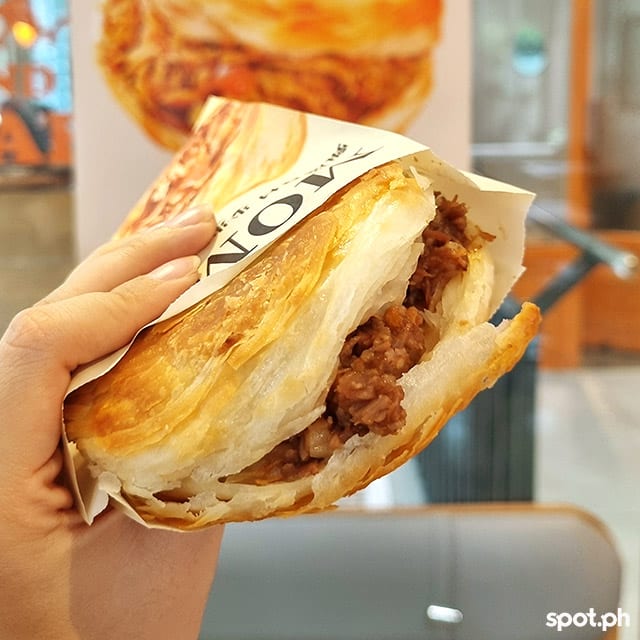
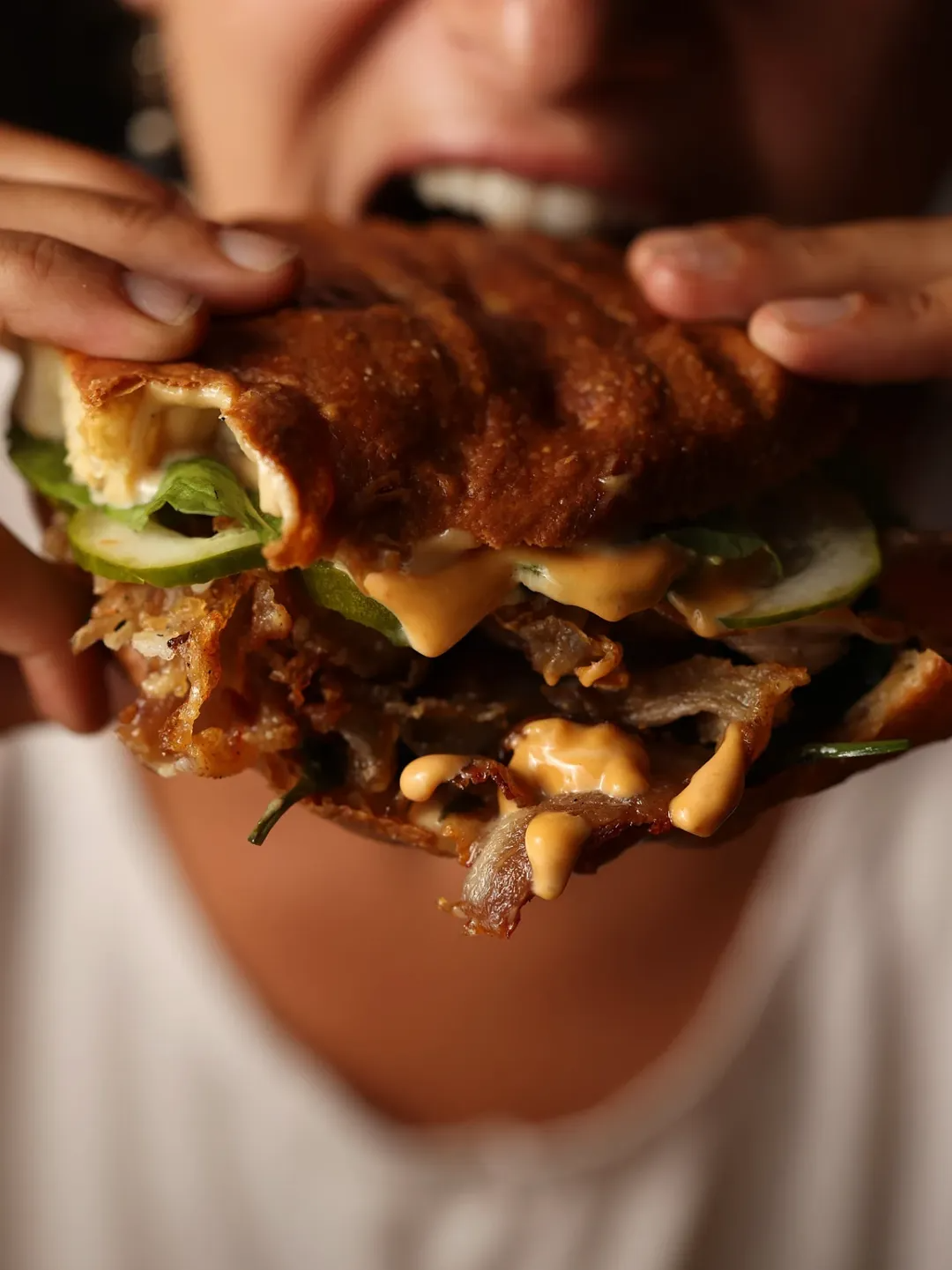
Momojia is a Chinese restaurant, but if you’re thinking of the usual fare of dim sum, noodles, and family sharing platters we’ve come to love of Taiwanese and Hokkien cuisine, you’re in for a surprise. Tucked on the second floor of The Grid Co-Living in Makati, Momojia grew to fame for offering a street snack that’s usually hard to come by in these parts: the roujiamo or rougamo, a simple yet filling sandwich that’s been a street market staple in the Muslim quarter of Xi’An, recordings of which go back to 2,000 years ago. Some might liken roujiamo to a Chinese burger, but it’s truly much more than that, as it’s got succulent, slow-cooked meat sandwiched between flaky flatbread that’s a cross between a croissant and Taiwanese sunbread—indulgent stuff it is, alright. Beyond their famous sandwiches, Momojia also serves Biang Biang Handmade Noodles, which is topped with ground Chinese chili, mixed veggies, a fluffy tomato omelet, and flavorful spiced pork before it’s finished with a splash of sizzling hot oil to bring the dish together.
.jpg)
Originally founded in Chicago in the ‘70s, Morton’s is a legend in the American steak scene that has happily made their way to the Philippines thanks to The Bistro Group. They do, of course, follow the principle that immaculate vibes are essential to a great dining experience. It sort of comes down to interpretation; you can either be intimidated by the dark, swanky-leaning interiors (think shiny black tiles, blinding steel, warm mood lighting), or you can lean into the opportunity presented to you. Beyond that, you’ll find they really do it up right—from the classic Caesar Salad to the heavily but masterfully marinated Cajun Ribeye. (And don’t even think about missing out on the Onion Loaf; it has all the fun of hotel bread plus that hint of allium funk.) No wonder it’s won over Manila’s steak-loving crowd, even topping the favorites list of Chef Chele Gonzalez.
.jpg)
Jorge Mendez’s 10-seater ramen bar called Mugen quickly attracted long lines when news broke of its opening. And for good reason: It offers bold-flavored bowls with a light and clean finish. The menu is easy to navigate. Begin your meal with the Gyoza; its quiet simplicity should take you back to your favorite dumpling spots in Tokyo. Next, relish the flavor-packed broths and layers of umami from any of the four ramen offerings. The Tonkotsu is the chef’s personal favorite, with a pork broth both smooth and complex, the noodles in just the right thinness, and the chashu mortadella giving you a nice, pink and slender meat to bite, infused only with a touch of flavor so the broth itself can own its main character vibe. But if we’re talking boldness, the Wagyu Ramen and Crab Ramen are your best bets. The former is a feast of chives and onions, garlic chips, fresh egg yolk, tendon and A5 Wagyu slices. The even bolder Crab Ramen is infused with laksa elements and a generous amount of delicious and savory crab meat. For the rice fan, you’ll find the Wagyu Chahan irresistible—we’re talking luscious strips of A5 Wagyu on top of sticky, savory, and peppery Japanese rice.
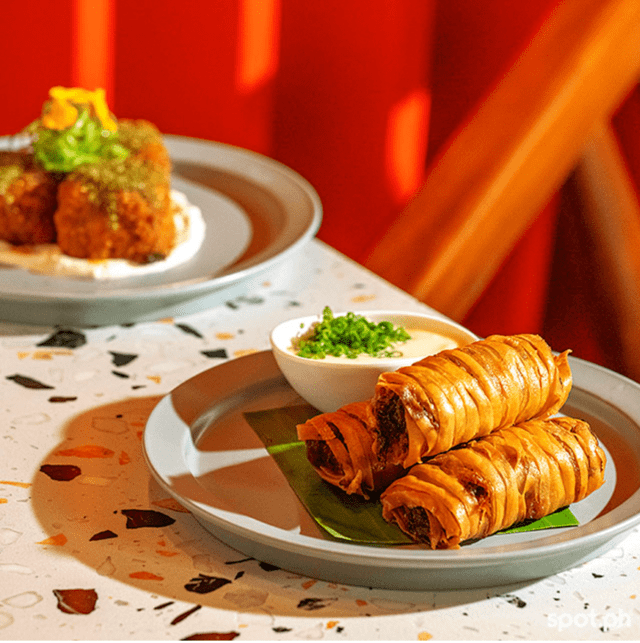
Tapping on their playful imaginations and extensive research on local cuisine, and then pooling together memories from their youth, chefs Don Baldosano and Angelo Comsti came up with one of the year’s great surprises: Offbeat, beloved for its inventive interpretations of lesser known Filipino staples, and its use of homegrown elements from city sari-sari stores to regional kitchens. The cherry red interiors can only be a symbol of its boldness, while the papier mache figures on the shelves emphasize its Filipino identity. The menu well mirrors this marriage—consider its Bibingka, an appetizer here, which ups the savoriness of the midnight mass staple with shrimp, smoked queso de bola, puffed rice, cured yolk, and salted egg. And then there’s the popular Ginataang Pansit, a Filipinized vongole if you will, with clams, burnt coconut noodles made in house, and pancit bato cooked in coconut milk. The Fried Chicken Inasal is another top pick that marries its namesake’s best parts: the citrusy zing of inasal, and the crackly crust of a good fried bird. No gimmicks here, just thoughtful—and offbeat—ways of making the familiar enjoyable again.
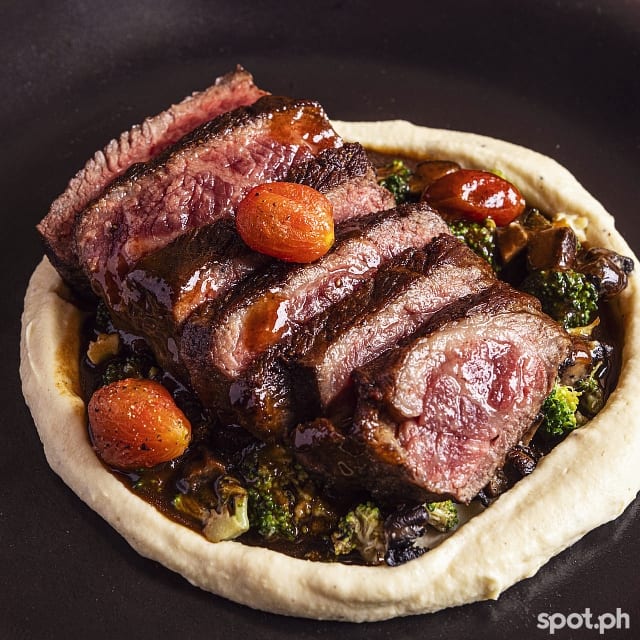
Osteria Antica is Wildflour Italian reborn and armed with a menu more generous with options. It also boasts a beautiful, sophisticated bricks-and-wood covered space designed by architect Lara Fernandez perfect for kicking back and shutting off the rest of the world. Heading the kitchen is a familiar face in the local dining scene, Chef Carlo Miguel, who this time is just happy to go back to the basics—but with thoughtfully considered elements and techniques. It’s most proud of its very tender Smoke River Zabuton which is packed with umami, wet aged for a month for that extra buttery mouthfeel; the Pompano Al Forno slathered in bagna càuda; and the Burrata— a beautiful bag of cheesy goodness from Negros Occidental right smack in the middle of a spread prosciutto, hot honey, balsamic vinegar, and—for that added surprise of sweetness and freshness—wood-fired pineapple. Guess you could say Osteria Antica is Wildflour Italian with extra zest.
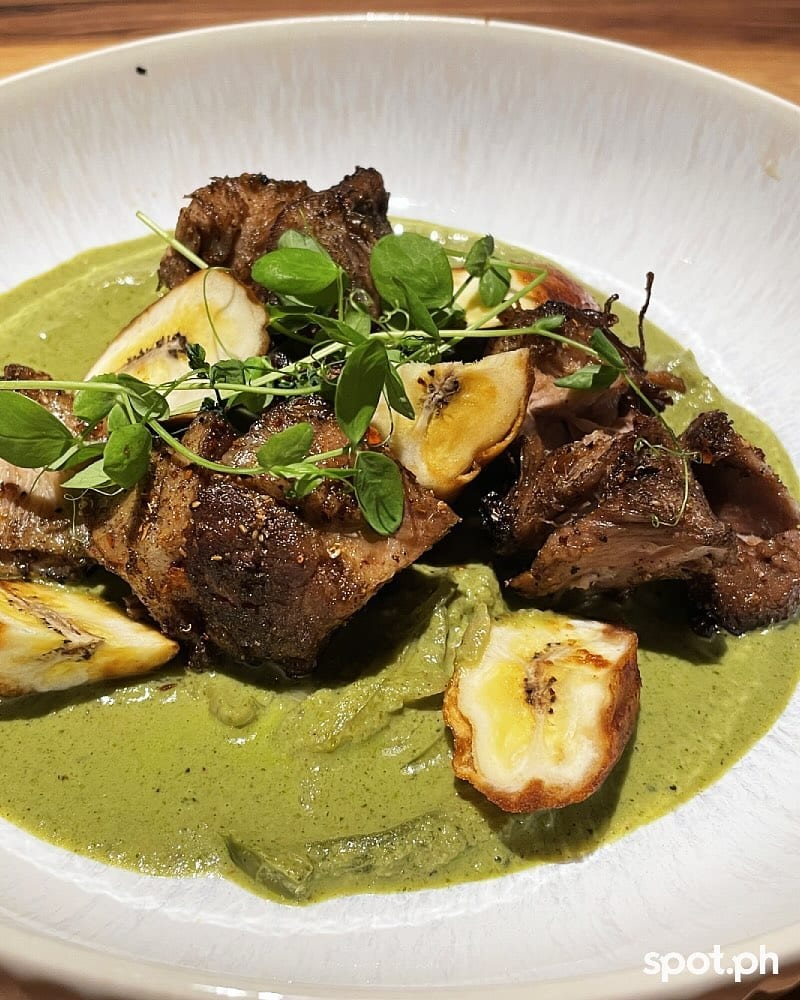
There’s an eternal charm to finally coming home after a long journey—exactly the feeling evoked by a meal at Po & Pilar. The place resembles a family-owned house that’s dominated by wooden furnishings and Machuca tiles (remnants of Amoroma, the Italian restaurant that used to take up this space). Similarly, nostalgia is the driving force behind their menu, which consists of small and big plates inspired by the owners’ grandmothers but given contemporary spins. There’s the Lamb Green Curry BananaQ, which pairs together tender lamb shoulder, coconut curry sauce, and fried bananas; the Bucatini "Norma-Napolitan", where sweet-umami spaghetti gets a topping of fried eggplants and egg floss; and the Galunggong "Escabeche" White Bean Sinigang, a convincing argument for having fish and tamarind-kissed white bean puree together in one vessel. Being brought to us by the folks behind The Curator, you can expect stellar drinks served up from their bar—the Lure of the List with Monkey Shoulder whisky, lemon, and lavender honey is a fan favorite for good reason.
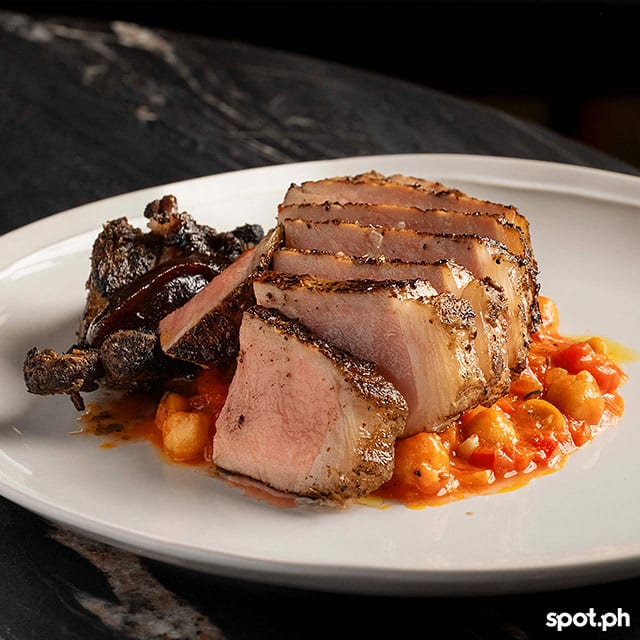
It starts with the deceptively simple—and the simple has to be 100% right, because there are no bells and whistles to mask deficiencies. For example, the Crudo at Idalia gets the sprightly, springy treatment—that is to say, the full barrage of richness, heat, and acidity that we’ve come to expect from every iteration of citrus-denatured fish around the world. There’s something about the guajillo crema in particular that lends itself well to the firm and nutty-sweet snapper. But you may or may not find it again here; Chef Kevin David gets bored easily and is as unapologetic as Idalia itself.
Those who follow the more niche avenues of the food scene would be familiar with the name, initially a private-dining concept that has now opened its permanent dining space in Makati. The interiors aren’t quite industrial and not quite stone-age chic either, but a fairly modern mix that signals ‘experimental’—fair enough, because David is always dreaming up and developing the next thing.
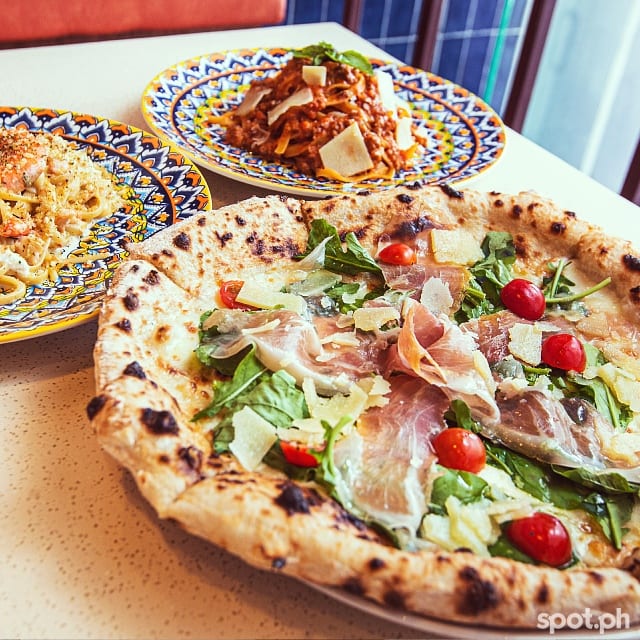
Rossopomodoro first opened its doors in Italy in 1997, and this year it found its way to not one, but three spots in Manila, to do one thing: serve real-deal Neapolitan-style pizzas to a Filipino audience. Filipino-Italian chef Jonathan Marchello helms the Philippine branches of the restaurant and pizza chain. Their Italian leg ranked 29th on 50 Top Pizza’s list of Top World Artisan Pizza Chains in 2024, so it goes without saying that their pies are a must-try. They use a Neapolitan pizza dough takes at least 24 hours to prepare, and bakes up to a wonderfully chewy crust with airy edges that are blistered on the surface. Cheese lovers should try the Cinque Formaggi, a five-cheese pizza leveled up by the playful addition of hazelnuts, while the Ventura—Rossopomodoro’s take on arugula and prosciutto pizza—makes for wonderfully balanced bites. Aside from pizza, you can get entrees like the Porchetta, the classic Italian roast pork dish; or Tagliata di Manzo, a steak-and-salad situation that uses grass-fed beef.
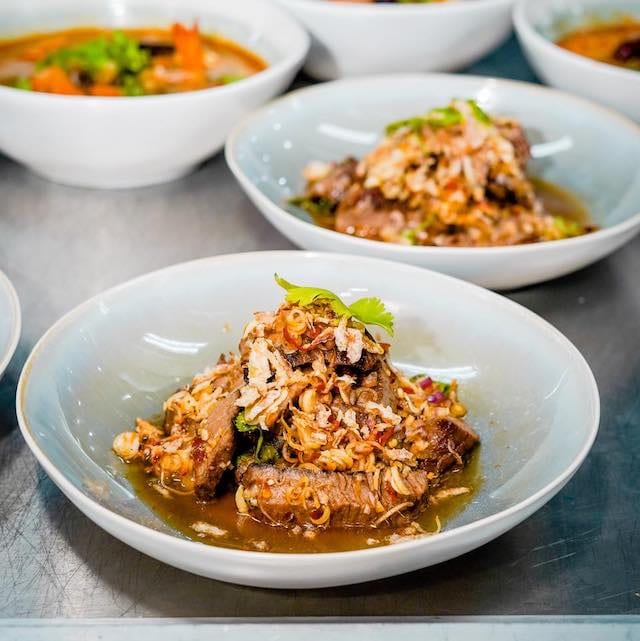
Filipinos have long welcomed Thai cuisine with open arms—and while most Thai spots here focus on classic interpretations of the cuisine, there, too, are places like Sabai that seek to respect tradition yes, but also propel things forward. Behind the hip spot in BGC is Thai chef Assavadathkamjorn Puwadol, whose resume includes stints at two-Michelin Starred Sühring as well as Løyrom with ex-Noma chef Cuan Greene. Its snazzy space juggles red tones on the wall with wooden surfaces, while accents with rounded edges bring a playfulness to the look. The menu has its share of classics like Pad Krapao and Panang Curry, as well as lesser-known Thai faves like Pla Tod Kamin (fried fish in turmeric and garlic) and Nhaem Sam Chun Tod (fermented pork belly). But you don’t want to miss their more contemporary small plates like the Kanom Krok na Hoi Shell or seared scallop in Thai coconut pudding—perfect paired with cocktails like their white rum-spiked, ginger tinged Lychee Zing Zing.
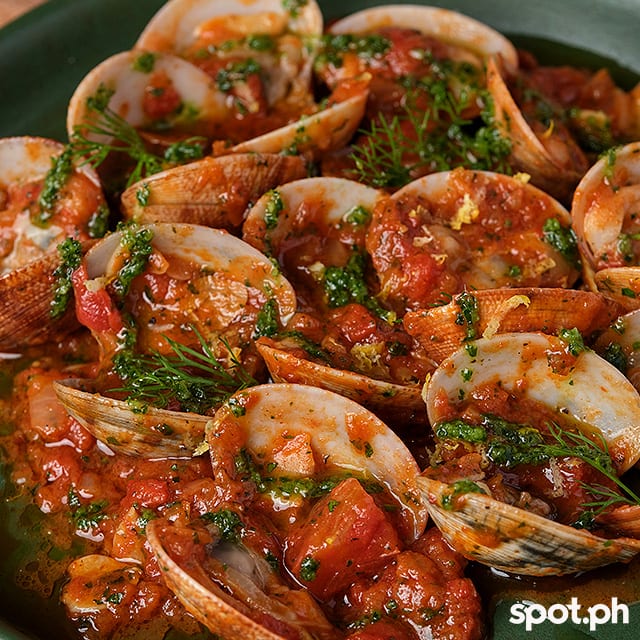
From the Nikkei Group comes Sala Martinez, which you could just about consider a Mediterranean oasis conveniently located inside one of Manila’s best-known malls. The design alone makes its identity clear—their cozy space within Shangri-La’s Streetscape collective of restaurants is one dominated by earth tones; wooden fixtures; and soft, warm lighting from the rattan lamps hanging from the ceiling. Their name, of course, comes from chef and owner Luis Martinez—also the wiz behind Alma (Siargao and Poblacion) and Terraza Martinez (BGC), who embeds himself onto the menu with dishes of his hometown of Valencia. Available here are some winning dishes from Terraza Martinez—among them, the gooey Gorgonzola and Spinach Croquettes topped with caramelized onions, and the Paella de Vaca with U.S. hanging tender and a whole hunk of bone marrow. But there is what seems to be more focus on seafood at Sala Martinez, with exclusives like the Almejas Marinera, or clams in a hearty tomato-wine sauce begging to be sopped up with bread; Lapu Lapu al Ajillo, or lapu-lapu grilled to perfection over charcoal; and the splurge-worthy Rodaballo al Carbon, or charcoal-grilled turbot.
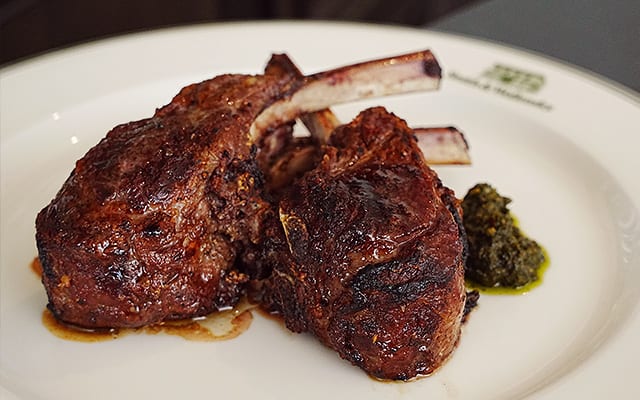
More than being a Miranda Priestly-approved steakhouse, Smith & Wollensky is a bona fide cult favorite—and a massive one at that. With a seating capacity of roughly 200 diners, the BGC outpost takes over the whole second level of The Finance Centre, and is divided into sections: there’s a grand space with a main dining area; private rooms; a function area; and even a jazz bar. Obviously, there's more than enough space for everyone to enjoy their lineup of dry-aged prime cuts. You can’t go wrong with a ribeye, a bone-in New York strip, or the classic porterhouse. But if you have the means to splurge for what could be the best steak for your life, try the American Wagyu Swinging Tomahawk that’s priced at P25,000 for a 44-ounce portion good for sharing. And don’t forget the steak upgrades: Roasted Bone Marrow, known to insiders as “the butter of the gods”; Rossini Style, with foie gras and truffle; and Lobster Oscar, a rich mix of lobster and hollandaise. For a real grand ending, save room for their signature dessert—the aptly named Gigantic Chocolate Cake.
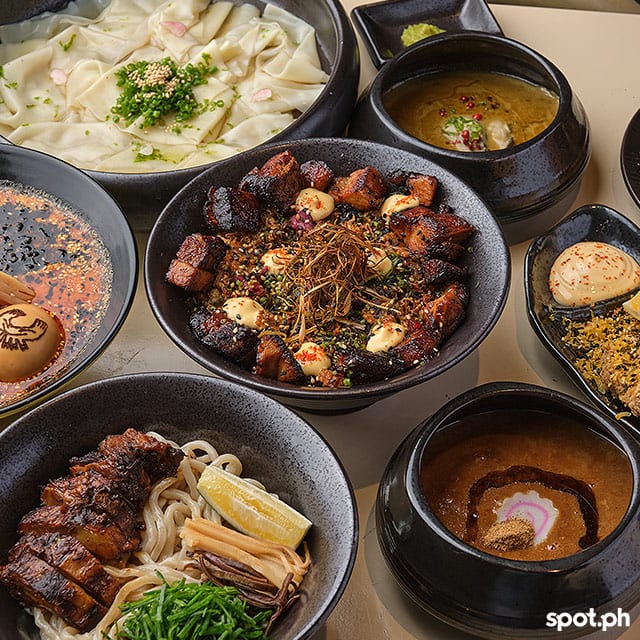
Karrivin Plaza continues to be full of surprises. Their squad of restaurants gets a mischievous Japanese player in the form of the The Underbelly, a semi-hidden, playful ramen-ya conceptualized by Hydra Design Group’s Dan Matutina and brought our way by the Tasteless Group. Chefs Jackson Chua and Noel Mauricio bring together their culinary A-game here, infusing the classic Japanese noodle soups with their own creative twists. You could go with the more familiar, like Billy’s Belly with a tonkotsu broth, buta kakuni and fried leeks; or the Tan-Tantrum, which is their spicy take on tantanmen. Feeling more adventurous? Order a bowl from their tsukemen or dipping noodles menu. The veggie-inclined are in for a treat with the Anti-Belly, which has flat udon noodles served with a cold sesame broth and wasabi on the side. Definitely don’t pass on the Shell-Yeah, either—flat udon noodles in a rich oyster broth spiked with pink peppercorns for welcome pops of zing.
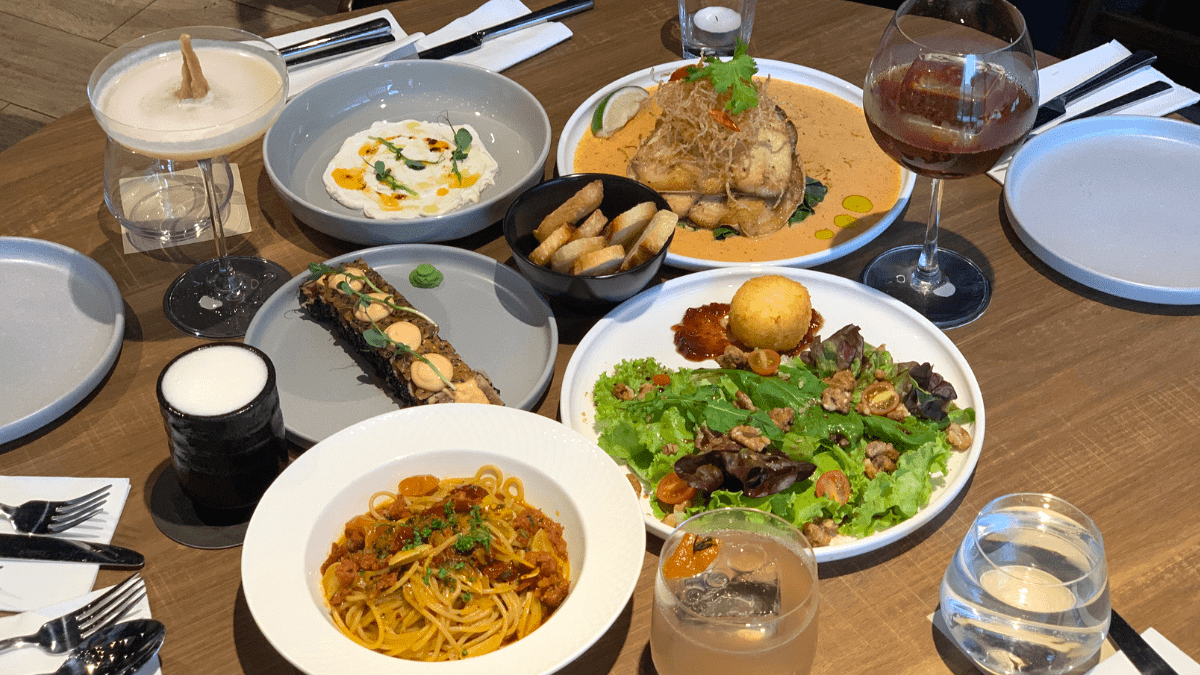
The love for food runs deep in the Lim family, and they invite us to dine with them at the table by way of Three Dots in Greenhills. Named after the three siblings primarily involved—a sister who bakes, a brother who cooks, and another brother who mixes cocktails—the restaurant lets diners in on a more sophisticated version of the family gatherings co-owner Sean Lim grew up hosting. From the layout of the restaurant to the menu, everything is grounded in one thing: simple, thoughtful food done really well. And they’ve done really well, evident in their lineup of casual dishes that take inspiration from their travels. There are appetizers like the Three Dots Salad, a Lim family favorite served with a deep-fried goat cheese ball for a crunchy contrast; pasta dishes like the Spicy Chorizo Pasta combining garlicky shrimp and savory chorizo; mains like the pan-seared Pompano takes with Southeast Asian flavors, served over crispy fried vermicelli and drenched in a rich laksa sauce. End your meal with their Classic Burnt Cheesecake, and don’t forget to order your cocktails—a highlight of which is the Manhattan-inspired Cinder smoked with cherrywood right before serving.

Words by Patricia Baes, Bea Faicol, Jerome Gomez, Michiko Manalang, and Camille Georgia Uy
Cover photo by Jar Concengco
Cover design by Warren Espejo
Videos by Jino del Mundo, Greeko Joy F. Junio, and John A. Mariano

For Trish, food is as much a source of pleasure and fuel as it is an outlet for creativity; a medium by which stories can be passed on; and a way to connect with others.

Bea Faicol runs on questionable amounts of coffee.

Jerome Gomez is Spot's EIC. He counts knowing how to roast a chicken, make Korean army stew, and mix a good Negroni among his great accomplishments in life.
If you’ve never been afraid of how much someone loves food, you’ve never met Michiko Manalang. She predictably has multiple cats; she less predictably can row 70 pounds.

Camille Georgia Uy is Spot.ph's Managing Editor. When she's not managing Spot's day-to-day operations, she's managing her loved ones' next food trip or vacation, and you can bet she's got a Google sheet for those, too. Georgia believes good food is made better when you're eating with great company, and that most problems can only be solved on a full stomach.