Spot Out of Town: The Best Places to Eat in Lipa, Batangas
Of course lomi, but it's not just lomi.

Published on Aug 1, 2026
(SPOT.ph) Lipa may be known the prime location for lomi and kapeng barako, and sure enough there's plenty of that around. However, the food scene in this part of Batangas is so much more diverse than that, and Lipeños will be all too happy to let you in on a few not-so-secret spots that can surprise you in the best and most delicious way.

In this Spot Out of Town trip to Lipa, Batangas, let us show you that Lipa's rich historical background encompasses more than just the bahay-na-bato and old churches; Lipa is also home to proudly Filipino dishes that have been passed down through generations, perfected through creativity and years of culinary expertise. And no, we're not just talking about Batangas lomi. We've gone and tried the rice-less Goto Batangas, which is beef tripe and innards simmered in a light yet rich broth; the Tustado, which is a black pancit guisado that can give jjajangmyeon a run for its money; and we've even discovered a delicious fish that's endemic to Taal lake—and where you can try it cooked in different ways. If there's one thing we've learned, it's that the restaurants and cafes in Lipa that offer not just great food, but invite you to stay for a good time as well.
Guide to Restauants and Cafes in Lipa, Batangas




.jpg)

If you’ve ever driven through Alaminos Road and notice a restaurant that’s giving off major frontyard vibes and with a grill billowing holy barbecue smoke, that’s Bhabez Goto Batangas and Inihaw na Liempo, and the giant sign won’t let you miss it. The front yard vibe is spot-on, as it is the front yard of Tita Bhabez’ mother-in-law, and what started as her husband’s dream of opening a small gotohan using their family’s own goto Batangas recipe has now expanded into a hotspot for not just their drive-worthy Goto Batangas, but also of a whole menu filled with Tita Bhabez’ best dishes. The best part? They’re all family recipes that were added to the menu—originally, they only started with the Goto Batangas, but they kept adding to the menu as they discovered that their regulars also loved the home-cooked meals they would sometimes share with them on a whim.

Their bestsellers include, of course, their famed Gotong Batangas Assorted (P140) and Gotong Batangas Laman (P150). Both come in a clear, deliciously clean-tasting broth that’s robustly beefy but has a unique tang to it that really draws you in for another sip; the Assorted comes with beef tripe and innards, while the Laman comes with pure beef. Their Inihaw na Liempo with Rice (P180) is also a must-try; it’s smoky from the charcoal grill that will beckon you into their restaurant, and it’s marinated well and very tender. It’s best paired with the Ensaladang Talong (P200), which comes with bagoong that you must mix with the eggplant, green mangoes, red onion, and salted egg. If you’re coming with a bigger party, the Pancit Canton Overload (P300) lives up to its name as it’s topped with chicharon, chicharon bulaklak, bola-bola and more, even as the pancit itself is already impeccably seasoned and delicious on its own.
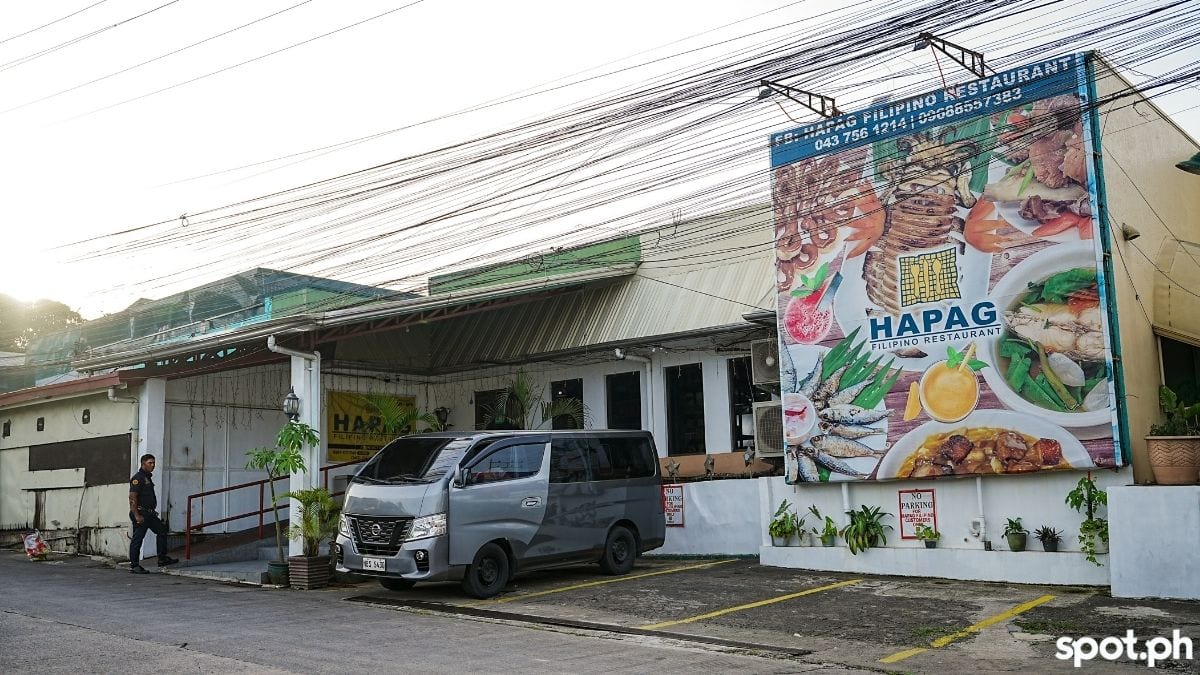
Hapag Filipino Restaurant may not be as popular on social media as the other restaurants on this list, but ask any Lipeño and they’ve not only probably heard of it; they’ve probably celebrated birthdays in this OG Lipa restaurant. They’ve been an institution for 40 years, and they specialize not only in Filipino cuisine but in proudly Batangueño ones.

Their best dishes feature the maliputo, a freshwater fish that lives only in Taal Lake. The Sinigang na Maliputo, which is sour by virtue of its being flavored with tamarind, is not overly so; it still manages to taste light and fresh. The maliputo itself is tender to the bite, and has a deliciously mild flavor that lends itself well to the sinigang broth. You can also order the Maliputo ala Pobre, and you’ll get a gorgeous plate of fried fish that’s covered in golden, crispy fried garlic. Again, it looks like it will overwhelm, but even with the garlic the fish’s clean flavor shines through. The maliputo is priced according to the fish’s size, so make sure to let your server know how much your party can consume. Most of Hapag’s menu items are for big groups, like their Inihaw na Pusit (P800), Kare-kare (P500), Buttered Chicken (P400 for half, P800 for whole), and Pork Sisig (P400).
There are lots of lomi houses in Lipa—from the viral Liam's Lomi House to the underrated A&B Lomi House—and a lot of them offer their own takes on the Batangas lomi: bowls filled to the brim with noodles in a thick broth, and topped with different permutations of kikiam, bola-bola, chicharon, and chicharon bulaklak. But if you're looking to try a more classic version, look no further than Lipa City Panciteria, the oldest lomi house in Lipa that still serves up the hearty Batangas Lomi.
Their menu is simpler, with the Lomi Regular (P95), Lomi Special (P110), and Super Lomi (P225) headlining the noodle menu lineup. The regular and special will have your classic pork liver, their homemade kikiam, and meatballs, while the Super Lomi also has shrimp and chicken. In true Batangueño fashion, it's best enjoyed with a dip made with soy sauce, onions, chili, and calamansi that you pour bit by bit into the bowl; it adds a salty-spicy-tangy kick to the thick, meaty soup and chewy miki noodles. Pro tip: order extra kikiam!
Liam's Lomi House is located in Recenos Compound, Gen. Luna St, Sabang, Lipa City, 4217 Batangas. They're open everyday, from 6:00 a.m. to 7:30 p.m.
A&B Lomi House is located in 038 Purok 1, Duhatan, Lipa City, 4217 Batangas. They're open everyday except Thursdays, from 7:00 a.m. to 6:00 p.m.
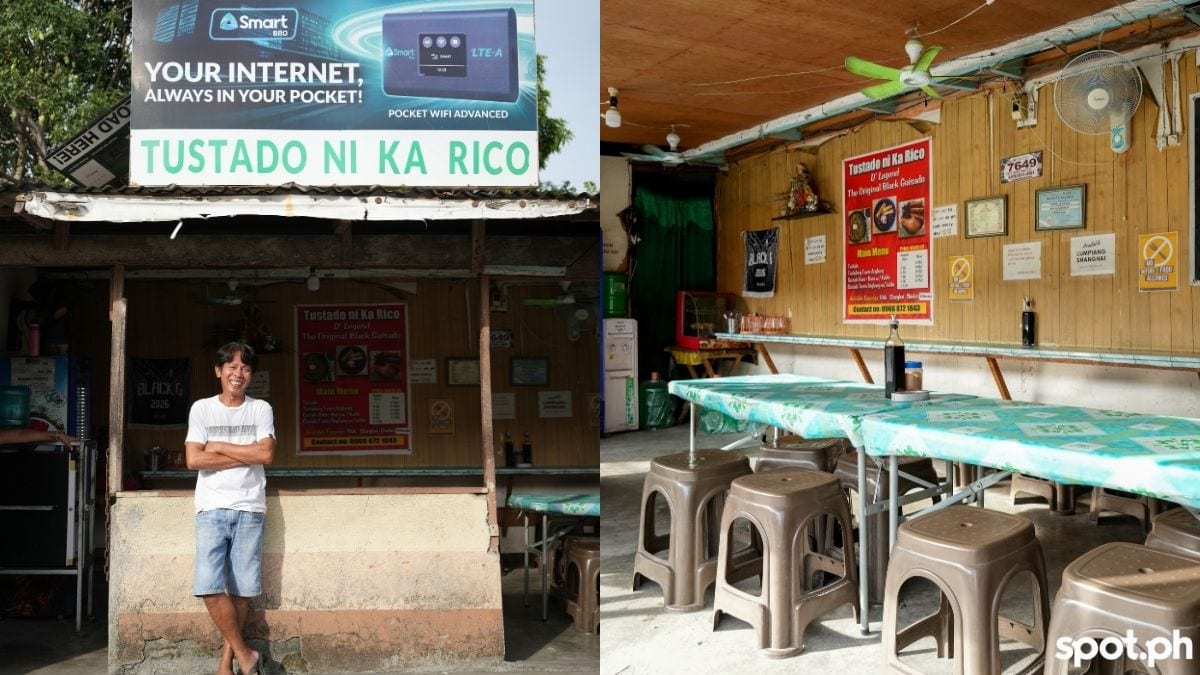
When you think of Batangas, you think of lomi; but if you're from Lipa, you'll know that lomi isn't the only pancit dish worth visiting the area for. Enter: Tustado ni Ka Rico. While there are over 10 branches all over Lipa today, the OG branch in Purok 3 is still being run by Ka Rico himself. The tustado itself, which means “toasted,” is a delightful misnomer as the black pancit guisado isn't actually toasted or burnt as its color might suggest; it's the dark caramelized sugar and soy sauce that it's sauteed in that lends the springy, chewy pancit its blackened hue.
All dishes at Tustado ni Ka Rico have one thing in common: you can ask them to be topped with Utak or pig brain (starts at P10 per spoonful, up to P30 for 3 spoonfuls), Shanghai (P20 for 3 pieces), Rebusado (P20) which is deep-fried pork fat reminiscent of chicharon, or Chicken (P60 for 1 piece, P100 for a quarter cut), which is battered and also deep fried. There's the OG Tustado, which has a mild, sweet-savory umami flavor that’s made even better with a sprinkling of soy sauce, calamansi, and fresh white onions (these condiments are complimentary and served on the side).

There’s the crowd favorite Tamis-Anghang Tustado, which has, as its name rightly suggests, a stronger sweet and spicy sauce added to it that makes it difficult to just have one bite. Ka Rico also serves Guisado Basa-basa with Kaldo and Guisado Tamis-Anghang with Kaldo which are versions that are served with kaldo or soup that you can either drink on the side or pour over the noodles as you go (we prefer the latter). They also taste better with the condiments, and the best part is you can control how salty, oniony, sour, or spicy every bite will be. All the dishes start at P60, as Ka Rico prefers to keep his prices student-friendly, but if you tell them how much you'd like to pay—and you can order up to P100 worth—you can get more pancit. For reference, we got the P80 plates in the above photos.
If you order in advance, you can also order the tustado in bilao, with prices starting at P350.

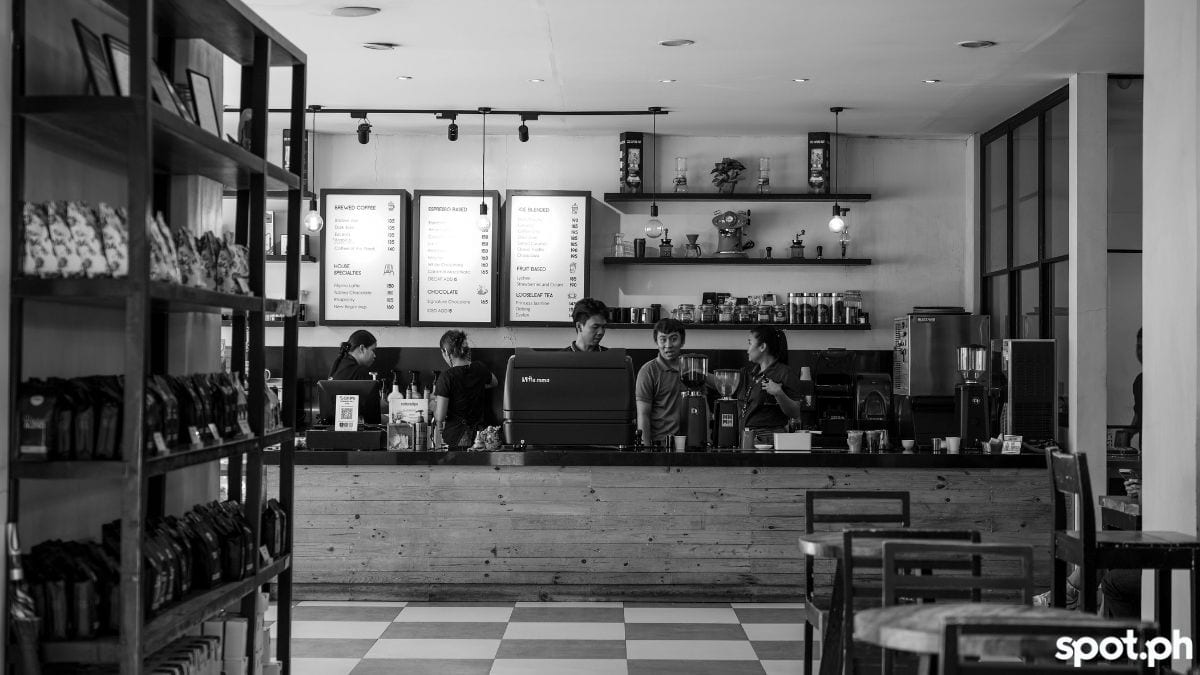
The other thing Batangas is known for is the kapeng barako, which packs both a flavor punch and quite the caffeine boost. And when it comes to roasting local Batangas beans, you can't go wrong with Cafe de Lipa. While they carry the Barako Joe (P135), their ode to the kapeng barako—which is made with liberica beans— they also actually promote local excelsa beans; in fact, their coffees are made with excelsa blends.

If you're hankering for a caffeine kick, try their Filipino Latte (P150) which is light and creamy but will still wake you up. Non-coffee drinkers can try fruit-based or tea drinks as well, or the Tablea Chocolate (P180), which is rich and has a smoky flavor to it. Pair these with any of their homemade bars: the Tableya Revel Bar (P55), Moist Barako Brownie (P55), or the Tablea Brownie (P55), and you've got yourself a sweet (but not too sweet) snack.
Want something heartier? Their Champorado (P205) has a deep chocolate flavor that pairs well with the super crispy dilis they serve on the side. It's not too salty, so it complements the mildly sweet and earthy champorado well. And if there's one thing you must absolutely order, it's their Beef Tapa (P320). It's beef tapa, but tender and served with a delicious garlic vinegar and fresh onions that wake up and tickle the palate.
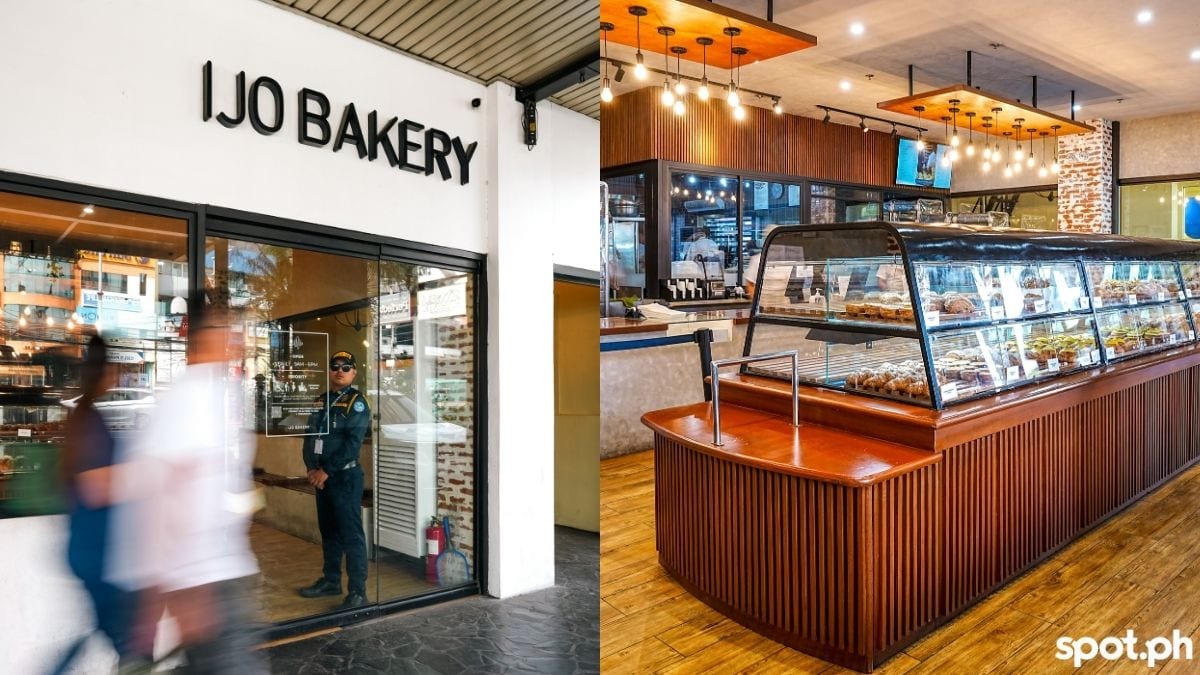
Ijo Bakery may have already found its way to Manila, but we say they're still worth a stop in Lipa. Ijo Bakery specializes in viennoisserie, which is a type of breadmaking that involves laminating the dough in butter, creating flaky layers in the bread. But they take this up a notch with their menu of creative croissants, danishes, and other laminated pastries: from their savory Ham and Cheese Croissant (P195) to the cheesy and garlicky Roasted Garlic Danish (P175), to sweet treats like the Pistachio Roll (P180) and the Brownie Flower (P145).

They also have creative Filipino twists on the classics, like the Turon Twice Bake (P195), which is a croissant stuffed with langka-flavored pastry cream and topped with candied turon wrappers, and the Bibingka Tart (P165), which is filled with a bibingka-flavored pastry cream and topped with cheese.
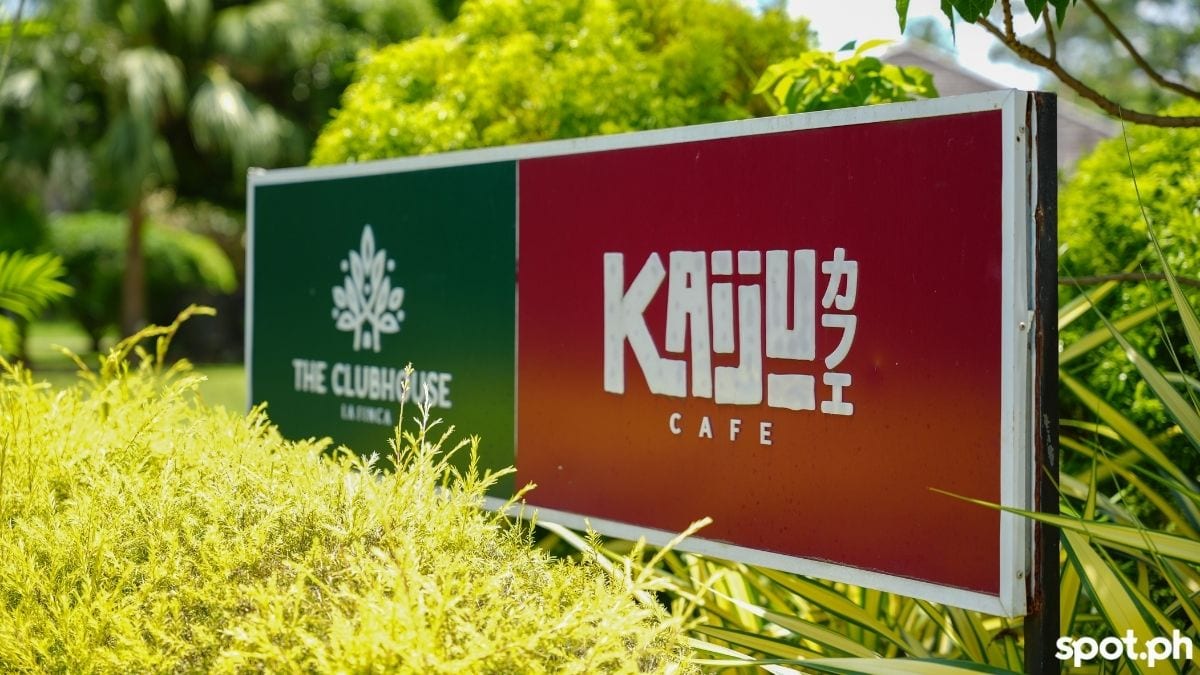
If you’re imagining a certain gigantic monster right now, you’re on the right track—except the ones at Kaiju Cafe are cute, and instead of destroying cities, all they want is for you to enjoy Japanese fusion. Tucked inside La Finca Village, Kaiju Cafe was converted by its owners from the village clubhouse into a chic indoor and outdoor cafe where you’re not only served delicious dishes; almost every part of the area is an opportunity to take an Instagram-worthy photo. If you follow their socials, you’ll find that they also invite live bands on weekends, and occasionally hold events for their guests.
Once you're done admiring the place, you can fill up with the Kaiju Burger Sando (P399), which is already a solid cheeseburger that's been upgraded as it's sliced in half and served on a sizzling plate of cheese sauce. The Katsu Curry (P380) is a hefty meal that comes with golden crispy breaded pork cutlet topped with a deliciously spiced Japanese curry sauce, while the Karaage Teriyaki (P325) is their version of a fried teriyaki chicken breakfast donburi or rice bowl. Pair any of these with their Campfire Cocoa (P180) if you're not a coffee drinker, or the Kaiju Kohi (P210) or the Matcha Kori (P230) if you're hankering for a little caffeine kick. If you're feeling a bit adventurous (and very hungry), try their Kaiju's Lomi: it's ramen, lomi-style so the tonkotsu broth is thick and the noodles are also chewy in the best way, and topped with crispy pork katsu.
Check out our full SPOT Out of Town Lipa Itinerary:
Spot Out of Town: Discover the Best Things to Do in Lipa, Batangas
Editor-in-chief: Jerome Gomez
Managing Editor/ Producer: Camille Georgia Uy
Associate Editor: Michiko Manalang
Associate Publisher: Monique Espiritu
Producer: Leana Vibal
Photographer: Paul Sugano
Cover design: Warren Espejo
Video Producer: John Henry Mariano, Rolando Pingco Jr.
Video Editor: Jaybelle Mataro, Greeko Joy Junio
Shoot Assistants: Almarc Rico, Gerry Oribeda Jr., CJ Gabaleo
Transportation: Kavin Encabo, Ian Aranda, Jun Sevilla
Special thanks to: Wally Soquiat, Gab Reyes, Aileen Acorda
Camille Georgia Uy is Spot.ph's Managing Editor. When she's not managing Spot's day-to-day operations, she's managing her loved ones' next food trip or vacation, and you can bet she's got a Google sheet for those, too. Georgia believes good food is made better when you're eating with great company, and that most problems can only be solved on a full stomach.