Spot Out of Town: Discover the Best Things to Do in Lipa, Batangas
They say the best way to explore this city is to #EatPrayLoveLipa—here's how we did just that.

by Leana Vibal
Published on Aug 1, 2026
(SPOT.ph) When people think of Batangas, they almost always picture the coast—Nasugbu’s beaches, Mabini and Anilao’s dive sites, or the white sand shores of Lian. But venture inland, and you’ll find another side of the province that’s every bit as rewarding. Enter: Lipa City.
Just two hours away from Metro Manila, some 80 kilometers away from the capital, Lipa has long been synonymous with one thing: coffee. The city built its reputation on kapeng barako, and for good reason. During the Spanish colonial era, Lipa was one of the world’s leading coffee producers, with its plantations propelling the city into an era of immense wealth and, at one point, making it the coffee capital not only of the Philippines but of the world. While disease and pests eventually devastated the industry, coffee remains woven into the city’s identity—and into every itinerary.
But to reduce Lipa to just coffee would be doing it a disservice.
The city is also home to centuries-old churches that earned it the moniker “Little Rome of the Philippines,” well-preserved ancestral homes that recall its days of prosperity, and a rich culinary heritage that goes far beyond the obligatory bowl of lomi. Throw in horse ranches, sprawling farms, and cliffside villas with picturesque views of Taal Lake and the mountains that surround it, and you have all the makings of an easy weekend escape—one that rivals many of the country's favorite destinations, yet remains fully under the radar.
For this edition of Spot Out of Town, we’re exploring a different side of Batangas—one that goes beyond lomi and kapeng barako. From heritage landmarks to nature-filled escapes and hidden culinary gems, here’s why this highland city deserves to be more than just a stopover on your way to somewhere else.

Table of Contents
What to do in Lipa, Batangas
Go horseback riding and more at KUUMBA Horse Riding & Cafe
At the height of Lipa’s aristocratic era, the city’s elite imported and bred prized Arabian and Australian horses for sport and to pull their grand carriages. It’s no surprise, then, that Lipa became known for having some of the country’s finest horse bloodlines.
While those glory days have long since passed, traces of that equestrian heritage remain in the farms and ranches scattered around the city. One of them is KUUMBA Horse Riding, a sprawling ranch that’s open to the public free of charge. Consider it your peaceful countryside escape, where wide green fields invite you to slow down and spend the day outdoors.

Though entrance to the ranch is free, you do have to pay to experience the different activities that the ranch has to offer.
The main draw, of course, is the chance to saddle up. Whether you’re a complete beginner or a seasoned rider, KUUMBA offers horseback riding activities and lessons that let you experience a piece of Lipa’s storied equestrian past.

Off the saddle, you can also experience feeding and bathing the horses. There are also other farm animals like sheep, ducks, and goats that kids (and kids-at-heart) can pet and interact with to complete the whole farm experience.

Once you've had your fill of farm life, cap off your visit with a hearty meal at the onsite cafe. KUUMBA's cafe offers a wide variety of eats, from all-day breakfast fare, rice meals, pasta, to bar chow, you can count on something from the cafe to fill you up for your next adventure.
KUUMBA Horse Riding & Café is located at Purok Molave, Barangay Cumba, Lipa City, Batangas. It is open Monday to Thursday, 10 a.m. to 7 p.m.; Friday, 10 a.m. to 9 p.m.; Saturday, 9 a.m. to 9 p.m.; and Sunday, 8 a.m. to 7 p.m. Entrance is free.
Dive deep into the history of Lipa City at Casa de Segunda
Most people know Casa de Segunda as the ancestral home of Segunda Katigbak, the woman often described as Jose Rizal’s first love. But that’s only one chapter in its story. The Luz-Katigbak family has painstakingly documented generations of its history, turning the house into an archive of one of Lipa’s oldest clans and, by extension, of Lipa itself.

Completed in 1880, Casa Segunda features the hallmarks of Spanish colonial architecture, from its sprawling orchard, asotea, and grand zaguan to its meticulously restored narra hardwood floors, black-and-white manchuca tiles, capiz sliding windows, and wooden ventanillas. Every preserved detail offers a glimpse into the craftsmanship and domestic life of the era, making the house feel less like a museum and more like a home suspended in time.
That sense of history extends beyond the architecture. Throughout the house, photographs, heirlooms, and memorabilia trace the lives of generations of Luz-Katigbaks who went on to become priests, scholars, politicians, artists, and even beauty queens. Together, they paint a portrait of a family whose story has long been intertwined with that of Lipa itself.

A quick visit is enough to transport you to another era. But for the full experience, join a tour led by Sir Gary Malabanan, a direct descendant of Segunda Katigbak. He brings the house to life with anecdotes about Casa Segunda, the Luz-Katigbak family, and the history of Lipa City that you won’t find in history books.
Casa de Segunda is at 198 Rizal Street, Lipa City, Batangas. It is open Tuesday to Sunday from 8 a.m. to 5 p.m. Entrance is P100.
Pause for quiet reflection at the Metropolitan Cathedral of San Sebastian

Nicknamed the “Little Rome of the Philippines,” Lipa is home to dozens of churches and religious landmarks. If you’re only visiting one, make it the Metropolitan Cathedral of San Sebastian, better known as the Lipa Cathedral.
The cathedral sits right at the heart of the city, a reminder of Lipa’s Spanish colonial roots. Like many of the Philippines’ oldest cities, Lipa was built around its church, making the cathedral not just a place of worship, but the historic center of the community.
The first church was completed in 1865, but, as with most churches in the Philippines, it has undergone many reconstructions not only from natural wear and tear but also from destruction during World War II. The Cathedral you see today is a Post-war reconstruction completed in 1957. It features a Neo-Renaissance architectural style laid out like a cross. Keep an eye out for its distinctive octagonal bell tower, soaring dome, and ornate high altar dedicated to its patron saint, San Sebastian.


Despite being at the center of most of the city's activities, the church maintains its solemn and peaceful ambiance, making it a great stop to re-center and pause during your trip.
Shop 'til you drop at The Outlets at LIMA Estate

If retail therapy is on your itinerary, make a stop at The Outlets at LIMA Estate, Batangas’ first outdoor mall and one of the largest outlet shopping destinations in Luzon.
Located within the rapidly growing LIMA Estate, the lifestyle complex brings together local dining spots, entertainment options, and outlet stores from some of the country’s biggest brands. Bargain hunters can score discounted finds from labels like Adidas, Skechers, Puma, Converse, Planet Sports, H&M, Guess, Samsonite, World Balance, and more.
Once your carts are full, refuel at one of the mall’s many dining spots. Crowd favorites like Mama Lou’s and Mary Grace are here, alongside homegrown Lipa staples like Cafe de Lipa.
The fun doesn’t stop at shopping, either. The Outlets is also just steps away from several of LIMA Estate’s recreational facilities, including an outdoor theme park, driving range, pickleball and basketball courts, and even a football pitch.
The Outlets at LIMA Estate is at Lima Technology Center, Special Economic Zone, Lipa City, Batangas. It is open from 10 a.m. to 9 p.m. on Mondays to Thursdays and from 10 a.m. to 10 p.m. on Fridays to Sundays.
Slide and ride at Fiesta Adventure Park
If you’ve got kids—or are simply a kid at heart—Fiesta Adventure Park is one stop you shouldn’t miss. At first glance, it looks like your typical amusement park, complete with colorful attractions and carnival fare. But it’s actually designed as a giant play park, where the fun comes not from mechanical rides, but from you.

Instead of sitting back and letting a machine do the work, you’re encouraged to climb, swing, slide, balance, and explore. Think of it as a childhood playground taken to the extreme, with oversized slides, 12-person seesaws, towering swings, a manual rollercoaster, trampolines, and various obstacles that invite you to revisit the classic idea of play as a big kid.


Fiesta Adventure Park is open daily from 12 p.m. until 10 p.m. Since it is an outdoor park, we recommend heading here in the late afternoon so the sun isn't scorching. The park also comes alive at sunset, lighting up with a stream of neon-colored lights that mimic the carnivals of our youth.

Fiesta Adventure Park is at Fiesta Mall, Lipa City, Batangas. Tickets to Fiesta Adventure Park start at P350 for a day pass, which includes access to all 26 play attractions and the dining hall. You may purchase your tickets onsite.
Where to eat in Lipa, Batangas
We’re not going to lie: when we planned our trip to Lipa, Batangas, we fully expected to spend our days hopping from one lomi house to another, fueled by endless cups of kapeng barako. And while we happily did both, we were surprised to discover that the city’s food scene goes far beyond its most famous staples.
From fresh takes on Filipino classics and Batangas specialties to unique interpretations of global cuisine, here are the restaurants worth adding to your itinerary.


There's no better way to start a Batangas food crawl than with a steaming bowl of Lomi. Of course, there are plenty of places to get a bowl of lomi in Lipa, from viral favorites to long-standing neighborhood institutions. But if you’re after the OG, make your way to Lipa City Panciteria, the city’s oldest lomi house still serving the comforting Batangueño classic.
The menu keeps things simple, with the Lomi Regular (P95), Lomi Special (P110), and Super Lomi (P225) headlining the noodle menu. Each bowl comes loaded with thick, chewy miki noodles in a rich, hearty broth, plus homemade kikiam, meatballs, and pork liver. The Super Lomi makes things a tad heartier by adding shrimp and chicken. But whether you're going classic or fancy with the proteins, don’t forget to season your bowl the Batangueño way: with a mix of soy sauce, onions, calamansi, and chili. This sawsawan mix cuts through the richness, making every spoonful even better. Pro tip: Order extra kikiam.




.jpg)

If you’ve ever driven along Alaminos Road and noticed a grill sending clouds of smoky goodness into the air, chances are you’ve already spotted Bhabez Goto Batangas at Inihaw na Liempo. What started as a small gotohan serving their family’s Goto Batangas recipe has since grown into a beloved roadside stop filled with tried-and-tested family dishes.
The Gotong Batangas Assorted (P140) and Gotong Batangas Laman (P150) are the obvious stars. Both come with a clear, deeply beefy broth with a subtle tang that keeps you coming back for more, whether you prefer tripe and innards (assorted) or pure beef (laman). Don’t leave without trying the Inihaw na Liempo with Rice (P180), smoky from the charcoal grill and wonderfully tender. Pair it with the Ensaladang Talong (P200), which comes with bagoong to mix with the eggplant, green mangoes, red onion, and salted egg. Again, trust us on this: it's not the same if you don't mix them together. The flavor becomes all the more balanced: a mix of fresh, salty, sour, and smoky, and most important of all, reminiscent of the food we eat during swimming trips with the family or barkada.
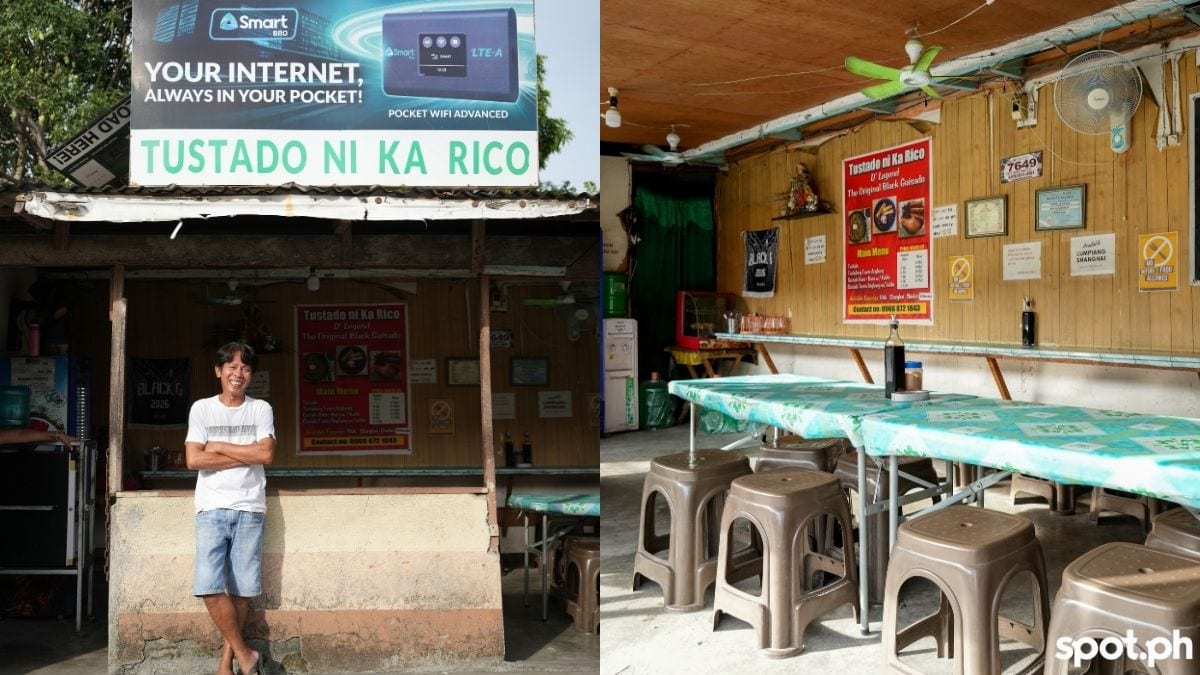
Ask any Lipeño and they’ll tell you lomi is only scratching the surface of the city’s noodle culture. Tustado ni Ka Rico is proof, serving up one of Lipa’s most beloved yet underrated local specialties.
Tustado is a uniquely Lipeño take on pancit guisado. Despite its name—which means “toasted”—the noodles aren’t burnt at all. Their signature black hue comes from caramelized sugar and soy sauce, giving every bite a subtly sweet, savory flavor and plenty of wok-kissed goodness.
The best way to enjoy a plate is with a squeeze of calamansi, a splash of soy sauce, and a generous handful of fresh onions from the complimentary condiments on the side. You can also level it up with toppings like utak (pig brain), crispy rebusado (deep-fried pork fat), Shanghai, or their signature fried chicken.
Grab a plate of Tustado at any of Tustado ni Ka Rico's 10 branches across Lipa City, but if you hit up its OG branch in Purok 3, you might just get to meet Ka Rico himself.
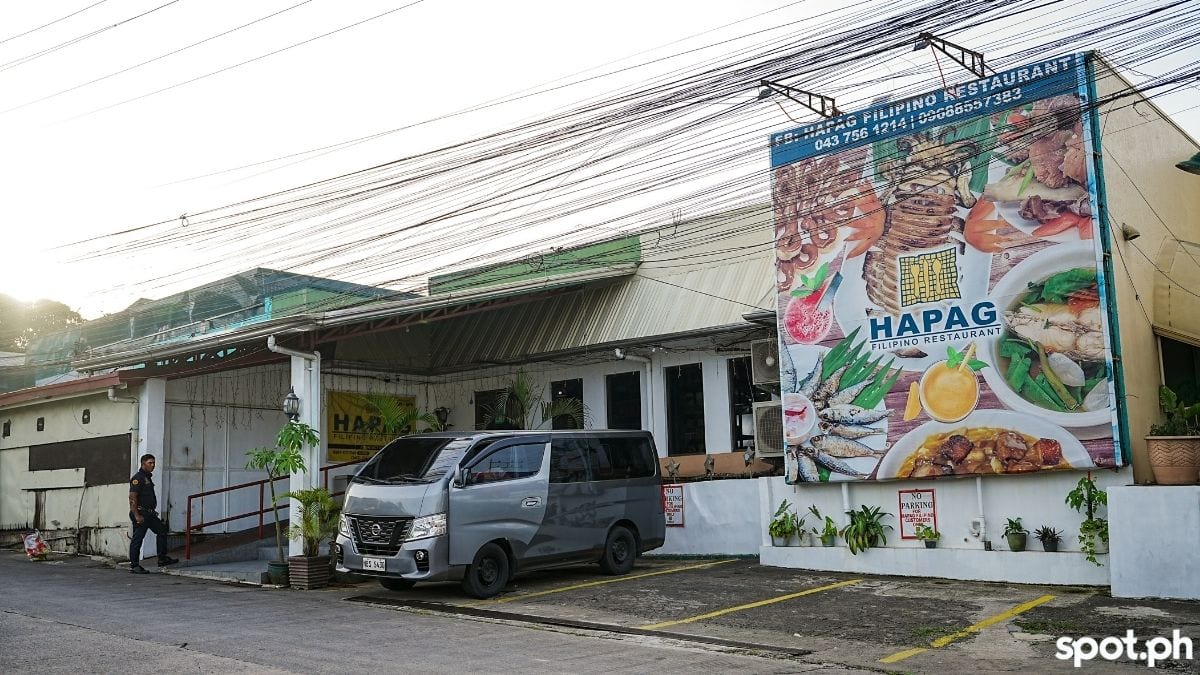
Hapag Filipino Restaurant has been flying under the social media radar for over 40 years, but we're not gatekeeping this spot any longer. Lipeños know that this family-run joint is the go-to for any celebrations looking for proudly Batangueño family-style fare.
Their best dishes feature the maliputo, a freshwater Trevally fish that lives only in Taal Lake. Must-tries include the Sinigang na Maliputo, a tamarind-soured sinigang whose soup is enough to cure a hangover, an incoming flu, and whatnot. The maliputo itself is tender to the bite and has a deliciously clean flavor that lends itself well to the sinigang broth.
Another maliputo dish worth ordering is the Maliputo ala Pobre—a beautifully fried whole fish blanketed with an unapologetically generous layer of golden, crispy garlic. You know how people say there’s no such thing as too much garlic? This dish makes a pretty convincing case. What looks like garlic overload actually works in its favor, with the fish’s mild, delicate flavor providing the perfect canvas for all that crunchy, aromatic goodness.
Other heavy hitters include their Inihaw na Pusit, Kare-kare, and Pork Sisig.

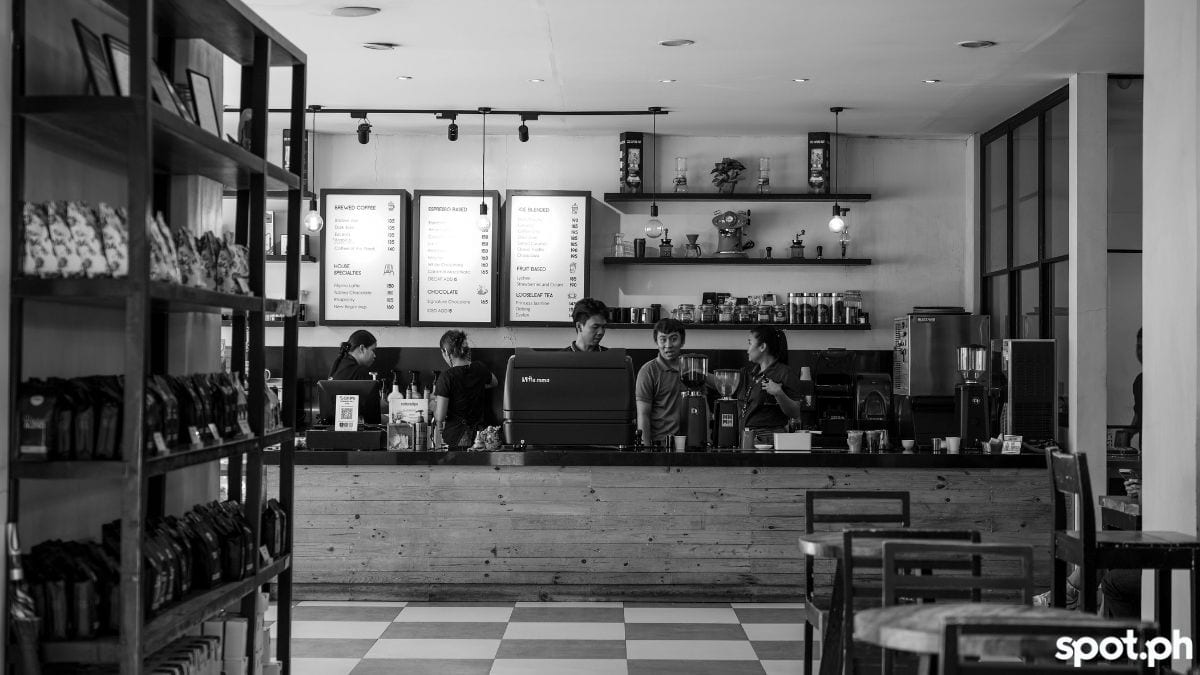
The other thing Batangas is known for is its coffee, specifically the liberica blend, more commonly known as kapeng barako. If you're looking for a reliable, tried-and-tested coffee roaster, you can't go wrong with Cafe de Lipa.
This coffee OG has been in the coffee business since the '70s, working as a coffee farmer, exporter, roaster, and now a barista. While it’s long been associated with its signature Barako Joe, Cafe de Lipa has also championed locally grown excelsa beans, giving visitors a chance to taste another distinct coffee variety.
Get the Filipino Latte (P150) for a light and creamy drink with a caffeine kick. If you're a non-coffee drinker, don't worry; they have a selection just for you too. Your best bet, try the rich and smoky Tablea Chocolate (P180).
Pair your coffee with their Beef Tapa (P320), a fork-tender beef breakfast steak served with a deliciously tangy, garlicky vinegar and fresh onions. If you like your coffee with something sweet, you can also try their Champorado (P205), or any of their homemade bars such as the Tablea Revel Bar (P55), Moist Barako Brownie (P55), or the Tablea Brownie (P55).
Check out our full guide on where to eat in Lipa City, Batangas:
Spot Out of Town: The Best Places to Eat at Lipa, Batangas
Where to stay in Lipa, Batangas
Lakeview Resort
Unbeknownst to many, Lipa City also has areas that boast stunning, unimpeded views of Taal Lake—similar to, if not more beautiful than those in Tagaytay. Lakeview Resort is located in one of these viewpoints.

Lakeview Resort is a collection of private cliffside villas overlooking Taal Lake, with views of the towering Mt. Maculot to boot. They've got villas that can accommodate groups of all sizes, from smaller, more intimate stays for solo travelers and couples to large villas for family and barkada stays of up to 50 pax.
Each villa is outfitted with luxe finishes and premium amenities that rival those of a five-star resort. The smaller villas, designed for groups and families of four to six, each come with a private infinity pool overlooking the cliffside, as well as a bathtub positioned to take in the same breathtaking view. There’s also a compact kitchenette for preparing light meals and a patio where you can sip your morning coffee while soaking in the scenery.
Designed for bigger groups, the larger villas offer plenty of room to gather without sacrificing comfort. Each one features a full-size infinity pool, a fully equipped kitchen, and expansive living and common spaces, making them perfect for family reunions, barkada trips, and intimate celebrations.

In terms of food, guests are welcome to bring their own supplies and cook in their villas, especially those who booked the larger ones with full kitchens. Alternatively, there's also a small restaurant within the compound where you can order hot meals, snacks, and refreshments.
Lakeview Villas is located in Barangay Halang, about 20 to 30 minutes from Lipa City’s center. If you’re planning to stay here, we recommend squeezing in your sightseeing before checking in. That way, you can maximize your time at the resort and avoid making multiple trips back and forth to the city.
Stays at the small villas (Pag-Ibig, Sinta, Ligaya, Marikit, Irog, Marilag, and Tadhana) start at P9,500 with breakfast included. Bigger villas accommodating large groups of 10 to 50 pax start at P16,900. Book your stay online at Lakeview Resorts' website.
The Farm at San Benito
The Farm at San Benito has long been the go-to destination for those looking to unplug, recharge, and indulge in a little luxury. While it’s best known for its wellness retreats, spa treatments, and holistic healing programs, there's so much more to this resort than just that.
Spread across lush tropical grounds, The Farm’s 70 private villas draw inspiration from Filipino art, culture, and heritage, creating a space where comfort, nature, and thoughtful design come together. It’s the kind of home base that encourages you to slow down, stop and smell the flowers, and find your balance at your own pace.

Wander through the gardens, pause at The Labyrinth for a quiet moment of reflection, or spend the afternoon by one of the resort’s pools and man-made waterfalls. Families are just as welcome here, thanks to a nature-inspired playground for younger guests and complimentary activities like guided nature walks, yoga sessions, and cooking classes with the resident chef.


Dining at The Farm is just as thoughtfully curated as its wellness offerings. Whether you’re vegan, pescetarian, or simply in the mood for hearty continental fare, its five in-house restaurants have something to satisfy every palate. Expect nutrient-rich, farm-to-table dishes that prove healthy eating doesn’t have to come at the expense of flavor.
Even if you’ve stayed at The Farm before, there’s something new to look forward to. The resort recently became the first property in the Philippines to join Marriott International’s Autograph Collection, bringing upgraded in-room amenities, improved accessibility and inclusivity across the property, and seamless integration with Marriott Bonvoy for bookings, rewards, and member benefits.
Stays at The Farm at San Benito start at P11, 400 per night, based on published best available rates as of writing. Book your stays online through The Farm at San Benito's website.
How to get to Lipa, Batangas
Commuting to Lipa, Batangas

The best and most affordable way to commute to Lipa is by taking a bus. Lipa City is connected to most of Metro Manila through the SM City Lipa Grand Terminal. This terminal serves several bus lines, making it easy to travel to and from different parts of Metro Manila, including One Ayala, PITX, Buendia, and Cubao.
Some of the bus companies that serve the Metro Manila-Lipa route include JAM Liner, ALPS, Ceres, and DLTB. Depending on where you're coming from, a bus ride to Lipa can range from P150 to P250.
Pro tip: Before booking, double-check that your bus is headed directly to Lipa City. Some trips only go as far as Batangas City, where you’ll need to transfer to another bus to reach Lipa. Meanwhile, other routes merely pass through Lipa on their way to destinations in Batangas, Quezon, or Bicol. Booking a direct trip to Lipa will save you both time and the hassle of transferring.
From SM City Lipa, you can hop on jeepneys, multicabs, or tricycles to reach your next destination. Unfortunately, ride-hailing car apps like Grab and InDrive are not available in Lipa City. But if you're comfortable riding a motorcycle, Angkas is available in Lipa City.
Also read: Where to Buy Bus Tickets Online: A Guide for the Travel Rush
Driving to Lipa, Batangas
Lipa City is about 80 kilometers away from Metro Manila. It takes roughly two to three hours (depending on your starting point) to get to most of the spots in this guide. Driving to Lipa will require you to pass through the South Luzon Expressway (SLEX) and the Southern Tagalog Arterial Road, a.k.a. the STAR Tollway. If you're coming from the North, or from parts of Manila, you might also consider taking the Skyway to avoid traffic.
Toll fees from SLEX Magallanes to the Lipa exit will set you back around P345 one-way. If you take the Skyway from the North (Balintawak) all the way to Calamba before hopping on the SLEX and STAR Tollway, that number would jump to about P651 one-way.


The toll fees may seem steep, but if you’re planning to visit several attractions, driving is the way to go. It cuts down travel time, makes getting around much easier, and gives you the freedom to explore at your own pace.
Fair warning: if you do choose to drive, try to avoid rush hour. Yes, Lipa City may be outside Metro Manila, but its traffic can get just as bad. If you're traveling to Lipa City, avoid Friday night rush hour, i.e., 5 p.m. to 10 p.m., as the highway and main city roads get terribly congested. When headed back to Manila after a weekend spent in Lipa, avoid Sunday noontime traffic.
At first glance, Lipa's tourism slogan, #EatPrayLove—Lipa, feels almost ironic. After all, the slogan is shorthand for a certain kind of bucket-list travel—jetting off to far-flung places in search of good food, quiet reflection, and a fresh perspective. Lipa may not be Rome, Delhi, or Bali, and for years it has been treated as little more than a pit stop on the way to Batangas’ beaches. But after spending time in the city, its tourism slogan starts to make sense. Good food, centuries-old churches, and quiet moments in the countryside? Turns out, you don’t have to fly to Italy, India, or Indonesia to find them; they’re all right here, just a short drive away.
Check out our other SPOT Out of Town guides and itineraries:
SPOT Out of Town: Discover the Best Things to Do in Clark, Pampanga
Spot Out of Town: Discover the Best Things To Do in Los Banos, Laguna
Spot Out of Town: Exploring Nagsasa Cove in Zambales
SPOT Out of Town: Rediscovering the Best Things to Do in Antipolo
Editor-in-chief: Jerome Gomez
Managing Editor/ Producer: Camille Georgia Uy
Associate Editor: Michiko Manalang
Associate Publisher: Monique Espiritu
Producer: Leana Vibal
Photographer: Paul Sugano
Cover design: Warren Espejo
Video Producer: John Henry Mariano, Rolando Pingco Jr.
Video Editor: Jaybelle Mataro, Greeko Joy Junio
Shoot Assistants: Almarc Rico, Gerry Oribeda Jr., CJ Gabaleo
Transportation: Kavin Encabo, Ian Aranda, Jun Sevilla
Special thanks to: Wally Soquiat, Gab Reyes, Aileen Acorda
Leana is Spot's go-to for Arts & Culture and Things to Do. On any given day, she’s either glued to her screen—or gliding underwater like the mermaid she swears she is. Contact: leana@spot.ph