Mobility
Senior Citizens and PWDs Get 50% Off on LRT-1, LRT-2, and MRT-3 Rides
Just present a valid ID to get the discount.
Published on
(SPOT.ph) Commuting in Metro
Manila is a test of endurance in itself; now imagine navigating all that while
using a cane or a wheelchair. There hasn't been much relief for those who need it the most—until now.
Starting July 16, senior citizens
and persons with disabilities (PWDs) will receive a permanent 50% discount on
fares for all three of Metro Manila’s train lines: LRT-1, LRT-2, and MRT-3. The
discounted fare is valid every day of the week, including weekends and
holidays, until 2028.
According to President Ferdinand “Bongbong” Marcos, the expanded program could benefit around 13 million senior citizens and 7 million PWDs across the country. It’s a notable increase from the previous 20% discount that was mandated by law.
"Alam naman natin… mga estudyante,
ang PWD, mga senior citizens ay talaga naman kailangan ng tulong natin dahil
very limited ang kanilang income,” Marcos announced at this morning's launch of the discount.
An important detail to note is that the 50% fare discount only applies to Single-Journey
Tickets, since you will need to present a valid senior
citizen ID or PWD ID at the counter to avail of the discount.
How much are the LRT-1, LRT-2, and MRT-3 fares?
Here's a look at the current fares
for the LRT-1, LRT-2, and MRT-3 for regular commuters:
LRT-1: P16.25 boarding fare, plus
P1.47 per kilometer. Single Journey Tickets range from P20 to P55. LRT-2: P13.29 boarding fare, plus
P1.21 per kilometer. Single Journey Tickets range from P15 to
P35. MRT-3: Uses distance-based fares,
starting at P13 for short trips and going up to P28 for end-to-end rides.
With the new 50% fare discount, senior
citizens and PWDs can now pay as little as P8 for a quick LRT ride or P14 for
the entire stretch of MRT-3. Here's the full breakdown:
LRT-1
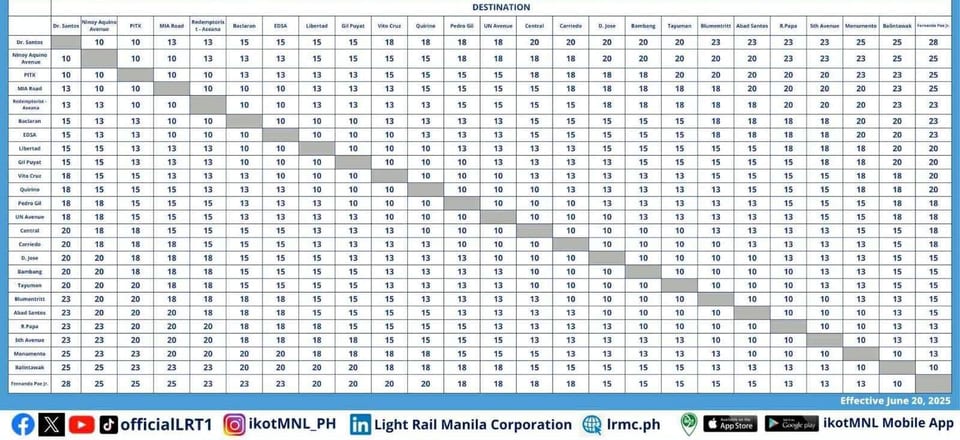
Click to Enlarge
LRT-2
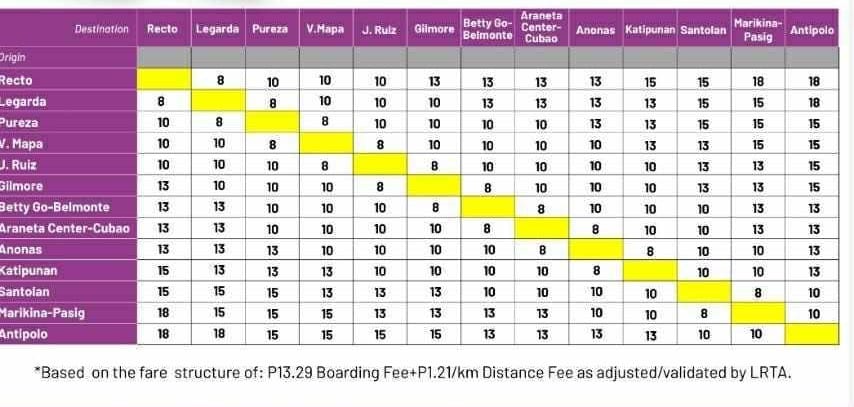
Click to Enlarge
MRT-3
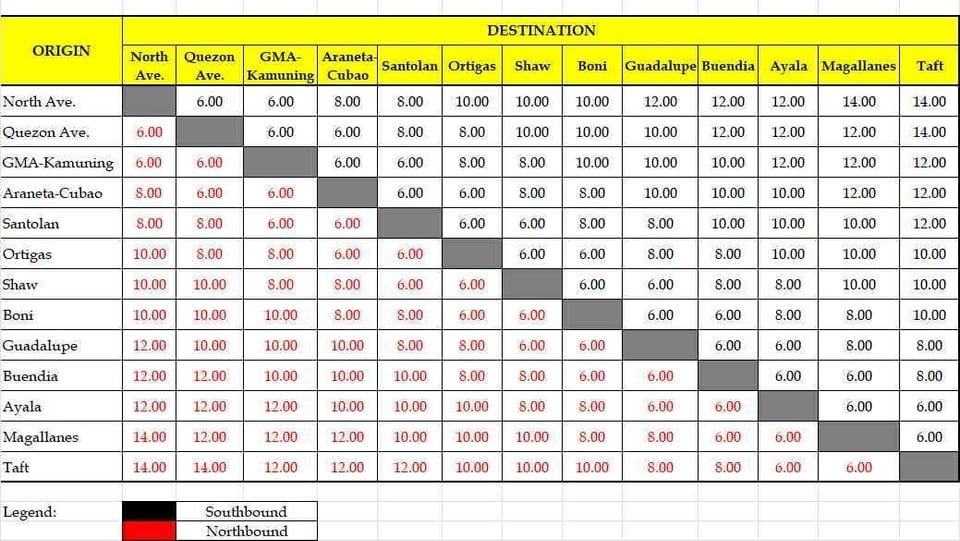
Click to Enlarge
This latest move follows the earlier announcement of a 50% fare discount for all students—including those taking up master’s or doctoral degrees—which began rolling out in June across the same train systems. It's part of the Marcos administration’s push to make public transport a little less punishing for the vulnerable sector. After all, the cost of commuting adds up fast, especially for people who require regular trips to hospitals and government offices.
Micah believes that writing is always political. Beyond the byline, you’ll find her bruising herself in a pole studio or napping with her beagle. Reach her at micah@spot.ph.
You Might Also Like