(SPOT.ph) Let's admit it: Certain parts of Manila are seedy, yes, but it possesses a hidden charm—if you know where to look. So don't be afraid to explore the city—if you look past the dirty corner and dubious establishments, you might just be surprised.
Ermita: Not Just a Red-Light District
For the uninitiated, walking the streets of Ermita at night may be a little disconcerting. At almost every corner are heavily made-up women loudly greeting passersby. It's hard not to notice, what with all the shrill voices outshouting each other in hopes of enticing customers.
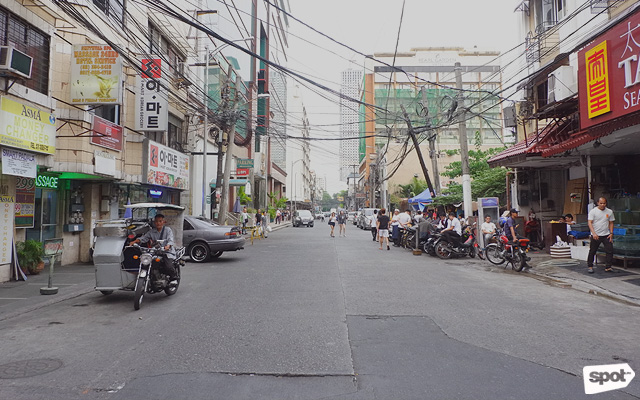
Ermita was once a financial hub, but the Battle of Manila in 1945 left it in ruins. Decades later, it became known as a red-light district. There have been efforts to clean up the area (and its reputation), but sadly, it hasn’t fully recovered.
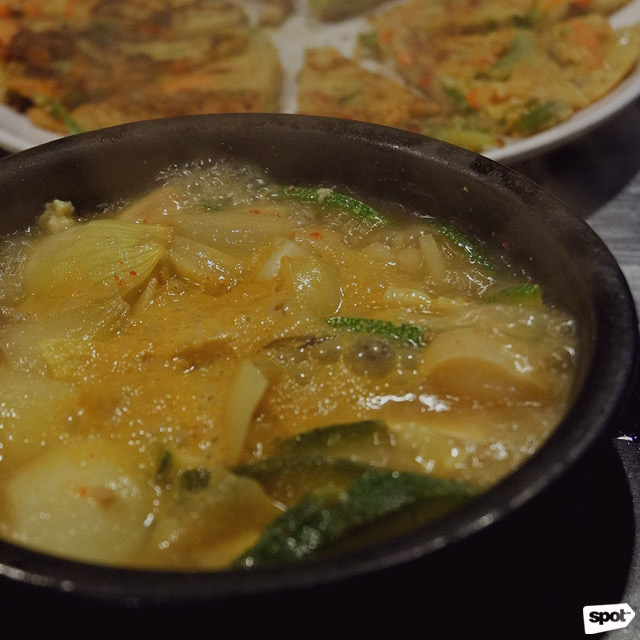
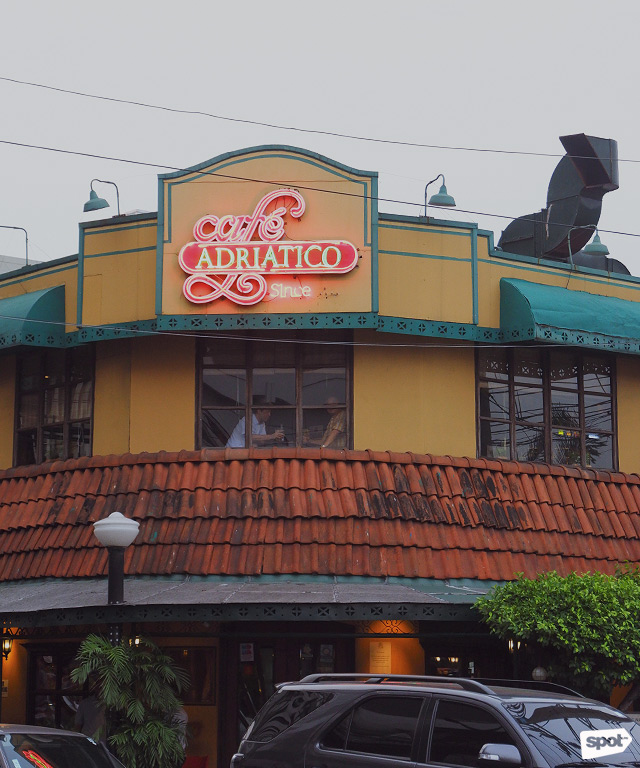
Still, there are pockets of wholesome places that are worth checking out. Take, for instance, several Korean restaurants that dot the area. Popular among the lot is Café Chosun on the corner of Pedro Gil and Adriatico Streets. The restaurant serves authentic Korean dishes (which start at P290), preceded by a bevy of refillable side dishes called banchan. Chosun’s claim to fame? The late celebrity chef and popular TV personality Anthony Bourdain once dined here; you can even spot photos of him proudly displayed on one wall.
Another Korean resto to check out is Makchang, which specializes in Korean barbecue (starts at P350). There are two branches on Adriatico Street: one near Remedios Circle and the other is across Robinsons Place Manila.
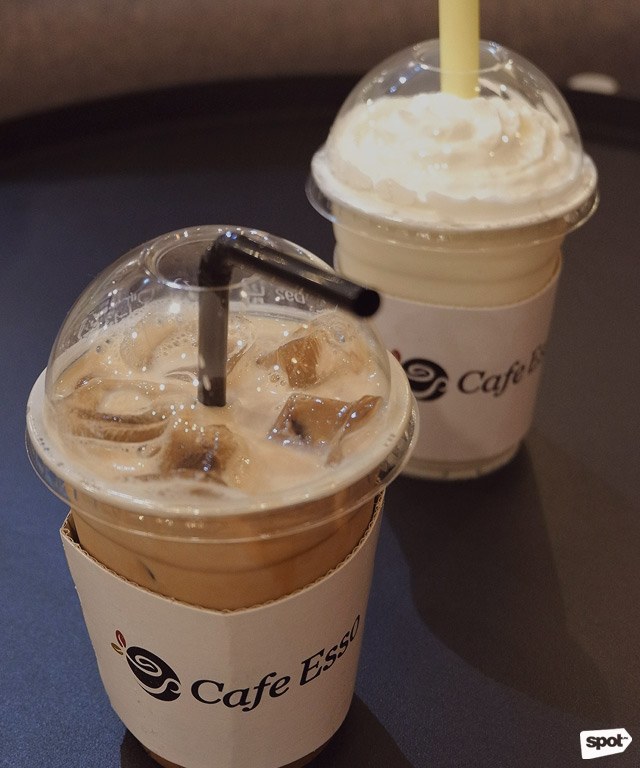
Atop the latter branch of Makchang, up a flight of wooden stairs, is Café Esso. Done in wooden interiors punctuated by industrial lighting, Café Esso has generous seating, but you may find it challenging to find a spot here on weekdays as it’s a go-to hangout for students from nearby universities. After dinner is a good time to pay a visit. A cup of Americano is at P100.
A handful of galleries are also in the area. There’s the Museum of a History of Ideas on the grounds of the University of the Philippines - Manila along Padre Faura Street. Housed in a Neoclassical-style building, the museum (also known as UP Manila Museum) is one of the centennial projects of the university. Open spaces make it easy to navigate this museum at your own pace as you discover the history of this premiere university and its contributions to the country—from the time it was born in 1908 until today. It’s open from Tuesdays to Saturdays, 10 a.m. to 5 p.m. General admission is only at P150.
Also in Casa Tesoro is Mono8 Gallery, another contemporary art space that showcases local and international artists. Entrance to the gallery is free of charge and is open from Tuesdays to Saturdays at 1 p.m. to 6pm.
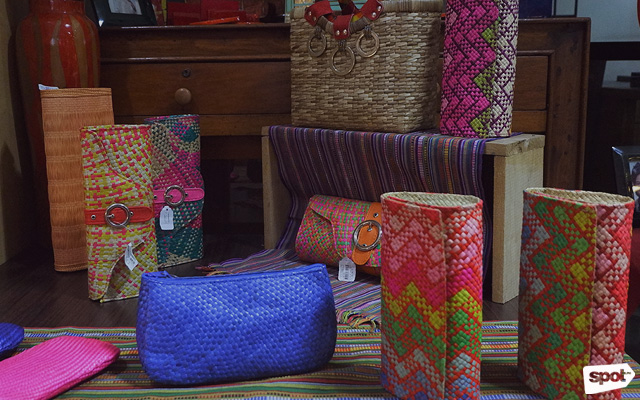
A few steps away from Casa Tesoro is Tesoro’s Handicrafts. Established in 1945, the shop is the legacy of Atty. Nestor and wife Salud Tesoro, who took pride in everything Pinoy. So, you’ll find souvenir items that are proudly Philippine-made—from woven bags to indigenous instruments, and even pamaypay in quirky designs. (If the surname of the founders sounds familiar, that’s because they’re the parents-in-law of Patis Tesoro, a renowned fashion designer celebrated for her local creations.)