
Fernando Zobel: A Glimpse at 'The Future of The Past'
Here's your early glimpse at this Ayala Museum 50th anniversary treat.
(SPOT.ph) It’s turning out to be the year of Fernando Zobel. The Philippine-born Spanish painter’s birth centennial is being celebrated this month with two major exhibitions in two of the most important art institutions in the country.
First is the show at the Ateneo de Manila University where Zobel once taught art. His personal art collection donated to the school from 1959 to 1965 will be shown at the Ateneo Art Gallery beginning September 16 and will run until July 12, 2025.
This collection includes works by Zobel’s contemporaries, now legends in Philippine art: Vicente Manansala, Anita Magsaysay-Ho, H.R. Ocampo, Jose Joya, Romeo Tabuena, Lee Aguinaldo and Victor Oteyza. It was these painters whose output he would encounter coming home to the Philippines from studies in the US; they made up a community whose desire was to improve the public’s perception of artists and get more Filipinos to appreciate art.
The second Zobel show opening this month is the landmark exhibition first staged in 2022 at the Museo Nacional del Prado, home of the famous Las Meninas painting by Diego Velásquez—a fellow Spanish artist and a great influence in his practice. During the multi-media show's run at the Prado Museum, "Zobel: The Future of the Past", attracted 80,000 visitors. It is said to be only the second exhibition at the esteemed institution devoted to a contemporary artist from the 20th century, the first being an exhibition of the works of Pablo Picasso.
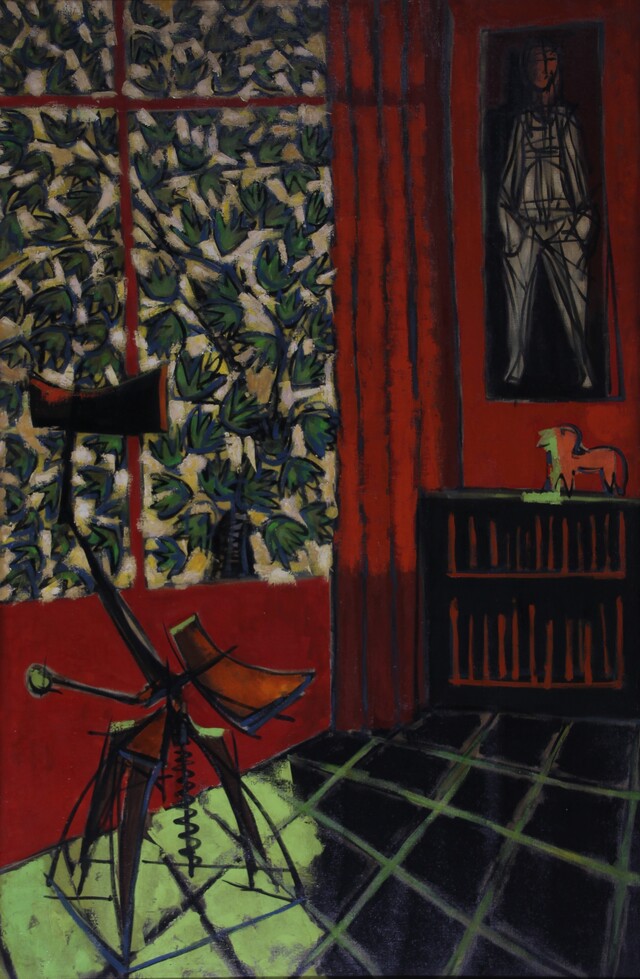
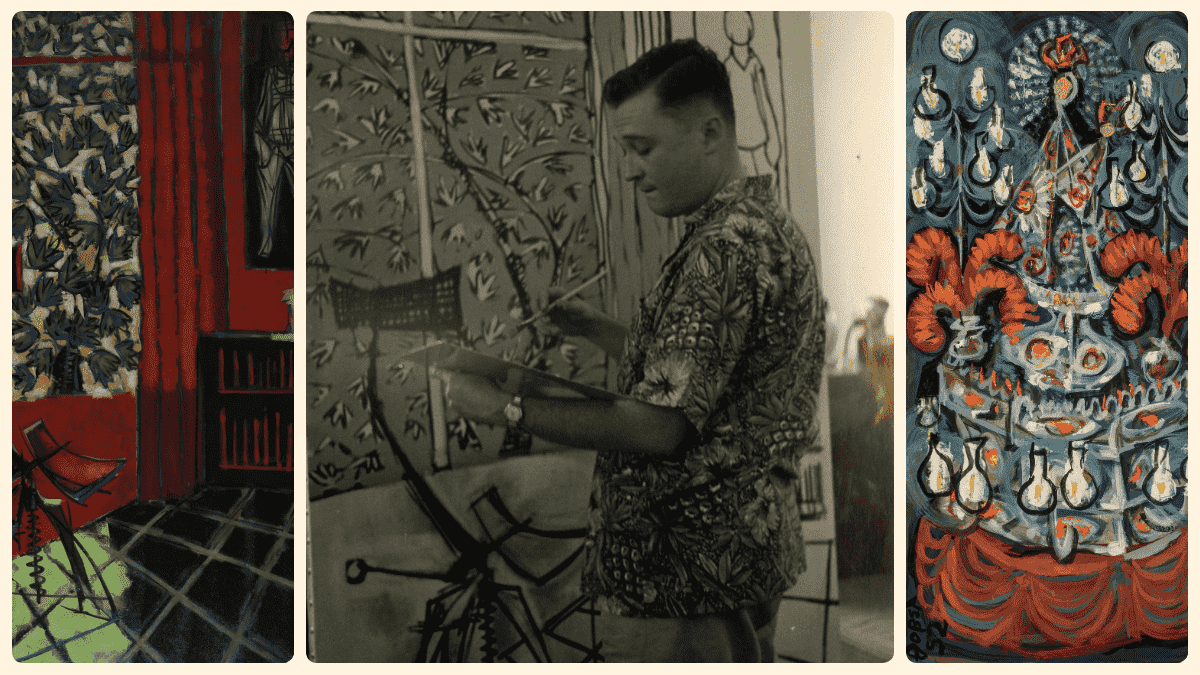
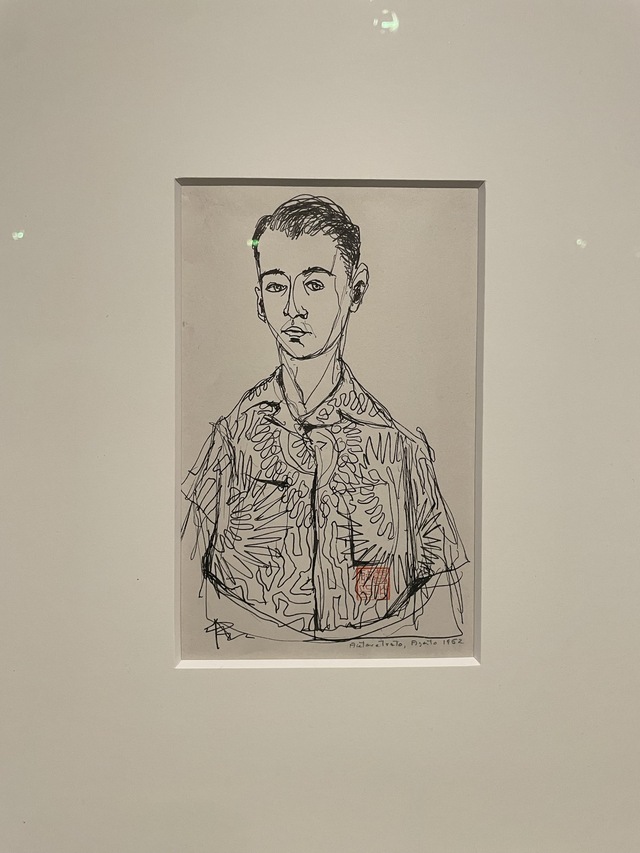
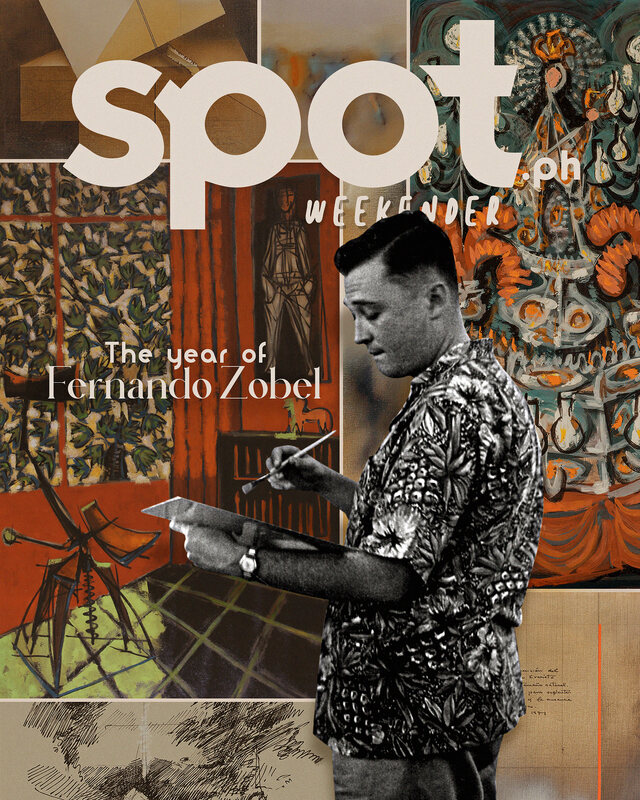
While the Prado show is big in terms of the space it occupied, the Manila show is “much bigger” because of the number of objects that will be exhibited. There will be 53 paintings, a great deal of which come from private Philippine collections including one from Paulino and Hetty Que, a vibrantly colorful piece entitled “Self Portrait on The Red Wall” dated 1954. A photograph of Zobel at work on it, wearing a shirt with tropical patterns, opens the exhibition.
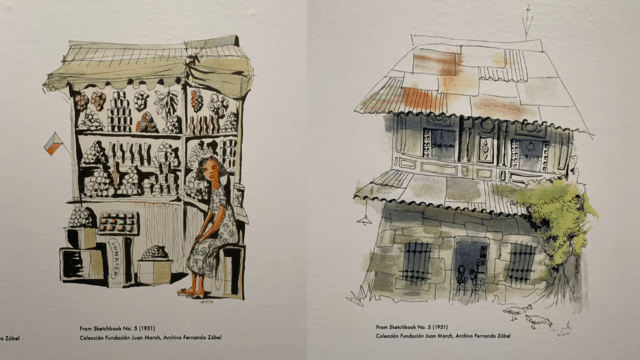
Apart from the paintings, there are 23 drawings and 56 sketchbooks. There will be prints and books from the artist’s personal collection, putting the number of objects in the show to over 200. They come from everywhere: private homes, Madrid, Bilbao, Hong Kong, art museums in Harvard University where Zobel studied art history and literature in the late 1940s and where he graduated cum laude.
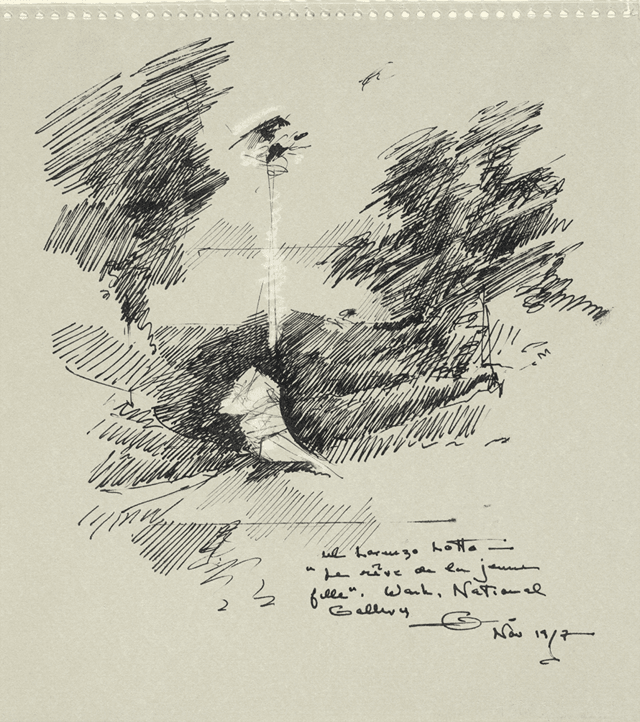
It is only fitting that the Philippine show is much bigger. It is marking three milestones: Zobel’s centenary, Ayala Museum’s 50th anniversary, and Ayala Corporation’s 190th year. But the bigger number of objects is not just what’s special about this exhibition: many of the pieces here were not at the Prado show, and it is also the first time the sketchbooks will be seen in the Philippines.
Who is Fernando Zobel?
Born in the Philippines in 1924, Zobel grew up in Manila and Madrid. It was during the Japanese occupation that he might have started dabbling in art, drawing and sketching faces of family members while confined in bed following “a spinal deficiency.” He left the Philippines for the US after the war, ending up in Harvard University where he would develop a real propensity for art-making—not just art appreciation to which his father, a known patron of Fernando Amorsolo, devoted a good deal of his time. In the US, his interest would be fueled by his exposure to the New York art scene and by his friendships with abstract expressionists of the period.
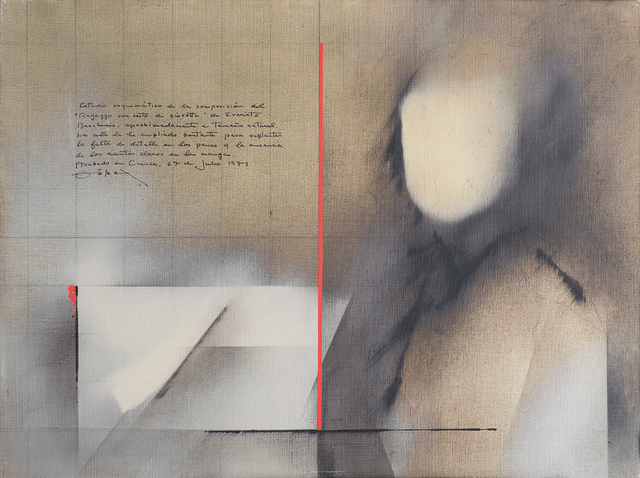
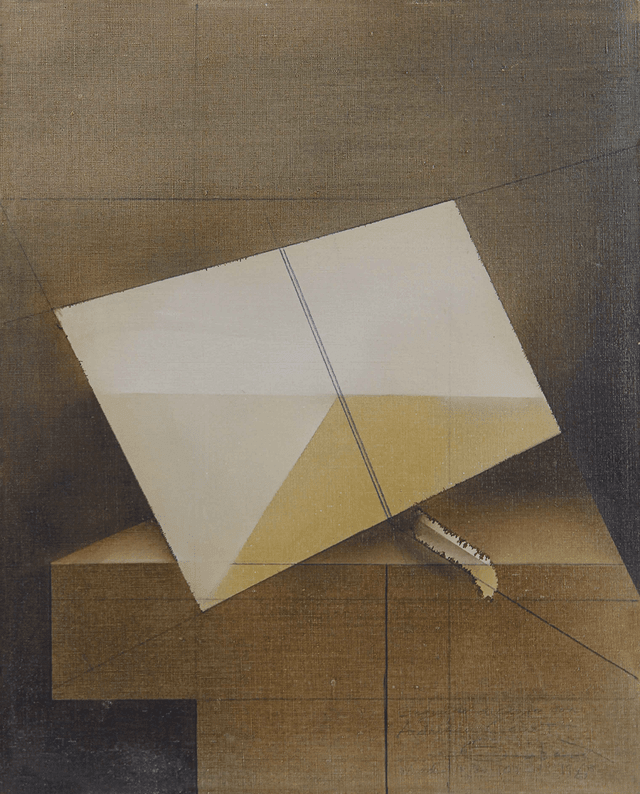
His return to the Philippines in 1951 would begin his engagement with a community of early modernists—Cesar Legaspi, H.R. Ocampo among them— who were trying to pull local artmaking away from the traditional and conservative, at the same time trying to create an art scene that would elevate the reputation of art practice in the country. This period would see the creation of the Philippine Art Gallery which was the first art space dedicated locally to Abstract Art. It is also where Zobel would stage his first one man show.
“Local artists regarded him as a ‘window to modern art,’” says the Ayala Museum in its writeup on "The Future of the Past." “He helped solidify modern art in the country by teaching art classes at the Ateneo de Manila University and writing about Philippine, Asian and colonial art. He became a major patron of the arts by preserving a collection of modern art by Filipino artists he admired.”
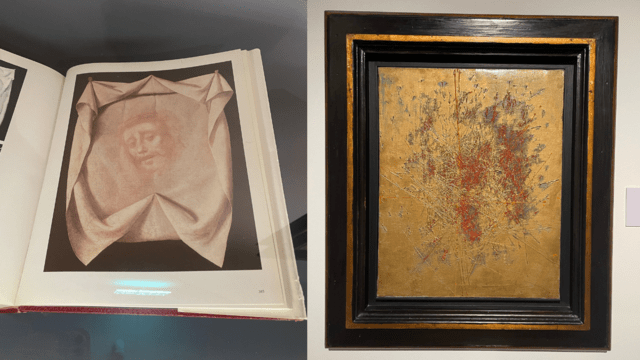
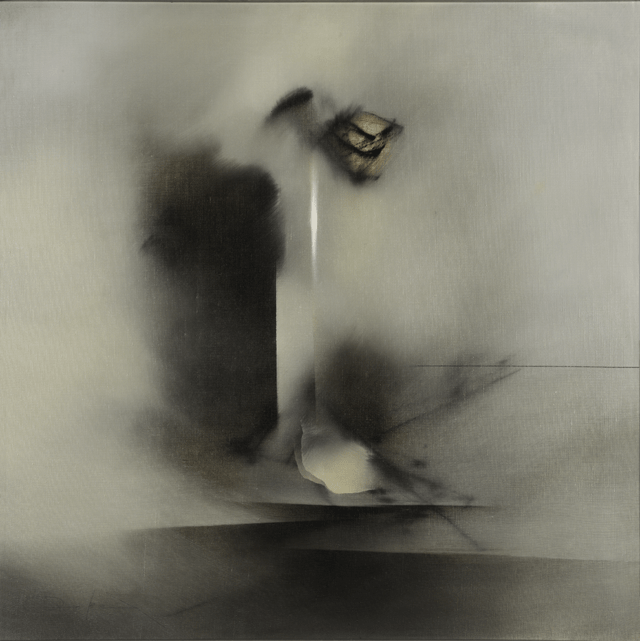
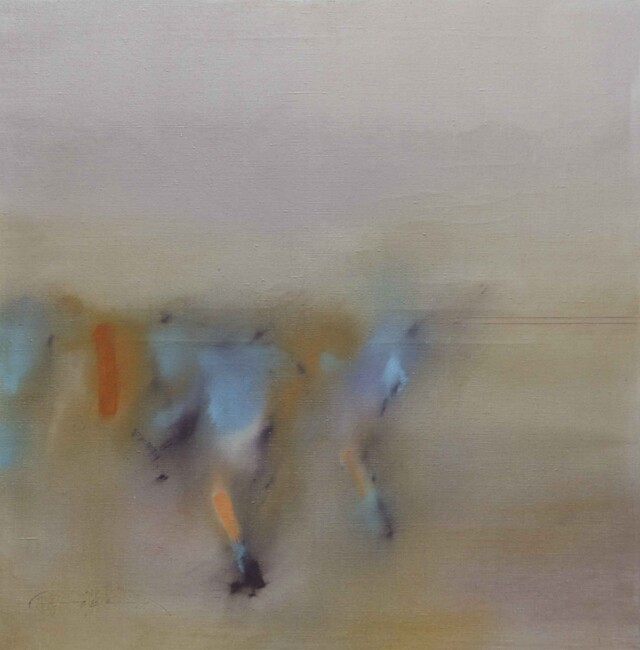
Zobel was known for his abstract expressionist style. While he began with more figurative-leaning images—with some works having touches of caricature—he would be most recognized for his more tranquil abstractions, where a syringe would be used to fire controlled lines of paint on an immaculate surface, creating an image of meditation and graceful movement but also brute force.
Zobel’s move to Spain in the 1960s would herald his full devotion to his art practice. He quit the family business. He collected the works of Spanish abstract artists. It is during this decade when he famously established the first contemporary art museum in Spain —Cuenca’s Museo de Arte Abstracto Español. In 1983, the year before his death (he died in Rome at 59 due to a heart attack), the Spanish Ministry of Culture would bestow on him the Gold Medal for Merit, the Philippine counterpart of which he would receive posthumously in 2006 in recognition, according to Ayala Museum, “of his contribution to the development of postwar Philippine art, especially in modern art and pure abstraction.”
What to expect at the Zobel show
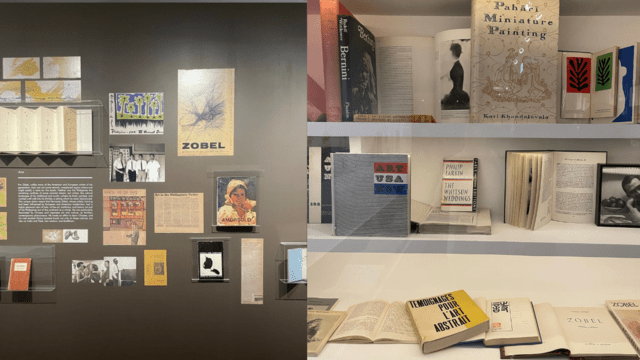
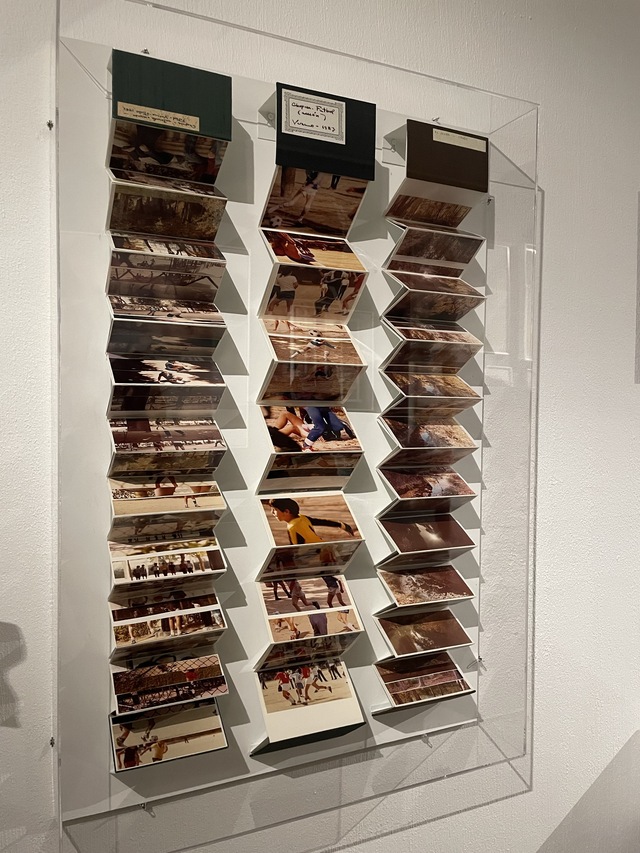
Having seen a preview of the Ayala Museum show opening to the public this week, with a VIP opening Monday night, it’s easy to say it’s the year’s biggest art event, a definite must-see for Zobel fans and art aficionados in general. Those only familiar with a limited sampling of his Saetas and Serie Negra series will marvel not only at where he was able to take these two styles on paintings rarely seen in public, even in periodicals. Audiences will be surprised at his early use of color, his joyful depictions of Philippine life in his journals, his artful depictions of the very un-artful game of football.
It is said Zobel didn’t intend to commit to canvas how he perceived an image. He wanted to translate his memory of the image, or its effect on him, to his paintings. This is made clear in his interpretations, or responses, to the works of other artists, as in his response to Juan Luna’s painting of the battle of Lepanto which is being shown for the first time in public. Zobel’s Lepanto, using his signature unique abstraction, distills Luna’s epic scenery of a war at sea into mere brushstrokes and a masterful use of light and color—but it packs the same emotional punch and captures the same grandeur, if not more.
Audiences will be charmed too, for sure, by Zobel’s eloquence. Eloquence in his writings—which is a big part of the show—is so strong it permeates his paintings. The show begins with a quote from his journal from 1972 and sets the tone for the viewer’s journey throughout the exhibition: “Art is essentially intimate. The setting may be public but the message comes in a whisper.”
"Zobel: The Future of the Past" is such a lovingly and thoughtfully curated show that even if you're not a Zobel fan, you will come out of it having great admiration for the artist and a new perspective of his work. It brings out the man's genius and generosity. He was, it turns out, as unique as his canvases: an artist and art patron at the same, believing in the fact that to be able to nurture artists there has to be a community where artists thrive. And the artist was a poet, too, one whose sensitivity and grace shot forth from both pen and his brush.
Zobel: The Future of the Past opens to the public on September 14 at the Ayala Museum. Enrance is free on the first day. The show will run until January 26, 2025.