


(SPOT.ph) Do you ever get curious why some architectural structures and public spaces exist? What’s the inspiration behind the massive walls and breathtaking landscapes? Dig deeper and you’ll find out how these questions are springboards to a nation’s history. In the exhibit A Legacy of Filipino Popular Modernism, we time-travel to the heydays of National Artists for Architecture Leandro Locsin (1928 – 1994) and Ildefonso Santos Jr. (1929 – 2014), who were instrumental in pushing forward the meaning of Philippine design. It is on display at the Metropolitan Museum of Manila until August 31.
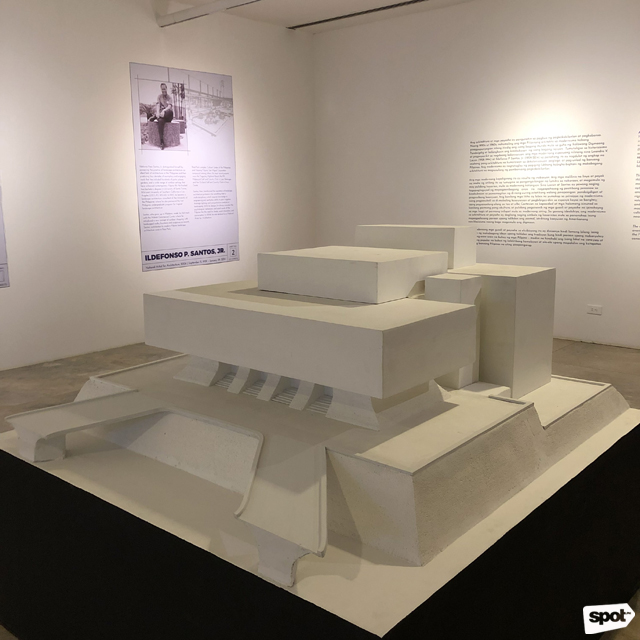
Curated by Dr. Gerard Lico, a professor at the University of the Philippines – Diliman’s College of Architecture, the exhibition attempts to promote civic consciousness, and the idea that these edifices are cultural treasures and forms of artistic expression of the Filipinos. Though Locsin and Santos each has their own style and technique, it is undeniable that they contributed to our identity as a nation through their individual ideas and collaborative works.
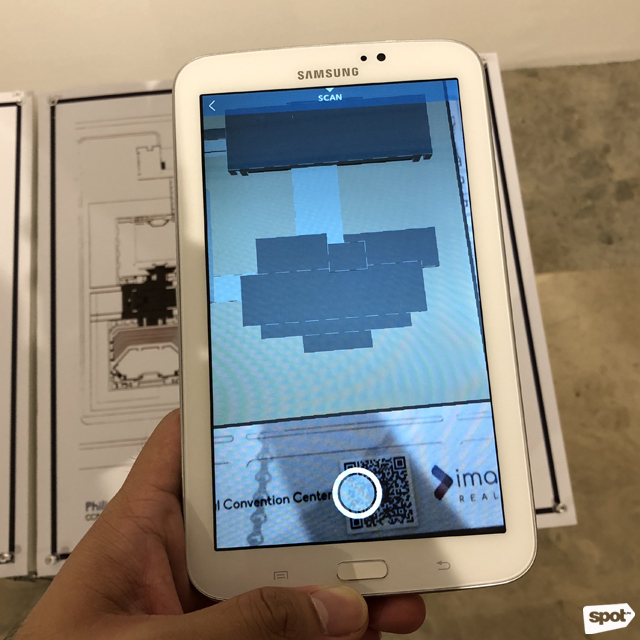
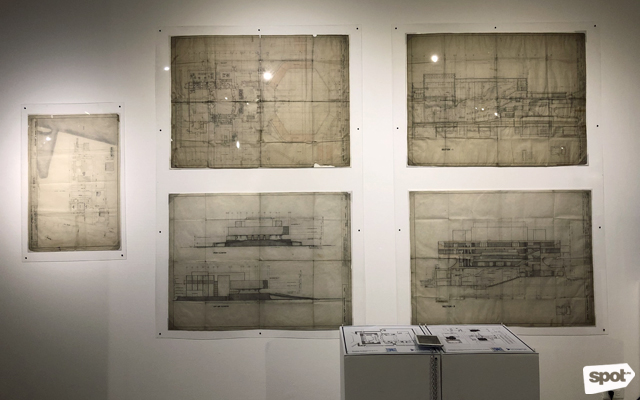
Locsin’s take on modern architecture was characterized by cleanliness, efficiency, and precision through the use of concrete and glass. Apart from accentuating Philippine art and culture through his mastery of space and scale, his works spoke of minimalism but also stood out. The Cultural Center of the Philippines Complex—which includes the Cultural Center of the Philippines, Folk Arts Theater, Philippine International Convention Center, Philippine Center for International Trade & Exhibitions (a.k.a. PhilCite), and Sofitel Philippine Plaza (then The Westin Philippine Plaza Hotel)—was the perfect example of his design philosophy. He was conferred the National Artist for Architecture award in 1990.
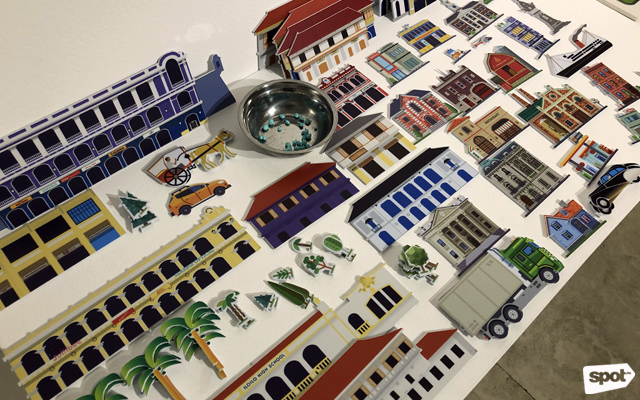
Santos, as a landscape architect, saw beauty in local elements and species. He believed that these contribute to urban ecology and cultural identity. Some of his works included the Loyola Memorial Park in Marikina, the Paco Park and Rizal Park in Manila, Tagaytay Highlands in Cavite, and the Crystal Springs Mountain Lodge in Laguna.
Apart from making a mark through these other outdoor spaces, Santos was appointed the landscape architectural consultant for the campus plan of the University of the Philippines – Diliman in 1965. It was also where he founded the first Philippine undergraduate program in Tropical Landscape Architecture in 1971. His architectural practice put emphasis on adaptation for local use, especially the necessity for shade and social interaction. He was declared National Artist for Architecture in 2006.
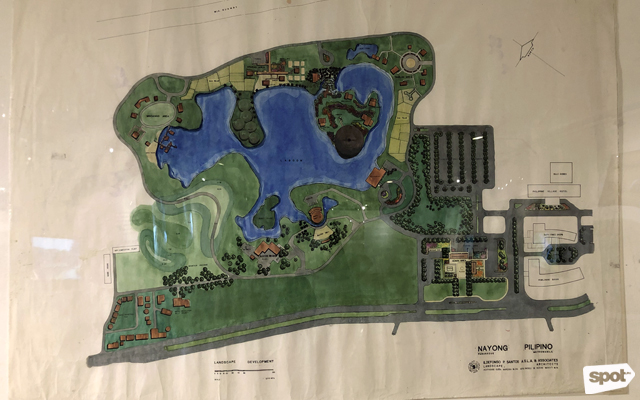
These modern spaces designed by Locsin and Santos go beyond the blueprints and scale models. Together, they enhanced our collective national identity.
Leandro V. Locsin and Ildefonso P. Santos, Jr.: A Legacy of Filipino Popular Modernism runs until August 31 at the Metropolitan Museum of Manila, Bangko Sentral ng Pilipinas Complex, Roxas Boulevard, Manila City. For more information, visit Metropolitan Museum of Manila’s website.
UPDATE (July 18): The Metropolitan Museum of Manila extended the exhibit run of Leandro V. Locsin and Ildefonso P. Santos, Jr.: A Legacy of Filipino Popular Modernism. This article has been updated to indicate the new end date.