
(SPOT.ph) Unlike Broadway and West End, the present-day Philippine theater scene has yet to have long-running shows that span for at least a whole year. You can only name a few titles that enjoyed several reruns due to public demand: Rak of Aegis, which ran for seven seasons from 2014 to 2019 with sold-out shows; Joseph, the Dreamer, which was first staged in Cebu in 1989 and ran for a whole decade before its reboot in 2020 and 2022; and Ang Huling El Bimbo, which was staged in July 2018, March 2019, and July 2019—plus an upcoming rerun in 2023. Then there’s Mula sa Buwan, which traces its roots to an experimental play in December 2010 before it became a bigger musical in December 2016. It later had reruns in February 2017 and November 2018, a one-night-only musical concert in October 2019, an online streaming of a few scenes in April, and a playback of the musical concert's highlights in May.
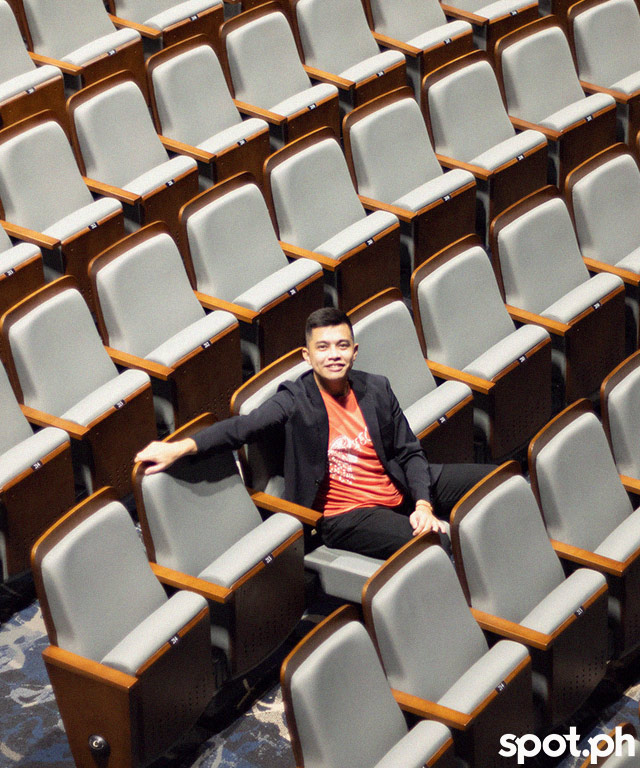
Suffice to say, Mula sa Buwan is a well-loved piece; and a return this 2022, which incidentally signals the comeback of Philippine musical theater post-pandemic, is more than enough for it to get a crowd. But Pat Valera—Mula sa Buwan’s director, playwright, co-creator, and producer—thinks otherwise.
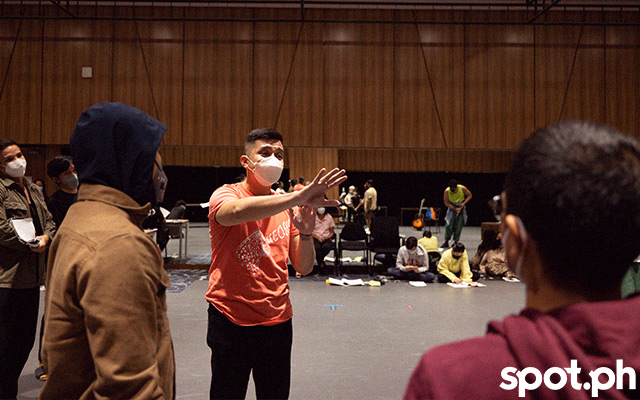
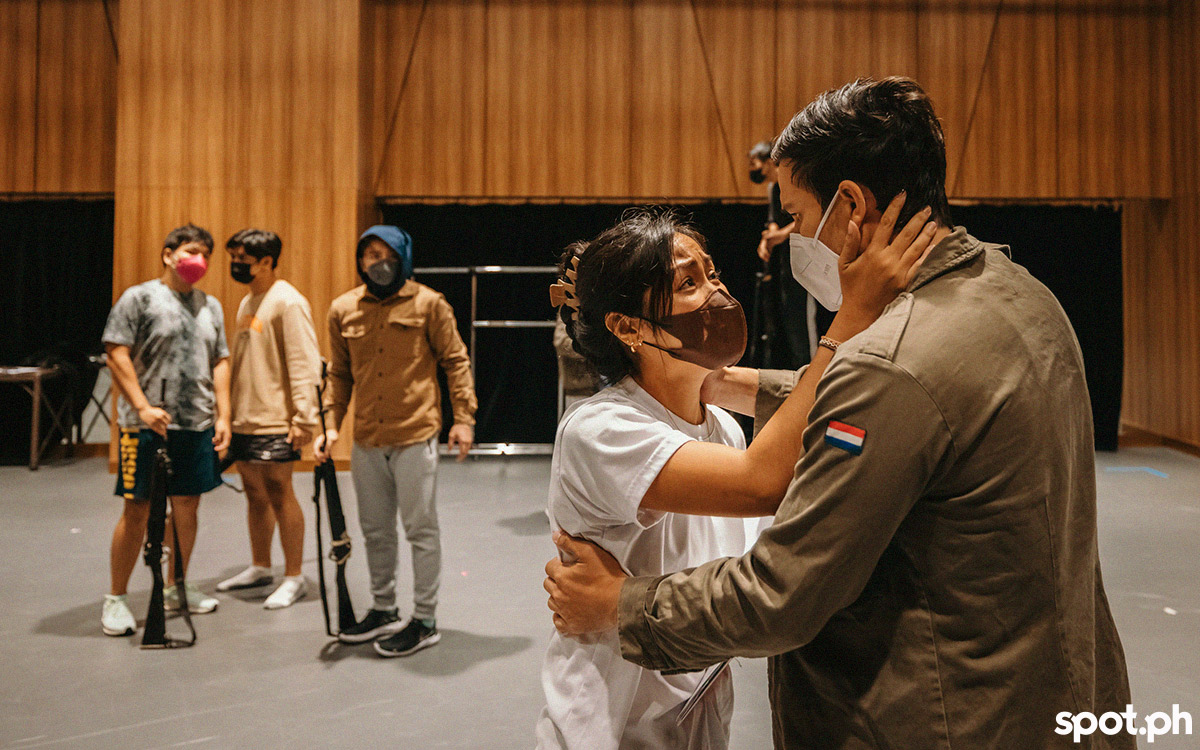
"We could choose not to revisit the play. And it will still sell tickets, sure, but it does not respond to what should be said and told right now. There's always an easy way. Alalahanin niyo lang kami as a nostalgic play—laugh, cry, hugot," he tells SPOT.ph in an interview during their rehearsals. The result? A revamped Mula sa Buwan that captures the present milieu. It runs from August 26 to September 11 at the newly constructed Samsung Performing Arts Theater in Circuit Makati.
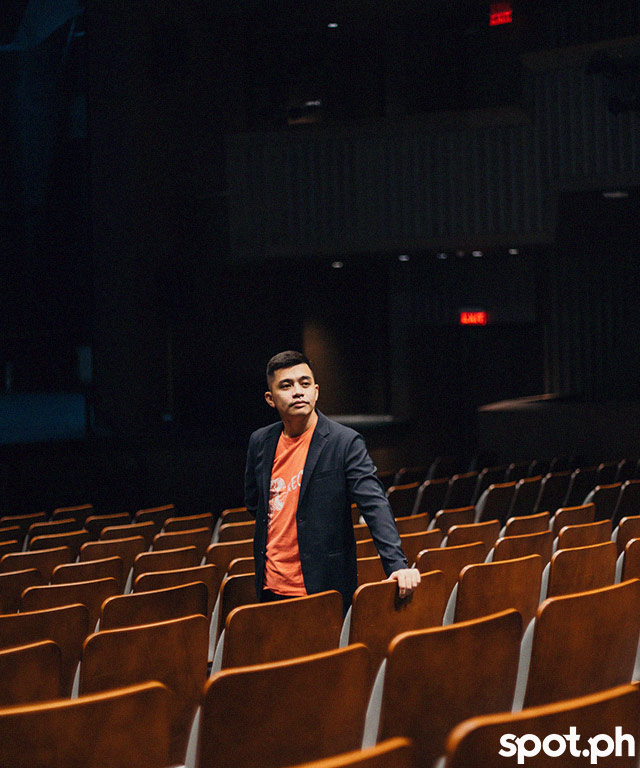
Pat Valera on Revisiting Mula sa Buwan
"I guess the biggest change would come from the text. Plays have the opportunity to respond [to current times] because—I don't know if it's a blessing or a curse—we are live, we have the opportunity to respond to the times again and again," starts Valera when asked about the changes in the 2022 edition of the musical.
While a musical celebrates the spectacle of set design and richness of music, it is still first and foremost a written text. At its heart is the motivation of characters, which may or may not change through time. This means that the script can be revised again and again, while still working "within the DNA" of the story, explained the playwright.
Mula sa Buwan fans and new viewers alike can expect the same storyline based on Edmond Rostand's Cyrano de Bergerac and Francisco "Soc" Rodrigo's Filipino translation of the French classic. There’s still Cyrano (Myke Salomon) and Christian (Markki Stroem), both ROTC cadets who fall in love with Roxane (Gab Pangilinan). But this premise is now even bigger than before.
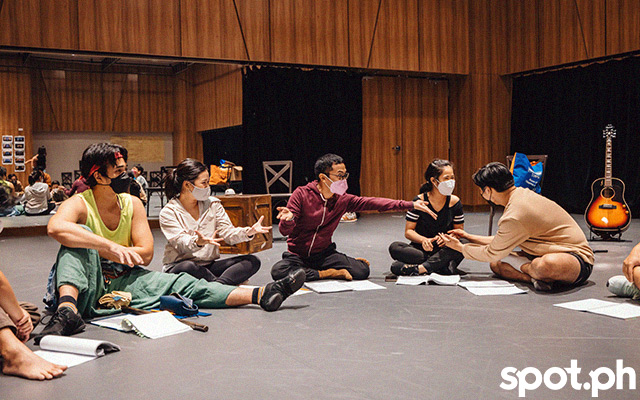
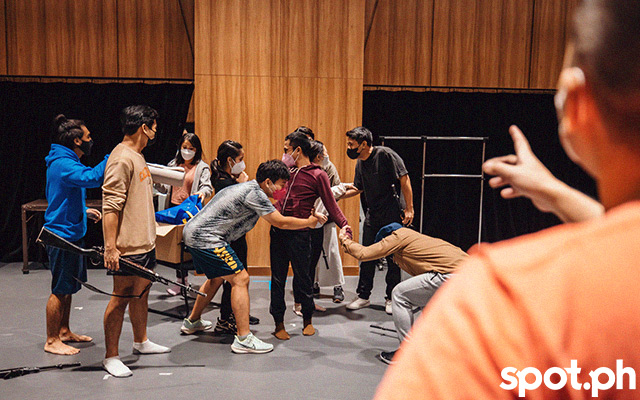
"It's not just the story of Cyrano, Roxane, and Christian [anymore]. This time around, it's also the ensemble—led by Rosanna (Phi Palmos)—trying to find their own space in this world. There was a change in their intent. For example, the "Manifesto" scene is not just about writers or people wanting to eat in a cabaret. Now, it's a meeting place. Nagmi-meet sila—young as they are—because in a possible independence that we can finally have as a nation; maybe we, who are different—the misfits and fools and dreamers of our time, can be represented somehow. They try to think of ways how to get funds, etc, all within, of course, the DNA of what Mula sa Buwan is," Valera reveals.
He added that the revision is not done to be politically correct, "pa-woke," or "pa-relevant." Everything, according to him, comes from introspection on how best to navigate the present with the truth.
Comments