Follow us!
© 2026 Spot.PH

NPC Seal of Registration

Spot.ph has been granted the NPC Seal of Registration in recognition of the successful registration of its DPO and DPS

BIR Registered - Bureau of Internal Revenue

This Church Is a Marker of Poblacion's Centuries-Old Heritage


Published Feb 17, 2024

Now known as Saints Peter and Paul Parish, this church dates back 400 years.

(SPOT.ph) Mention the word "Poblacion" (or really, Pobs) to anyone whose birthyear starts with a two and immediately they'll bring up hip bars, cool niche spaces, lifestyle shops, and all things now. What they might not realize is that this tightknit hub near the Pasig riverbank has always offered so much more, and has a history that stretches back several centuries.

Long before it became known for its narrow streets, neon lights, and crazy nights, Poblacion was already a lively town center, witness to all the changes of the Philippines' capital region. Need concrete proof this urban hub and—let's just go ahead and say it—semi red-light district, is testament to our city's history? Then walk uphill from P. Burgos towards the semi-hidden San Pedro Macati Church and you'll see what we mean.
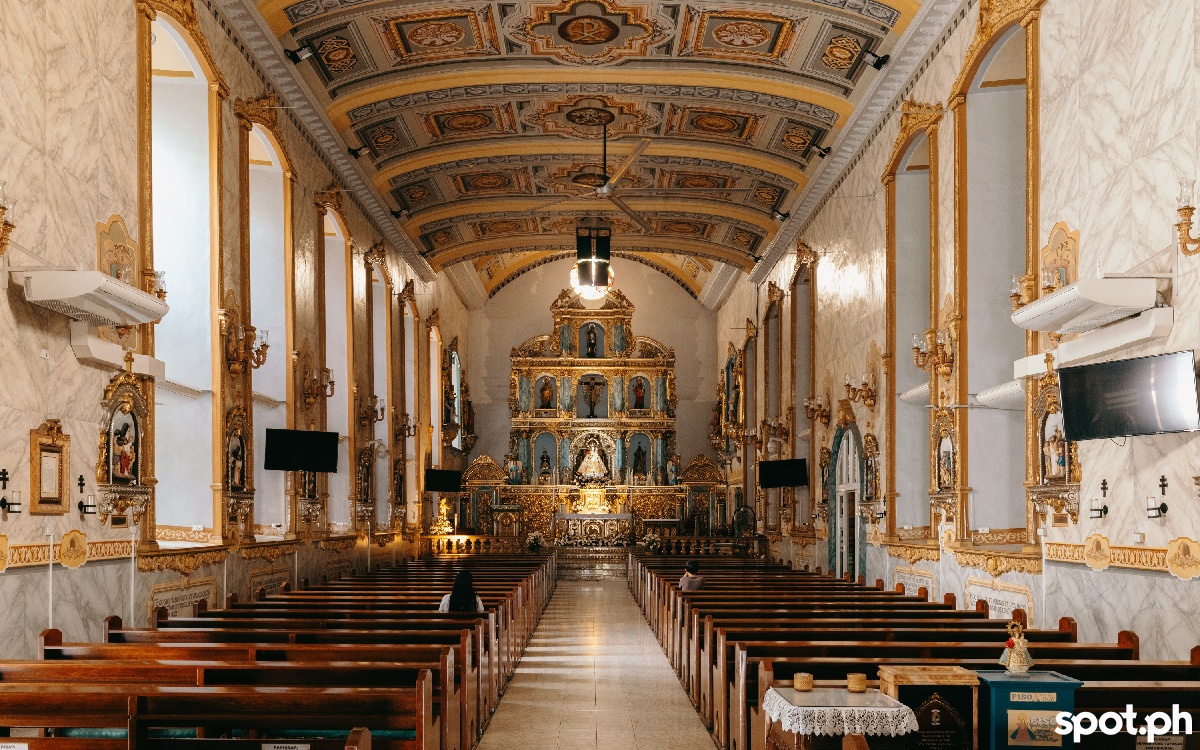
PHOTO: Jilson Tiu

Just how old is Poblacion, Makati?

Like its name suggests, poblacion has been the town center throughout history. When the Spanish arrived in the Philippines, there were already people who had settled by the riverbanks and were part of the vast Kingdom of Namayan. This kingdom stretched from Manila Bay to Laguna de Bay and was ruled by Lakan Tagkan and wife Bouan from their seat of power in Sapa, now Santa Ana in Manila.

This swampy area became a mission site for the Fransicans, who arrived in 1577 and called it Sta. Ana de Sapa. Then in 1608, the Spanish Capitan Pedro de Brito donated half his lands, including what would become Makati, to the Jesuits—with the condition that they build a church honoring his namesake saint. Brito and his wife Anna de Herrera also gave P14,000 for the construction of the church.

Also read: A Resident's Guide to Poblacion

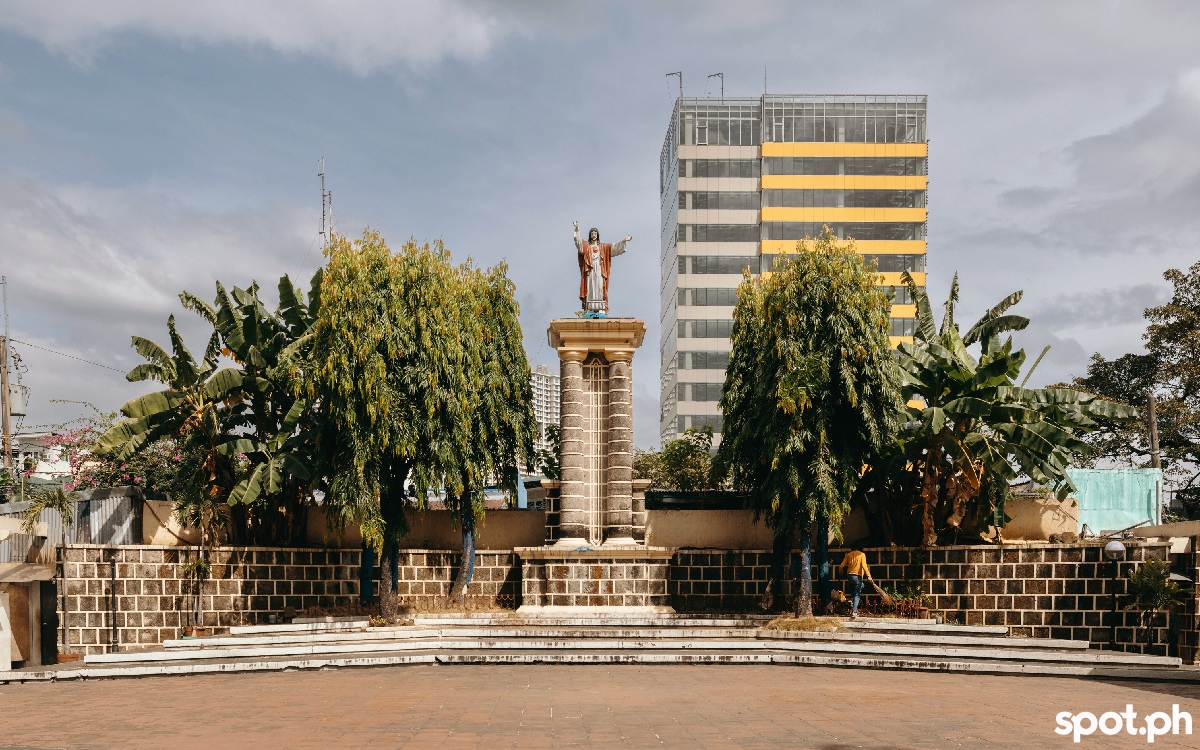
Plaza Cristo Rey on a hot January afternoon in 2024. PHOTO: Jilson Tiu

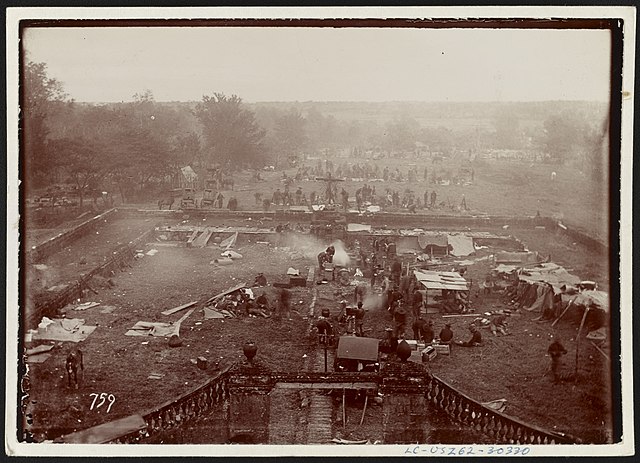
poblacion church philippine-american war
California and Idaho troops camping out in the churchyard in 1899, more than one hundred years ago during the Philippine-American war.
PHOTO BY Wikimedia Commons / U.S. Library of Congress
Article continues after this ad.
ADVERTISEMENT - CONTINUE READING BELOW

The baroque structure was officially completed in 1620, sitting atop what was then called Beunavista hill overlooking the poblacion. It was called the San Pedro de Macati, with "kati" likely attributed to the tides of the river or by the itchy lipang kalabaw plant that once grew there. The church and the surrounding town was then referred to as Sampiro.

Through the years, the riverbanks that the church looked over was the main seat of Sampiro. When the Spanish took the land back from the Jesuits in the 18th Century, it changed hands many times, until Don Jose Bonifacio Roxas—from whom came the Roxas-Ayala-Zobel clan—acquired the estate in 1851. By this time, Manila's elite had taken to building their summer villas by the riverbanks, while the descendants of Don Jose took to developing Makati from a swamp to the glistening business district it now is. By 1914, San Pedro Macati was officially renamed Makati through a Philippine legislative act. 

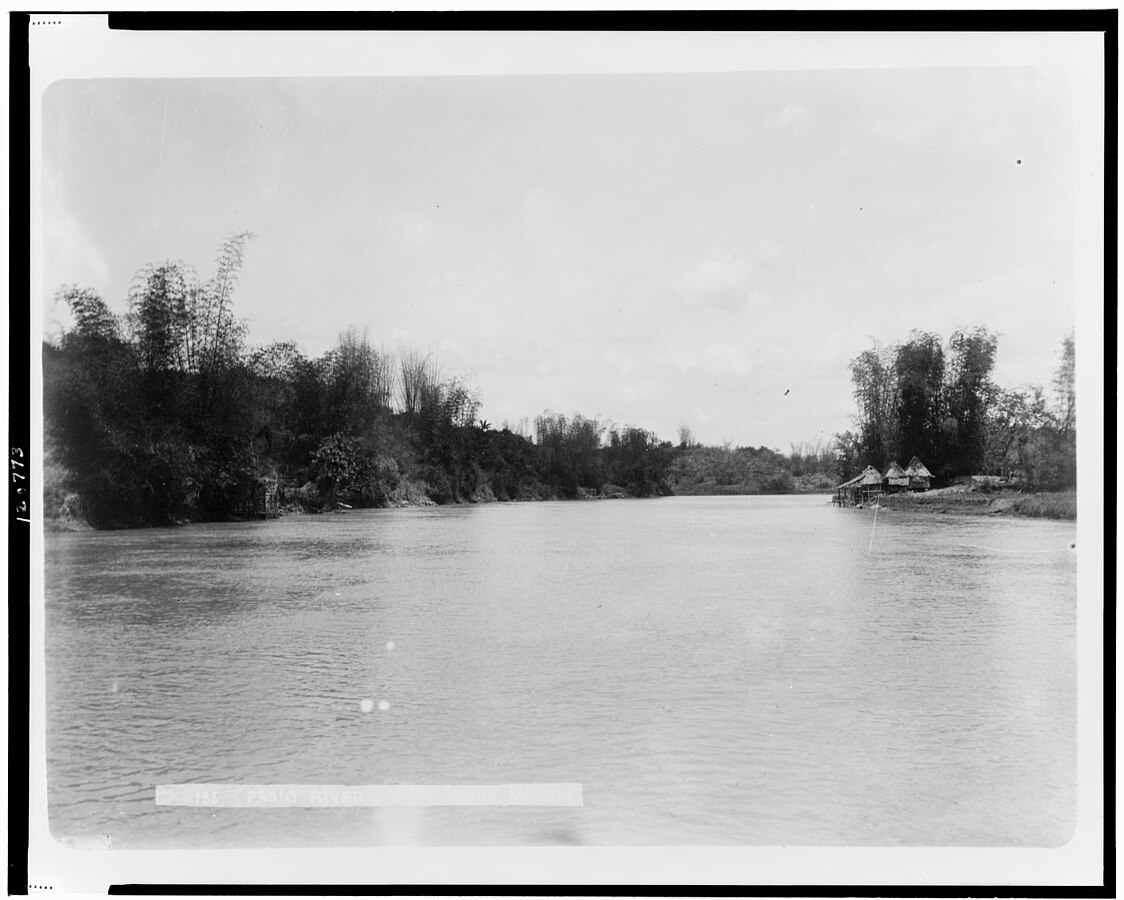
old pasig river
Pasig River in 1899.
PHOTO BY Wikimedia Commons / U.S. Library of Congress

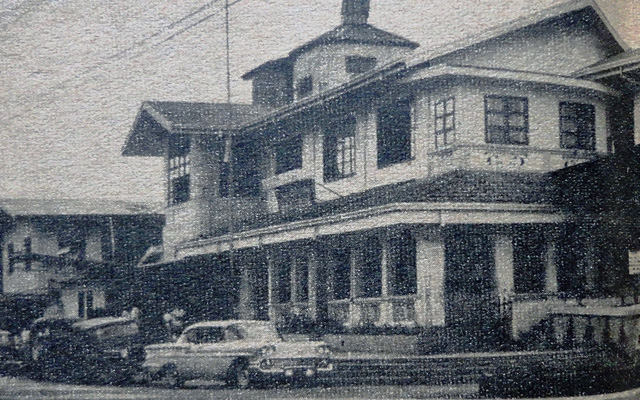
Poblacion as the seat of Makati was cemented with the construction of the first municipal building, the Presidencia, in 1918. This is the structure you see coming in to Poblacion from J.P. Rizal, in the center which was then called Plaza Trece de Agosto. This Presidencia now serves as the Museo de Makati, and you can visit it for free to learn more about the history of this city.

Article continues after this video.
ADVERTISEMENT
watch now
old presidencia poblacion makati
The Presidencia as it was in 1962.
PHOTO BY The Chronicle Magazine, January 6, 1962 / SPOT.ph Archives

PHOTO: Jilson Tiu

Poblacion's San Pedro Macati Church

The original church structure was unfortunately destroyed by the British when they occupied Manila from 1762 to 1764. Reconstruction was completed nearly a century later, in 1849, staying true to its original Baroque style.

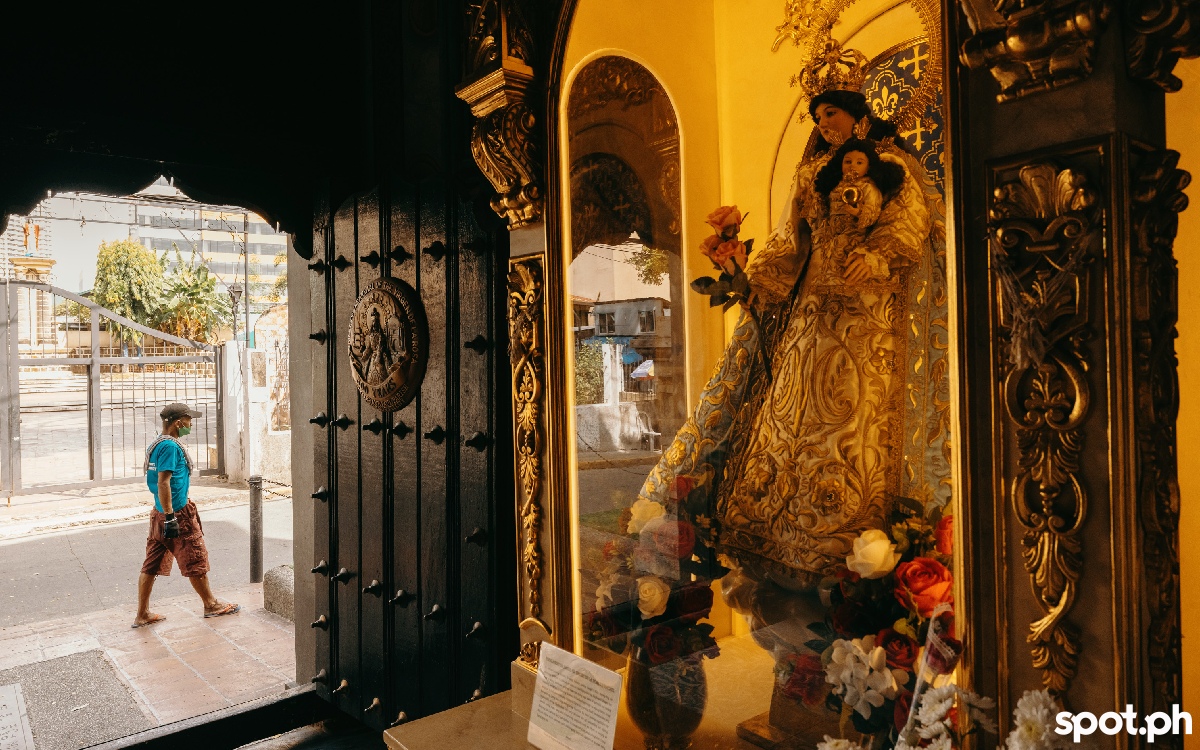
The church, now more known as Saints Peter and Paul Parish, is still a very big part of the community. Enshrined within is the Virgen de la Rosa, an ivory image of the Blessed Virgin Mary brought over from Mexico by a Jesuit in 1718. The parish holds two fiestas, the feast of the Apostles Peter and Paul, and the feast of "Nuestra Señora dela Rosa" on June 29 and 30, respectively.

Nowadays, it's a little hard to tell that the massive stone church is atop a hill, thanks to the busy streets that now surround it. It is only until you start walking up the gently sloping driveway that its massive size and location slowly becomes clear. Right across it is Plaza Cristo de Rey, once a cemetery, where locals now come to play and hang out in the shade. Once you walk in through the giant wooden doors, you are greeted by a heavy silence, with a certain stillness coming from the ornate paintings, and little chapels on each side containing figures and holy images.

Article continues after this ad.
ADVERTISEMENT - CONTINUE READING BELOW

Outside, Poblacion continues to change. Restaurants, bars, and shops, continue to take over the once quiet residential town and government center. So the next time you're downing a drink nearby in a brand new spot, remember that just a few blocks away stands an immovable reminder of hundreds of years gone by.

Photos by Jilson Tiu

Read more stories about

Comments

Latest Stories

Load More Stories
Close