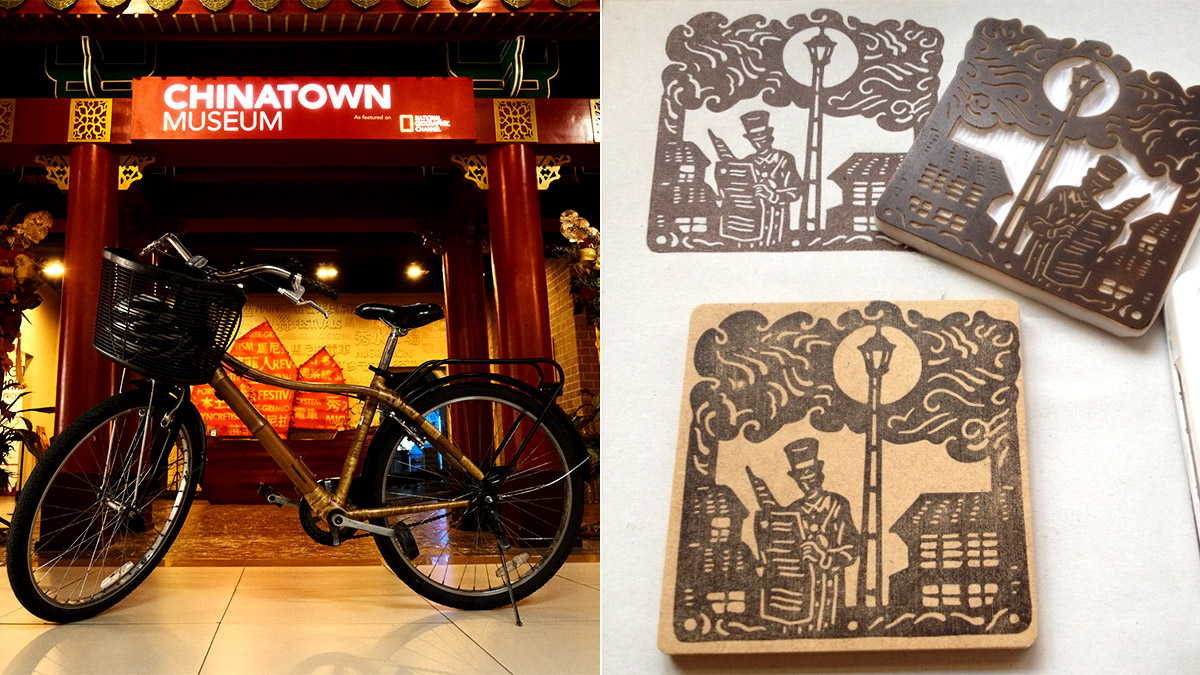
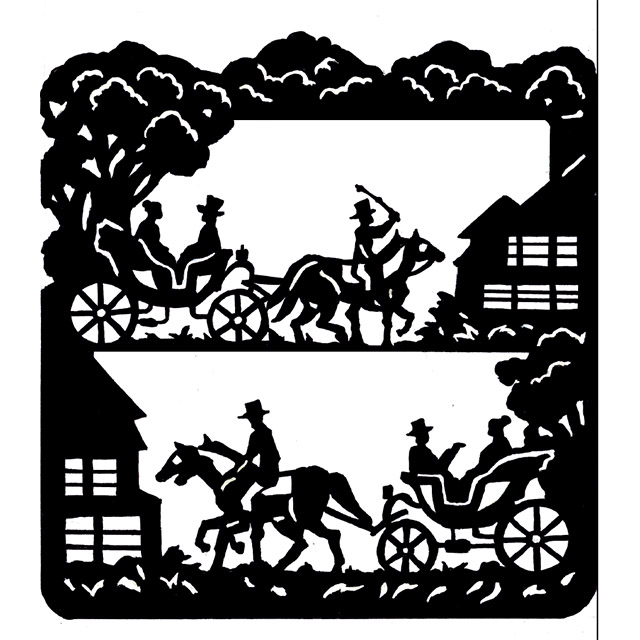
(SPOT.ph) When abroad, it's customary to be on the lookout for free commemorative stamps scattered about in museums, train stations, and other tourist attractions.Well, if you love collecting these memorabilia, you don't need to travel abroad just to experience the thrill of hunting for these souvenir stamps. Calling all anik-anik girlies and stationery aficionados: ICYDK, the Chinatown Museum in Binondo, has various souvenir stamps you can collect for free. Here's what you need to know about this side adventure when visiting one of the world's oldest Chinatowns.
Next time you visit the Chinatown Museum at Lucky Chinatown Mall in Binondo, keep your eyes peeled for souvenir stamps in their different galleries. Each stamp is based on a key moment, location, or individual within the Filipino-Chinese community's long history.
PHOTO BY Facebook/ Chinatown Museum
You can collect 19 different designs in one visit. The stamps are found in every gallery, in special stamping corners where you can take your time to admire the art and history behind each handmade wooden block-inspired stamp.
Article continues after this ad.
ADVERTISEMENT - CONTINUE READING BELOW
Can you spot the stamping table at this corner of the Chinatown Museum?
PHOTO BY Facebook/ Chinatown Museum
Here are some of the Chinatown Museum souvenir stamp designs you can collect:
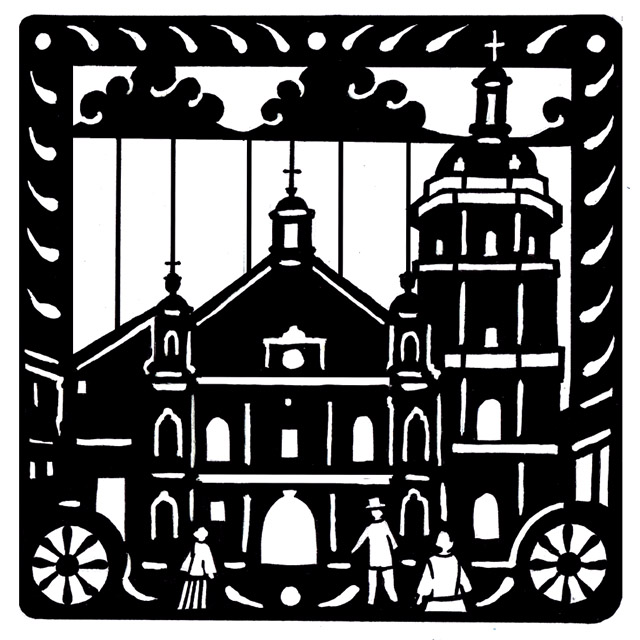
Get this stamp from the Mission Settlement gallery. It tells the story of Binondo's origins as a Christian settlement. It features the Binondo Church, which was founded by the Dominicans tasked to be the new Chinese converts' ministry.
PHOTO Courtesy of Chinatown Museum
The stamp for the Figures of Faith gallery feature representations of key religious and spiritual figures in the Binondo community.
PHOTO Courtesy of Chinatown Museum
Article continues after this video.
ADVERTISEMENT
watch now
This stamp features the Alcaiceria, the designated area for trade and residency for transient Chinese during the Spanish occupation.
PHOTO Courtesy of Chinatown Museum
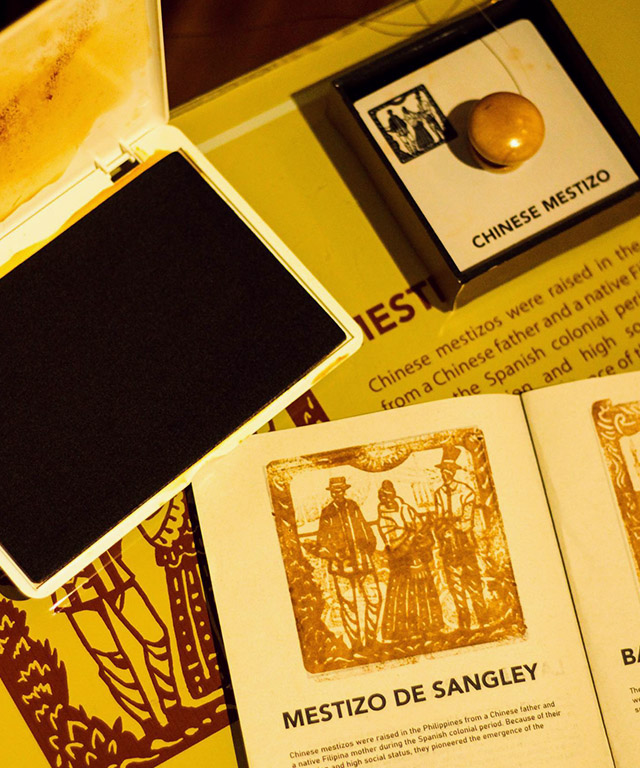
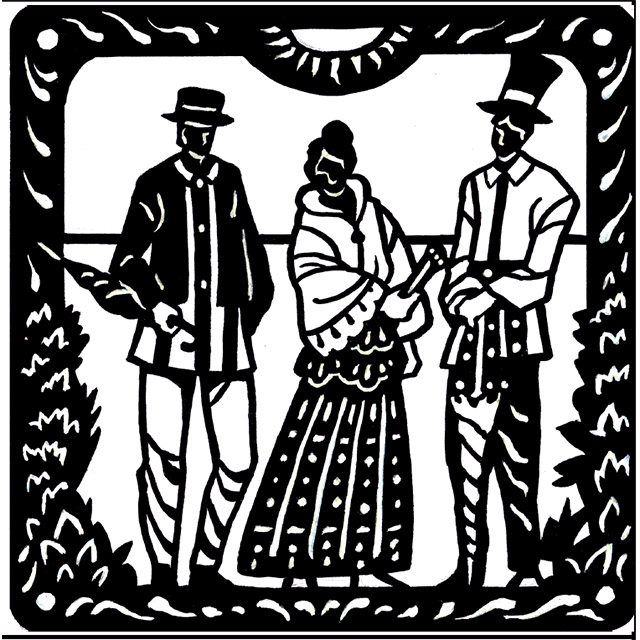
This stamp features the Chinese Mestizos a.k.a. individuals from a Chinese father and a native Filipina mother during the Spanish colonial period.
PHOTO Courtesy of Chinatown Museum
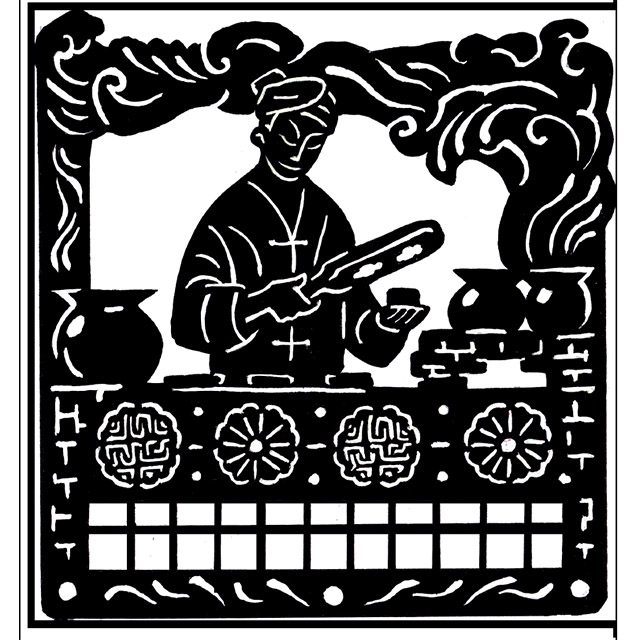
The Chinese immigrants were popular cooks. This stamp features famous snacks from the community, like hopia and siopao.
PHOTO Courtesy of Chinatown Museum
Article continues after this ad.
ADVERTISEMENT - CONTINUE READING BELOW
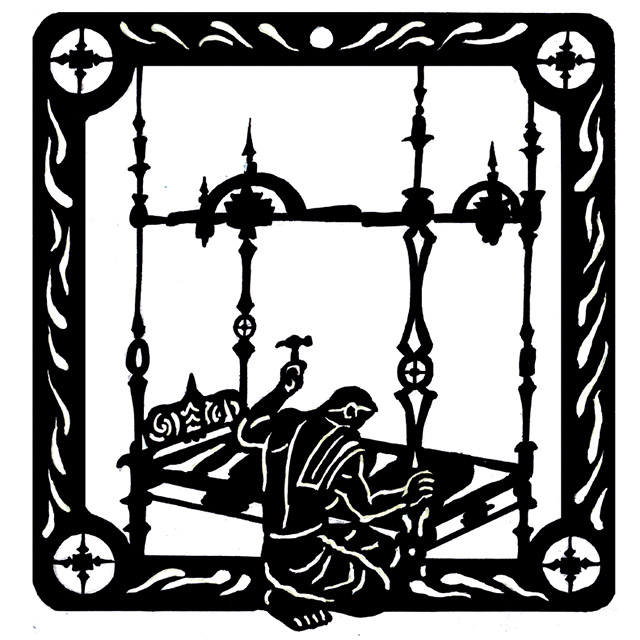
This stamp is an ode to Chinese immigrants who worked as craftsmen. The stamp shows a depiction of the craftsman Ah Tay, who is known for making high-quality narra furniture that blends European Baroque and Rococo styles with indigenous plant patterns into furniture designs.
PHOTO Courtesy of Chinatown Museum
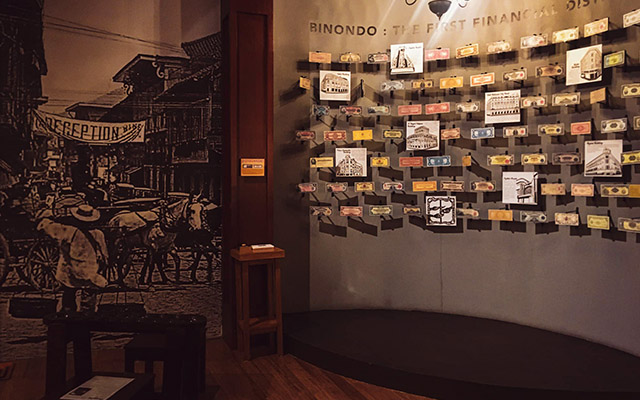
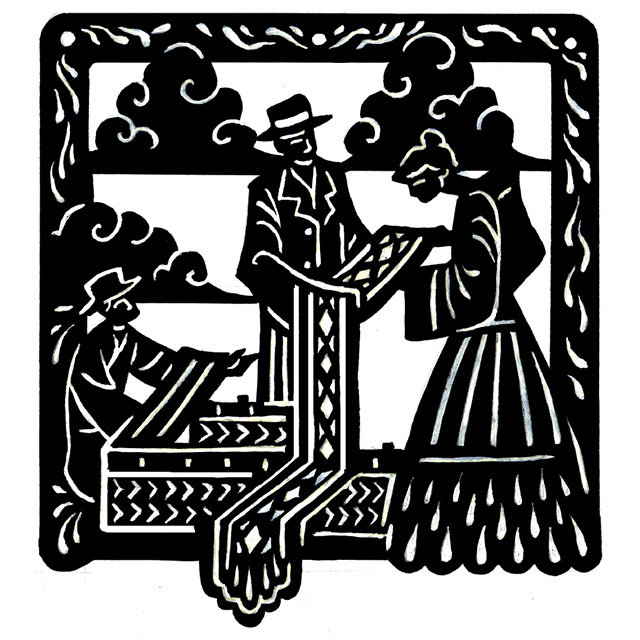
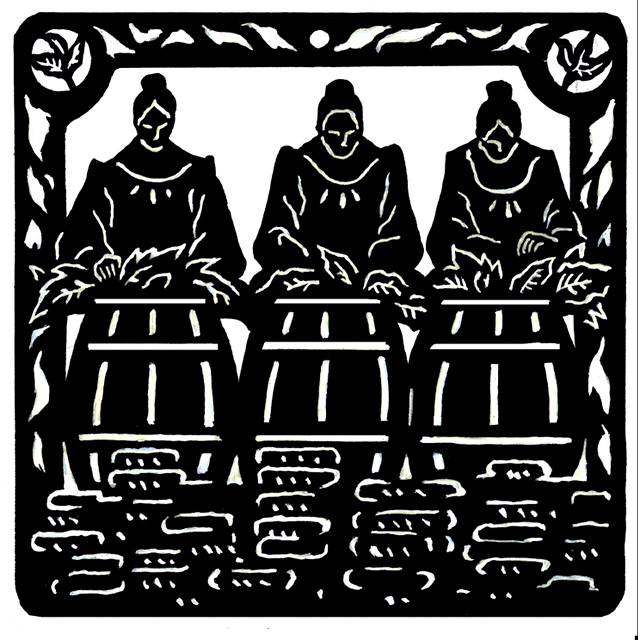
This stamp features the different industries that made Binondo a business district.
PHOTO Courtesy of Chinatown Museum
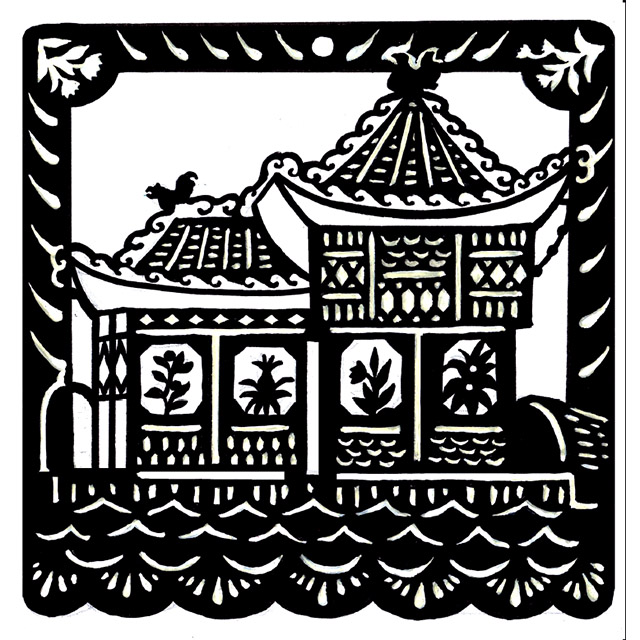
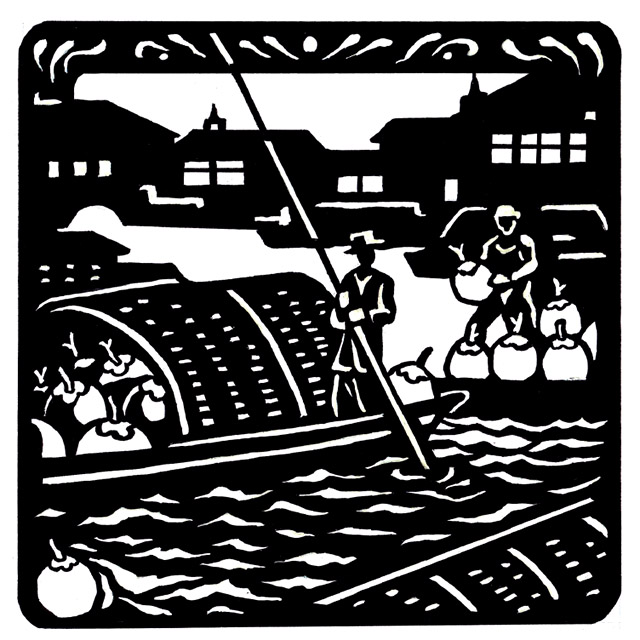
This stamp represents Binondo as an island bound by estuaries, a.k.a. esteros.
PHOTO Courtesy of Chinatown Museum
Article continues after this ad.
ADVERTISEMENT - CONTINUE READING BELOW
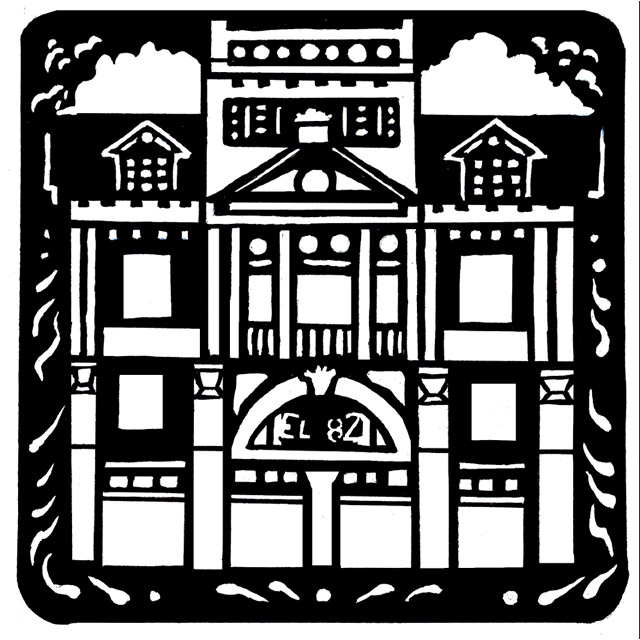
This stamp features El 82, a shop that sold hardware and art supplies founded by Roman Ongpin. Ongpin is a popular mestizo who held positions such as that of teniente primero de mestizos and cabeza de barangay.
PHOTO Courtesy of Chinatown Museum
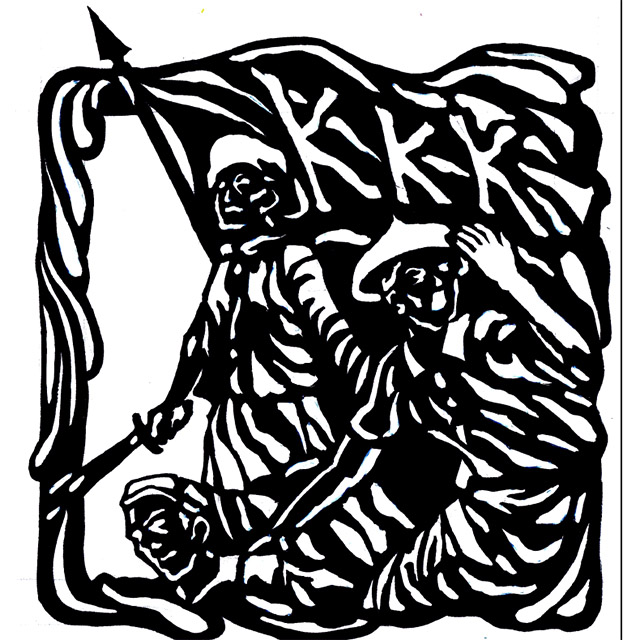
This stamp commemorates the Chinese mestizos who sympathized with the non-Chinese Filipinos during the 1896 revolution.
PHOTO Courtesy of Chinatown Museum
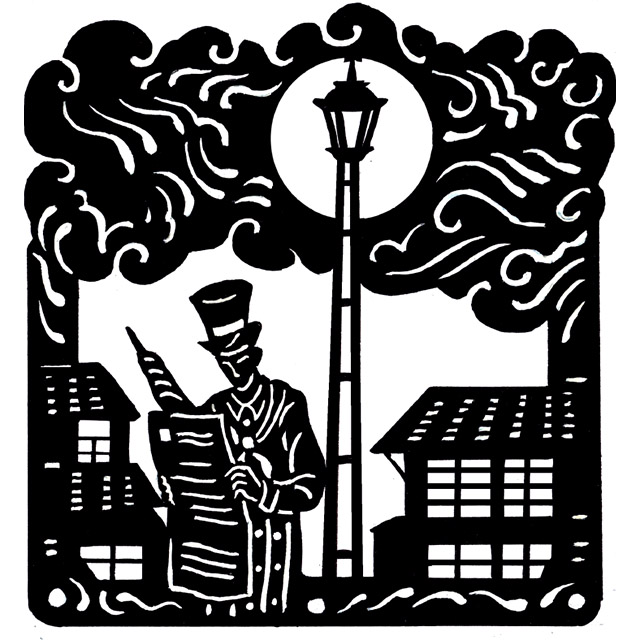
This stamp depicts a representation of the Turn of the Century, a time when Filipinos became increasingly critical of colonial abuses.
PHOTO Courtesy of Chinatown Museum
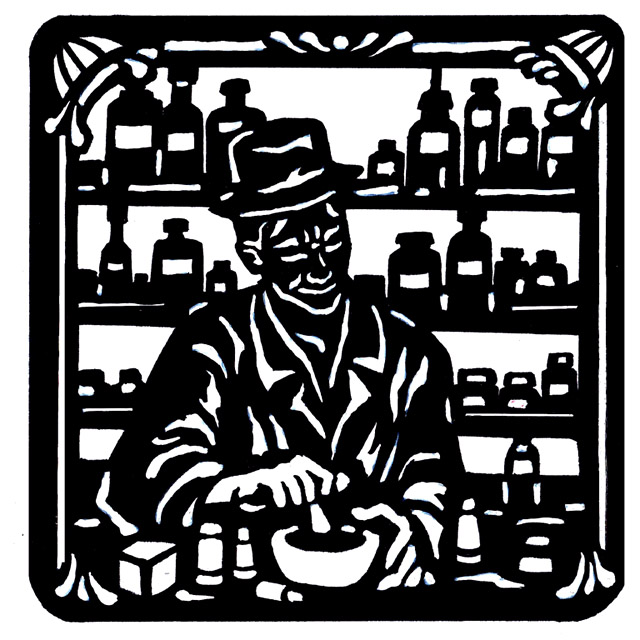
This stamp depicts a Chinese botica. It made natural herbal concoctions and medicinal cures available to the people. This type of medicine was heavily influenced by Traditional Chinese Medicine.
PHOTO BY Courtesy of Chinatown Museum
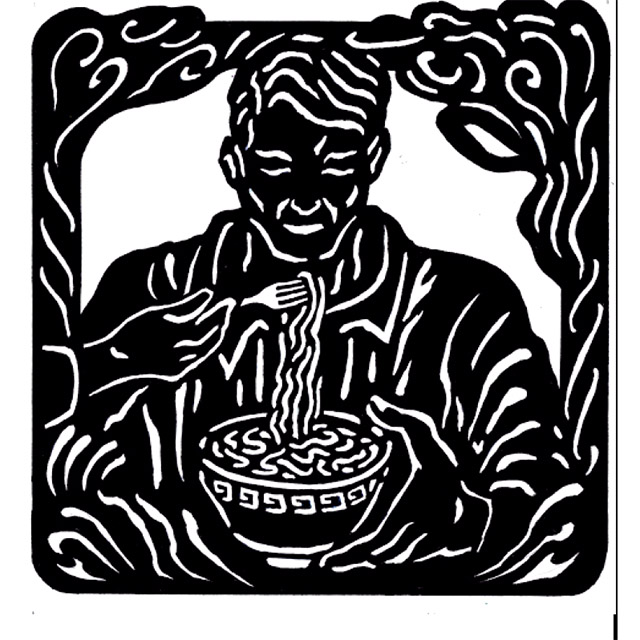
This stamp shows Binondo as a food hub that blends local, Chinese, and Spanish flavors.
PHOTO BY Courtesy of Chinatown Museum
This stamp features the tranvia, a streetcar that provided mass transportation in Manila. Its major interchange lies in what is today known as the Binondo Plaza.
PHOTO BY Courtesy of Chinatown Museum
PHOTO Courtesy of Chinatown Museum
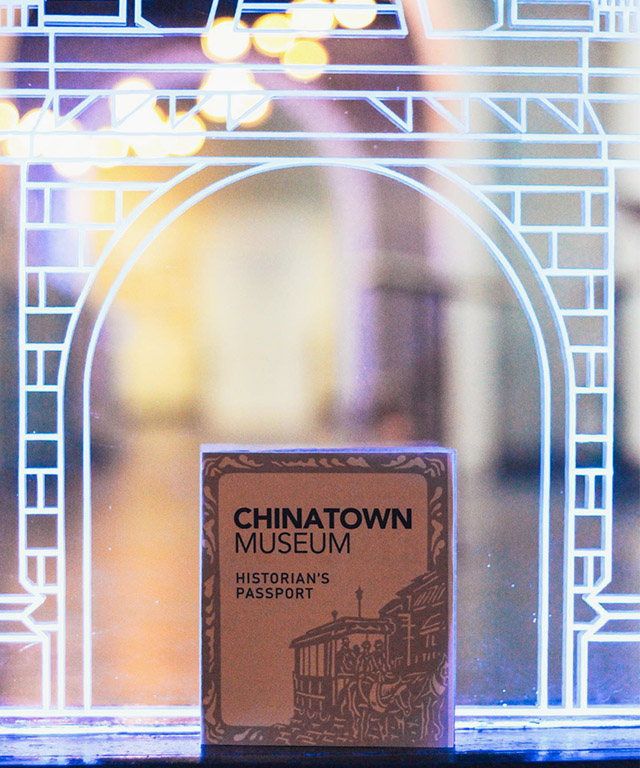
The stamp designs are best collected in the Historian's Passport booklet, which can be bought at the museum's reception for only P50.
PHOTO BY Facebook/ Chinatown Museum
But if you don't want to purchase the special notebook, you can still use the stamps as souvenirs for your personal journals. Just make sure to use the stamps responsibly and only use them when marking notebooks or pieces of paper.
Opened in 2019, Binondo's Chinatown Museum features 18 galleries that highlight Binondo's social, cultural, economic, political, and religious landscape. It is the country's first cultural museum dedicated to a single district and Manila's first museum housed in a mall. Entrance to the Chinatown Museum is P100 for students, P120 for senior citizens and PWDs, and P150 for everyone else.
Chinatown Museum is at 4/F Building A, Lucky Chinatown, Reina Regente Street, Binondo, Manila City. It is open from Tuesday to Sunday, 10 a.m. to 6 p.m. For more information, visit Chinatown Museum's Facebook Page
We use cookies to ensure you get the best experience on Spot.ph. By continued use, you agree to our privacy policy and accept our use of such cookies. Find out more here.