

Silk, Silver, Spices, Slaves Is a Wild Ride Through PH History
It's an entertaining ride through the archipelago's rich history.
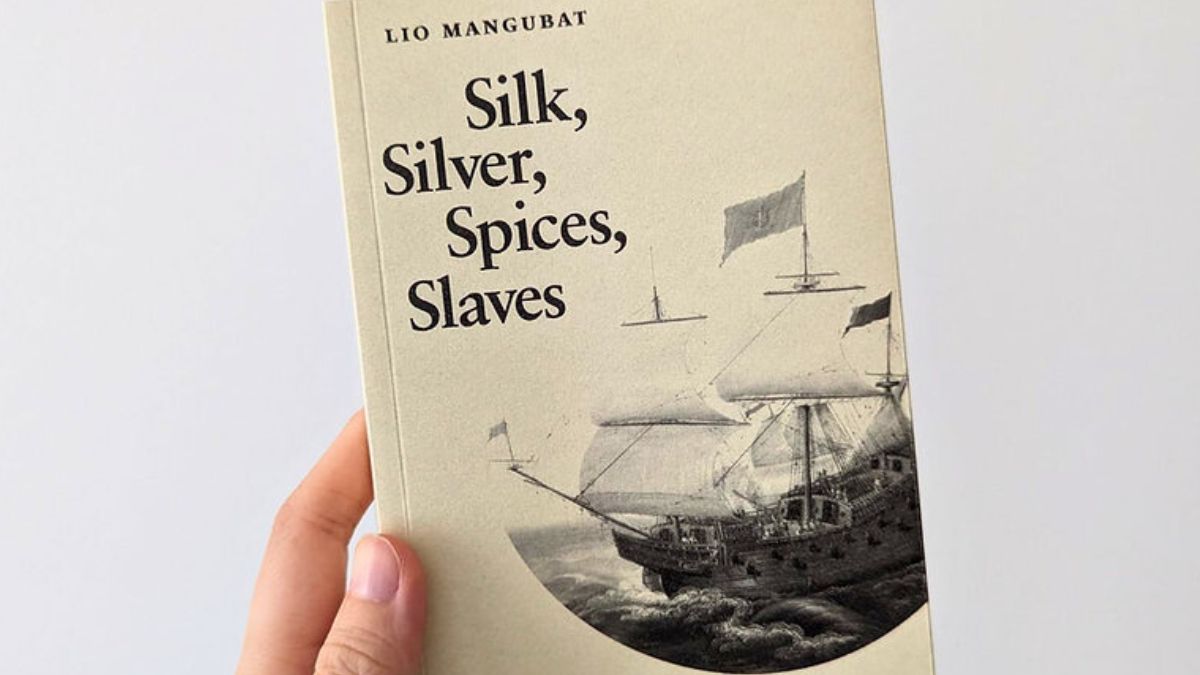
(SPOT.ph) Philippine history is bursting at the seams with politics, intrigue, and momentous events. With thousands of islands and several entry points serving as bases for business and exchange, there's no doubt these exchanges have resulted in byproducts that have left a mark on the culture. Author Lio Mangubat's podcast-turned-book Silk, Silver, Spices, Slaves mines these many cross-cultural meetings and engagements to make unraveling the archipelago's past one entertaining ride.
Also read: This Book Goes Beyond Dishes and Dives Into Issues Surrounding Food
Silk, Silver, Spices, Slaves peers into pockets of Philippine history
Titled Silk, Silver, Spices, Slaves: Lost Tales from the Philippine Colonial Period, 1565-1946, the book features 13 essays that shed light on lesser-known absurdities in Philippine history. "There are so many stories to tell from our almost four-hundred-year history under various colonizers—the Spanish, the British, the Americans, and the Japanese," says Mangubat. "But more than just retelling these stories, I also wanted to explore how these events come about from the collisions and frictions that happen when you have this cross-continental exchange of goods, ideas, and people."
The anthology was adapted from Mangubat's podcast The Colonial Dept., which feeds audiences bite-sized narratives of Philippine history through immersive audio experiences. It currently has five seasons with more than a hundred episodes, and an ongoing sixth season.
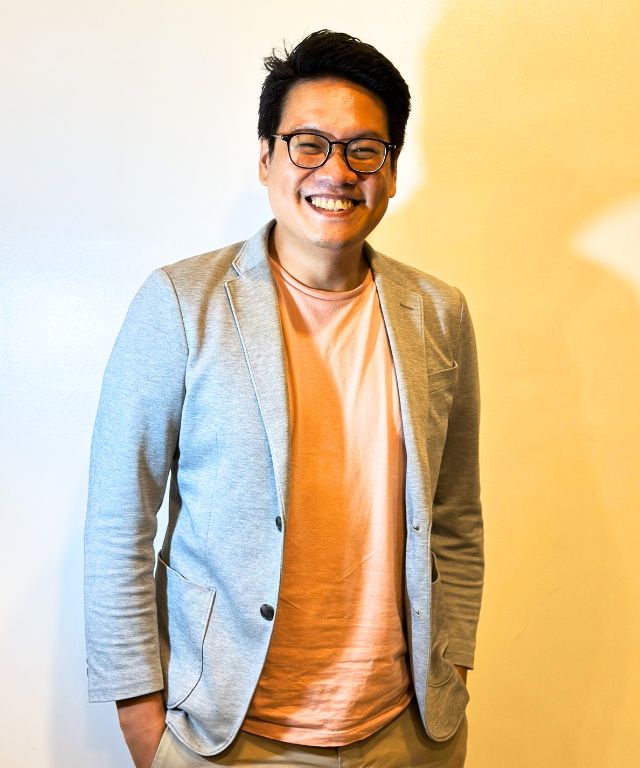
"It was a passion project that also felt like an interesting creative challenge," the longtime writer and editor says about venturing into the world of podcasting. "I’d always considered myself as a writer, but how could I tell these stories as audio experiences? I set a goal of writing, narrating, engineering, and publishing a main episode every two weeks, and see how far I could take the project. And now, here we are, three years later, with more than a hundred episodes in the bag."
In the Asian Review of Books, editor Peter Gordon writes of the collection of essays: "Mangubat links past and present, knows a good character when he sees one, and writes engagingly. This short book could easily have included another half-dozen of these vignettes." The review goes on to add: "Short-story collections are often a prelude for something longer: perhaps Mangubat can be the one to write a Filipino history that resonates with a wider English-speaking public. Silk, Silver, Spices, Slaves is proof that there’s more than enough material."
Silk, Silver, Spices, Slaves was published in Singapore by Faction Press, an independent publishing house dedicated to Southeast Asian nonfiction. It debuted at number two in The Straits Times’ nonfiction bestseller list.
"Faction Press is dedicated to publishing unique voices from across Southeast Asia, and I am immensely proud and honored to be the first Filipino in their roster of authors," Mangubat says.
Where to get Silk, Silver, Spices, Slaves
Silk, Silver, Spices, Slaves launches on on August 31, 2 p.m. in the Philippines at Everything's Fine in Salcedo Village, Makati.
Silk, Silver, Spices, Slaves is available at Everything’s Fine in the Philippines, Kinokuniya and Book Bar inSingapore, and as an e-book on Amazon.
Also read: This Book Breathes New Life Into Filipino Folklore