
Manifest Is Cambridge Dictionary's 2024 Word of the Year
You can also check out all the runner-ups for 2024.
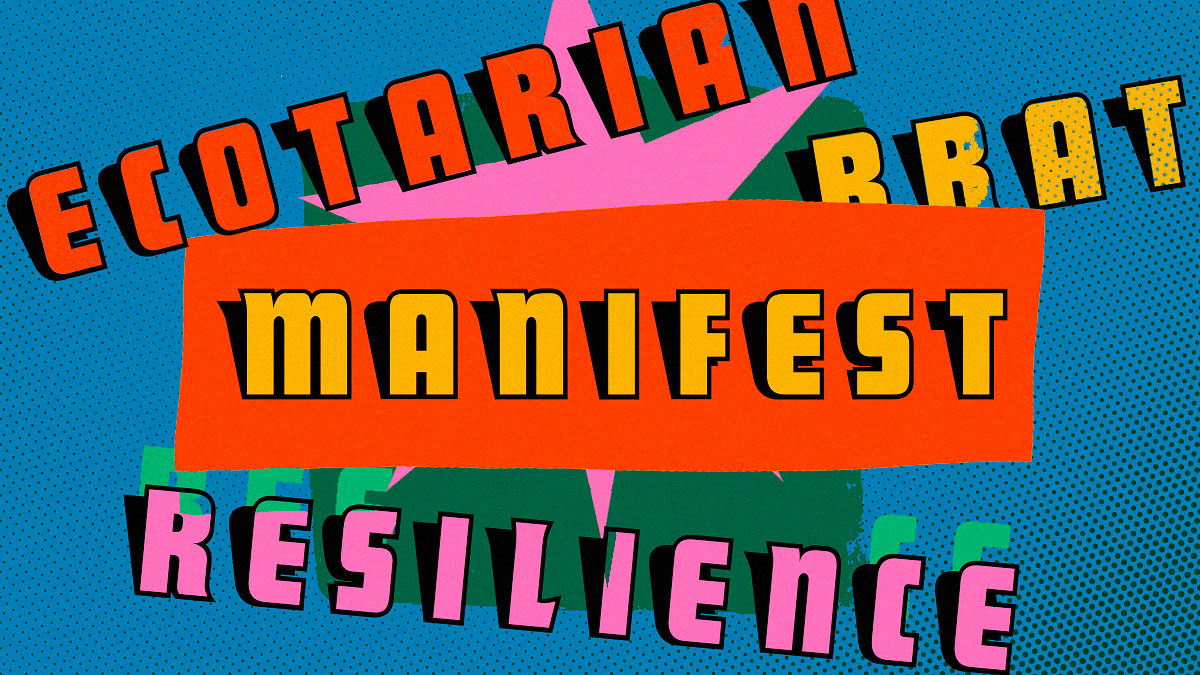
(SPOT.ph) Cambridge Dictionary announced that "manifest" is its pick for the 2024 Word of the Year. How many times have you used this word this year? If it's too many to count, you're not alone. Manifest was looked up over 130,000 times in 2024 alone, so people (read: boomers and young ones—no shade) have been trying to figure out what it means and how to use it. But high search volume wasn't the only factor that went into its rise.
From a 600-year-old word barely used in casual conversation to standard everyday Gen-Z speak, here's the lore behind "manifest" becoming the Word of the Year.
Also read:
10 Pinoy Slang Words We Said in the '90s, Translated
10 Internet-Famous Gen Z Terms, Explained
10 Very Odd Modern Slang Terms Translated for the Boomers and Young-Once
Here's how manifest became Cambridge Dictionary's 2024 Word of the Year:
Manifesting has been all over social and mainstream media this year. There's always some meme about money-festing, chain posts asking you to "claim it," or an influencer or celebrity throwback showing how they willed their current success into fruition.
Safe to say, the word "manifest" is slowly shedding its traditional meaning of "to show to show something clearly" and is leaning into its newfound popularity to mean "to use specific practices to focus your mind on something you want, to try to make it become a reality."
But becoming Word of the Year is not just about being widely used. The Cambridge Dictionary assesses popular words for the recognition based on three considerations: user data, zeitgeist, and language.
True to form, 2024 was a year of achievements for many, with people increasingly crediting their successes to previous manifestations—in addition to hard work, of course.
Some examples include the athletes who competed in the Olympics and Paralympics, Dua Lipa manifesting a crowd of more than 100,000 at the Glastonbury Festival, and "Manifesting Queen" Sabrina Carpenter for appearing with Taylor Swift on her Eras Tour. These are just some major examples of how popular media propagated the idea of manifestations. Add here the countless TikToks, reels, podcasts, blogs, and social media posts and you've got yourself the perfect storm for a rise in popularity.
In a statement on their website, Publishing Manager for the Cambridge Dictionary, Wendalyn Nichols, says "Manifest won this year because it increased notably in lookups, its use widened greatly across all types of media, and it shows how the meanings of a word can change over time."
The different meanings and uses of "manifest" that led to its rise as Word of the Year
Nowadays, "manifest" doesn't just mean to show. In May 2023, it became apparent to the people behind the Cambridge Dictionary that the word was starting to be used in a different context and was actually sticking. As a result, new meanings for "manifest" were added to the dictionary.
Studies done by Cambridge lexicographers have identified three primary contexts for the word "manifest": medical, a negative attitude or feeling, and aspirational (or willing the thing a person wants the most).
In the medical sense, manifest often relates to the appearance of symptoms, and disorders. A common usage would be something like, "A food allergy can manifest in various ways, like hives or difficulty breathing."
Meanwhile, when used in the negative sense, "manifest" often relates to incomplete tasks, crises, and frustration. Here's a sample: "Poor business practices manifest in disgruntled employees."
But without a doubt, the most popular usage of the word is associated with achieving goals, dreams, and success. "Manifest" in this context often involves using focused thought and action to make desired outcomes a reality.
Here are the other words that were in the running to be Cambridge Dictionary's Word of the Year:
Of course, manifest isn't the only word to skyrocket in popularity this year. There are three other words that almost made it to the top: brat, ecotarian, and resilience.
Following the release of Charli XCX's album of the same name, the word "brat" saw an increase of search. This year brat also had a major shift in meaning, going from a word with negative connotations to a positive one.
Meanwhile, the inclusion of "ecotarian" in the lineup reflects a shift towards environmentally conscious living.
Although "resilience" ranked higher in terms of search with over 152,000 searches, it still didn't make the cut. Despite being a powerful word reflective of the challenging times, it didn't have anything new about it linguistically to make a significant impact.
All things considered, 2024 was really manifest's time to shine.
For more information, visit The Cambridge Dictionary's website.
Hey, Spotters! Check us out on Viber to join our Community and subscribe to our Chatbot.