
This Wine Bar in Poblacion Lets the Natural Take Its Course
Drop by Bibio for natural wines + fermentation-forward plates.
Bibio
5659 Don Pedro Street, Poblacion, Makati City
Instagram: www.instagram.com/bibio.mnl
Open from 5 p.m. onwards, Monday to Saturday
(SPOT.ph) There’s an interesting shift to all things au naturel, ironically in (and arguably in response to) this very day and age where technology reigns. You see an emphasis on “natural” and/or “organic” in skincare, packaging options, and even boozy beverages with the increasing prevalence of what’s called natural wines in recent months. It’s still relatively niche of a topic, but it absolutely ought to be on your radar—and exploring the genre gets a whole lot more fun at natural wine bar Bibio, which stocks a diverse selection of bottles you can pair with equally wild bites using fermented, cured ingredients.
Also read:
Sip on the Wild Side: Get to Know "Natural" Wines at This Wine Festival on Sunday
10 Great Delis and Specialty Food Stores in Manila
Cop Hard-to-Find Wines at Wallet-Friendly Prices From This Small Shop in QC
Here’s what to try from natural wine bar Bibio in Poblacion:
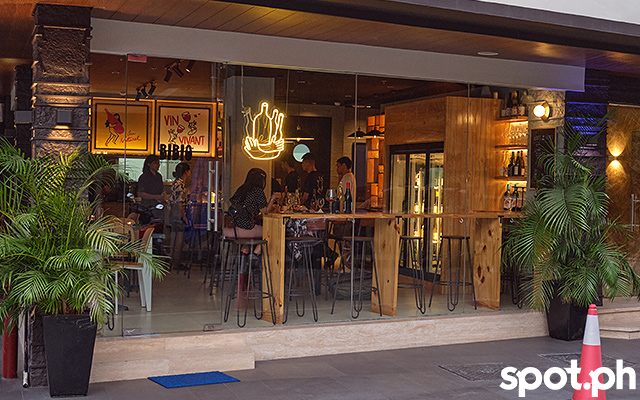
Bibio—whose moniker refers to a small insect found in empty wine casks—doesn’t scream for attention, being located along a relatively laid-back area of Don Pedro street in Poblacion. Keep an eye out for the lit sign depicting arms holding wine bottles and you’re good to go.
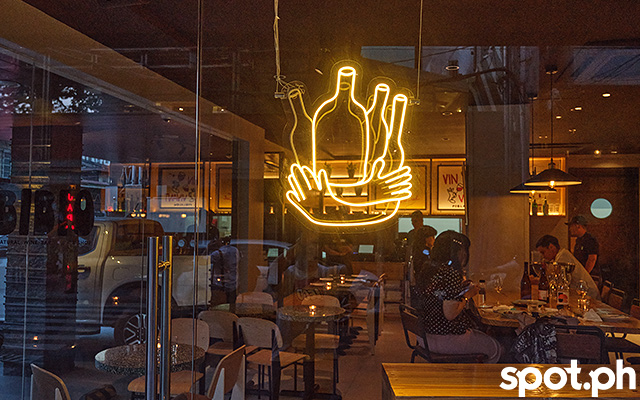
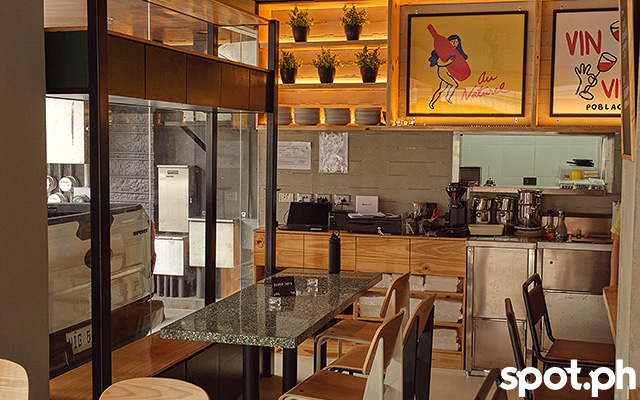
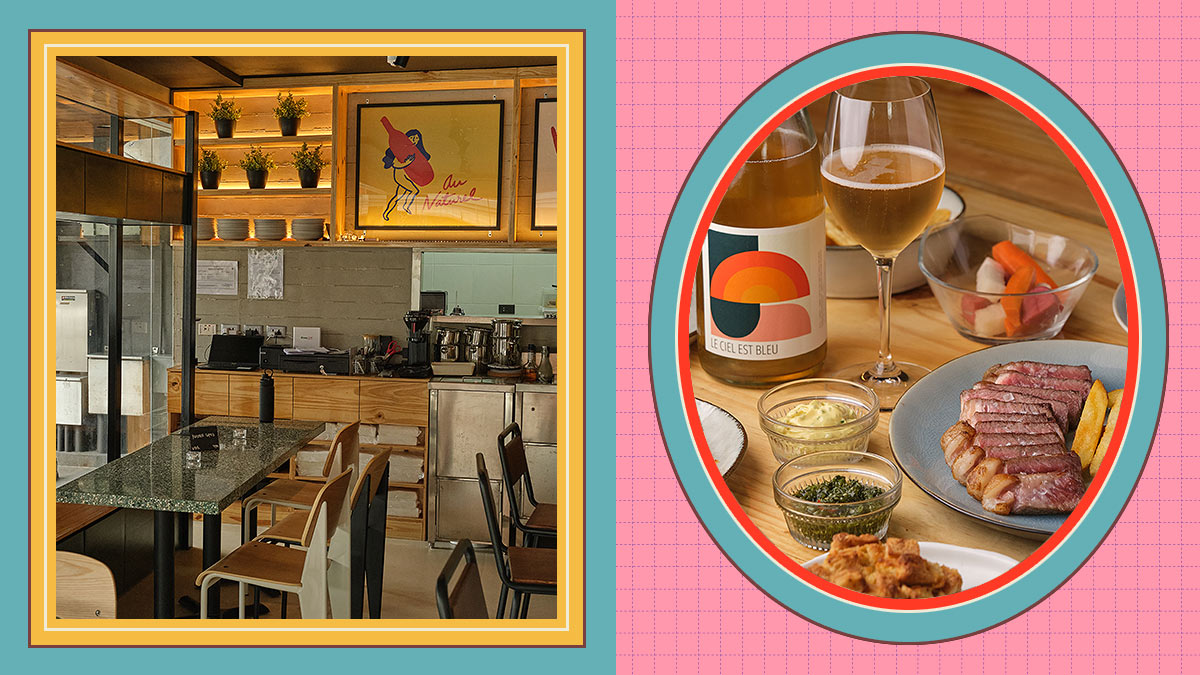
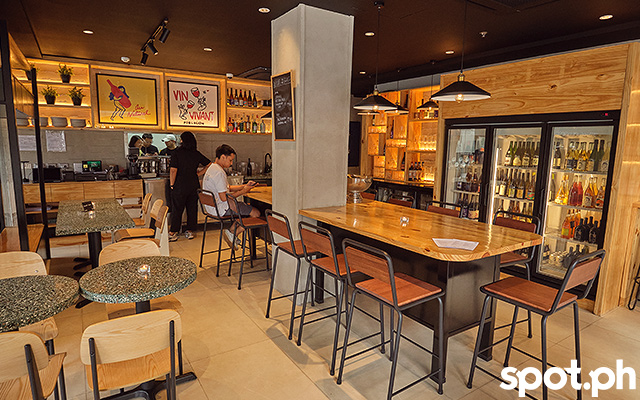
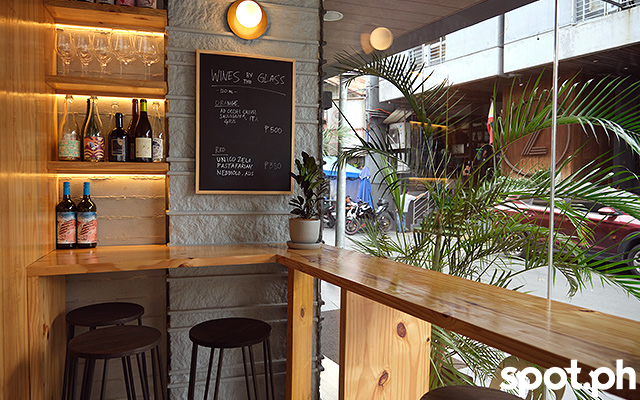
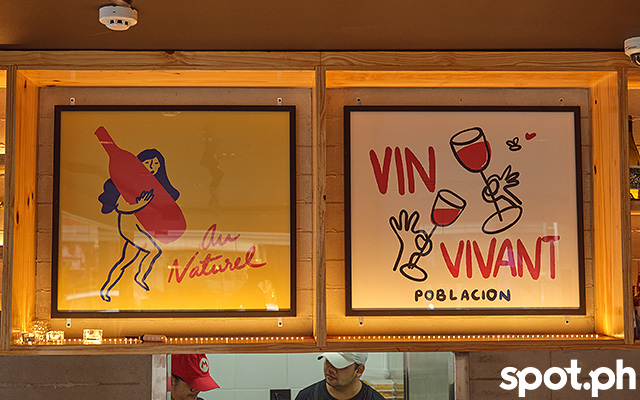
Small in size and cozy in feel, the dining and drinking spot perfectly embodies chill with the predominance of neutral tones and wooden surfaces, though wine-themed illustrations on the wall lends character (and a lighthearted element) to their space. “We wanted it to be fun, light, and fresh,” Bibio’s Vanessa Abat-Apolonio shares as she’s joined by work (and life) partner Justin Apolonio. Considering Bibio is, on paper, a wine bar, you might be surprised to know there's no official bar area in their premises. Rather, you have a communal table in the center that serves to unite both small groups and lone diners. Alternatively, they've also got regular tables on the side; those who prefer solitude can also catch a seat by the window.
Vanessa and Justin both hail from engineering backgrounds, but discovered and fell in love with natural wine as they spent time living and working in Perth, Australia—an area where the food and wine culture is very much alive and kicking. “It's close to two winemaking regions, so we had a lot of wine, a lot of food, and it was really nice. It's also energetic… it felt inclusive,” the two share. They would go around wine bars in the area, not knowing those that they frequented happened to be specifically dedicated to natural wine—given which you could say the way they fell in love with the wine category was, well, organic. The two decided to share the love to their home country as they made their way back to the Philippines and launched their own natural wine shop, Some Love. Bibio, which opened just last June, is a separate venture that they own along with fellow Managing Partners Kaity Jaime, who previously worked with the Bistronomia restaurant group; Melissa Orozco; Ruther Sandico; and Mianne Manguiat, who also owns small food biz Anchona’s Homemade and takes care of the food side of things.
On one side of Bibio is a fridge full of natural wine bottles—reds, whites, rosés, sparkling wines, but also orange (skin-contact) wines and so on. Justin and Vanessa wanted to showcase the diversity of the natural-wine genre, after all, and brought in bottles not just from their own small business but also from other fellow natural wine importers. Some of these bottles go for a sleek, sophisticated look similar to most wines around, but some also catch the eye with their more artsy, decidedly eccentric labels. Many of these come from smaller, typically family-owned businesses rather than bigger corporations, and each bottle has a story.
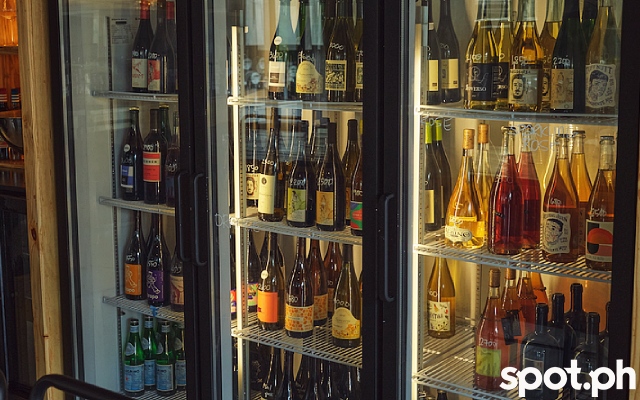
First things first: what exactly is natural wine? “For us it’s more… everyone has a different definition,” Justin tells us, explaining that there’s a bit of a spectrum ranging from the least natural—think mass-produced, commercialized bottles you’d likely find at the supermarket—to the more natural that go the organic route, use little to no chemicals in production, optionally apply the biodynamic approach in farming, and allow for natural fermentation. “A lot of wines, even the ones that are a bit more ‘natural’ in the commercial sense, still use lab-grown yeasts. That’s needed because it keeps the consistency of the flavor,” he explains. “[On the other hand], natural wine [uses only] wild yeast that's in the air. In the wine-making [process], they don't add any chemicals or anything like that.” In that sense, natural wine happily celebrates spontaneity, in many ways allowing nature to take its course.
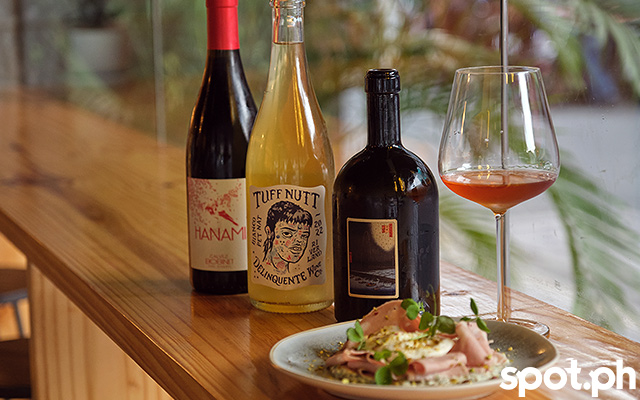
There’s a wide range of possibilities as far as the resulting wines and their flavor profiles can go—some still lean close to conventional wine, but you’ll also find others that are more refreshing and invigorating, and simply put, funky (a good kinda funky!) or fermented in taste—not unlike beer or kombucha. That’s arguably part and parcel of the appeal of it, for those unafraid to walk on the wild side (like this author), but either way, give it a chance.
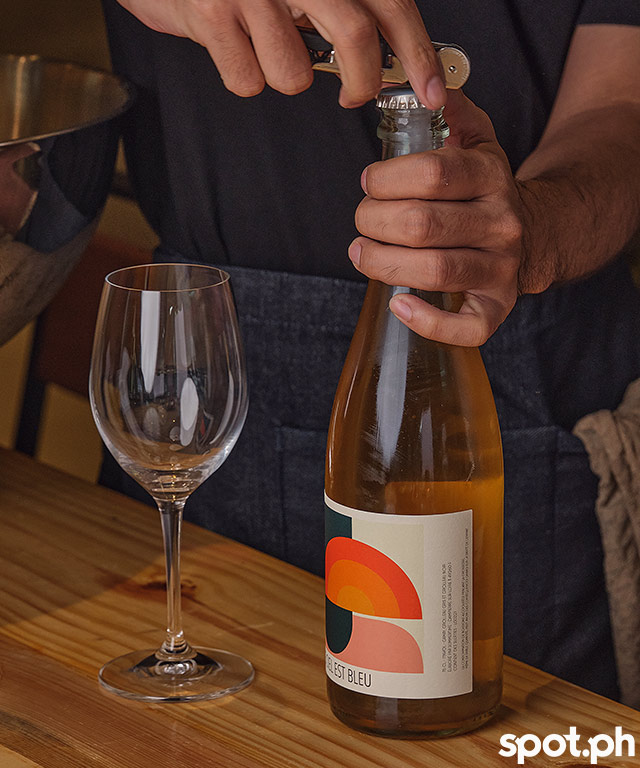
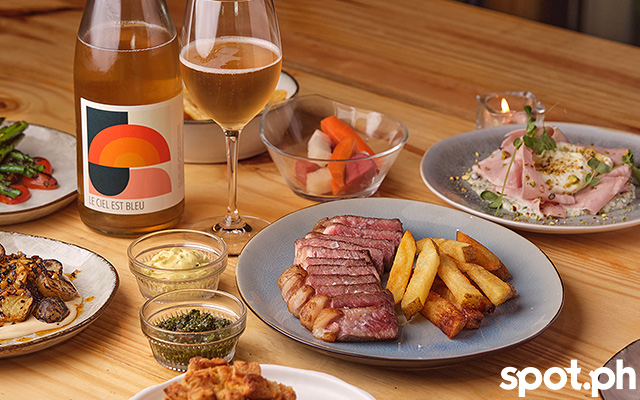
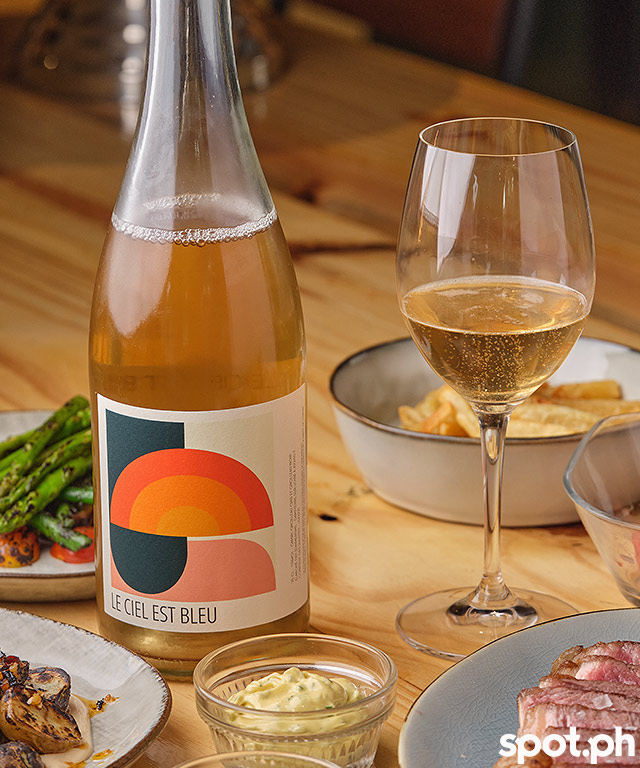
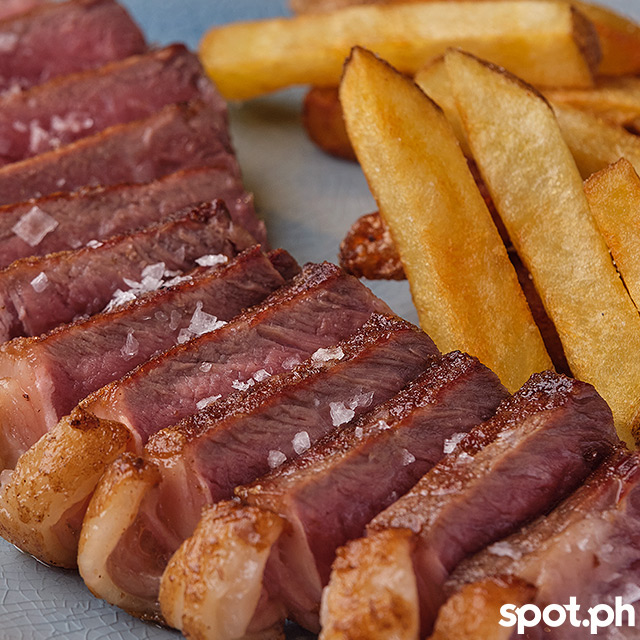
Among the natural wines on this decidedly younger, fermented-tasting end of the spectrum is the Summertime 'Le Ciel Est Bleu' (P2,500/bottle), a sparkling wine from the Loire valley in France with mid-sized bubbles (for a more rustic sip versus your fancier champagnes), a fruity sweetness that’s fantastic on a hot day, and a happy dose of funkiness to keep you sipping, and sipping… and sipping. (Don’t be fooled by its easy sippability—this charmer’s got 11% ABV.) Bibio also has rotating wines by the glass in case you’d like to sample before committing to a bottle; during our visit the shop was showcasing the Unico Zelo Pastafarian Nebbiolo (P380/glass, P1,900/bottle), a structured red using nebbiolo grapes from Australia, with dark-berry depth and a tannic feel on the tongue—perfect for sipping on alongside a juicy steak, which they do serve, BTW.
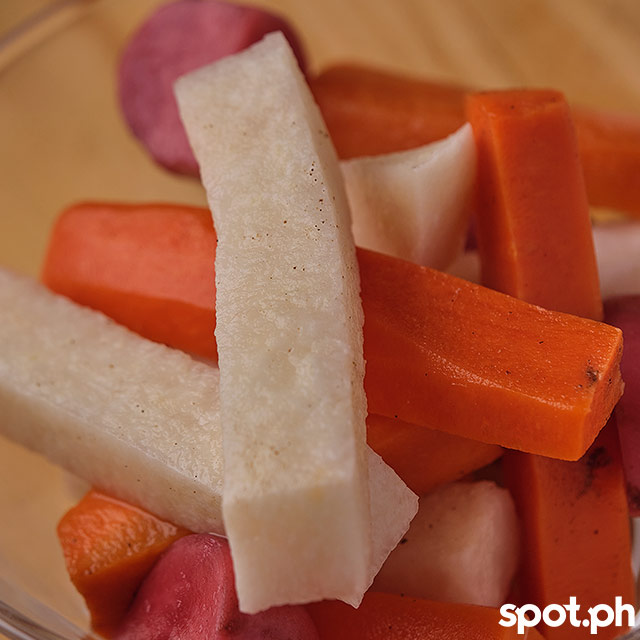
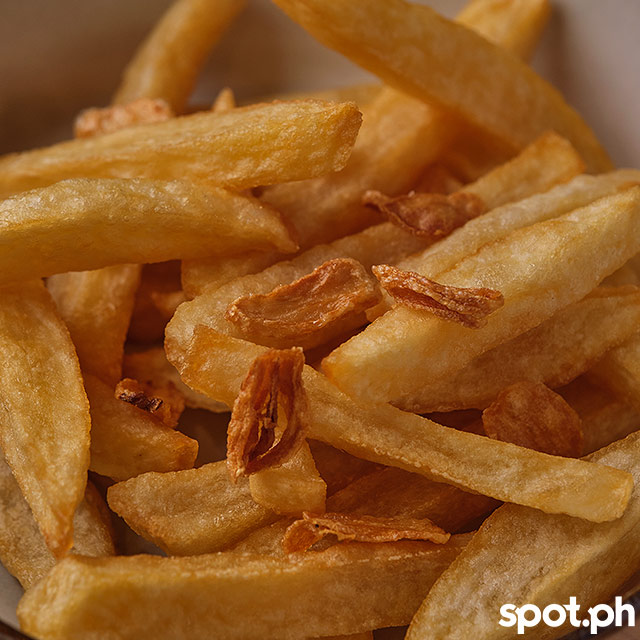
The food here is anything but an afterthought. Bibio’s menu is relatively short but covers all bases; nothing’s too unfamiliar or far out, but they’re lent Bibio’s signature spunkiness with the use of cured and fermented elements (done in-house!). Think Fermented Vegetables (P150), a small plate of lacto-fermented carrots, radish, and jicama that retain a welcome crunch; and the mind-blowing Fermented Fries (P200) that use lacto-fermented potatoes for a denser, chewier bite with welcome acidity—which fits right in with the natural-wine theme.
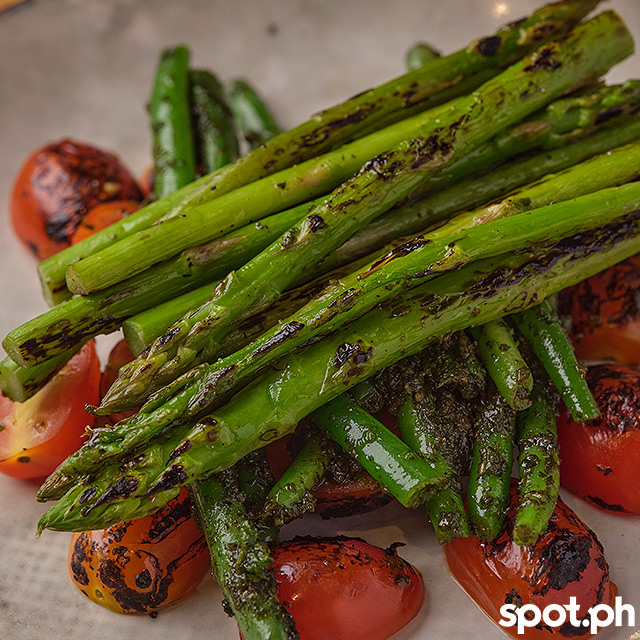
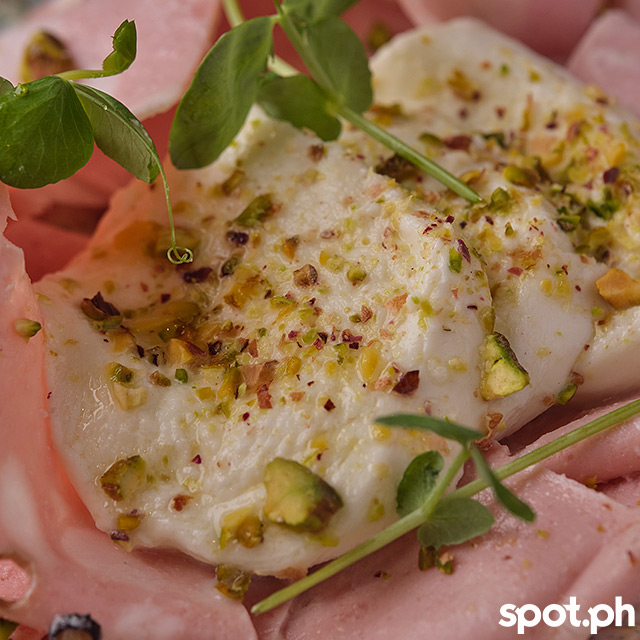
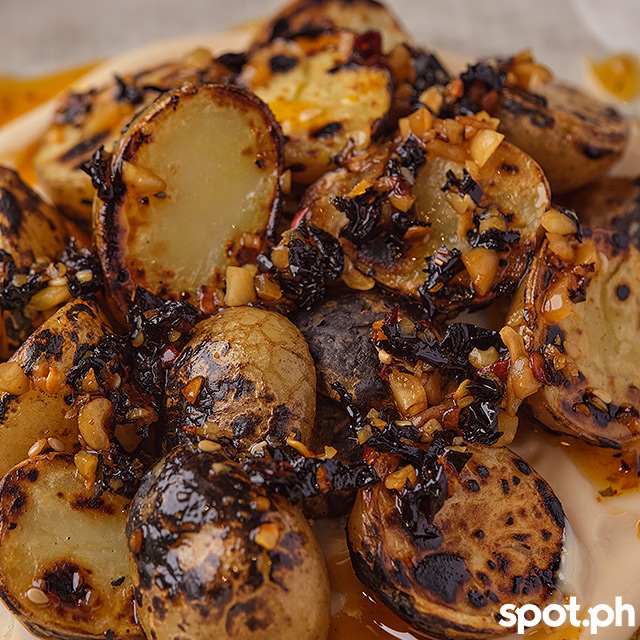
The Bibio team made it a point to have all the food across their menu be versatile enough to pair with just about any of the wines they carry; still, every plate has its own personality. The deceptively simple French Beans (P250) brings Mediterranean flair to the table, with pesto-dressed haricot vert in its perfectly crisp-tender glory paired with cherry tomatoes and grilled asparagus. The Mortadella (P570) is a creamy retreat of a plate that pairs silky slices of the cold cut with mozzarella, mascarpone, olive oil, and chopped pistachios. And for the daring diner in need of heat, the Potato with Ancho Chilies (P350) has got your back. Here, roasted marble potatoes are zhuzhed up with accompaniments of miso yogurt and salsa macha—which doesn’t hit you in the face with spiciness, but goes fruity at the onset and builds up on the heat slowly and with conviction.
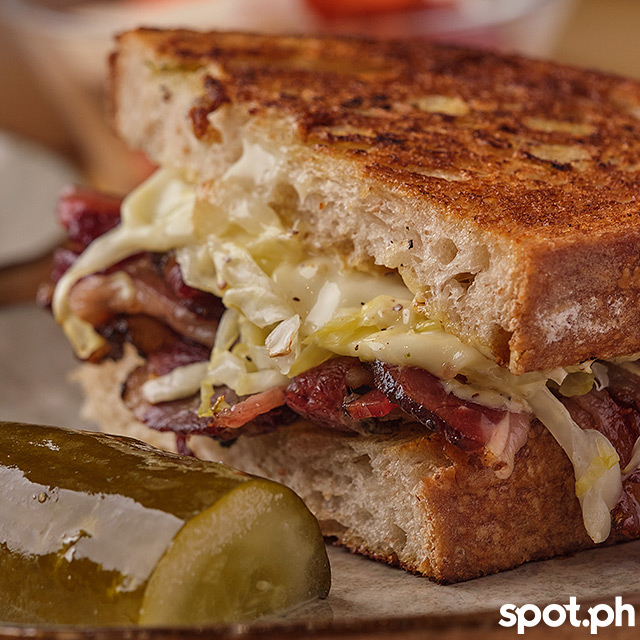
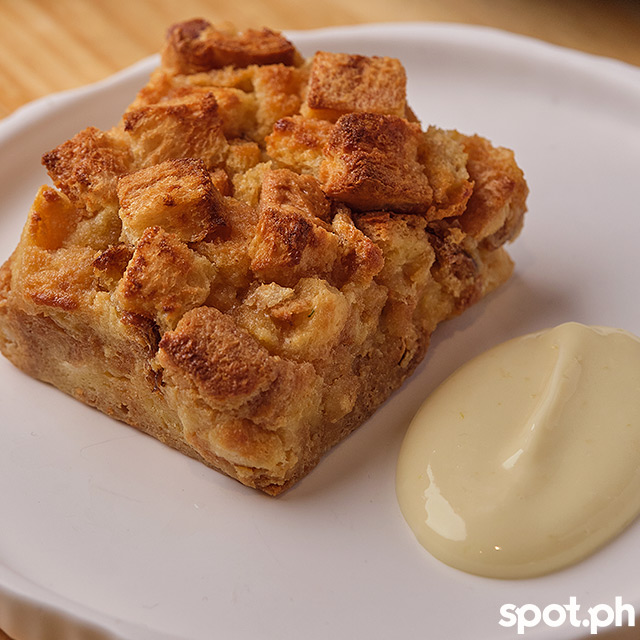
You’re more than welcome to drop by for a more substantial meal, too. Bibio serves up more filling options of the likes of the Pastrami Sandwich (P550)—which is rightfully stuffed to the brim and features scratch-made components (the sauerkraut, mustard, and the pastrami!) by Managing Partner Manguiat. And the steak we mentioned? That’s the 30-Day Aged Steak (P2,100) for ya, featuring striploin that’s dry-aged to intensify the flavors, then seared for a medium-rare interior and served with gremolata and a classic béarnaise sauce. End your meal with their Bread Pudding (P360) kept company by a tart lemon cream, or their Cheese Plate (P1,100) with idiazabal, comte, and brie cheeses, for an unforgettable finish.
There’s a French onomatopoeic term often attached to natural wine: glou glou, which is meant to replicate the “sound of liquid leaving a bottleneck and of the rapid gulping of said liquid” as per American wine writer Aaron Ayscough, and nods to the general character of wines in the genre: easy to drink, and probably chilled and/or carbonated or at least vibrant in character. It’s a (literally and figuratively) refreshing way to look at the beverage. Wine, after all, has the tendency to intimidate; more niche categories of wine, especially so. Yet something about natural wines is, by contrast, inclusive, inviting the drinker to sit back and unwind, alone or with friends in tow, in the company of these bottles. Bibio’s happily spreading the natural-wine love, one bottle at a time.
Photos by Hans Fausto
Hey, Spotters! Check us out on Viber to join our Community and subscribe to our Chatbot.