
7 Hectares: A By-Invite Farm-to-Table Restaurant in Bacolod
Get a taste of just how good our seafood really is.
(SPOT.ph) "What does good fish taste like?” I ask.
“Go to my restaurant,” he says, without missing a beat.
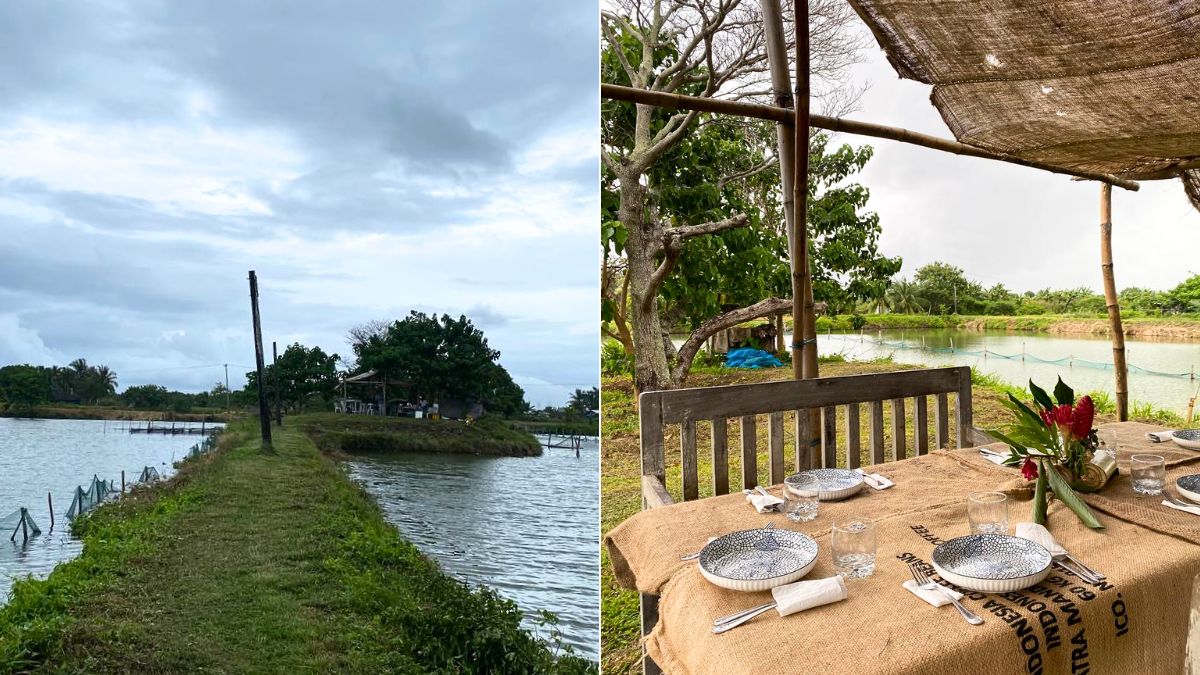
Kiko Torno is not one to shy away from talking about the blood, sweat, and tears he shed to put up 7 Hectares, his fish farm-to-table restaurant in E.B Magalona, Bacolod. Add to that his passion for farming and pride in the quality of produce he and his team have achieved. But access to the fruits of their labor is not easily given.
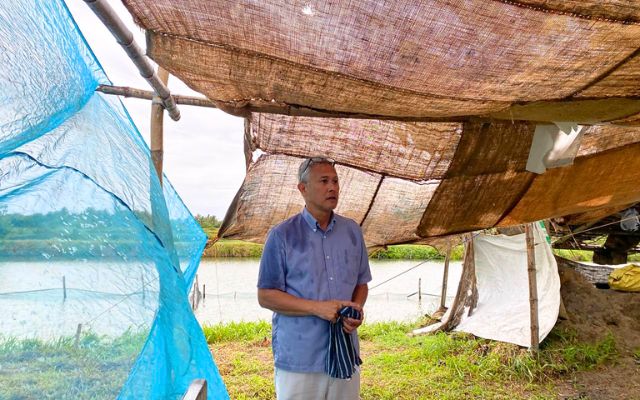
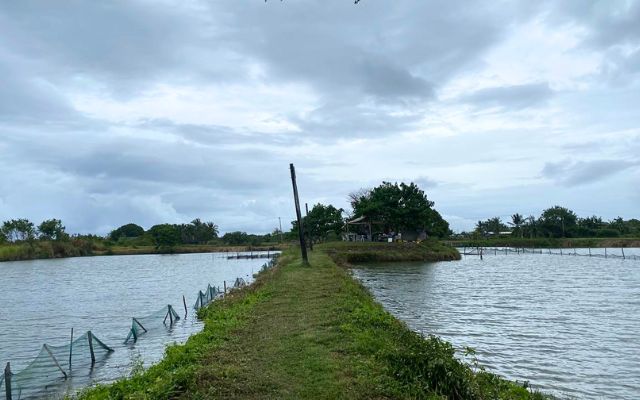
7 Hectares is strictly by invitation only. It’s only open to those “who are willing to pay [for] and learn sustainability,” Kiko says. He wants to educate Filipinos on what fresh fish tastes like, “so that when you eat in this resto, you would know if they serve you crappy fish. Because you're a Filipino, you should know what fresh fish tastes like.”
Do you think you'll be granted the honor?
Also read:
WATCH: The Best Things to See and Do in Bacolod in 72 Hours
Why Aida's Manokan in Bacolod Has the Best Chicken Inasal
How did 7 Hectares begin?
While Kiko and his Negrense wife Gretchen both have long, storied backgrounds in the world of advertising, Kiko says they didn’t want to “die in our corporate careers." Thus, they left Manila and moved to Bacolod where they saw an opportunity to start farming. He joked, “If I’m good at marketing, I’ll make ‘malansa’ [sound] better,” pertaining to the lansa people associate with seafood.
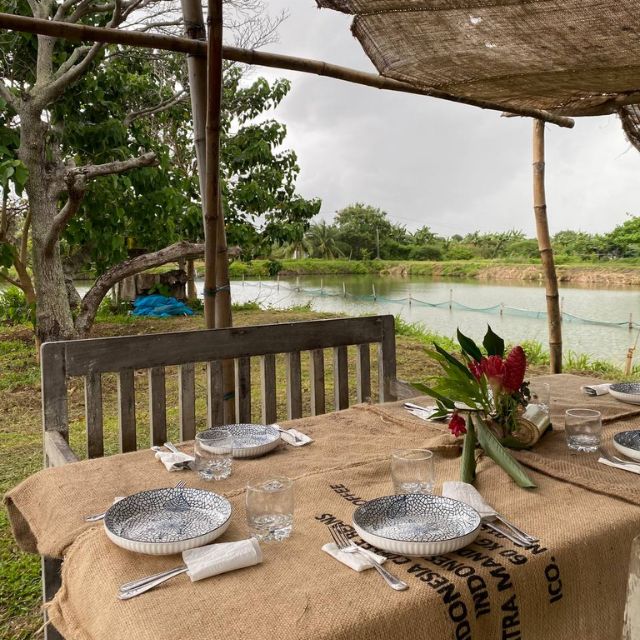
He didn’t know what to grow on the farm at first, but like an answered prayer from Mother Nature, sea bass found their way into their ponds. Kiko decided to observe the fish and made it his goal to grow them properly—but first, he had to learn the ropes. He and Gretchen enrolled at the Southeast Asian Fisheries Development Center, studied aquaculture there for two months, and immersed themselves in the marine ecosystem.
Kiko points out the curious Filipino trait of tending to spend extravagantly when traveling abroad, but refuse to do the same in our own country, for our own produce. Often, we even haggle to pay less. He wants to help change this. “That's what I want, to let Filipinos experience [treating] your produce with dignity,” he says.
How much does it cost to dine at 7 Hectares?
Kiko and Gretchen work with the help of marine biologists and fishermen to make sure 7 Hectares can boast of a clean ecosystem—one that can assure consumers that the produce they’re buying is freshly harvested from its hatchery, that it’s naturally fed, viral-tested, and was grown in an environment with mercury levels close to zero. And with this kind of assurance, we say the accompanying hefty price tag is justified.
“If you check the market, seafood is getting more pricey na than meat. But people would pay pa rin P4,000 for a kilo of good wagyu or a good Angus, ‘di ba? Why not fish?” Kiko exclaims. There is also the added layer of how we're willing to spend so much on imported produce, but not on our own local goods.
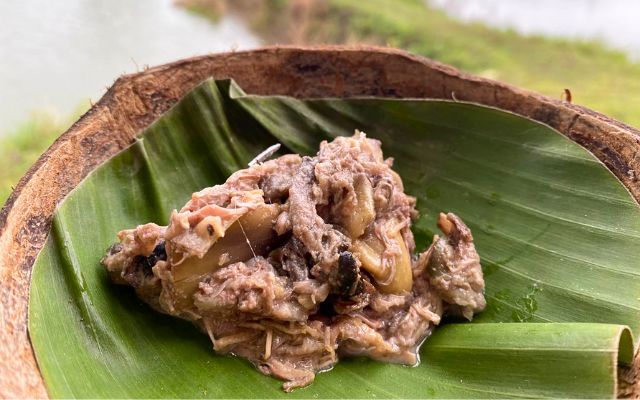
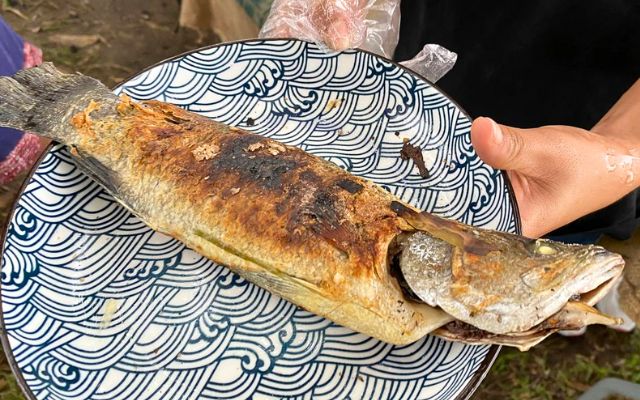
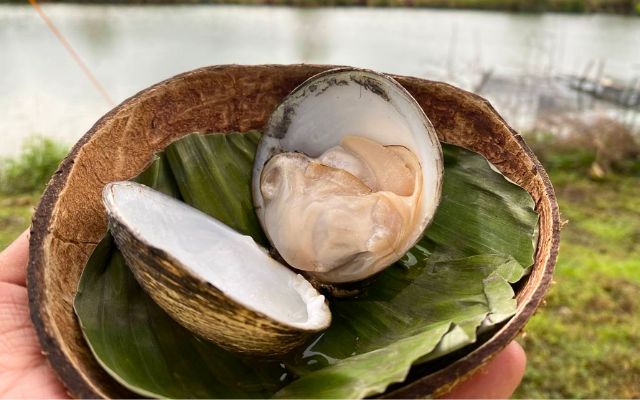
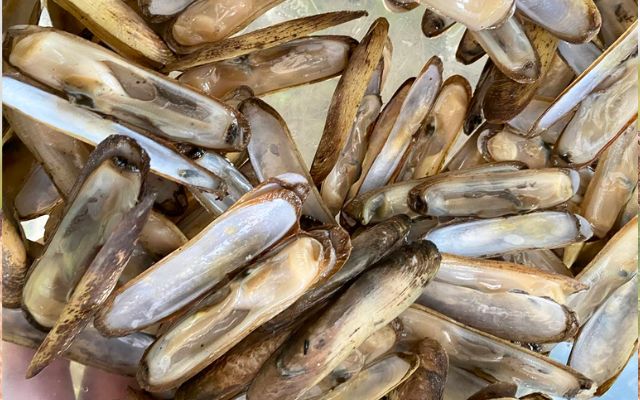
The 7 Hectares' starter or baseline menu is priced at P3,500 per head, for this dining and appreciation course. Included on this menu are 10 dishes: Seabass Ceviche, Hornsnail in Coconut Milk with Banana Bloom, Grilled Navajas, Grilled Mangrove Clams, Seabass Binakol, Blue Swimming Crabmeat in Lettuce Taco, Grilled/Raw Oysters, Grilled Seabass, Grilled Saba with Criollo Hot Fudge Cacao, and a Mangocello digestivo to end the meal.
Kiko says 7 Hectares does hold pop-ups in residential houses in Metro Manila from time to time, but it’s almost double the price because of well, logistics. Most of the ingredients are flown in from the Negros farm, plus there's also the need to pay the Manila chefs and the venue for the pop-up.
Is 7 Hectares worth the splurge?
“I won’t accept if you don’t indulge in the course because I’m sharing the experience. I’m sharing the knowledge,” Kiko tells me. And indulging was indeed all I could do in the Slow Food press junket I got to attend. Well, that, and of course, learn to appreciate.
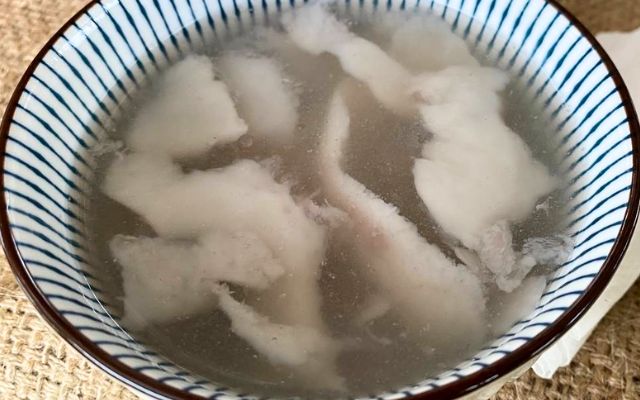
After trying a few dishes from their baseline menu, my two main takeaways were that, first, their Seabass Binakol was the best binakol I've ever had. The seabass tasted clean and fresh, matching well with a coconut soup base so fresh it was sweet. A simple and straightforward dish was the best way to highlight the seabass they're promoting; not hiding its flavors behind sauces like the usual sweet and sour or black bean ones—the type of dishes Kiko is strongly against when creating menus for 7 Hectares.
My second takeaway is that it's not possible to leave 7 Hectares with just a full stomach and a higher standard for seafood. You also acquire a deeper understanding of and empathy towards our fisherfolk. Kiko doesn't just explain the dishes, he shares what it took to get them on your plate.
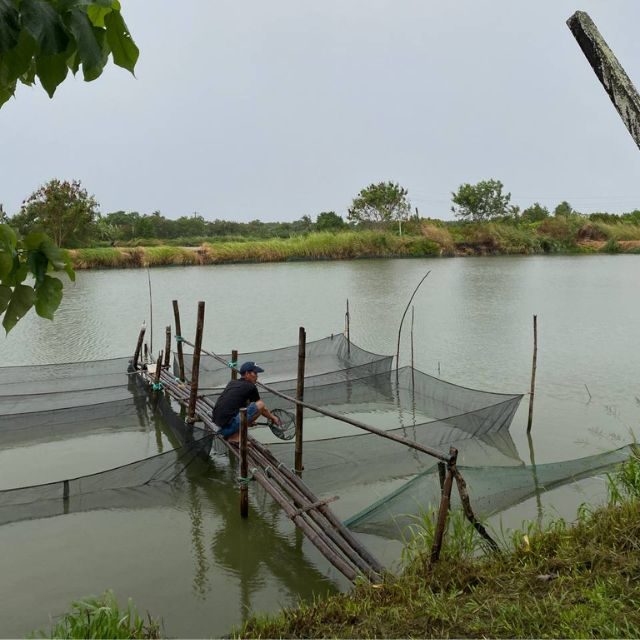
What they do at 7 Hectares is not easy. They have been on high alert through the years to get to the quality they've achieved. As Kiko shares, they're at risk of losing almost a million annually as they are up against one of the most unpredictable, ruthless factors in farming: natural phenomena.
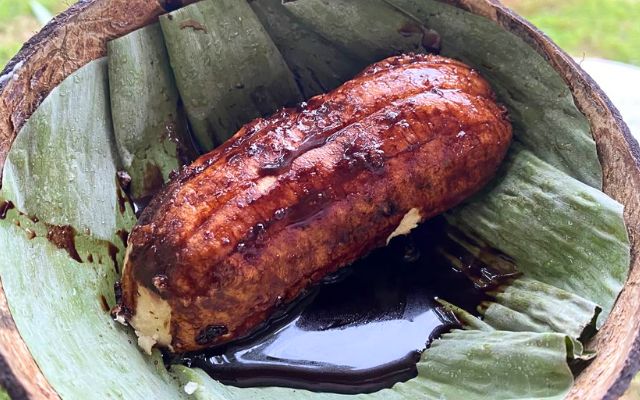
There's no doubt that I would grab a second chance to dine at 7 Hectares. I've eaten at many different places in my years as a food writer, but I'll always look back to the mild sweetness of the Seabass Binakol, the creaminess and umami of the Hornsnail in Coconut Milk with Banana Bloom, and the Grilled Saba with Criollo Hot Fudge Cacao (Kiko sources the criollo from top cacao farmer Christopher Fadriga in Bacolod). And yes, all the farm's stories.
How to get invited to 7 Hectares:
If you're planning on going on a food trip in Bacolod and you want to include something more high-end and more exclusive, Kiko says the first step to getting invited to experience their tasting menus at 7 Hectares in Bacolod is to message them on Instagram or Facebook.
Do remember that Kiko will only serve those who are willing to pay the right price and learn about their advocacy for sustainability.
Hey, Spotters! Check us out on Viber to join our Community and subscribe to our Chatbot.