
The Legends of San Juan Dining Keeping The Flame Alive
Crawling thru the city's changing dining landscape.
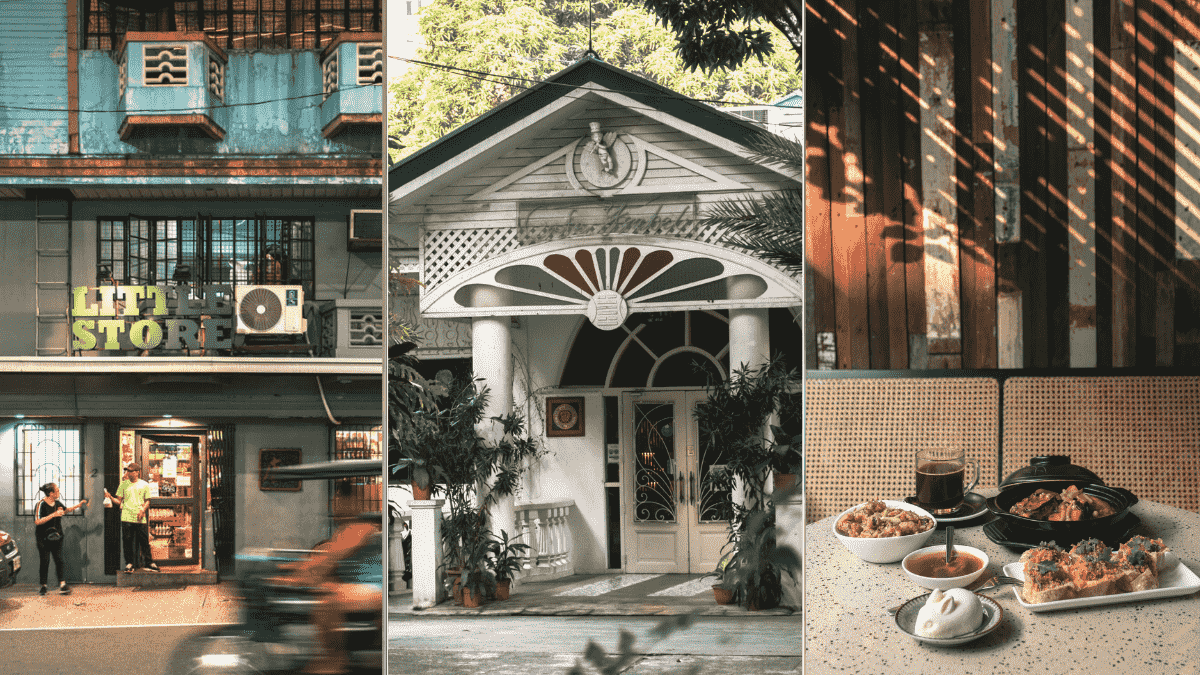
(SPOT.ph) Some of San Juan’s residents might have been happier when the city stubbornly resisted transitioning to a modern metropolis, to retain its small-city charm amidst high-rises sprouting in the country’s major cities. The mood is more relaxed in old San Juan, especially in the tree-lined side streets mostly dotted with charming houses. But the vibe changed when one of its commercial landmarks, Unimart, uprooted itself from its original site where it opened back in 1972. After the move to a new location— in a spanking new mall "just one kembot away"— it also signaled the Greenhills Commercial Center’s ongoing revamp that also jumpstarted developments elsewhere.
Along A.Mabini, a major thoroughfare, traffic has become busier due to the new commercial buildings that have replaced the houses—some of which now have a “For Sale” sign. A road is also being built to connect Eisenhower Street to Boni Serrano, to the horror of the condominium dwellers in the area. On the other hand, it might mean more customers for Eisenhower Street’s Cogon Grill (33 Eisenhower Street), a no-frills eatery beside a car wash that boasts some of the best pulutan, like their version of tokwa’t baboy - browned tofu cubes topped with crispy slivers of pork doused - or “blessed” according to tipsy regulars - with spicy vinegar.
The histories of Cogon Grill and San Juan’s other home-grown restaurants and outlets are woven into the city’s cultural soul. They are fragile threads that connect San Juan to its past, now sadly threatened by urban development and the swank allure of new establishments in gleaming buildings. That’s why it’s comforting to see some of the city’s old haunts still up and running, especially those that have been there for decades.
In the new Unimart, Orange Julius is nowhere in sight but the 52-year-old no-signage stall from its original location has found a new spot. Once in a while, a Chinese amah mans it during her tindera’s day off, selling P20 sago-gulaman, and other delicacies such as chicharon bulaklak, chicharon bituka, burong mangga and santol, champoy, kikiam, etc.
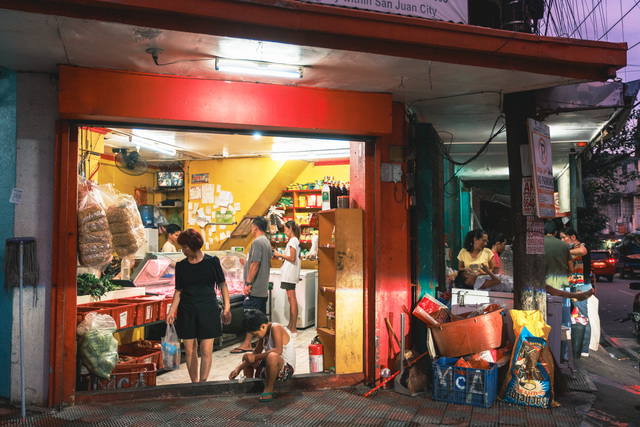
“Twenty-eight years old pa lang ako, andito na ako,” says the kindly octogenarian, who demurs from being identified. “Ano gagawin ko sa bahay? Mabuti araw-araw meron ka ginagawa.” Though not quite as brisk as in the early years, sales has picked up, she says, after the opening of passageways to the new Greenhills Mall. Coming to work also allows her to reconnect with friends, like the owners of other establishments. Often, they can be seen dining at a favorite hangout, the Unimart Cafe, which still enjoys a good crowd on any given day. “Mura kasi, tsaka lutong bahay,” says Unimart’s resident amah, a bonafide San Juan OG who still takes the bus and tricycle to and from Greenhills as she has done for the last 52 years.
A short walk from Unimart is another of Greenhill's top draws, The House of Minis (Shoppesville, Greenhills Shopping Center). Until 2017, customers were served steaks of all sorts by waiters in vests and long-sleeved shirts. Now, they wear short-sleeved polos, but the menu is practically the same. The formality of the servers and the cozy, low-light ambiance evoke a signature experience that appeals to a cross-generational audience.
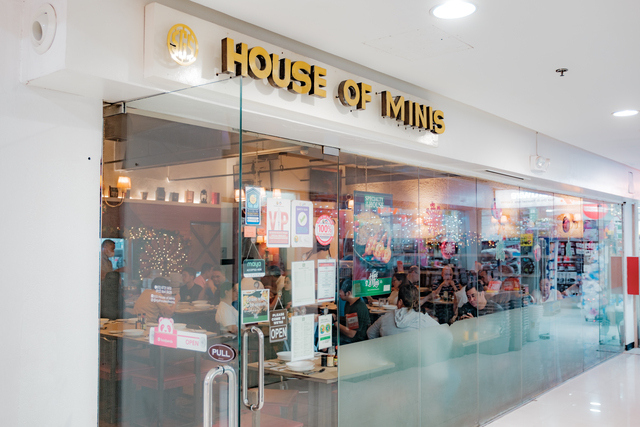
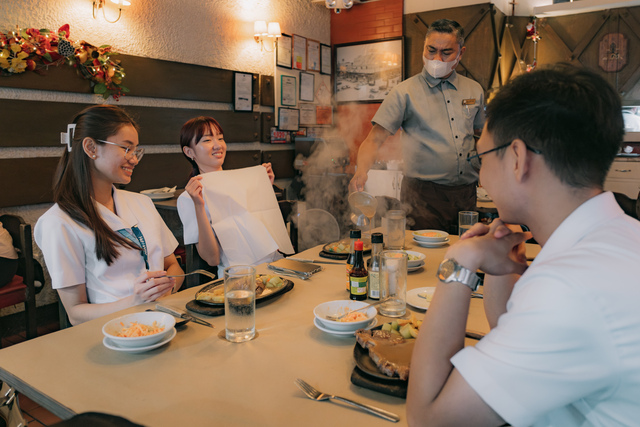
“For me, it's about nostalgia and, of course, the food,” says a medical student who came for lunch with three schoolmates, two of whom are sampling House of Mini’s steaks for the first time. “I wanted them to try it,” says the student who first experienced the restaurant’s cuisine with her parents. Nearby sat a young couple with a similar story. Danielle Accad says she introduced The House of Minis to her husband, Tyron, continuing a tradition of passing on their experiences to family members. “Yung grandparents ko, dito nila dinadala yung mother ko," Danielle shares. "Tapos, dito na nagde-date yung parents ko.”
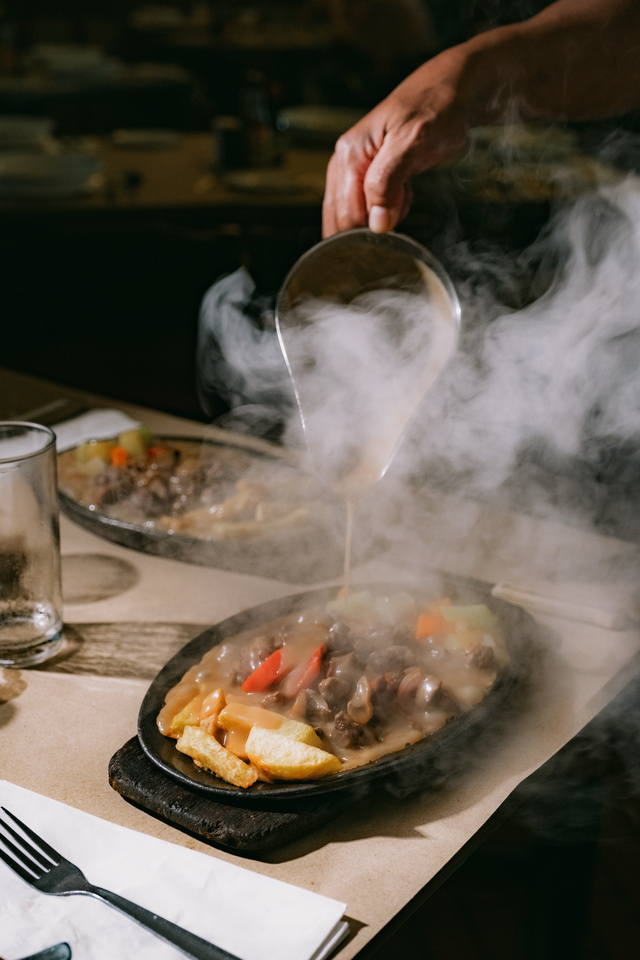
The steak joint was also a go-to for former President Noynoy Aquino, who used to order his favorite—Porterhouse Steak (which comes with dinner rolls, salad, and soup)—for takeout during the lockdowns. (They also serve a winner gambas.)
Some of San Juan’s long-standing outlets are closer to the residential enclaves further West of the city’s commercial center, which is a perfect place for pilot eateries because of the area's strong food culture. Of course, Cafe Ysabel is one of the pioneers there, having started operations at Wilson Street and then in an early 20th-century house on P. Guevarra in the 1980s. It has a new address —175 M. Paterno Street, Bgy. Pasadena)— and founder Gene Gonzalez brought some of the previous location’s unique features to this new-ish site, a 1912 house that now has the old Cafe Ysabel’s distinctive painted ceiling panels and even the fountains that used to be the P. Guevarra garden’s focal point.
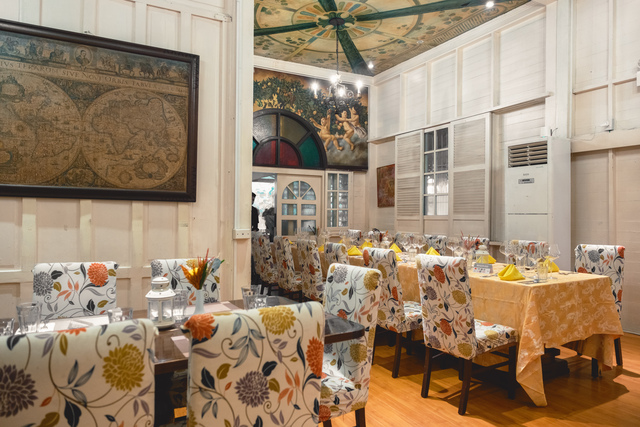
Though they’ve trimmed their coffee menu, which used to be, in Gonzales' words, “a whole booklet with about 100 different coffee concoctions,” the restaurant's mainstays, which “make people emotional,” are still on the menu. These include the Steak ala Pobre, Salpicao, Gambas, and the Strawberry Shortcake, revived after a strawberry shortage during the pandemic. Of course, their famed Caesar’s Salad, which traces its roots to a dissatisfied customer, is also available.
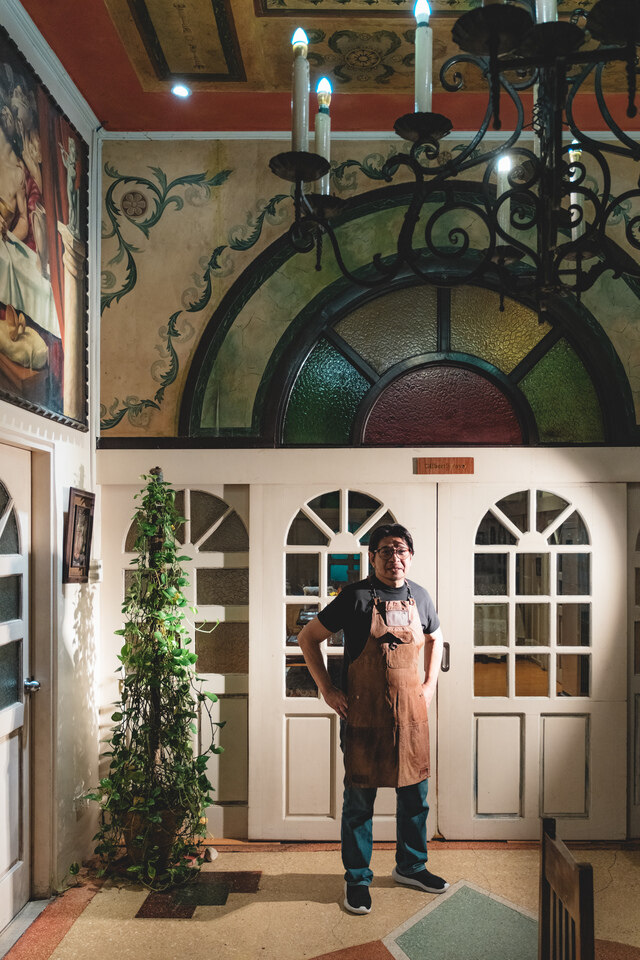
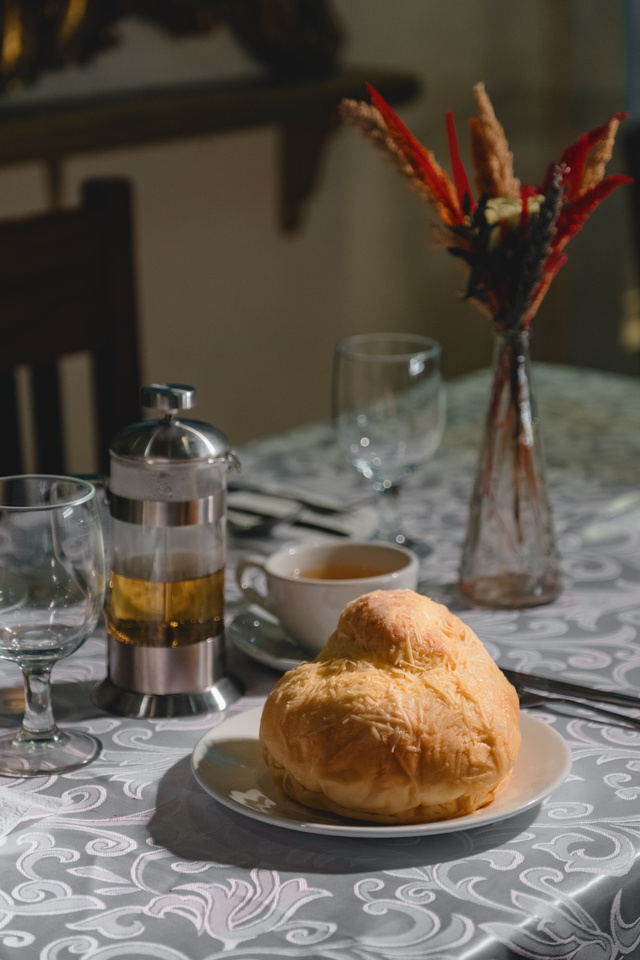
“An American who became a regular in Cafe Ysabel once said, ‘Your Caesar’s Salad is terrible!.’ So he brought in the old maître d' of the Elks Club. I spent a whole afternoon with the guy making Caesar’s Salad, but it was Filipino-style. And it's become a favorite ever since.”
Gonzales laments that most customers aren’t aware Cafe Ysabel has reopened in a new location. What he longs for the most is seeing the offspring of his former clients. “Yung mga batang pumupunta sa Cafe Ysabel dati, kinasal na yung iba. I’m looking forward to seeing their children so I can tell stories about how their mom and dad used to go on dates at the cafe. It’s a small cafe, so I knew practically everybody. Given a few more years of longevity, I’d like to see the apos of Cafe Ysabel.”
For those who want straightforward Pinoy karinderia meals, there’s always D’Original Pares on N. Domingo Street which opened in 1992. It is a favorite among office workers, residents, and celebrities, says one of the servers who has been with the branch for nearly 12 years. The owners tried to keep the prices low, which is one of the reasons for its popularity. “Maski limang piso lang ang tinaas kasi, nagrereklamo na mga customers,” says a server.
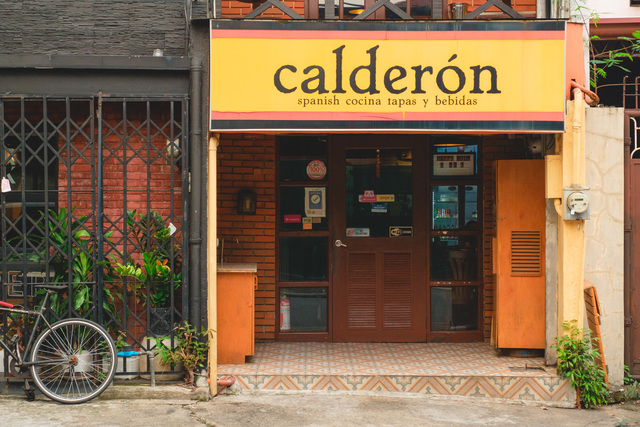
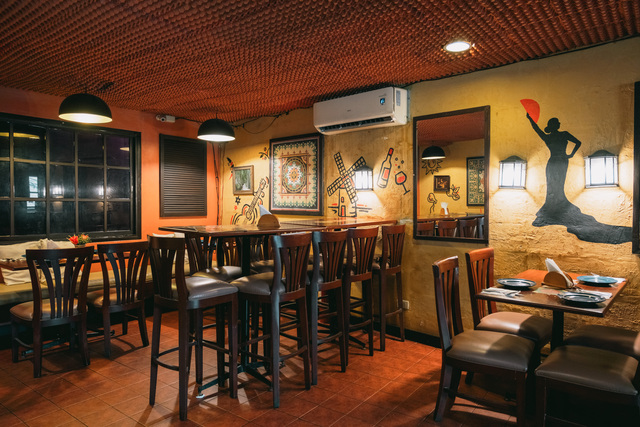
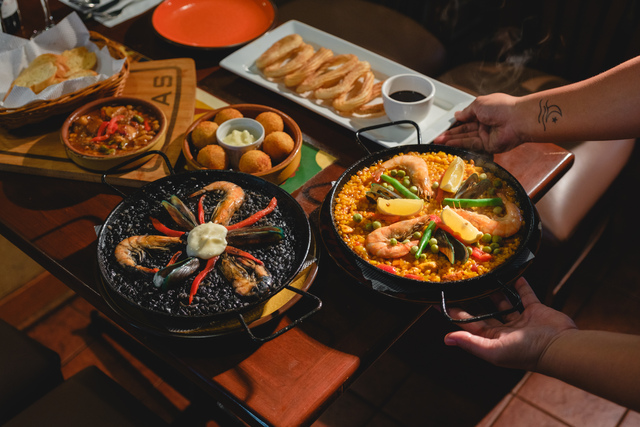
Customers craving Filipino-Spanish cuisine can head to Calderon, which takes its name from the street where it is located. The idea was to offer Spanish cuisine that’s more familiar to the Filipino palate, which is unique to an area of San Juan that is more known for its Chinese restaurants. Best sellers include Paella Valenciana and Paella Negra and the new Paella Chuleton—yellow mushroom rice topped with a Chuleton steak. They’re also known for their tapas - Chorigambas, Salpicao, Calamare, and Croquetas - and their “especialidades” - Lengua con Setas, Callos a la Madrileña. All that can be washed down by wines and beers from the menu or the signature Calderon Sangria.
The Little Store (2 Abad Santos Street) is a few meters away, a Chinese neighborhood grocer that seems straight out of Binondo with its old signage, accordion steel doors, and a dizzying array of produce and delicacies. Customers can dine in or take out Filipino Chinese comfort food like maki, guinataan, steamed siomai, and its famous fresh lumpia.
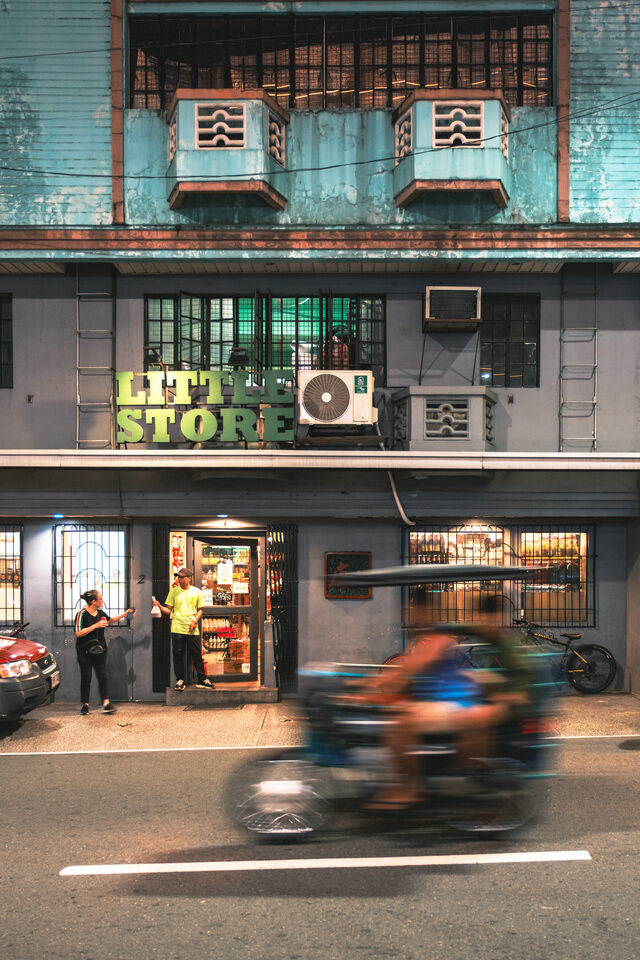
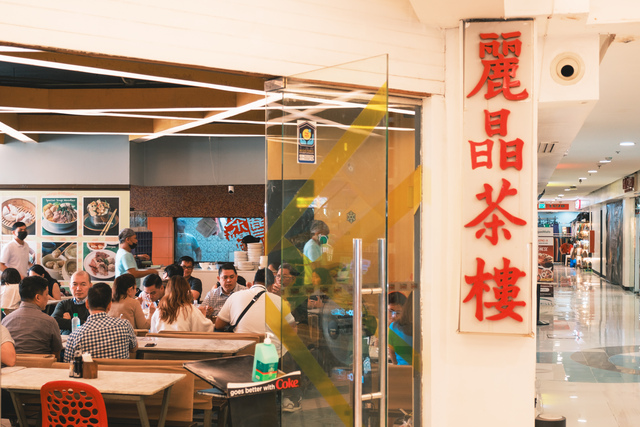
Its humble facade contrasts with the high-profile Chinese restaurants of San Juan, like Choi Garden and its owners’ recent acquisition, Gloria Maris Shark’s Fin Restaurant, and The Century Seafood Restaurant on Wilson Street. But the neighborhood eateries exude a more intimate ambiance like Tung Lo Wan’s Food Express (199 Wilson Street), which is also popular for take-outs since it’s not located in a mall and has quite an extensive menu that includes Shezhuan options.
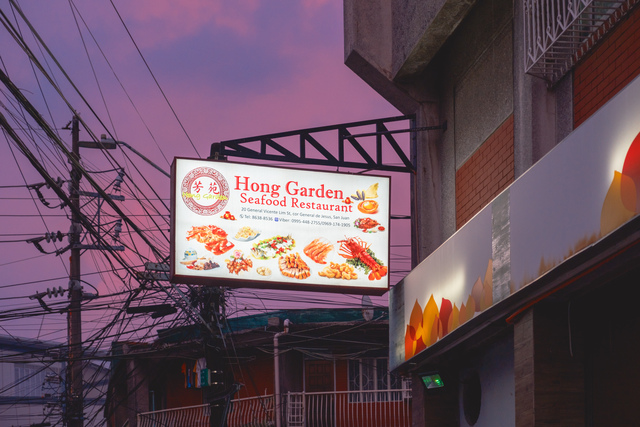
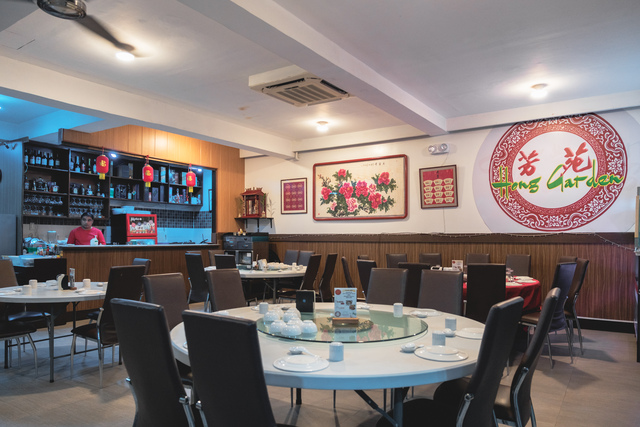
Deeper into Little Baguio, you’ll find Hong Garden Seafood Restaurant (618 General De Jesus St, corner General Vicente Lim), where San Juan’s old-timers are regulars. Though relatively new, its staff comes from the famed Uno Restaurant on Annapolis Street, which closed during the lockdowns. According to the owner (another beloved neighborhood amah), the servers and kitchen staff were looking for work, so she opened Hong Garden in 2021, where they are now employed.
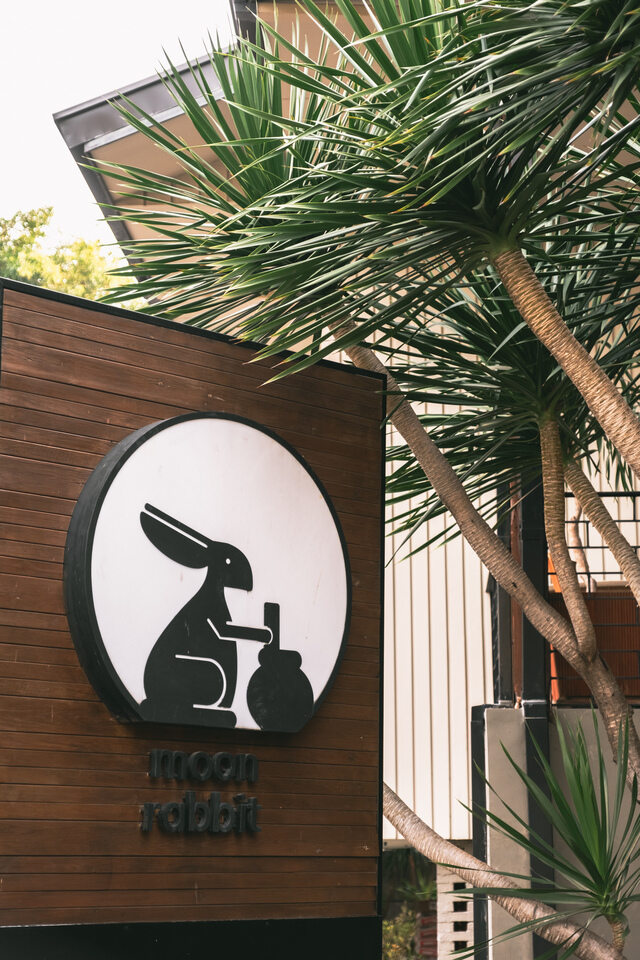
Moon Rabbit Cafe and Restaurant (2 Ledesma Street, San Juan) of Patrick Sen represents a new generation of restaurateurs shaping San Juan’s culinary landscape. The restaurant’s name comes from Chinese mythology, which has become a metaphor for its ethos. According to Sen, a rabbit cooking for the Moon Goddess appears on a full moon.
“Kami yung rabbits,” one of the servers explained, “yung customers, sila yung Moon Goddess.”
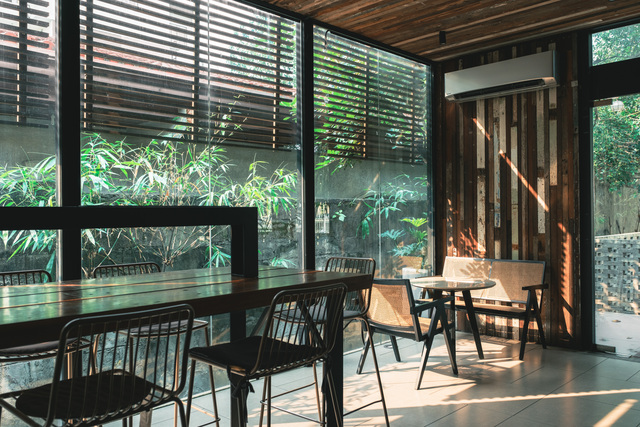
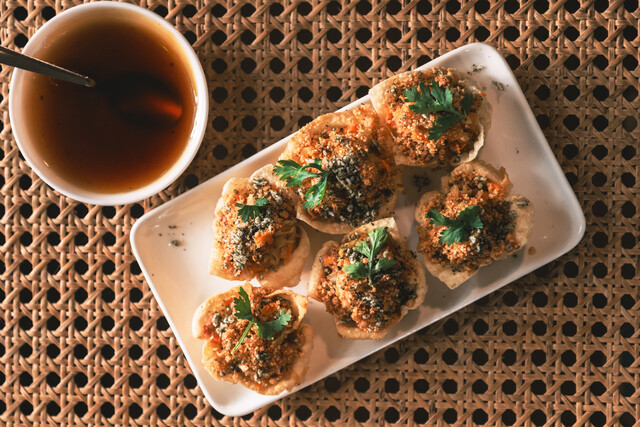
As a scion of the family that runs Mann Hann Restaurant, Sen developed an Asian menu that hews close to their restaurant’s flavors but with a few tweaks here and there. “We take a lot of inspiration from Mann Hann pa din,” Sen explains. “We wanted to keep it close to the roots. And we wanted to modernize the recipes, mostly mixed Asian home cooking, but we tend to do something different with our dishes.”
Although launched just before the pandemic, Moon Rabbit is a perfect mix of the old and the new. While introducing modernity in terms of its menu, Sen has preserved the gentle vibe of the community around Moon Rabbit by keeping the vintage style and feel of the house the restaurant now occupies.
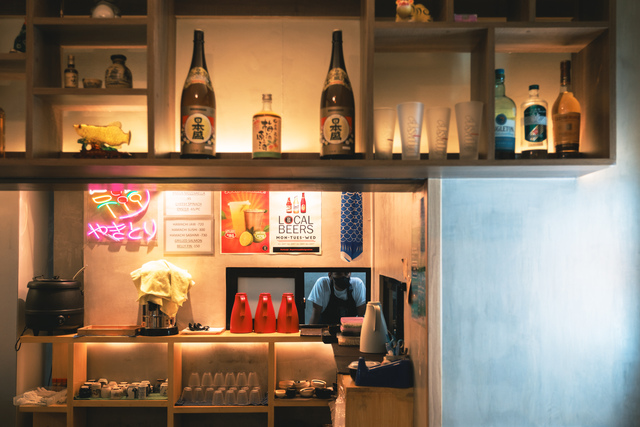
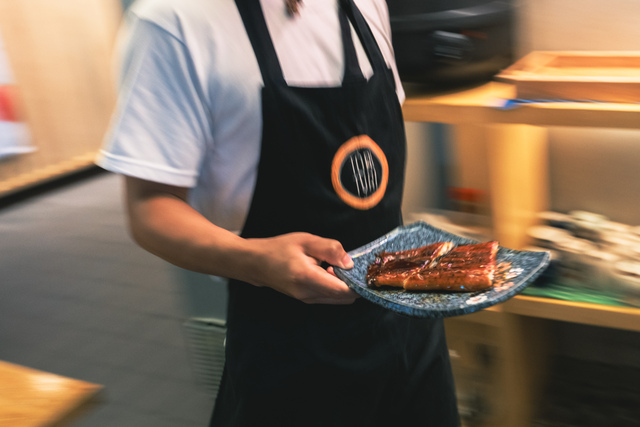
Derrick Co is another young entrepreneur who opened ToriTori Kushiyaki Snack Bar (197 Wilson Street) in 2015. He started with a 20-square-meter space, an izakaya or bar where customers could have grilled dishes while drinking. He expanded four times to ToriTori’s present 120-square meter space and added to the menu which now includes ala carte dishes. “Actually, sometime in 2015, bago pa lang ang ToriTori, Spot.PH featured us. Yon talaga ang nag-boost sa amin,” Co recalls.
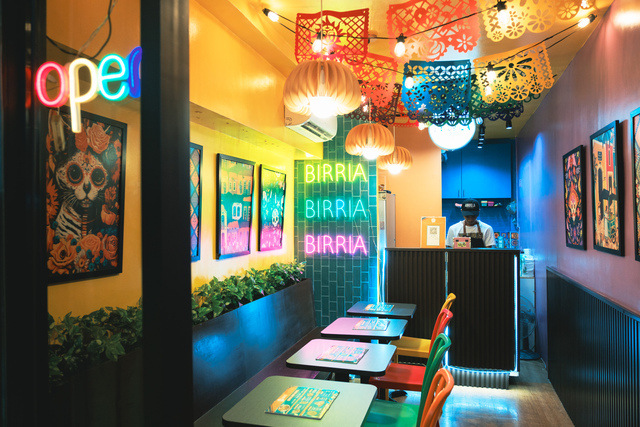
One of ToriTori’s regulars was alerted by Co when a space next to his restaurant became available. Now, ToriTori’s next-door neighbors include Abuela Cantina (owned by Co’s friend), which serves Birria-based dishes like Beef Birria Fries and Qeesa Beef Birria, along with Tex-Mex staples like burritos and tacos. Next to Abuela Cantina is another new player, Hainan Guy, which offers Singaporean dishes.
San Juan’s neighborhood outlets will face tough competition from chain brands currently populating the new Greenhills Mall. But ultimately, the city’s communal spirit of feasting will keep the smaller, homegrown establishments thriving in an evolving landscape. The future looks bright, with old and new players sustaining San Juan’s strong eating culture by feeding its hungry soul.
All photos by Jilson Tiu.