
Saying Goodbye to Kaya Korean Restaurant's First Home
Missing them already.
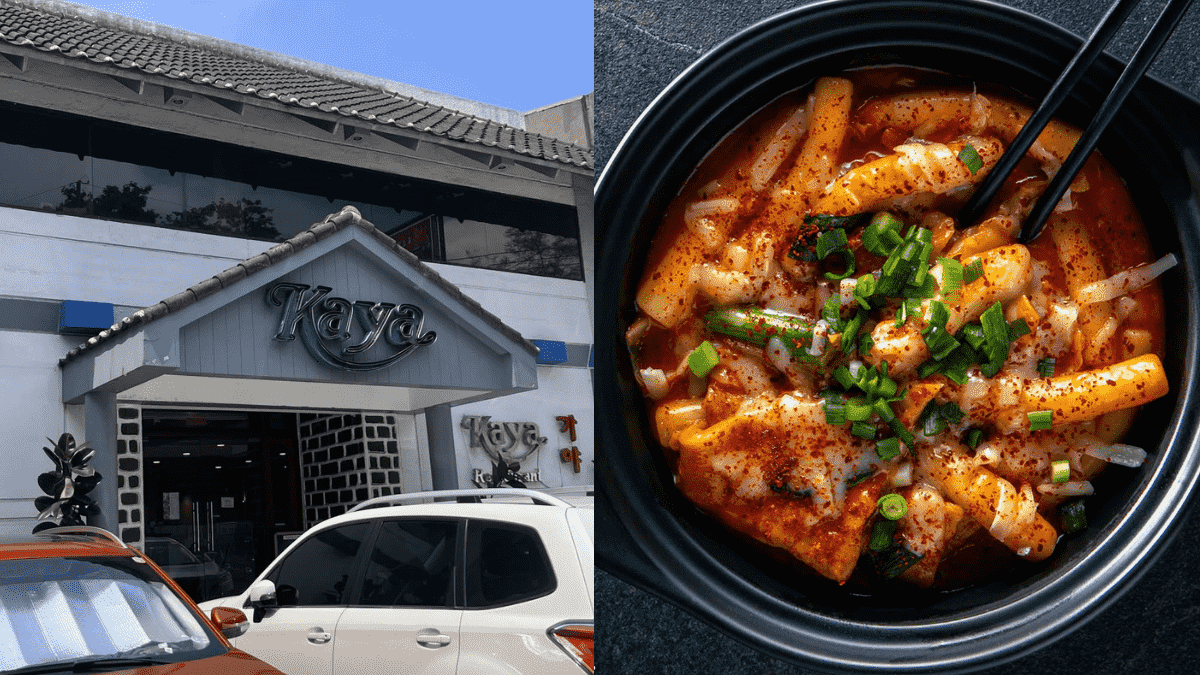
(SPOT.ph) Korean pop-culture was not always this cool. Back in the 1990s, there was really nothing notable coming out of the East Asian peninsula other than Samsung or Kia, which even back then were not the superbrands that they are today. However, there was the food— most of us who grew up in and around the Makati area would have had their first taste of it in Kaya.
I cannot remember the exact first time I ate there, but I do know I was young and it was with family. Before that, our go-to cuisines when dining out were Cantonese, Japanese, Thai, or Filipino, and of course the quick-fixes at fast food chains. But that first visit to Kaya surely made a strong case for Korean food because it quickly became part of our regular rotation.
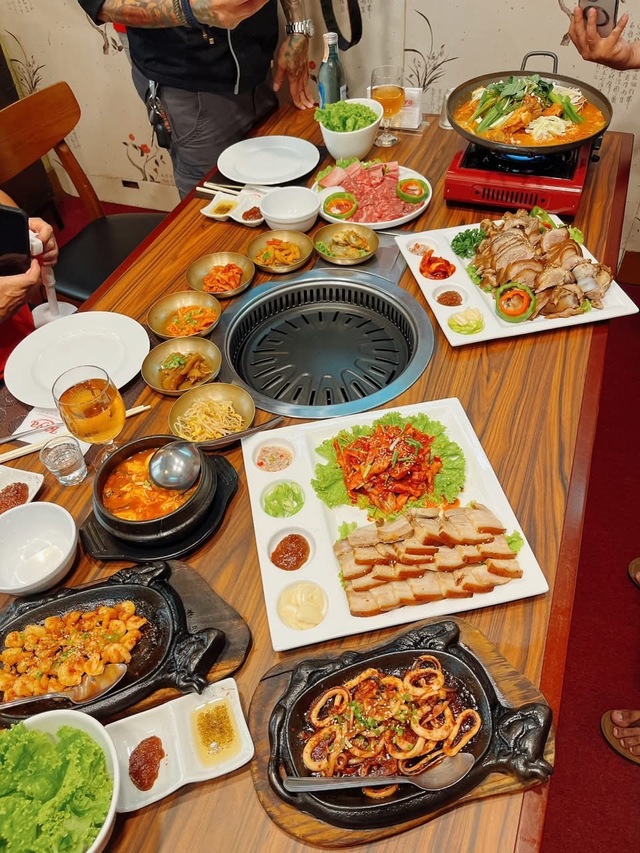
Korean food, after all, is not that different from the typical Filipino diet. It has rice, of course, and the steamed rice in Kaya, served in the typical aluminum container, is always hot and perfectly-cooked. It is ideal for soaking up flavorful stews like the sweet and savory kalbi jim (a must-order when we go there) and the sour and spicy sundubu jjigae. It also goes with the barbecue meats, and before the eat-all-you-can Korean barbecue grills sprouted all over the city, we had our first taste of beef bulgogi, marinated short ribs, and dak gui here.
Also read: Taste Test: Read-Deal Jjajangmyeon Hidden Inside a Jjampong Restaurant
Spacious rooms, ever welcoming staff
My mom always had to have her jap chae at Kaya, and her love for the stir-fried vermicelli noodle dish was something she passed on to all her grandchildren. Kaya usually serves this first along with the fried mandu (dumplings) that comes with a garlicky, vinegary dip that is easy to love. And, of course, that endless parade of banchan (those little side dishes) is like the local sawsawan and atchara that can be mixed and matched with different dishes to enhance them.
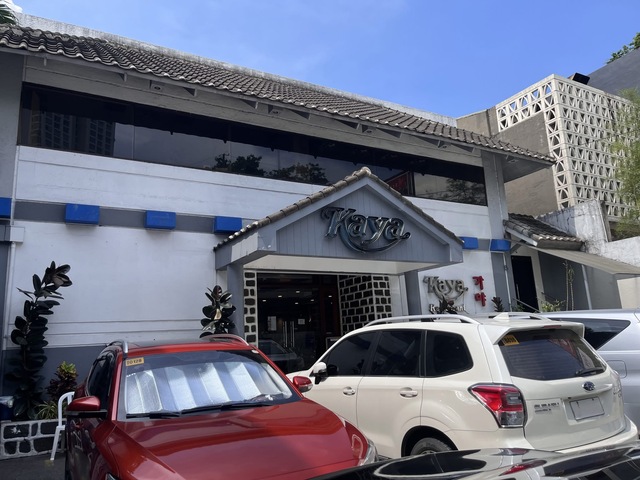
While there were also other Korean food haunts back then, Kaya’s spacious dining room and well-ventilated private rooms made it more accessible to locals who usually dine out in packs. The staff was always very welcoming, and the owner Mrs. Au always there to greet their guests in Korean. She's your typical Korean mama—raven-haired, always perfectly coiffed as if she sleeps in her rollers. Porcelain skin, of course. Eventually we met her son, Gutsy, through our cousin who was his schoolmate in one of the international schools. One time we reserved a table through him, and after dinner we found out that he comp-ed our meal—which embarrassed my dad because as always we ordered so much food. After that, we would just reserve through their manager.
A class on its own
For many years, our parents’ home was right behind Kaya, and so it was an easy choice for Sunday dinners after mass or a quiet family celebration. As Korean cuisine’s popularity in the Philippines grew, restaurant franchises from the motherland started to trickle in, and this old staple continued to quietly operate in the background, serving their loyal fan base. Eventually, they opened other branches in malls, even offering “express” options for those who want their Korean food fast and cheap.
Still, the original Jupiter Street branch is in a class on its own, its charm something that cannot be replicated in any of their other stores. Closing it down at the end of the year is truly an end of an era for the brand, who seems to be going for a more fast casual approach in their future. Good to know that they will still be around, but then again, we know it will never be the same.
Also read: Chef JP Anglo Shares 10 of His Favorite Holes in the Wall