

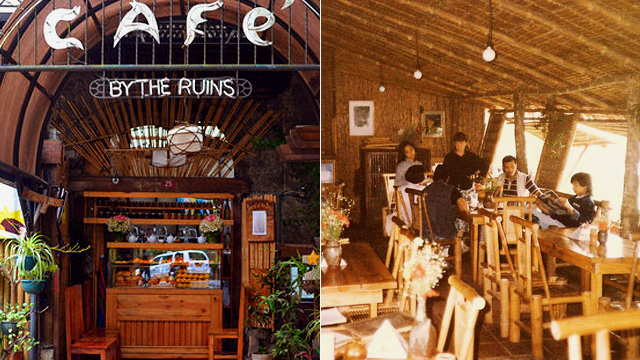

(SPOT.ph) The little gaps in the thatched roof gave way to slivers of moonlight, and the foggy mist blended well with the strong aroma of coffee wafting in from the other tables. Every once in a while, the faint scent of strawberry desserts would pierce the cold air, warmed by the flickering candles on the tables. The walls are festooned with photographs from simpler times, press releases preserved in simple frames. For the well-travelled and the aware, it’s the usual flair of the typical “ethnic restaurant concept,” only that this place was doing it way before many others were, and the memories I have of the place are more than a few years old.

There are those who say that new loves are found in Baler, and broken hearts go to Sagada. And then there are places where you have your heart broken: In the
The typical Baguio piece is a case study in a very particular narrative: Names, places, the nitty-gritty of idle chit-chat usually made over strong coffee and breakfast rolls at 8:30 in the morning. At least, that’s what my elders used to do. There’s

Café by the Ruins circa 1988

A photo of Café by the Ruins' partners back when it was still in its infancy.
Baguio itself is a place that embodies heartbreak. Whenever I go home, it feels like seeing an old ex: There are the faint feelings that stir inside, reminding you of the many reasons why you fell in love. But by the time you open your eyes, the memories don’t really match up to the reality of it all. There are now mid-rise condos where old tree stumps and bamboo groves used to be. The roads have always been a little tight, but the traffic schemes look all too familiar. What used to be the sticks now host hypermarkets, hardware emporiums, and tourist traps.
Over the past decade, many cafés and restaurants popped up in all corners of the city. Each
*****
The “Ruins” in Café by the Ruins may evoke thoughts that the restaurant was put up amidst the rubble of the 1990 killer earthquake: It wasn’t. The lot where Ruins stood used to be the Garden Theater, an outdoor cinema that was built in 1912 by Hubert Phelps Whitmarsh. The place was later converted into Whitmarsh’s
It was from these ruins that 12 Baguio artists—Adelaida Lim, Christine

Classic Pasta with Pili Nut Pesto. Café by the Ruins served locally sourced and organic ingredients.
The food, too, was unabashedly local: The menu changed many times a year not only to reflect the
Ruins
As a pillar of the community, Ruins was at the forefront not only of the art
And then, all that burned down.
*****
People will have their own Ruins stories: The Hall of Justice employees who come down to the shop for a coffee during breaks, college students who have had their first romantic candlelit dinners here, artists who have shared their craft with an appreciative audience enjoying the best of local food. For me, this was the place where I made

Café by the Ruins' famous camote bread
There’s something to be said about how a piece of Baguio was lost because Ruins as we know it is gone, but there will always be places out there that will try to capture that moment: Like how enterprising Baguio bakers try to copy its camote bread. But like every place that closed its doors over the years, there’s always that little bit of Baguio that breaks off into nostalgia. Like how the jungles on the hillsides have been replaced by yellow houses. Or how those old friendships from the summers at Ruins gave way to family and career. Or how those local politicians who held those

Café by the Ruins circa 1989
In a cañao commemorating the many anniversaries of Café by the Ruins, the elders spoke of the thatched roof going up and up, but never spoke of the place burning down. It was anything but the tired “ethnic restaurant concept,” but the local place that valued everything local. It was more than just a place where artists
With thanks to