
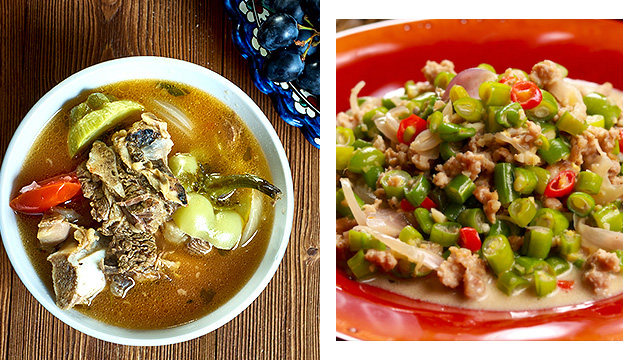
(SPOT.ph) For some of us, the highlight of our travels is the different dishes we get to try along the way. It isn’t until you leave the comforts of the Metro that you find out Iloilo’s KBL is different from the well-loved sinigang in a good way or that Quezon has more to offer than its famous Lucban longganisa. While Filipino cuisine has influences from our Spanish and American colonists, the Chinese traders, and more, it has evolved and become as much as our own, even being considered one of the top 10 most popular cuisines in the world, at least on Instagram. Here’s a roundup of regional specialties worth trying on your next (hopefully, soon) trip outside the city:
Make sure to make space on your bucket list for these regional dishes in the Philippines:
Kinilaw from Visayas and Mindanao
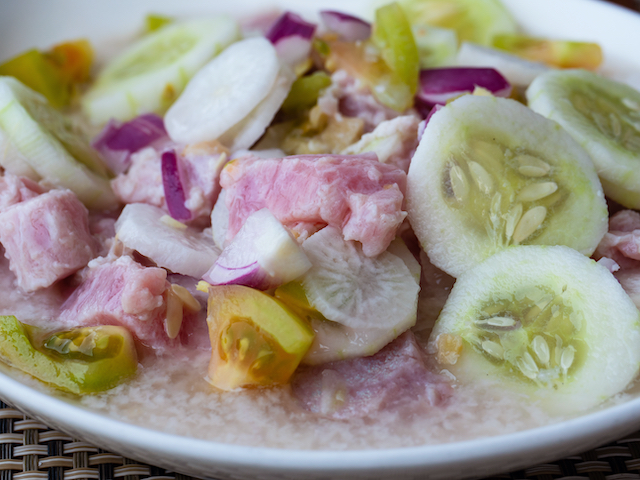
Kinilaw refers to a dish of fresh, raw, cubed fish cured in at least one type of vinegar and other ingredients like calamansi, ginger, and onion. There’s no telling where it originated, but it’s become such a staple in the South that it’s even given birth to other innovations like sinuglaw, where grilled pork belly is added; and sutukil, or seafood prepared in three ways: sugba (grill), tuwa (stew) and kilaw (raw).
Dinakdakan from Ilocos
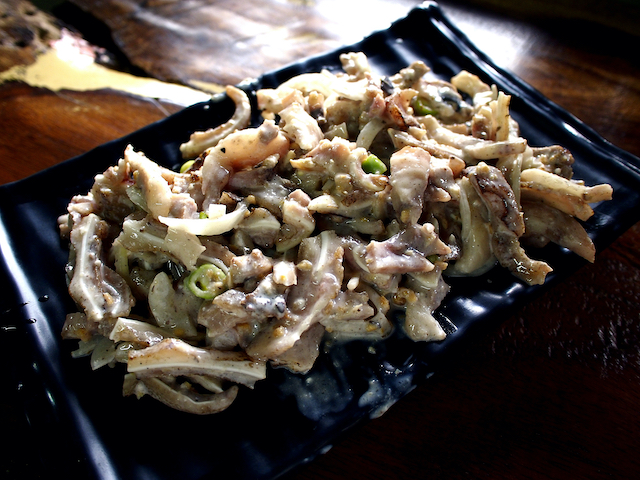
Often likened to Pampanga’s sisig, dinakdakan is a popular pulutan in the Northern region consisting of boiled and grilled pig parts such as the face, ears, liver, and tongue. It’s made flavorful and creamy thanks to the mashed pig brain. While it works as is as an appetizer, It's also the type that you could pair with a steaming cup of rice.
Pinais na Hipon from Quezon
With Quezon producing 86% of coconuts in the Calabarzon region, it’s no wonder the province boasts quite a few coconut-based dishes including pinais na hipon. Shrimps and grated young coconut are wrapped in banana leaves, slow-cooked in gata, and finally grilled over charcoal until slightly charred for a smoky flavor.
Bringhe from Pampanga
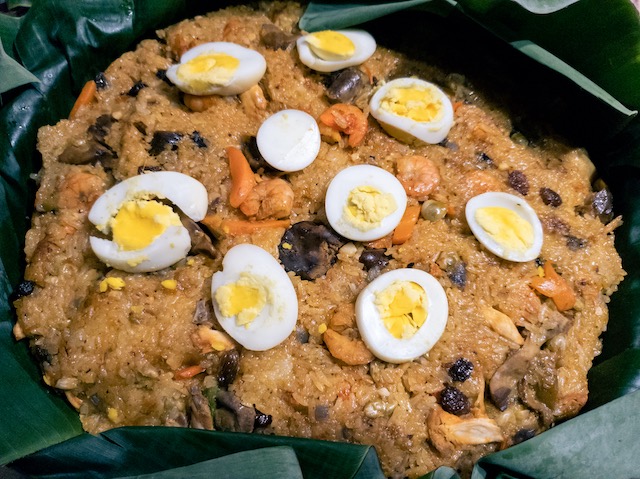
No Kapampangan celebration would be complete without this! Dubbed the “Kapampangan paella”, bringhe is made of local glutinous rice enveloped in coconut milk (as opposed to its Spanish counterpart’s bomba rice infused with saffron). It’s got all sorts of meat like chicken and chorizo de bilbao, and comes topped with sliced hard-boiled eggs and carrots. Curious to get your fix in Manila? Check out online seller Apo sa Tuhod; as of writing they’re on break, but it’s worth giving their page a follow to see when they start taking orders again.
Check out Apo sa Tuhod’s Facebook page.
KBL (Kadyos, Baboy, Langka) from Iloilo
What makes this an Ilonggo favorite is how its main components are endemic to the place. It’s similar to sinigang, except that its sourness comes from the native fruit batwan (or batuan) instead of tamarind. The pork—which usually comes in the form of pata or pork hocks and sometimes leftover lechon—is grilled first, then boiled with kadyos (or pigeon peas), jackfruit, and the batwan fruit. Each meaty spoonful of this soup will definitely hit the spot!
Kinunot from Bicol
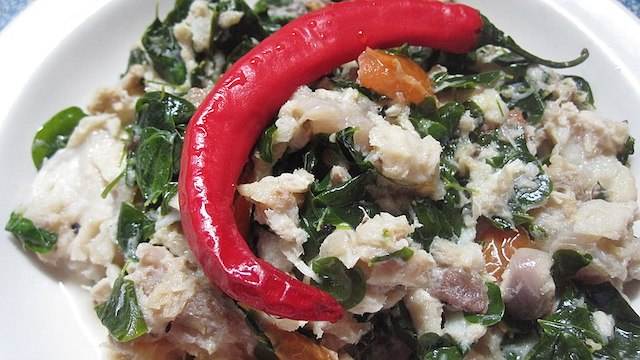
If you love Bicol express, then there’s no reason why you wouldn’t find Kinunot just as satisfying. Also known as kinunot na pagi, kinunot involves pagi or stingray—a cartilaginous fish related to sharks—that’s split into tiny pieces, simmered in coconut cream, and mixed with malunggay leaves and chilis. It sounds simple on paper, but every bite comes with a kick that will keep you coming back for more. In Manila, you can get your fix from Quezon City-based seller Food Coma Manila, who sells trays of it for P1,299.
For orders, send a message to Food Coma Manila’s Facebook page.
Balbacua from Cebu
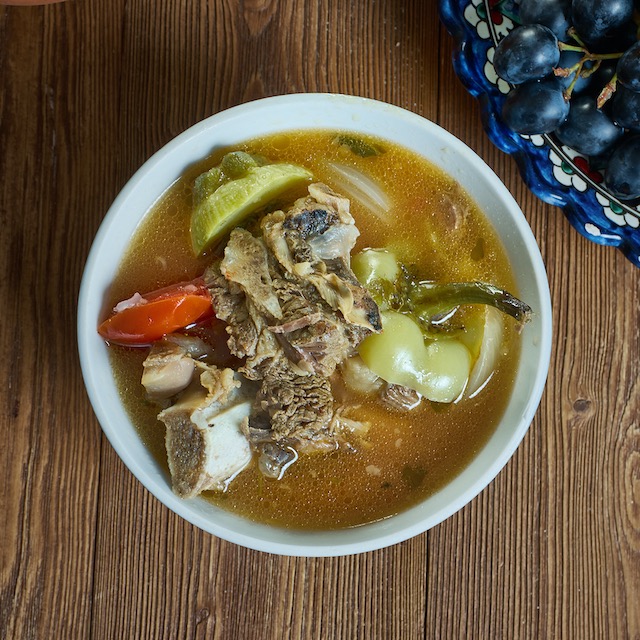
Coming from the Spanish word “barbacoa” which means to cook slowly over an open fire, balbacua can take up to seven hours to make. Expect the oxtail (and sometimes ox feet and skin, depending on where you are in the Southern region) in this beef stew to be incredibly tender, and its nearly gelatinous soup to be extremely rich in flavor, with some saying it ranges from sweet, sour, to salty.
Remember Me from Cagayan de Oro
There’s probably nothing more exotic on this list than this street food. A go-to cure for hangovers and said to be an aphrodisiac, Remember Me or RM has chopped bull penis and testicles (yes, you read that right) served in a hot bowl of tasty beef broth. It goes by many names in other places: lansiao in Cebu, and more commonly, Soup #5—five, because it’s said to be the fifth soup next to chicken, pork, beef, and seafood.
Gising Gising from Nueva Ecija and Pampanga
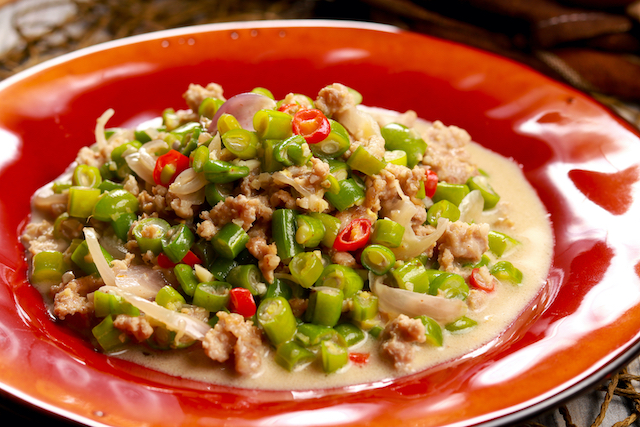
Filipinos’ love affair with gata continues in this spicy vegetable dish, which is so hot that it would supposedly wake you up (as its name implies). While sigarilyas or winged beans are its main veggie, others substitute them with string beans. It owes its savory taste to just the right blend of shrimp paste, minced pork, coconut milk, fish sauce, and chili, of course. Craving that heat at the back of your throat? Try the Gising Gising (starts at P165) at Recipes—and you can order for delivery by giving them a call!
For orders, contact 0915-092-1145. You can also check out Recipes by Cafe Metro/Delivery Service’s Facebook page.
Tuna Pakfry from Davao
The tail part of the tuna is simmered in vinegar and spices first before it’s deep fried, hence the name pakfry, a portmanteau of the two cooking methods it uses—paksiw and fry. This unique approach gives you that crispy-on-the-outside, ultra-succulent-on-the-inside experience as you sink your teeth into that fish.
Hey, Spotters! Check us out on Viber to join our Community and subscribe to our Chatbot.
this strange new world.