
The Avatar Stars Tell Us How The Way of Water Takes the Story to New Depths
We got to chat with Sam Worthington and Cliff Curtis.
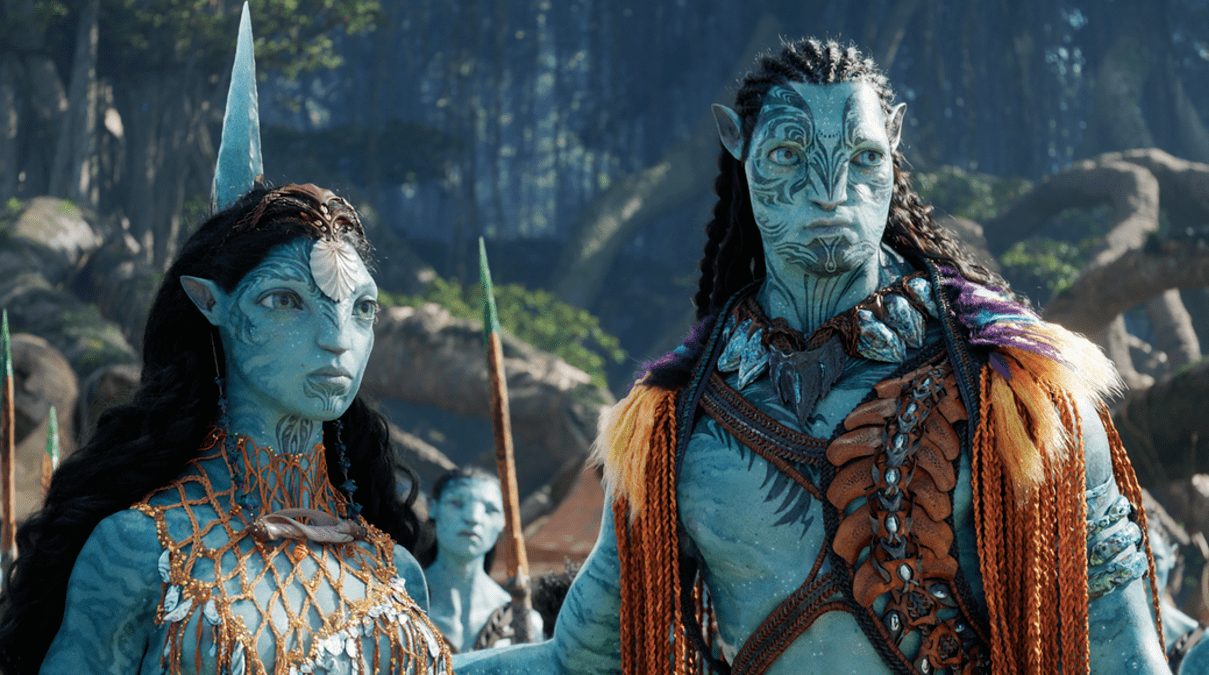
(SPOT.ph) The sequel to the James Cameron's epic Avatar has finally dropped in cinemas, more than a decade after the original was first released. So, the question now is, how do you follow up such a massive undertaking? By spending the next 10 years or so levelling up, in true Cameron fashion, of course. The technological uplift can't be denied—yet at the core of every movie will, still, of course be the story. So we sat down with stars Sam Worthington and Cliff Curtis who play the OG protagonist Jake Sully and new character Tonowari respectively to talk about how this story manages to build on an epic tale that began years ago.
Also read: Avatar: The Way of Water Proves Some Things Are Worth the Wait
Avatar: The Way of Water stars Sam Worthington and Cliff Curtis tell us how the story continues
The events of the sequel pick up years after the first; Jake and Neytiri (Zoe Saldana) now have kids and lead the Omaticaya clan. As always, humans come and mess things up, forcing them to flee. They land in Pandora's waters and the clan connected to it, the Metkayina who are in turn led by Tonowari and Ronal (Kate Winslet). The premise is clear, and builds on that of the previous, but with added layers.
The new cast of characters we meet here are Tonowari and Ronal's clan, the Metkayina. "Obviously it's an oceanic culture, which is very much my heritage," Curtis tells SPOT.ph. "I'm Maori and Polynesian. We have many different tribes and many, many different islands," he adds, explaining that they drew on his own people and other water cultures when they created the Metkayina. "It's something that I found very inspiring myself, to see something reflected back to me of my indigenous culture in this spectacular fantastical way. I love it. I just love to see us represented."
"What's special and unique about this new way, the way of the water is that our tribe lives in and on the water and the reefs. And we are a different sort of like culture from the rainforest people, which is where the Sullys are coming from. So we have different creatures; We live very differently from the rainforest tribe, of course, but we do have shared values so when they show up and they are seeking somewhere safe, we culturally, we must honor that and we must take them in," continues Curtis.
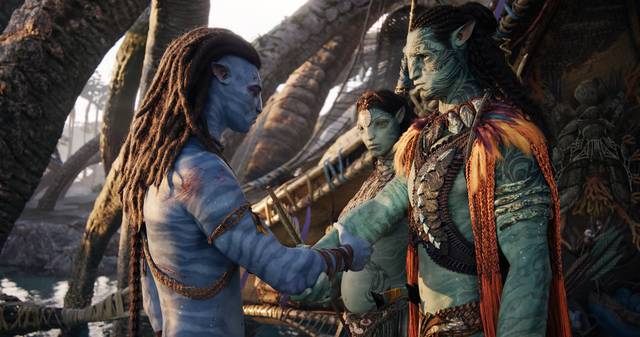

So narrative-wise, the entrance of the Metkayina tribe is the most obvious change. But beyond their introduction, the story goes deeper. "I think stepping back into this world, you didn't want to replicate the story of the first one," says Worthington. "The technology, of course, is going to advance but you want the characters to advance [too]. And so the way that Jim [Cameron] approached it was, well, you're going to have a family and we're going to put that family into more and more difficulty over this saga. And that's very exciting to be involved in because you know that your character is going to evolve as you're evolving. It's not just a carbon copy of the first successful movie."
"If a story is good enough, you're going to compel an audience to sit and listen to it, or sit and watch it, or in this case, sit and experience it," Worthington adds. Avatar is a lengthy movie, and for all its technological glory, the story remains its backbone. When making a movie, "You aim for a certain emotional experience for an audience. We've created a story about a family who is forced to leave their home and survive in a world even though they've got domestic issues that are going to be relatable to everybody. It just happens to be in an intergalactic battle."