

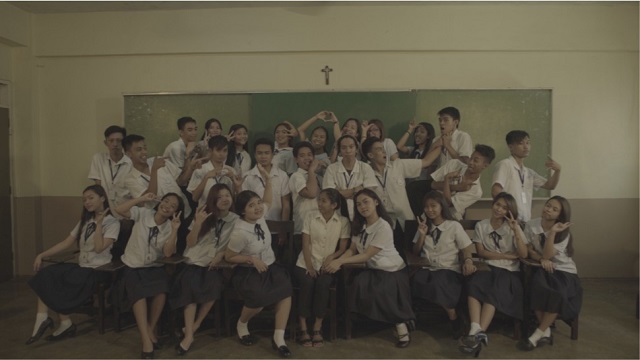
Remember the times when you had to stay for a couple of minutes in the classroom after dismissal time to clean the blackboard, sweep the floors, and arrange the chairs? Writer-director Glenn Barit will take you back to your high school days with his debut feature, Cleaners. Set in the academic year of 2007-2008, this coming-of-age film is about a group of high school students assigned as the classroom cleaners for the day. The film is slated to compete at the QCinema International Film Festival in October under the Asian Next Wave Competition.
The Reason Behind Photocopying the Entire Film's 43,000 Frames
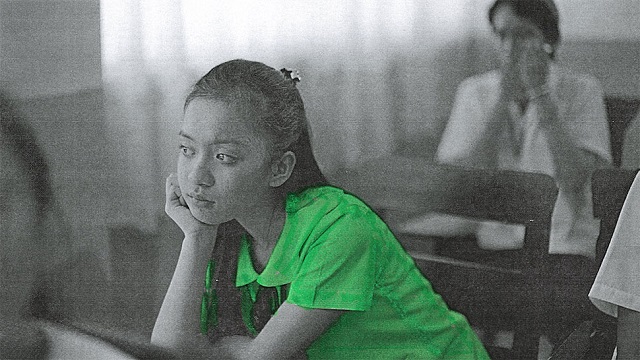
Today's technology makes filmmaking easier, resulting in movies that are crisper, sharper, and glossy.
How Photocopied Stills Will Be Transformed Into a Feature Film
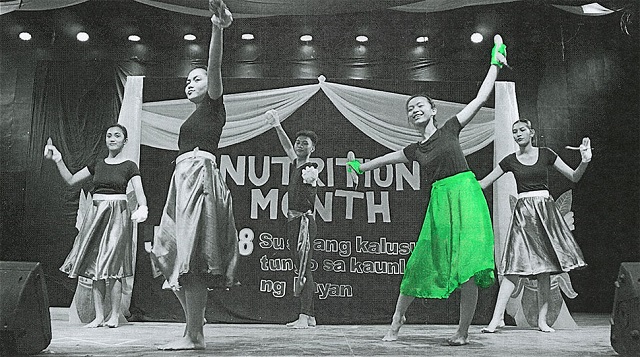
You can imagine the painstaking effort it takes to print an entire film's frames. Cleaners
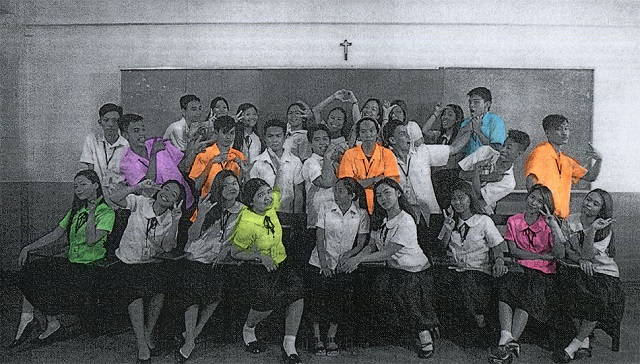
In fact, as of writing, Barit's team is busy highlighting the frames one by one, then carefully
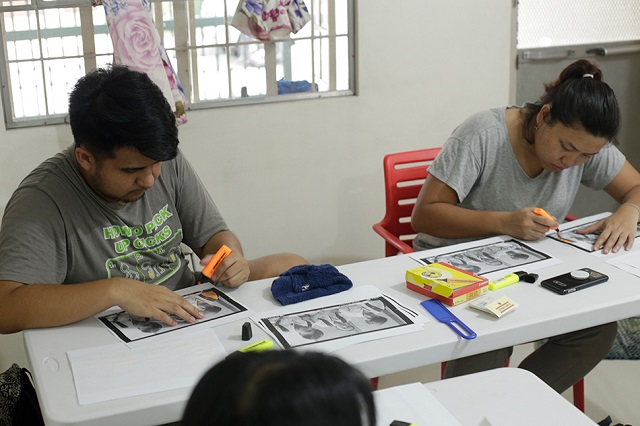
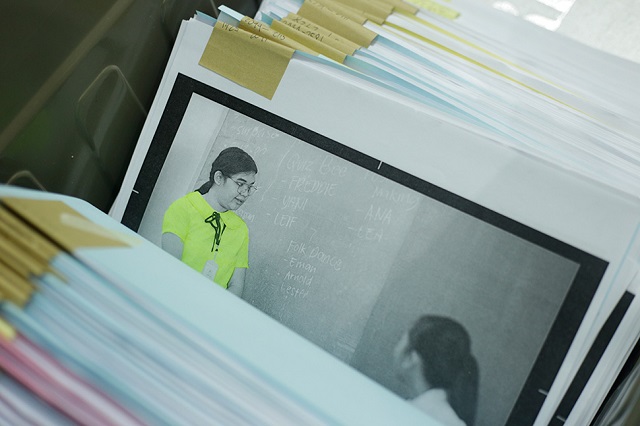
Barit says Cleaners will undergo many different stages before it finally sees its final version. "We shot it digitally in June, edited the materials, and then printed the entire film's frames using a photocopier. Now, we're in the process of highlighting each frame. After highlighting, we will scan them back digitally so it can play in digital theaters," he says.
Since they printed all the frames, Cleaners is technically a stop-motion picture. This is not the first time a similar film production was made. "Films in early cinema like A Trip to the Moon (1902) hand-painted celluloid film to bring out
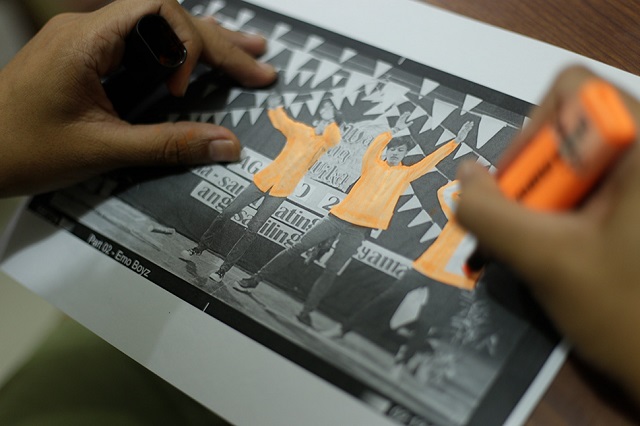
Although the film's form is not new, Cleaners would be the first feature film to employ both techniques of hand painting and the use of photocopied frames to produce a movie.
The Search for the Photocopier
For this film's printed frames, Barit wanted to achieve the kind of grittiness and coarseness you get from an old photocopier. The post-production team even sought the ugliest copier it could find.
"Since this is also a period film, we preferred an old, clanky photocopier because it will be more faithful to the actual texture of photocopied materials that time,"
"I actually went to different photocopier shops just to test the textures. I remember asking one of them to input the
The team lives a few steps away from the University of the Philippines, so naturally, there were plenty of photocopying shops in the area. Barit's team eventually partnered with a certain photocopying shop because of its expertise and the low cost of its services.
Finding Funds
For the film to successfully compete at the QCinema International Film Festival in October, it needs more funding. "Post-production costs
"QCinema and other sponsors have been very generous to us in covering much of our costs," he continued. "But we still need a bit more to complete the film and ensure proper working conditions. We wanted to raise 200,000 more, and so far, we have raised 3% of that."
Currently, the production team is accepting donations via The Spark Project. Donors will be featured in the closing credits.