

LOOK: Alay Lakad Resumes at the Now International Shrine of Antipolo
The Antipolo Cathedral pilgrimage continues on.

(SPOT.ph) The Antipolo Cathedral was elevated to the status of International Shrine on March 25. This was done by papal decree, the Holy See declaring this centuries-old cathedral in Rizal the first international shrine in the Philippines and Southeast Asia, as well as the 11th in the world. A fitting distinction for a site that sees millions of pilgrims annually—more so during the Holy Week, especially one after a three-year halt due to the pandemic. The cathedral posted images of devotees flocking to the site in the wee hours of Good Friday, April 7, on their Facebook page, showing that the pilgrimage continues strong even after centuries and a temporary stop.
Also read: Antipolo Cathedral to Receive International Shrine Status, But What Exactly Does That Mean?
Alay Lakad at the Antipolo Cathedral International Shrine
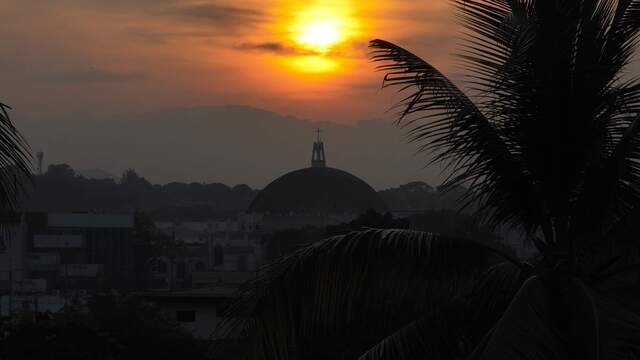
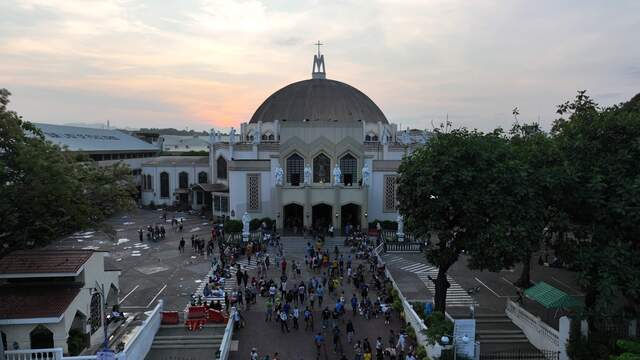
The shrine posted two updates: one of pictures at 3:30 a.m. and another at 6 a.m. In the early morning, they noted that while only a few devotees remained in the shrine itself, "kapansin-pansin naman ang pagdami ng mga debotong namalagi sa patio ng Katedral."


Later on, it looks like more devotees were able to head into the shrine itself. "Kasabay ng pagsikat ng araw ang pag-akyat pa din ng ilang mga deboto sa ating dambana."



What is the Alay Lakad pilgrimage?
The Antipolo Cathedral was originally the National Shrine of Our Lady of Peace and Good Voyage—now international: And Pandaigdigang Dambana ng Ina ng Kapayapaan at Mabuting Paglalakbay. Here is where you can find enshrined the Marian image of Nuestra Señora de la Paz y Buen Viaje). It also functions as the seat of the Bishop of Antipolo.
The first church was finished in 1632. It was originally supposed to occupy a different location according to the church's website, but after the image of Our Lady of Peace and Good Voyage kept mysteriously disappearing and appearing by a tipolo tree, it was built there instead.
Also read: 10 Historic Churches to Visit In and Around Metro Manila
Though the structure was hit by many different events throughout the years, from uprisings to natural disasters, it became a popular pilgrimage site. Jose Rizal himself was brought there as a boy by his father on June 6, 1868 in fulfillment of a promise made by Dona Teodora Alonso after his birth, said the site.
Nowadays, "Alay Lakad" is the official name of the pilgrimage devotees take to the international shrine. Millions flock to the holy site, with the pilgrimage season typically starting on April 30 and lasting throughout May. This is initiated by the "Pagdalaw ng Ina sa Anak", a motorcade bearing the image of Our Lady of Peace and Good Voyage from Antipolo Cathedral to Quiapo Church. The Manila Church, where the Black Nazarene is enshrined, holds a welcome mass in the morning, and a farewell mass at 6 p.m., after which the Penitential Walk from Quiapo to Antipolo begins. Devotees walk a distance of 33 kilometers.