
Can Tarot Readings Really Tell Your Future? We Ask an Expert in the Philippines
What it is, and what it isn't.

(SPOT.ph) What images come to mind when you hear tarot reading? It's easy to picture foreboding cards, crystal balls, and the smell of incense in a dimly lit room with a fortune-teller at the other end of the table. Misconceptions surrounding tarot reading have resulted in a widely misunderstood practice. It's what we've been fed by popular culture. Even how it's pronounced can be a source of confusion (it's actually taro, with a silent t).
These false associations have led to a skewed perception of tarot, with many calling it sinister or supernatural. In reality, tarot reading is more about self-reflection than it is about fortune-telling, which revolves around the belief that our fate is written in the stars. SPOT.ph spoke to Robert Rubin, the Philippines' leading authority who has been working on this full-time for 28 years with four books on the subject, to know more about this growing practice in the country.
“A tarot reading’s job is to give you guidance. It does not tell you anything set in stone,” Rubin said. “As I tell all of my clients in my 28 years of reading the tarot, I have never come across a reading that could not be changed.”
Also read: Why Do We Blame Mercury Retrograde for Our Misfortunes?
What is tarot reading?
Tarot reading is a practice that involves using a deck of cards with symbolic images to gain insights, guidance, or self-reflection, which is rooted in the querent’s (the one seeking the reading) participation.
It's less about predicting a fixed future than it is a tool for exploring one's thoughts, feelings, and potential future outcomes, with the interpretation of the cards guided by the reader's intuition and knowledge of the card meanings. Each reading is a blend of art and intuition, where 78 cards, each with multiple meanings, are interpreted to reflect the querent’s current life trajectory.
Some may view it as a form of divination, but Rubin likens the practice to a financial analyst predicting stock trends or a doctor making sense of a patient’s health—nothing is absolute.
“It's my personal policy to let all of my clients know that no reader, healer, mystic, fortune teller, astrologer, feng shui master has the right or even the ability to tell you that something is set in stone. What a tarot reading will show you is trajectory, probability, cause and effect, but at the end of the day, the decisions are entirely up to you,” Rubin said.
Ultimately, his approach is grounded in respect for the client’s autonomy.
“When people come to you for a reading that they think it's set in stone, that's when people get taken for a ride. That's when they get swindled. That's when they have a negative power experience. But when they realize that it's a form of guidance, when they realize that this is just to give you clarity, this is just to show you what your options are, it becomes more empowering,” Rubin said.
Tarot reading continues to face fear and skepticism in the country, but Filipinos are always going to be drawn to the mystical, he said, even with religion’s attempts to label the tarot practice as withcraft.
Take it from Rubin, who is a Catholic himself: “At the end of the day, it's your relationship with God that matters. Nothing more. These cards are simply but a tool for sending you messages. They're not work of the devil. If you ask me, peace of mind is a gift that only God can give. So if you go to the right reader, that can be a way of experiencing God."
What happens in a tarot reading?
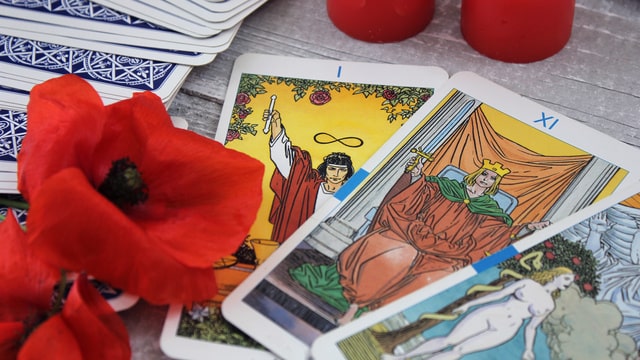
A typical session with Rubin takes one hour and involves telling the client where they’ve been, where they are, and where they could be going. Rubin explained there is a human element in every reading, where interpretations are influenced by the reader's intuition, experience, and the energy dynamics of the session.
This might come as a surprise to most, but most readers like Rubin will actually ask the client to refrain from sharing personal information about themselves. This way, the tarot reading won’t be plagued with confirmation biases. As Rubin put it: “The less I know about you, the better.”
The most important thing to remember when coming in a session is to be open-minded. Rubin said people who try tarot reading for the sake of proving it wrong will just end up wasting time and money. It's like selling meat to vegetarians.
“If you're going to come to a reading, always come with the idea in your head that your fate is in your hands, not mine. I am just simply telling you what's going on. It's really up to you to live that out,” Rubin said.
After he reveals the past, present, and potential future, the client is free to ask five questions about whatever they want, as long as there are no dates of death and lottery numbers involved. At the receiving end of bad news from a session? Rubin suggested to make the conscious effort to change it now that you've been warned.
We asked Rubin: What if you give out a wrong reading? If a client corrects or challenges an insight, he welcomes this feedback and engages in a process of recalibration. He revisits the cards, seeking alternative interpretations and insights that might offer a more resonant narrative. One example of this is the Empress card, which would mean pregnancy in majority of the cases. What about the men, lesbians, or nuns who pull this card?
"It won't mean pregnancy anymore. The meaning of the card shifts to the next alternate meaning, which can be that you might need to mother something," Rubin said. He views these moments not as errors but as opportunities for deeper exploration. "Please feel free to prove me wrong."
Also read: If You've Always Wanted a Tarot Reading, Here's Where to Do It
How to find a good tarot reader in the Philippines
With everyone stuck at home in an unpredictable climate, tarot reading experienced a surge in interest throughout the pandemic. This has led to an influx of readers on Instagram and TikTok with varying credibility, many of which are just in it for the easy cash grab.
For Rubin, there are two types of readers: Ones that make the practice look good and ones that use the practice to make themselves look good. You’ll want to find the former.
“There are good readers out there. There are readers who give life-fulfilling readings, life-fulfilling experiences. That's what we're trying to promulgate in this world, that the tarot can be a very beautiful tool for self-growth,” Rubin said.
Rubin’s advice for finding a good reader is straightforward—look for positive reviews and observe the reader’s contributions to the practice. Word of mouth is the best tell. Ethical readers prioritize the querent’s welfare, offering insights without coercion or manipulation. The biggest red flag in tarot readers? Those who use tarot as a form of self-glorification or monetary gain, especially ones that insist to sell you amulets or charms to prevent a certain fate.
Tarot readings are best received from a professional. One of the more concrete indicators is when established, credible readers require an appointment prior to the session. A long waiting list with returning clients is rarely a bad sign.
In Rubin’s case, tarot is more than a deck of cards—it’s his means of serving as a messenger of peace and clarity to others. Rubin’s own practice is a testament to this ethos. He is hosting Tarot Thursdays on Facebook Live at 9:30 p.m., offering curious viewers a chance to ask one question at no cost.
Rubin is also encouraging frequent clients to learn about tarot themselves instead of having over 20 sessions with him to save money: “You see, it’s about empowering people. The beauty of it is it’s a skill that anyone can learn. It’s not exclusive to people with third eyes.”
Interested to know more about the practice? You're in luck: The first tarot convention in the Philippines is set to happen this Saturday, October 28 at the Joy Nostalg Hotel and Suites in Ortigas City. Entrance to and online streaming of the event costs P1,500 per person.
Also read: You Can Get These Tarot-Themed Tapestries for Less Than P150