

Turns Out Chow Chows Were Once Stray Dogs Roaming Manila
What would your reaction be to seeing a random chow chow on the street now?
Products and services recommended on our websites are independently selected by our editors. If you buy something through our links, Summit Media may earn an affiliate commission at no extra cost to you.
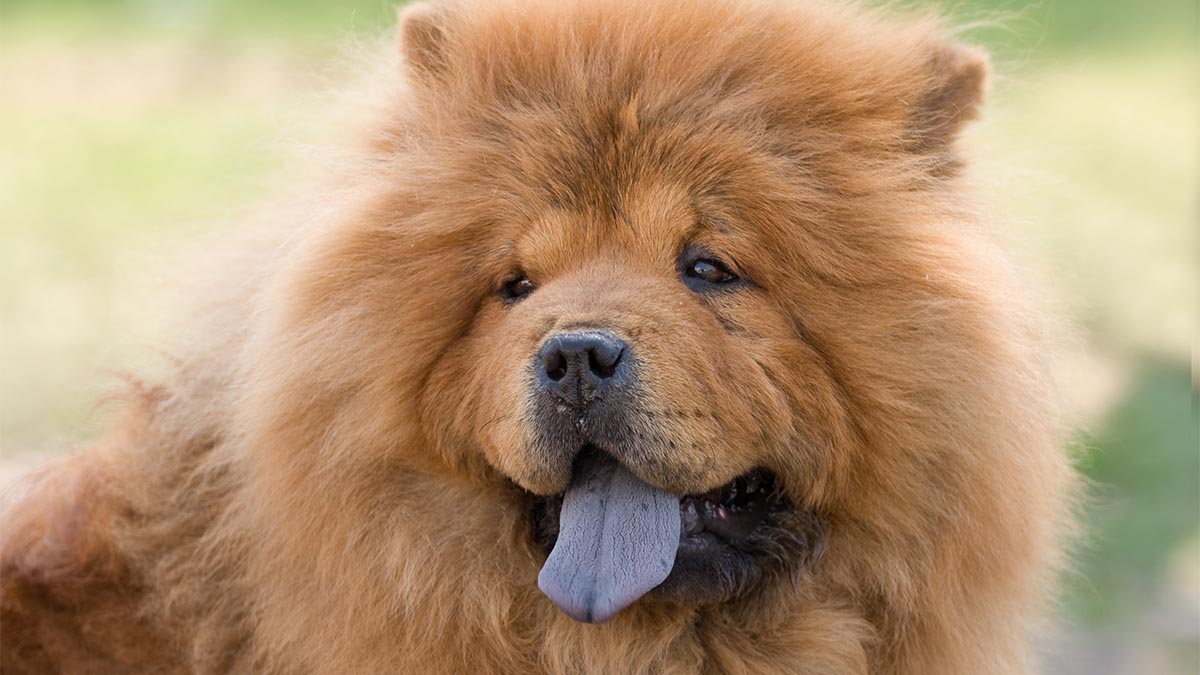
Today, Chow Chows might not exactly be rare, but they still do count as some of the more expensive dog breeds worldwide. If charm counted for something, then they certainly would be at the top of that list. Their distinct blue tongue, color, and champion bloodline (and maybe their general snobbishness) contribute to the dog's lore. Filipinos seem to have taken a special liking to them, as well. Funny enough, they've been around in the Philippines a lot longer than we think.
Also read:
This Illustrated Book About Dogs in Philippine History Is Now Available
What’s Up With the Filipino Obsession Over Shih Tzus?
No, Abandoning Your Pet Isn't the Only Option
Chow Chows were once stray dogs in Manila:
It wasn't too long ago that they could be found roaming the streets of Manila in the evenings. According to the book Dogs in Philippine History, Chow Chows were once stray dogs in Manila. Their presence in the country is something we owe to the Chinese immigrants who brought them here a few hundred years ago.
When immigrants from Mainland China came to the Philippines in hopes of greener pastures, they decidedly brought their personal belongings, language, culture, culinary influences, and, yes, dogs. One of them was the beloved Chow. In 1890, a British resident named John Foreman had documented them when he was staying in Manila. He wrote that there were "many Chinese Dogs with long, straight hair, pointed noses, small eyes, and black tongues... brought over from Hong Kong."

Joseph Earle Stevens, a fellow British resident, confirmed this in a separate account back in 1898. In his retelling, he described the canines he saw as Chinese "chow" dogs with their "black tongues, long hair, and peculiar bushy tails that curl sharply over their backs." Stevens was said to be considering adopting a stray dog at the time. Unfortunately, their family's previous dog had met its demise by a tranvia (tram) in Manila. He said that he "may even try the experiment of having one for Sunday dinner—if he doesn't make a good pet." Ultimately, he realized that the Chow was a little too "unaffectionate." Unsurprising, to say the least.
Stevens, nevertheless, had quite the fascination about the dog breed, describing how they would form a "large army of dogs that make [a] Manila night hideous" in his notes. The Chows would wander the streets in search of food because, in all likelihood, their Chinese owners struggled to provide for them.
How times have changed since then.
Read more about Chow Chows in Philippine society in Ian Christopher B. Alfonso's Dogs in Philippine History. Copies are available on Shopee or through direct orders online bit.ly/AsoBookOrder.