
Manila Wanting a Replacement Elephant for Mali Is Totally Missing the Point
The solution to the elephant-shaped hole in our hearts isn't another elephant.
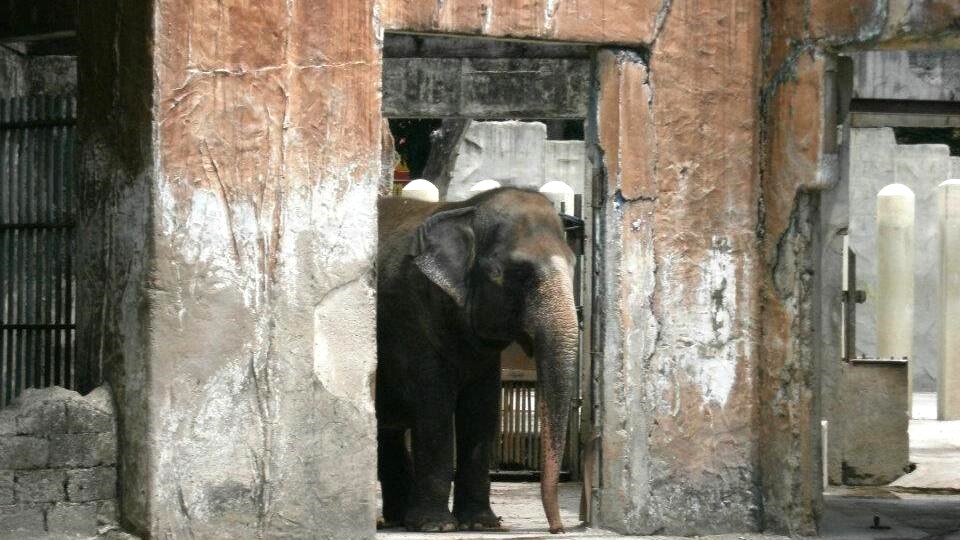
(SPOT.ph) The Philippines' lone elephant Mali died on November 28. Now, the city government of Manila has plans to request new elephants from Sri Lanka to replace her absence at the Manila Zoo. The Internet is not pleased.
Manila Zoo’s senior veterinarian Dr. Heinrich Patrick “Chip” Domingo said it was likely Mali died from a congestive heart failure, on top of having several tumors in her kidney and pancreas. To this, Manila City Mayor Honey Lacuna was quick to reassure the public: “There is a plan to replace Mali.” She said the Sri Lankan government has offered to give another elephant to Manila Zoo through its representatives who visited the country.
“Ngayon sisimulan namin ang pakikipag-usap ulit with the Sri Lankan government,” Lacuna said in a press conference on November 29. “We will inform them na nawala na si Mali, para ‘yung offer nila sa amin magpush through na rin.”
Immediately, this decision was met with opposition from some Filipinos.

The decision-makers in Manila seem to have missed the memo on animal welfare. Sure, Mali lived past the average lifespan of an elephant in captivity, but surviving to seniority isn’t the sole measure for an animal’s quality of life.
Also read: Mali, 'World’s Saddest Elephant,' Has Died. Here's What Her Life Was Like in Manila Zoo
Why Mali has to be the last elephant at Manila Zoo
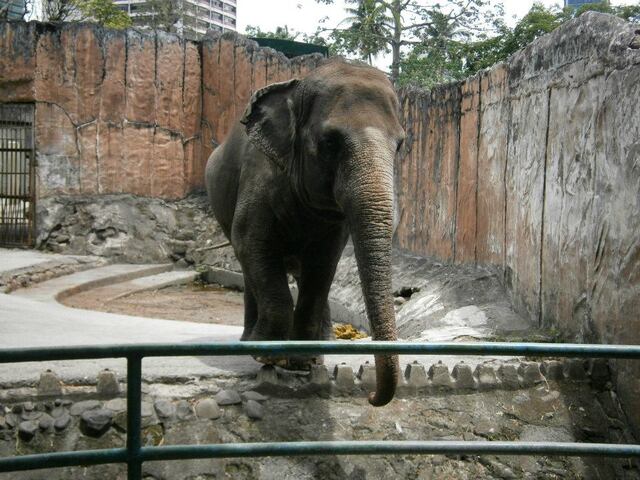
Prior to Mali's death, there were several animal rights groups calling for Mali’s release from the zoo.
People for the Ethical Treatment of Animals (PETA) was the most vocal. In 2012, they called for Mali’s transfer to an elephant sanctuary in Thailand where she would receive rehabilitation and be with her kind. PETA went as far as to call Mali “one of the world’s saddest elephants,” claiming that she was suffering physically and psychologically due to her living conditions. Almost 180,000 people signed the online petition—a cause that has united bishops, pop stars, and environmentalists (not that they hold more weight than actual experts).
Still, there are convincing reasons as to why Mali remained at Manila Zoo amid these campaigns. Authorities say that keeping her in captivity was optimal since she lacked experience with life in the wild. In a viral Facebook post in 2017, animal welfare advocate Isa Garchitorena argued against Mali moving to Thailand using the analogy of relocating a senior citizen:
“Pretend Maali is your 90 year old Lola, and you have the opportunity to migrate to another country, will you bring your Lola? The pros are clear, better health care, less pollution, better overall quality of life, and the cons? Different environment, she would have to leave the house she has lived in for decades, say goodbye to her routine…she would have to learn a whole new culture. What would you think Lola would choose?” Garchitorena said. “Those are the issues surrounding Maali's transfer to a sanctuary in Thailand.”
That is valid—at least to me. Now that Mali is gone, do we really want to subject another elephant to this kind of life, especially now that we have the chance to stop it before it starts? Animal welfare must take precedence over our interest in seeing these creatures up close and personal.
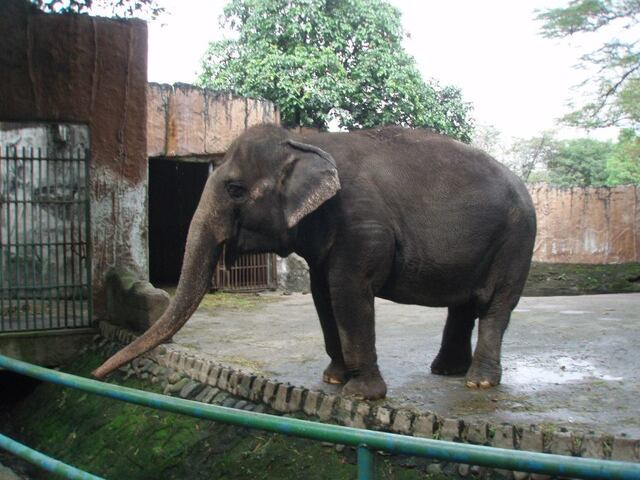
Regardless how Mali was treated in Manila Zoo, numerous research has concluded that elephants are better off in the wild, with a life span of 60 to 70 years compared to the 40 years they have in captivity. Elephants are also highly intelligent and social animals that require complex environments for physical and mental well-being.
I have no doubt that Mali was loved and cared for by her caretakers (she wouldn’t have lived past 40 otherwise), but can a gilded cage ever be a haven? Birds in a cage are birds in a cage, no matter how plush the holding. We’re talking elephants here, the largest land mammals on Earth. In the wild, they can roam up to 50 kilometers daily, but Mali was confined to a barren concrete enclosure of 0.055 square kilometers if we’re taking PETA’s word for it. As PETA put it: “Try to imagine living your whole life in a room the size of a bedroom, seeing the same four walls every day…You'd never get to leave. That's exactly what life is like for Mali.”
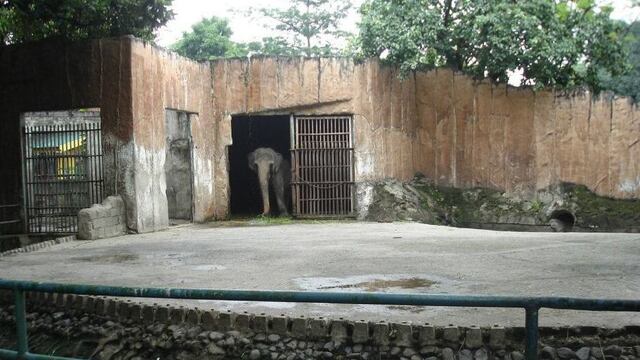
It’s true that Mali brought great happiness to the visitors who came to see her, but it’s also true that there are no elephant experts in the Philippines, even with professional veterinarians like Domingo in charge that kept Mali in "the pink of health" in 2018. In fact, Manila Zoo would only find out that Mali suffered from cancer after her death, as revealed in the press conference.
Zoos often struggle to provide adequate space along with specialized care, and with what little funding Manila Zoo has, there's little hope of that changing anytime soon. Others may argue that Manila Zoo has recently been renovated to give Mali a bigger pen with a hard earth floor, but this home remains a far cry from the vastness of wildlife. It wasn’t, and still isn’t, enough—and we don’t need another elephant to tell us that.
Also read: PHOTOS: Manila Zoo Reopens With a Fresh Look on December 30