
DLSU's Coffee Science Class Proves There's So Much Behind Making the Perfect Brew
It hopes to produce students who are facts-driven, critical thinkers.
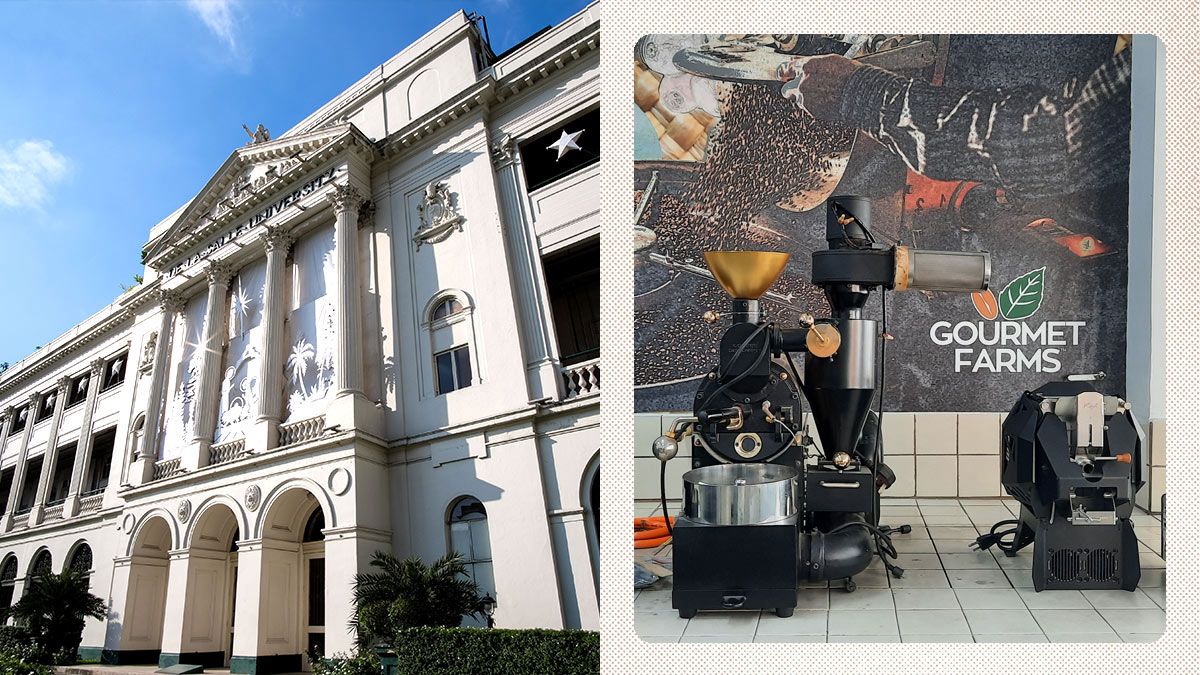
(SPOT.ph) Whether it's a casual date at a nearby cafe or a group of friends geeking out on locally sourced coffee beans, much can be said about how coffee connects people. And this is exactly how the Coffee Science class at De La Salle University - Manila started—through a small group of people with one goal: deepening the understanding of coffee culture in the Philippines through science.
KOFISCI, the course code for the Coffee Science class, is the first of its kind in the Philippines. It opened as a General Education elective just this second trimester for the academic year 2023 to 2024 under the Chemistry Department. This means that the class is not exclusive to science majors and is open to enrollment for undergraduate students who want to learn about the chemistry behind (or inside) the popular drink.
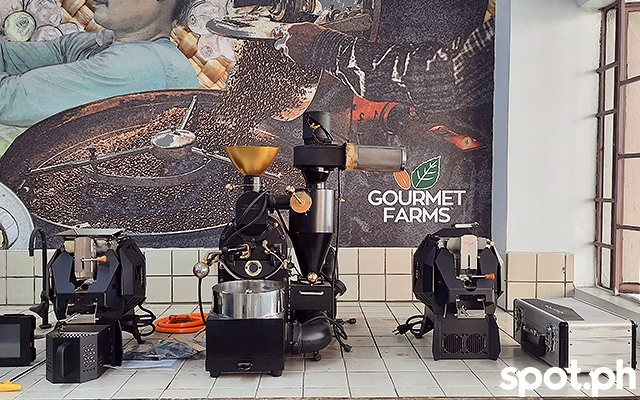
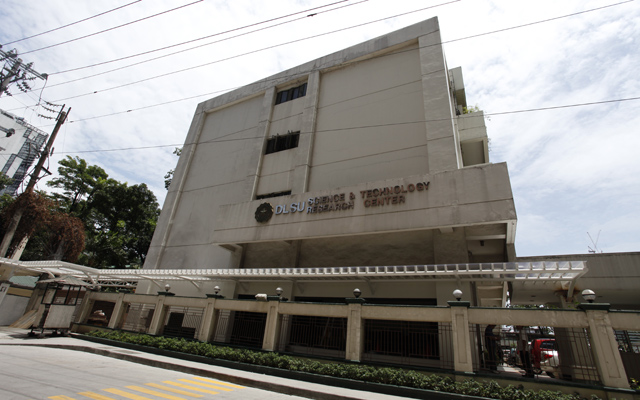
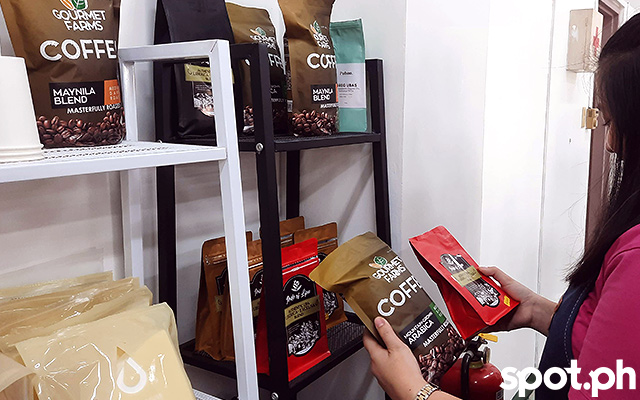
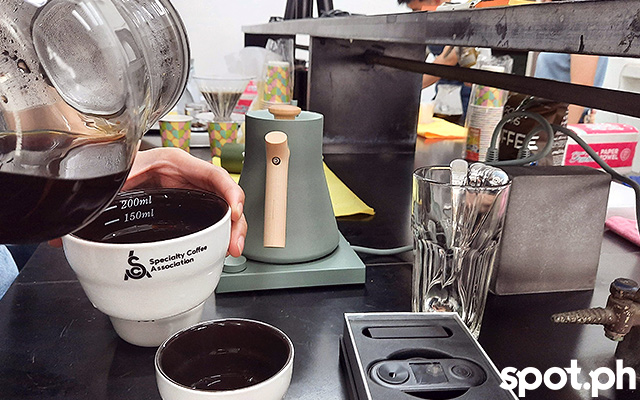
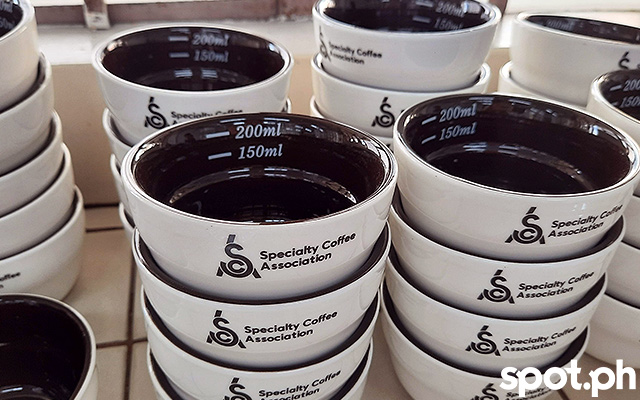
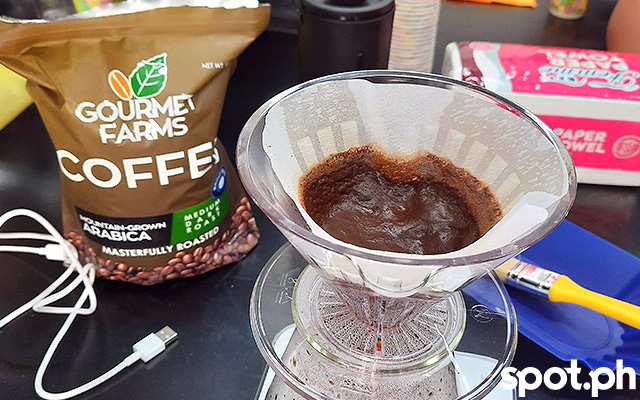
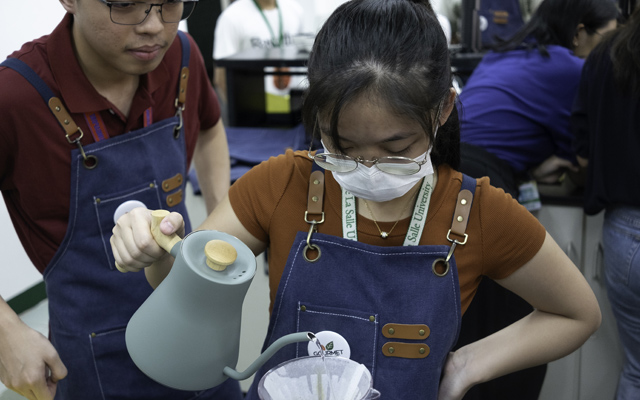
Hands-on classes are being held at a special coffee laboratory on the third floor of the De La Salle University Science and Technology Research Center (STRC). This is made possible through a 10-year partnership with Silang-based Gourmet Farms, which assisted in providing top-notch glassware, brewing equipment, micro weighing scales, and other laboratory devices needed in class.
Starting a Coffee Science Class at De La Salle University - Manila
The inspiration for putting up the program came from Dr. Emmanuel Garcia, a DLSU Department of Chemistry faculty member and professor of the KOFISCI class. He did his doctorate at the University of California-Davis, where he tried to look for biomarkers of whether what is claimed as civet coffee was actually obtained from civet cats or not. At the time, he recalled, he was looking for a coffee shop where he could get some samples for his experiment. But a colleague said that there's a coffee laboratory in the university—the UC Davis Coffee Center under the College of Engineering—where he can do his sample preparations.
When Garcia returned to the Philippines, "one thing led to another," he tells SPOT.ph in an interview. He gave talks about his dissertation, A mulit-omics approach to finding potential biomarkers in Philippine civet coffee (2016), within the chemistry community and then, later, to other stakeholders in the national food industry.
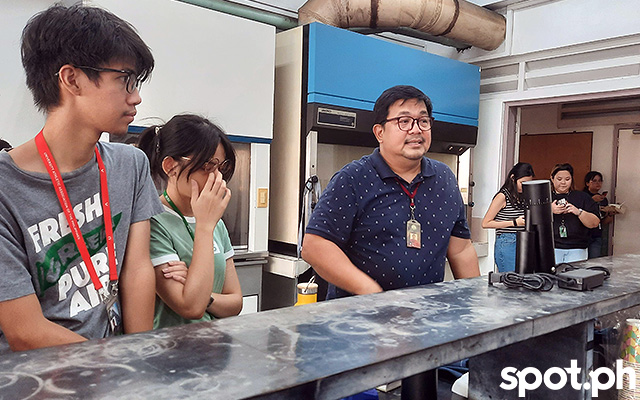
"Tapos may mga nagtatanong sa akin ng hindi na tungkol sa civet coffee pero coffee in general na," he recalls. Progressive industry players would approach him to give talks on coffee science, citing that coffee professionals can build on their science literacy. They eventually started a group called Coffee Science Philippines, which organized seminars held at cafes and, later, webinars during the pandemic. Colleagues then suggested that the program be institutionalized, so Garcia had the ball rolling, and the rest—as they say—is history.
Instead of forcing non-science students to take general science classes they would never use or appreciate, why not have a science class that's more fun? And what better way to understand science than from the context of something that college students drink every day? True enough, enrollment for the elective was filled up within 30 minutes of online registration.
The Science Behind Coffee
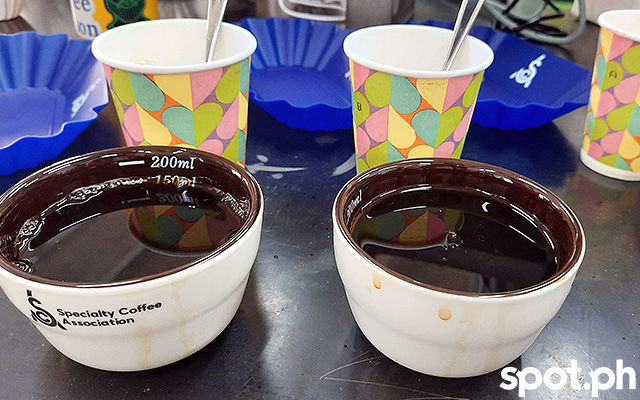
In one of their classes, the students were asked to devise a method to best extract coffee given different types of water. This was the hands-on session following an assignment to read a groundbreaking study titled The Role of Dissolved Cations in Coffee Extraction (2014, Journal of Agricultural and Food Chemistry). It was all trial and error and a lot of measuring and weighing, as most experiments go, except the process involved grinding coffee beans, boiling water, brewing ground coffee through a filter, and—yes—tasting coffee. That seems to be a regular morning for a student, with copious amounts of coffee imbibed.
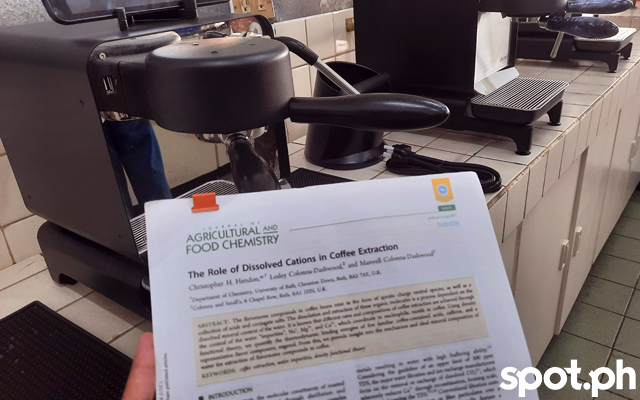
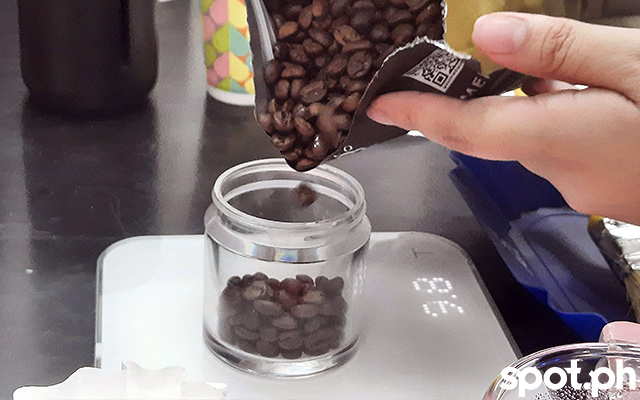
According to Garcia, almost every step of the coffee-making process features a scientific concept.
One example is the type of water used for making coffee and the difference between purified, alkaline, and distilled water. We all know that water has "impurities," and the most science-literate coffee professionals would know how to control these "impurities" in the water to not largely affect the flavorful compounds in the coffee beans.
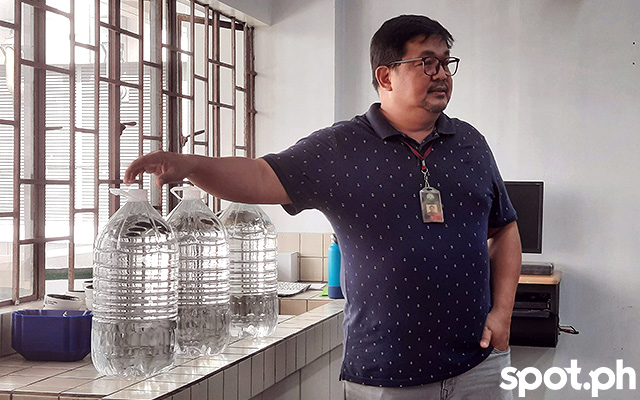
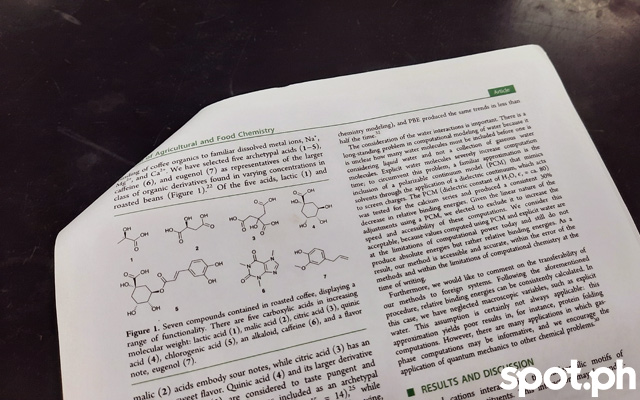
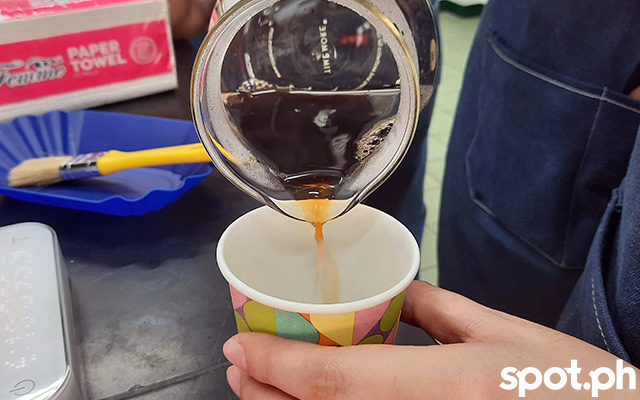
Another example is coffee roasting, which uses a lot of organic chemistry concepts. Some roasters would do trial and error and judge the best timing and way of roasting just via tasting. Garcia said this may be a hurdle when passing on the technique to a new generation of roasters, especially if "you're a roaster with 20 years of experience but can't explain what's going on."
Then there are other basic concepts of chemical kinetics: particle size, which can be translated to the size of ground coffee; temperature, which is the best temperature to brew coffee; nature of reactants, which is the interaction between water and coffee grounds or even what type of coffee beans you're using; and so on.
For people who want to go into the coffee-making business, knowing the science can eliminate the waste of time, effort, and resources.
Going Beyond One Coffee Science Class
At present, DLSU's Chemistry Department has two KOFISCI classes with 25 students each. They're planning to open eight more classes next trimester. But, more importantly, the university is all set to launch a Minor in Coffee program for the next academic year.
Garcia said it's all part of the university's holistic approach, where minor programs cut across disciplines. For example, he said, you can be a student in the BS Mechanical Engineering program with a Major in Robotics and a Minor in Coffee.
The Minor in Coffee program, in particular, has a total of 15 units. This includes subjects on policy and governance, where policy-making in the coffee industry will be tackled through a syllabus developed by the Political Science Department and the Jesse Roberto Institute of Governance; engineering, which focuses on the heat and mass transfer in coffee-making, the history and culture surrounding coffee through the Literature Department; economics, for the business side of things through the university's Angelo King Institute for Economic and Business Studies; and molecular biology.
The university is also planning to offer these subjects individually as certificate courses to non-DLSU students. There are also plans to partner with other organizations to make the topic available to as many people as possible.
"Imagine, you [can] have these kinds of people going out and trying to address the problems of the coffee industry," Garcia said.
He further explained that having the coffee science program can set up more research, eventually leading to better policies for nation-building.
"How can you institute reforms if you don't have a policy? How can you make a policy if you don't have data or empirical evidence to back it up? How can you get empirical evidence if no one's there? Wala namang research. Sino ang magri-research? Academe. Pero paano ka makaka-research kung yung mga academic members ng academic institutions are not even aware of the nuances of coffee. That's why you have an academic program. The academic program sets up or feeds the research," he explains.
This is echoed by Garcia's colleague, Jo Almanzor, a faculty member from the university's Literature Department and a professional barista at The Curator.
She explained that there are a lot of discourses surrounding coffee production: the culture of consumers, the identities surrounding it, issues on labor and land use, and so on.
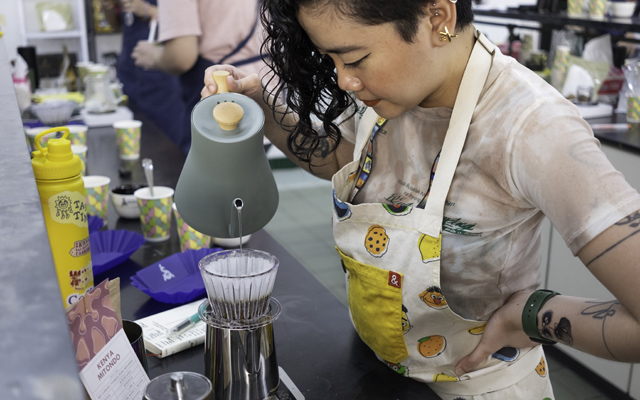
"Mahalaga na we're bringing it in the academe because these are keywords. And medyo touchy siya. A lot of people can claim that they are this and that. [But] how do we know objectively? Kasi if you ask around, siyempre people with businesses will have bias. So we're taking it to the academe para minimal bias that we can really look at things," she explains to SPOT.ph.
How can this be translated from numbers and figures to actual use? Judd Reyes, Marketing Head of Gourmet Farms, said that the research database developed in the academe can help in coffee production.
"Of course, we can teach the farmers all the skills on how to properly harvest, properly process the coffee. Pero if it's not properly recorded or walang database na nakakuha, you don't really know if there's an improvement moving forward," he says.
Processes can be optimized, he added, and issues can be tackled up to the ground level—even the kind of soil, to be literal about it.
Creating a Generation of Data-Driven Critical Thinkers
"It's not really about coffee," Garcia confesses when asked about his vision for the class.
At the surface level, sure, it's capitalizing on the popularity of coffee to make science cool. But on a deeper level, he explained that if you have a science-literate population, then you have people thinking critically.
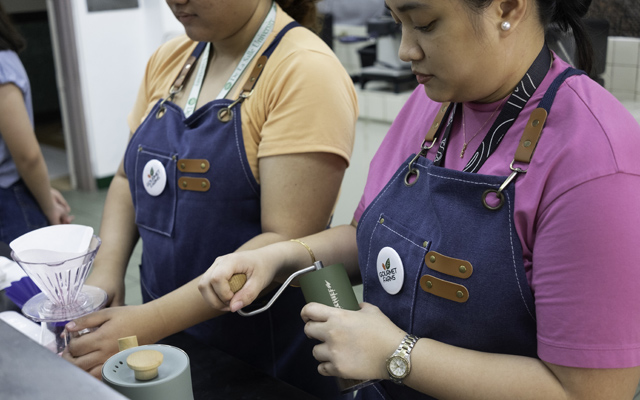
"We don't like science, we hate data, di ba? Parang gano'n gusto natin, magmatigas na sa ating mga opinions at beliefs. Pero for something as subjective as coffee, pag napatunayan mo na data is important to back up your claim, it sends a message to people to become more critical," he says.
"If magawa natin ito sa kape, then hindi ba dapat magawa din natin siya sa lahat ng staples natin? Whether it's rice, saging, sugar. So we're just using this because this is a medium that speaks to the students at the moment. And we have to meet them where they are so we can bring them elsewhere," Almanzor adds.
KOFISCI may just be a science elective, a way to make college students interested in chemistry. But at the end of the day, it's really DLSU's way of nation-building by producing a generation of critical thinkers.
Also read: Opinion: The Taylor Swift Course Needs to Exist in the Philippines