
The UP Libraries' 10 Important Cultural Treasures
The libraries house gems you'd be hard-pressed to find anywhere else.
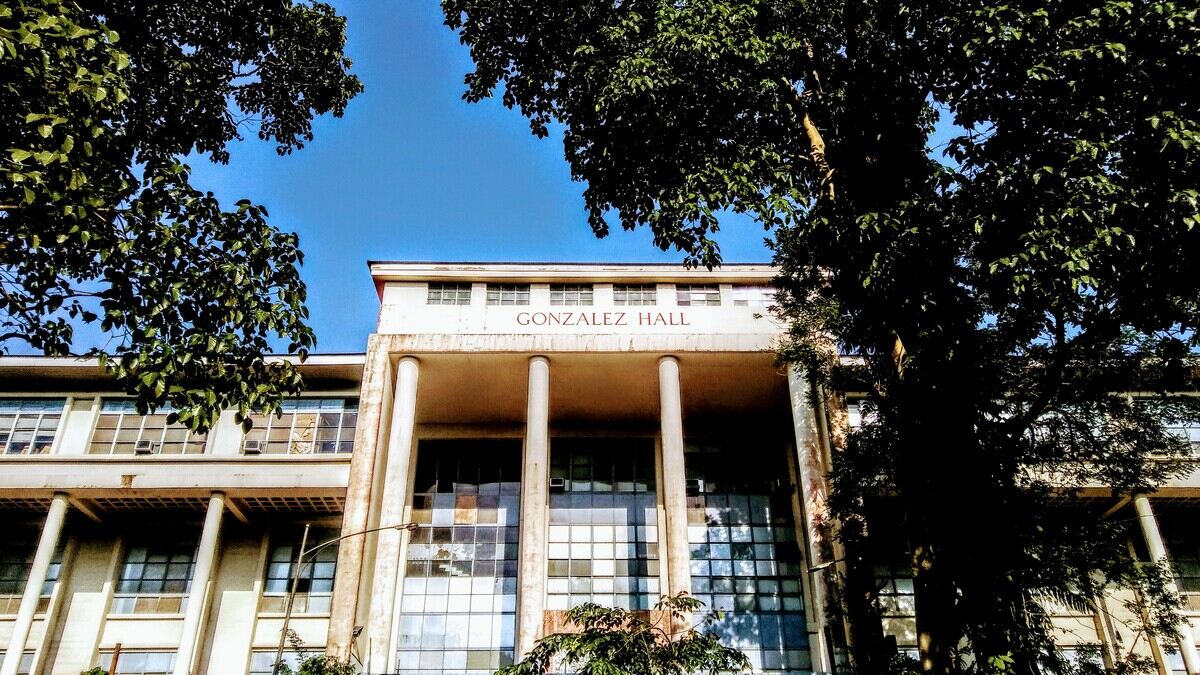
(SPOT.ph) The Oblation, the Sunken Garden, the sunflowers along University Avenue—when you aren’t an Isko or Iska from the University of the Philippines’ (UP) Diliman campus, there’s a high chance these are what you picture in your head when asked about UP. And while these spots alone are a draw for many, there’s one thing in the Diliman campus that many visitors miss out on: the library.
Or to be more accurate, the university’s Main Library and its 29 college/unit libraries across the 493 hectares of land that the campus occupies. And with UP’s long history (did you know it only officially moved to Diliman late in 1948?), you shouldn’t be surprised that the libraries’ collections and archives include more than a few historical and cultural gems you’d be hard-pressed to find anywhere else.
Current students can come and go as they please, but the University Library doesn’t make it too difficult for non-student visitors to do some learning. Alumni need only present an alumni card and a valid ID, while other visitors need to make an appointment first with the library section they’re visiting and pay a research fee of P50.
This list was drawn up with the participation of representatives from each of the libraries mentioned below.
Also read: The UST Library and Archives' 12 Most Important Treasures
Check out these rare and unique artifacts, artworks, and books you can find in the UP Diliman Libraries:
1. The Philippinensian
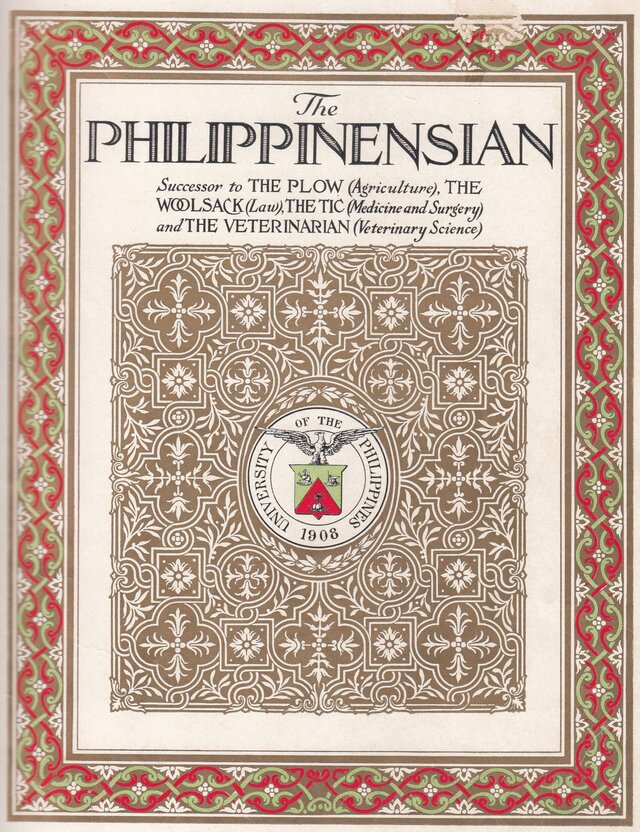
Ever wanted to know what life was like for a student a hundred years ago? Before there was the regular per-college yearbook at UP, there was the Philippinensian. It didn’t just show off its senior graduating students, but chronicled happenings in the entire university’s academic and social space—meaning you can see what student life was like as far back as the Philippinensian’s oldest surviving edition from 1917, which includes snaps of iskos in coats and ties and iskas in traditional baro’t saya. Later editions even show the earliest versions of the Lantern Parade, while its final releases leading up to Martial Law would document the bleak atmosphere on campus following the Diliman Commune. More than just yearbooks, these are a glimpse into the University’s past.
Located in the University Archives, temporarily in the Old Chemical Engineering Laboratory, Magsaysay Avenue (in front of Ipil Residence Hall.
2. Rare sketches by Jose Joya
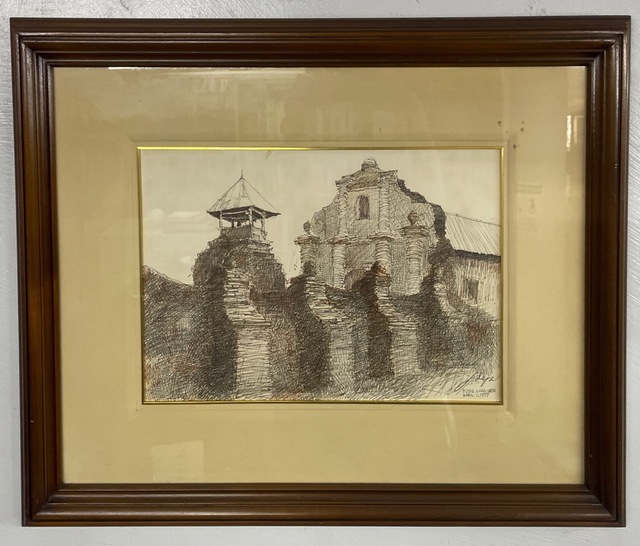
Best known for his lushly-colored abstract expressionist paintings, Jose Joya wasn’t just a national artist: he was also a former student and later a Dean of UP’s College of Fine Arts. Today, the Joya Collection in the college’s library houses many items from the artist’s own personal collection. This includes not just unique books, but also personal papers and even sketches and ink drawings by the artist.
Located in the College of Fine Arts Library, Bartlett Hall, Jacinto St.
3. Early Artworks by Elmer Borlongan
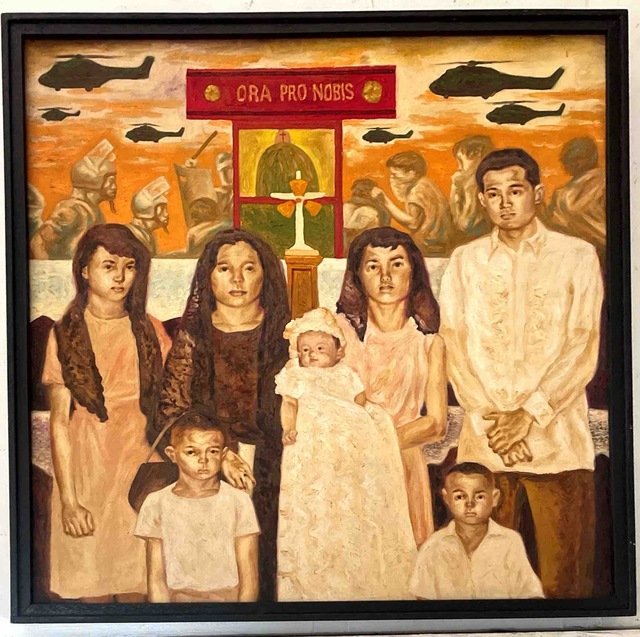
If you’re a fan of the local art scene, you may have noticed that many esteemed artists today once studied at the UP College of Fine Arts—which actually has a collection of artworks by alumni displayed on rotation. While you will find one or two works by Bencab and the late Leo Abaya here (Leo was also a beloved teacher in the college), it also has very early paintings by the expressionist Elmer Borlongan (who you may be familiar with from his pieces at the Met Museum and Pinto Art Museum), offering a rare look at his formative years.
Located in the College of Fine Arts Library, Bartlett Hall, Jacinto St.
4. The Philippine Archaeology Collections
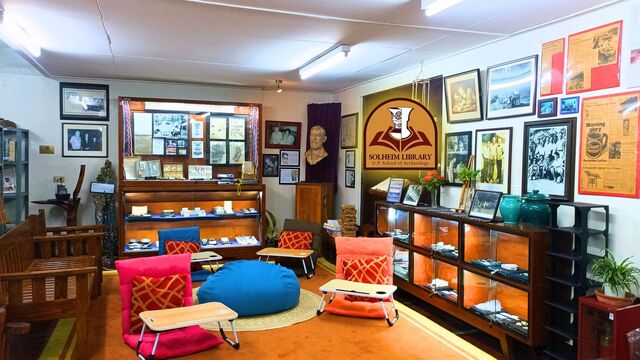
Many of us had dreams of becoming Indiana Jones-style archaeologists as kids, and if you’ve ever wanted a taste of the alternate universe where you became one, the perfect place to start is the School of Archaeology’s Solheim Library. This space is named after Dr. Wilhelm G. Solheim II, a renowned scholar of Philippine and Southeast Asian archaeology—and a large portion of his own personal collection is here today. Alongside books and journals, you will find archaeology projects of students. In an adjacent room, you can view artifacts from all over the country. While you are here, don’t forget to also say hello to the School of Archaeology’s resident cat Leni and emotional support dogs Bruno and Brownie.
Located in the Solheim Library, Albert Hall, Lakandula St. cor E. Jacinto St.
5. The Radical Papers Collections
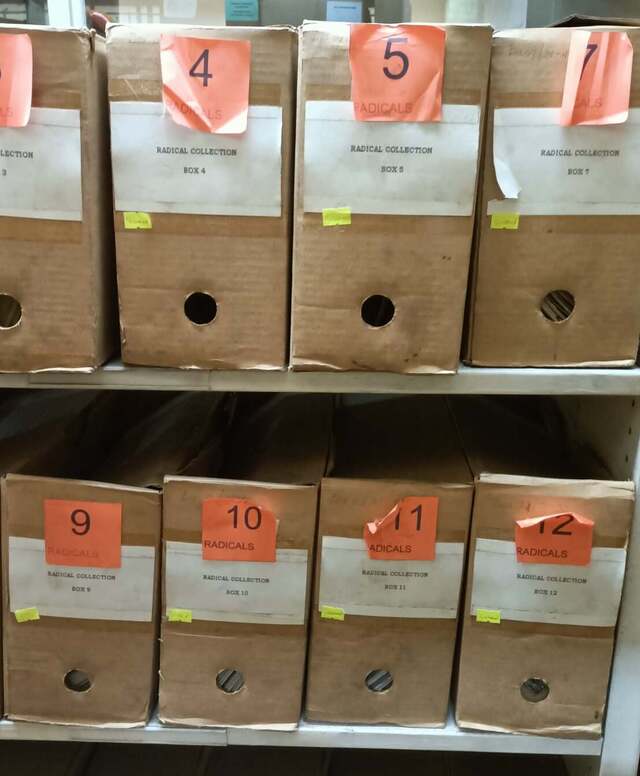
During the Martial Law years, students would avoid getting caught with sensitive reading materials by abandoning rally and symposia brochures and leaflets on reading tables at the UP Main Library. Instead of being thrown out, these materials were hidden and locked up in two steel cabinets for nearly 30 years until they finally came to light in 1996. Today, the collection—which also includes the speeches and letters of Senator Benigno Aquino Jr., as well as documents from groups like the New People’s Army and Communist Party of the Philippines—has been preserved, and together paint a unique picture of some of the darkest hours in Philippine history.
Located in the Special Collections Section, temporarily in the Environmental and Energy Engineering Building, T. H. Pardo de Tavera St. (in front of the Executive House).
Also read: 10 Libraries in Manila That Are Open to The Public
6. Royal Decrees by King Carlos III of Spain (1789)
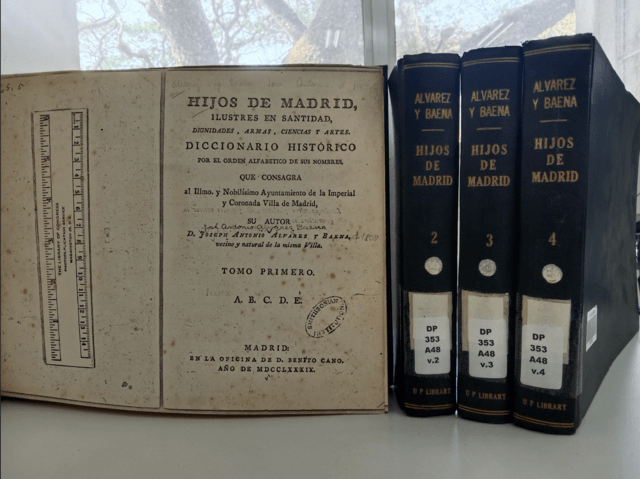
When we think of libraries, it’s not uncommon to find very old books in circulation—but royal decrees first published in 1789? It’s actually more likely than you think. Written entirely in Spanish, the “Real cedula de su Magestad…” contains two royal decrees by King Carlos III of Spain about land ownership by the clergy and the creation of Provincial and Government boards to deal with the sale of these lands. This is the oldest published material you’ll find in the College of Social Sciences and Philosophy Library—and though it shows some damage from pests, you’ll find it’s still completely readable!
Located in the College of Social Sciences and Philosophy (CSSP) Library, temporarily in the Environmental and Energy Engineering Building, T. H. Pardo de Tavera St. (in front of the Executive House).
7. T.H. Pardo de Tavera’s Contribución para el estudio de los antiguous alfabetos Filipinos (1884)
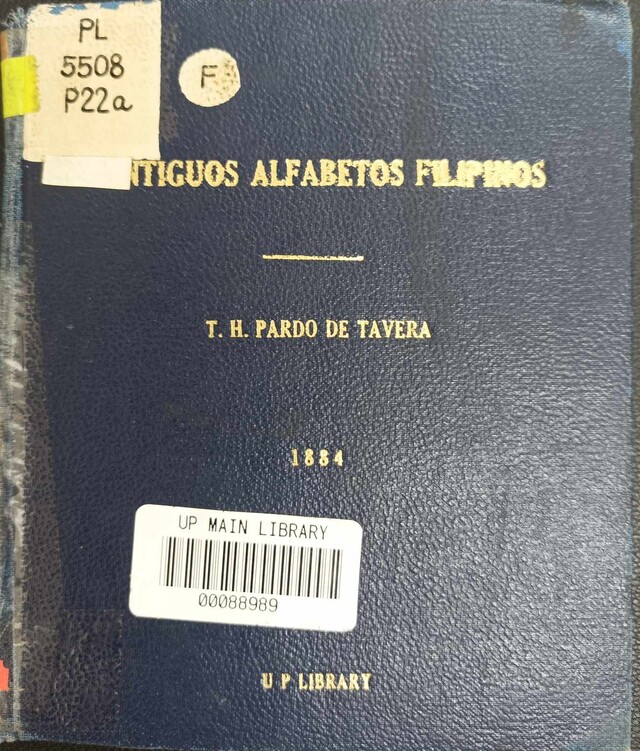
Today, you’ll find ancient Filipino script baybayin everywhere from t-shirts to tattoos, but there was a time baybayin sightings and information on the ancient script were much more scarce. A personal friend of Jose Rizal and a fellow reformist, Trinidad Pardo de Tavera was behind one of the early writings on baybayin. In “... Antiguos Alfabetos Filipinos,” he tries to understand the origins of the script by examining its grammar, composition, and similarities with other languages in Southeast Asia—and there are very few copies of it that you’ll find in good condition.
Located in the Filipiniana Books Section, temporarily in the Environmental and Energy Engineering Building, T. H. Pardo de Tavera St. (in front of the Executive House).
8. Japanese Occupation Papers
Despite being so recent, our brief occupation by the Japanese during World War II is a period of Philippine history not often discussed—and the UP Library's prized set of documents from that era makes it a unique place to learn more about it. The collection includes not just official circulars, and executive orders from the period, but also propaganda materials, posters, and personal correspondence of Filipino leaders with Japanese officials.
Located in the Special Collections Section, temporarily in the Environmental and Energy Engineering Building, T. H. Pardo de Tavera St. (in front of the Executive House).
9. The Statue and Bust of Nicanor Abelardo
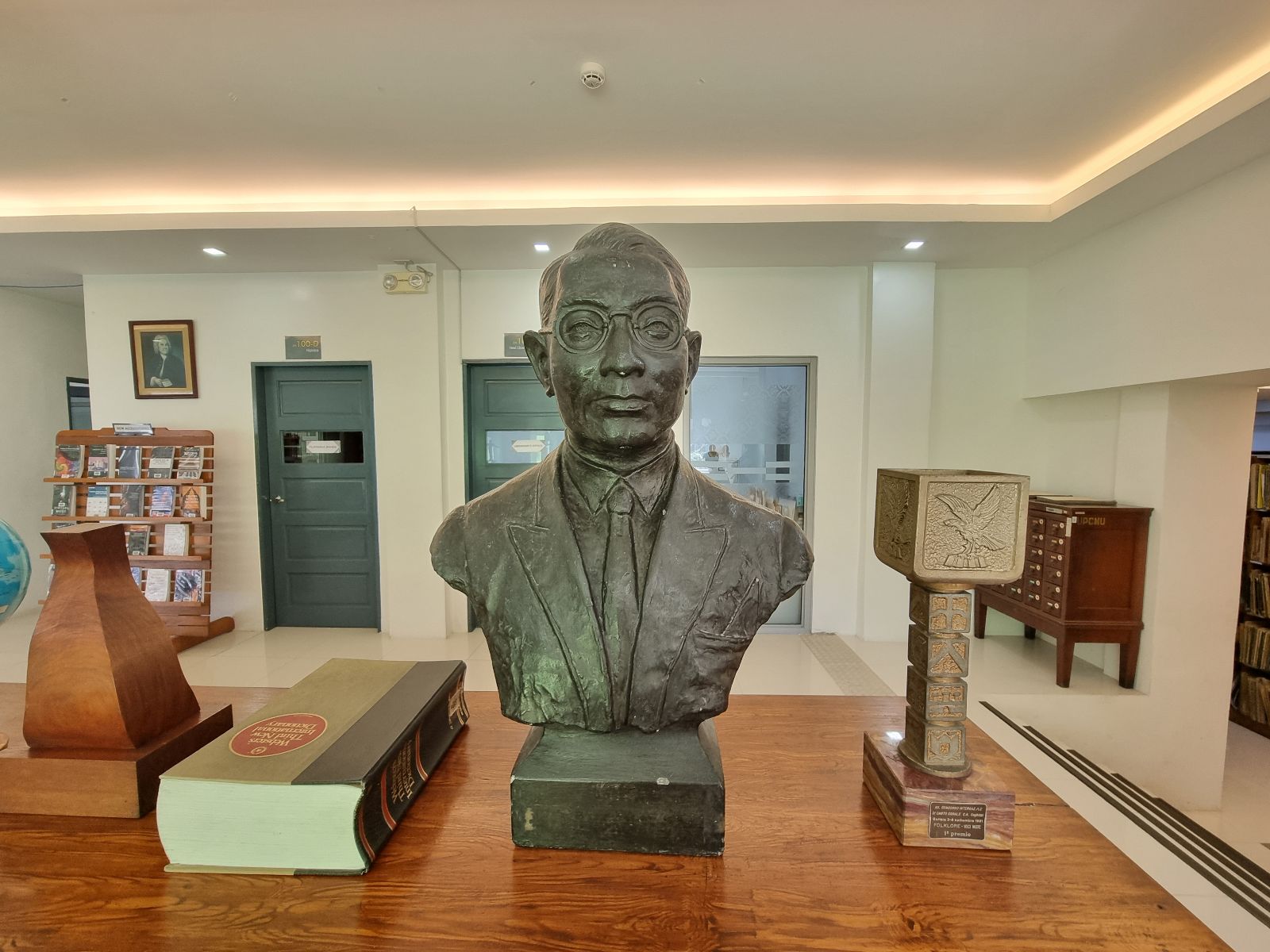
Did you know that the university hymn “U.P. Naming Mahal” was actually created by a National Artist for Music? Considered one of the greatest musicians in Philippine history, composer Nicanor Abelardo helped define the sound of the smooth-flowing Filipino love song, or kundiman. Today, two of the few figures of Abelardo stand witness to the journeys of students in the College of Music, and they’ve been there since 1963. One statue stands outside in the Camerata Garden, and the other is located at the college’s library—which contains many of Abelardo’s works, including sonata, concerti, and chamber music.
Located in the College of Music Library, Jose Maceda Hall, Osmeña Avenue.
10. Landa Jocano’s Philippine Prehistory: an Anthropological Overview of the Beginnings of Filipino Society and Culture (1975)
When we used to talk about Philippine history, discussions often revolved around the fact that our country was colonized for centuries. That is, until an anthropologist named Felipe Landa Jocano changed the game with his writings about the Philippines’ pre-Spanish origins. Published in 1975, “Philippine Prehistory: an Anthropological Overview…” was Jocano’s first landmark work discussing prehistory. As you can imagine, copies of this book are extremely difficult to come by today—making the well-preserved one located in the University Asian Center Library an excellent opportunity to learn more about pre-colonial Philippines.
Located in the Asian Center Library, GT-Toyota Asian Cultural Center, Magsaysay cor. Katipunan Ave.