

Precolonial Surigao Treasures Get Reunited in Ayala Museum
These gold treasures aren't a myth.
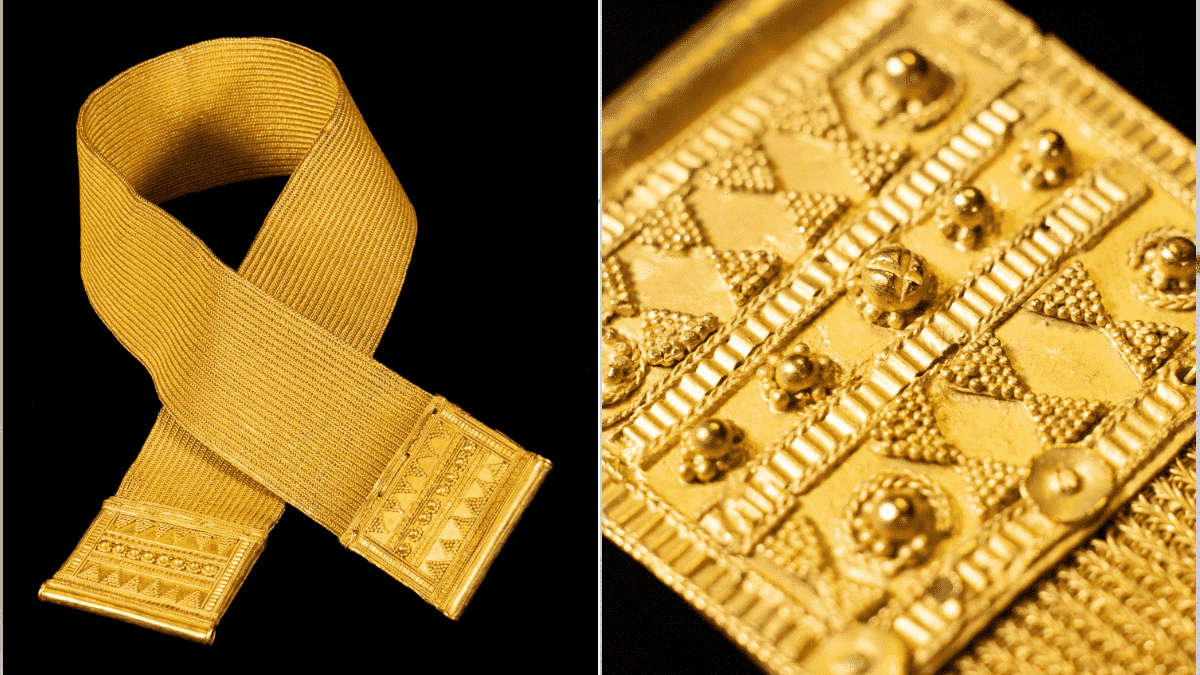
(SPOT.ph) The country's two "preeminitent pre-colonial god collections" came together recently when Ayala Museum unveiled its latest exhibition called Reuniting The Surigao Treasure. The show brought in select goldworks from the Bangko Sentral ng Pilipinas—38 priceless items in all—to join what is easily the Ayala Museum's most popular permanent attractions: its display of precolonial gold which amounts to over 1,000 artifacts.
The gold items are originally from Surigao del Sur, and once collectively known as the Surigao Treasures. The pieces from the Ayala Museum at least date back to the 10th and 13th century, all gleaming proof that our string of islands was home to sophisticated cultures even before we were colonized by the West.

The discovery of the Surigao Treasures
The gold items were by chance discovered by a worker in an irrigation project in Sitio Magroyong, Barrio San Miguel, Surigao del Sur. One Edilberto Morales, according to the Ayala Museum, "unexpectedly unearthed golden objects scattered along a 100-meter stretch of landfill quarried from a nearby mountaintop." Mang Berto's loot included various valuables as domestic objects like bowls and bodily ornaments such as wristwraps, waistbands, bangles and neck pieces.
The April 1981 discovery of the treasures by Mang Berto, said to be an operator of heavy machinery, sparked a gold rush that lasted until July of the same year, making Sitio Magroyong a magnet for various collector types, dealers and treasure hunters.

A glimpse at 'Reuniting the Surigao Treasure' exhibition
Underscoring the show's importance is the length of its run: Reuniting The Surigao Treasure opened May 17 and will be on display for three years, or up to 2027. Among the highlights of the exhibition is a balance scale which, according to the Ayala Museum who owns the piece, likely belonged to an affluent trader, and a gold weighing scale pan from the BSP. Other remarkable objects from the Bangko Sentral include a 4.5-meter-long kamagi chain consisting of 12 necklaces connected end-to-end and weighing almost 1.5 kilograms; gold bangles set with semi-precious stones; necklaces consisting of susô beads; and gold finials.
Pieces from the two separate collections when thrown together tell a more complete narrative—this is the idea behind the landmark show. According to the Ayala Museum, "This includes the reunion of a massive, four-kilogram gold chain believed to be a Hindu upavita, or sacred thread (Ayala Museum) with its pronged finial (BSP). Also reunited are intricately woven gold waistbands with seven complete belts from the BSP collection and several partial and complete sashes and buckles from Ayala’s collection. Together, they tell the story of power and opulence in the ancient polity of Butuan in northeastern Mindanao, where the elite could afford stunning accessories of gold."


"For the first time ever in the Philippines, these once-dispersed gold objects have finally come together in the exhibition Reuniting the Surigao Treasure here at Ayala Museum," said Mariles Gustilo, Senior Director of Ayala Museum, during the exhibition's launch. "Because of the collective effort between us and the Bangko Sentral ng Pilipinas, Filipinos young and old alike can visit, revisit, and marvel at these breathtaking objects, inspiring and reminding us of our country’s glorious precolonial past and what it says about us as a people."

The exhibit will run in Ayala Museum Makati for three years until 2027.
- Regular Admission (All Exhibitions): ₱650
- Discounted Rates (Senior Citizens, PWDs, Students, Children 12 and Below): ₱350
Keep in mind that an online reservation is required before your visit.