

Women in Sports Face Terrible Harassment. This is How I Took My Power Back
Ceej Tantengco-Malolos on the sexist comments her 'kilig' viral video attracted.
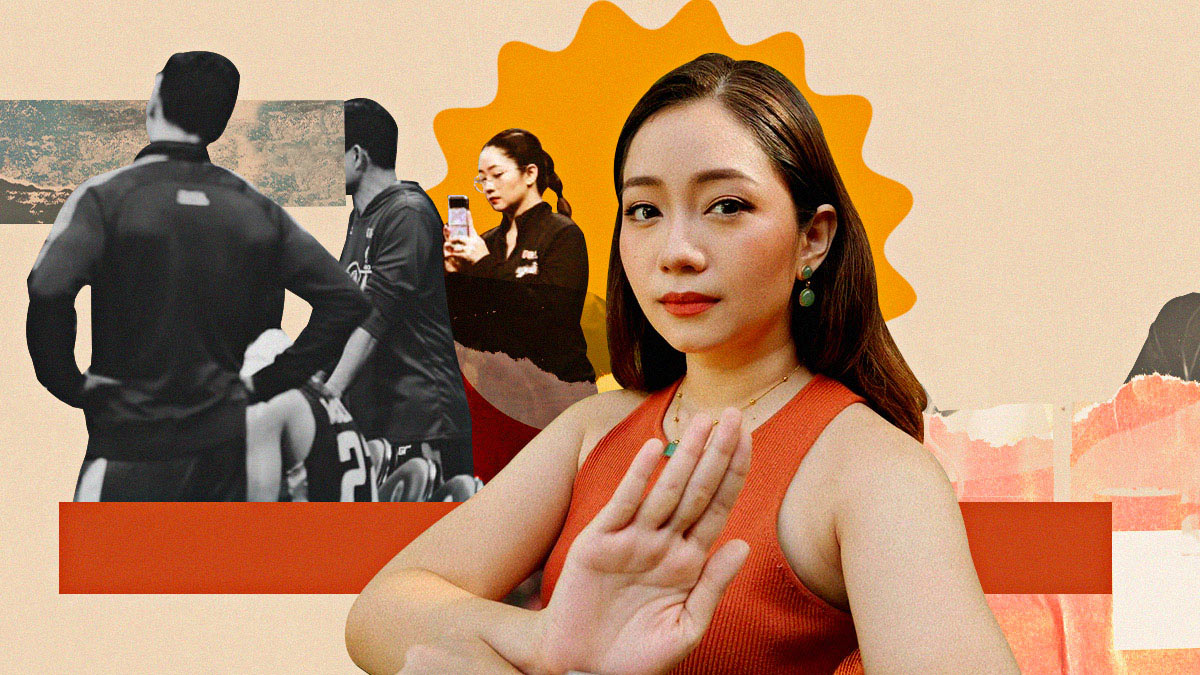
(SPOT.ph) If you were alone in the forest, would you rather run into a random bear or a random man? Like many women, I choose the bear. In fact, I would choose a shark, a snake, a scorpion, any wild animal. Because when a wild animal hurts us, it was just being a wild animal. But men have a choice. They can do better, but most of the time, they choose not to. And that’s worse.
I began working in the sports industry as a courtside reporter ten years ago— a male-dominated field that often seems to be several decades behind the conversation in gender equity and women empowerment. A petri dish of the male gaze, if you will.
Over the years I’ve worked to carve out a space for myself as a woman. In 2017, I combined my work experience in sports with a background in copywriting and design, to become one of the first professional social media managers in the PBA. I earned an Anvil Award for my first client, the NLEX Road Warriors, and since 2020, I’ve been working with the Meralco Bolts. On top of this, I’m the founder of the Go Hard Girls podcast — the first sports show in the Philippines focused on women athletes, which was recently nominated at the International Women’s Podcast Awards. Much of my work and advocacy is around closing the gender gap in sports.
My professional portfolio is my armor: my protection in an industry that is not built for women. And women like me need that armor, because even after all these years, we are not safe.
Over the weekend, I uploaded a video...
...that my husband took of me at a basketball game. He had been taking videos of me while I was working, and the reel shows me catching him being a stage husband, laughing and making him hold my water bottle before getting back to work.
The first comments were from women talking about how sweet it was, how nice it is to have a supportive partner, and how they liked the “kilig moment.” And then, the first sign of trouble: a man commenting with a peach emoji.
I hid his comment, but the men had found the reel. More came flooding in:
“Someone on that team is definitely hitting that.”
“She gets dribbled more than the basketballs on the court”
“All due respect to the husband, but gyaaatdang!”
“Poor guy. Wife is probably getting piped by the whole basketball team”
In a few hours, the video would gain millions of views, and I was furiously hiding comments from men from different parts of the world. My husband was also getting upset at strangers who were DM-ing him, telling him to “cover his wife.” (For the record, I was wearing the same long-sleeved uniform that the coaches and management wear, along with ankle-length sport leggings — not that any woman’s outfit makes her deserving of harassment, I’m just saying there’s literally nothing else to cover!)
Was this upsetting? Yes. Was I surprised? Not really.
Women who work in sports have been objectified for years — a reflection of a casually sexist society that celebrates male achievement and performance, while simultaneously treating women as objects and decoration. It wasn’t that long ago when courtside reporters regularly had men’s magazine covers and centerfold shoots styled to look like a locker room. It’s common practice for collegiate courtside reporters and athletes to be paired off in lifestyle and fashion photoshoots styled to look like dates. And at the worst extreme, PBA wives who come forward with allegations of domestic violence are cyberbullied and mocked online.
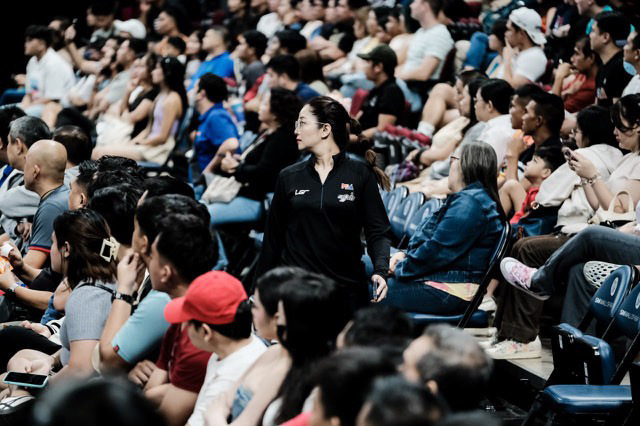
Working in sports looks glamorous, but if you’re a courtside reporter or any type of woman working in sports, people pester you about whether you’re dating an athlete — with the underlying assumption being that all women would want to do so. This doesn’t necessarily have to be a bad thing. We also ask office workers whether they would date a coworker.
But in the petri dish of sports, this mutates. As a rookie reporter, I was called “malandi” for wearing a skort to work. In the first year of my consultancy, one professional athlete called me “baby” instead of my name for a whole month, and another athlete told me I shouldn’t be in the dugout with the rest of the team because “it’s only a matter of time” that I would “ruin marriages.” And even now in 2024, strangers accuse me of sleeping with my teammates — which isn’t just disrespectful to me and my husband, but also to my co-workers and their partners too, who are also my friends. It’s also disrespectful to all women who want to work in sports.
So while I began by hiding the offensive comments, I realized that I had gained 15,000 followers over the weekend. Wouldn’t it be better if I use this bigger platform to talk about the issue? And if I just hid their comments, I’m actually insulating these toxic men from consequences.
That’s why I decided to unhide the comments...
...on the original post so others could see them, and with the encouragement of women like “Miss Chief Editor” Pola Del Monte, former DLSU basketball captain Marga Jimenez, and other women in sports, I created a follow-up video where I responded to the sexist comments. If these sexist men felt comfortable leaving those comments, then I suppose they shouldn’t mind if I broadcast their identities, too.
“And if you’re a new follower and you don’t see anything wrong with the things the men did on my post, just unfollow me. I don’t want you here,” I said. The moment I decided to create that video, I felt something shift in me. This was me taking back my page as my safe space, and reaching out to the people who I actually wanted to connect with: women.
Since posting the video, the flood of harassment has turned into a wave of support and solidarity. Women from all walks of life have sent messages saying that they’ve experienced something similar, and that it meant a lot to know they’re not alone. College friends I hadn’t heard from in years sending love and encouragement. Progressive men sharing the reel and calling on fellow men to stop behaving this way. (See! Men can be better.)

So whether you’re a woman working in sports, or a woman in any male-dominated industry, I hope that when you’re faced with a similar challenge, you don’t back down, either.
Here’s a secret the patriarchy doesn’t want you to know: The men who need to disrespect women to feel like a man, they’re the fragile ones. As long as you keep showing up and speaking up, they’ll never break you.
Ceej Tantengco-Malolos is the founder of the Go Hard Girls podcast and a communications consultant for the Meralco Bolts. She is also the author of the children’s book The ABC’s of Pinoy Basketball, and was recognized at the Society of Publishers in Asia Awards for Excellence in Reporting on Women’s Issues.
Also read: We're Tired of the Yulo Family Drama, But Most of All the Chloe Hate