

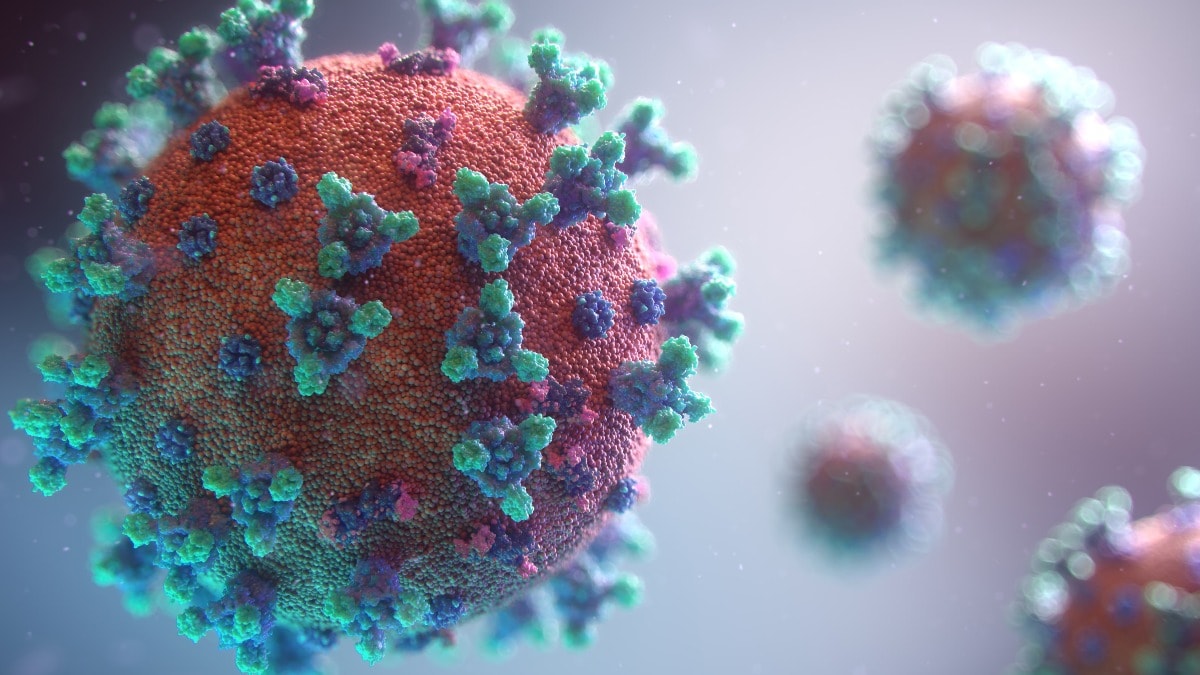
As the coronavirus spreads around the world, it is mutating into new strains.
Researchers from the London School of Hygiene and Tropical Medicine (LSHTM) have discovered several mutations after studying 5,349 coronavirus genomes from 62 countries, while scientists from Arizona State University (ASU) have identified a mutation similar to a change from the 2003 SARS outbreak. Meanwhile, the UAE reports 70 mutations from the two strains of the coronavirus in the country.
Mutations in viruses are normal. When a virus replicates itself in a human cell, it sometimes makes little errors in copying its genetic code. These alterations, which changes the way the virus behaves, are then carried over in new generations. Most times, the changes don’t cause harm but when compounded, they can result in a deadlier virus.
The mutations can become critical when they happen too fast or result in a change that makes the virus more effective. A virus that mutates quickly or alters its behavior in a way that makes it more potent or infectious will render a newly deployed vaccine ineffective.
According to Medical News Today, after conducting next-generation sequencing, ASU researchers discovered that 81 letters in the virus’ genome had been deleted—a change that is similar to the mutation of the 2013 SARS outbreak. While the particular deletion has been shown to weaken the virus, it also affects the production of a protein that scientists believe “is key to helping SARS-CoV-2 evade human defenses, allowing it to replicate quickly.”
Meanwhile, the LSHTM researchers have identified changes in the “spike” protein in two coronavirus mutations, according to The Guardian. This particular protein is what the coronavirus uses to invade human cells. The paper also reports similar findings in a preliminary study by the Sheffield University and Los Alamos National Laboratory in New Mexico.
“People are making vaccines and other therapies against this spike protein because it seems a very good target. We need to keep an eye on it and make sure that any mutations don’t invalidate any of these approaches,” says Martin Hibberd, professor of emerging infectious diseases and a senior author on the study to The Guardian
The ASU research has been published in the Journal of Virology, while the LSHTM research is yet to be peer-reviewed and published. Right now, several countries are racing to create a vaccine for COVID-19, and these new findings about how the coronavirus is changing may be key to developing an effective solution.
COVID-19 has infected 4.1 million people and caused more than 280,000 deaths worldwide.