

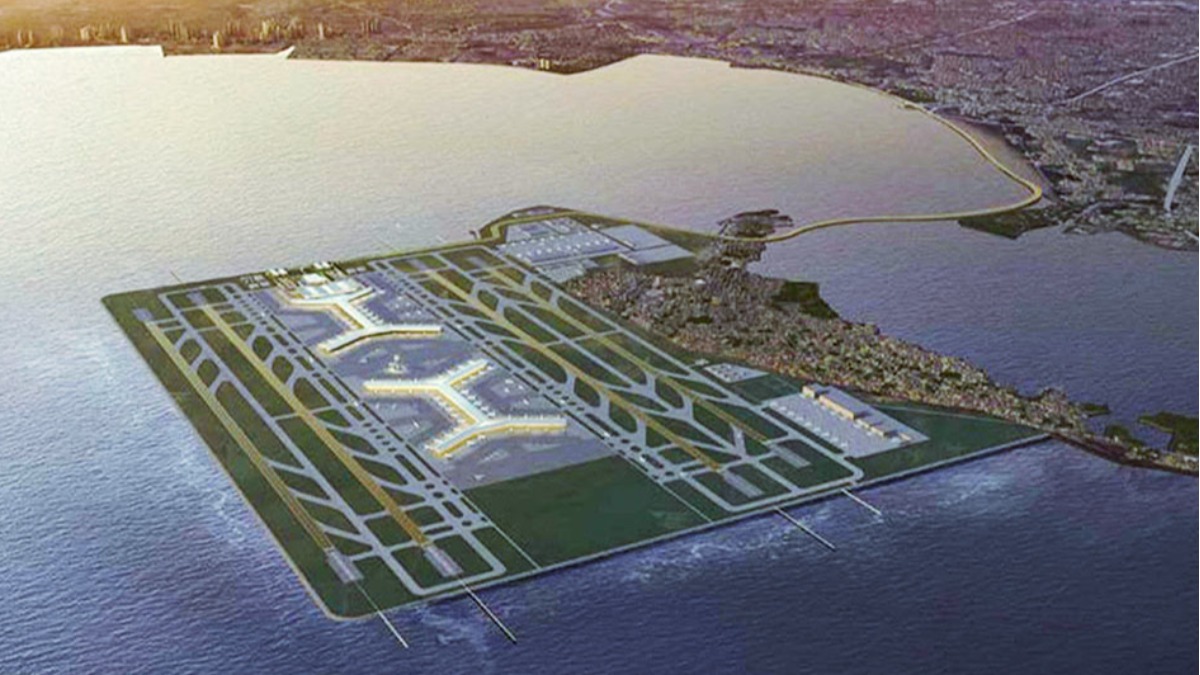
All projects involving Chinese firms in the Philippines will continue, regardless of their blacklisting by the U.S. over Beijing's moves in the South China Sea, Malacanang said Tuesday. This includes the Sangley International Airport south of Manila.
With this stand, the Philippines is showing that it "we are not a vassal state of any foreign power and we will pursue our national interest," Presidential Spokesperson Harry Roque told reporters.
"I will be categorical, Sangley project will continue. All other projects involving Chinese companies that are banned in the US can continue in the Philippines," he said. Its contractor is China Communications Construction Co or CCCC has partnered with taipan Lucio Tan's MacroAsia for the terminal that is envisioned as among alternatives for the overburdened NAIA.
READ ALSO:
Angry Mayor Isko Shuts Down 'Manila, Province of China' Store
That's Illegal, China: Philippines Files Fresh Diplomatic Protest
China's Sea Claim is 'Fabricated': Defense Chief Claps Back at Beijing
The U.S. blacklisting came as Manila and Beijing traded allegations of provocations in the South China Sea, where the Chinese have built massive structures over reefs and outcrops, ignoring the Philippines' legal victory before a UN-backed arbitration court.
President Rodrigo Duterte has refused to flaunt the UN tribunal's ruling and instead sought to pivot the country's foreign policy away from its treaty ally, the U.S., and closer to China and Russia.
READ ALSO:
Make Vaccines, Not War: Duterte Seeks Xi Help on COVID-19
What's Next for the Philippines' Vaccine Search? (Russia Says It Has One)
Since Duterte's foreign policy shift, more Chinese firms have invested in the Philippines. China Telecom has partnered with businessman Dennis Uy to form DITO, the third telco force to rival Globe Telecom and Smart Communications.