

Heavy Traffic? Mobility Is a Sign of "Booming" Economy, Marcos’ Adviser Says
Do you agree?
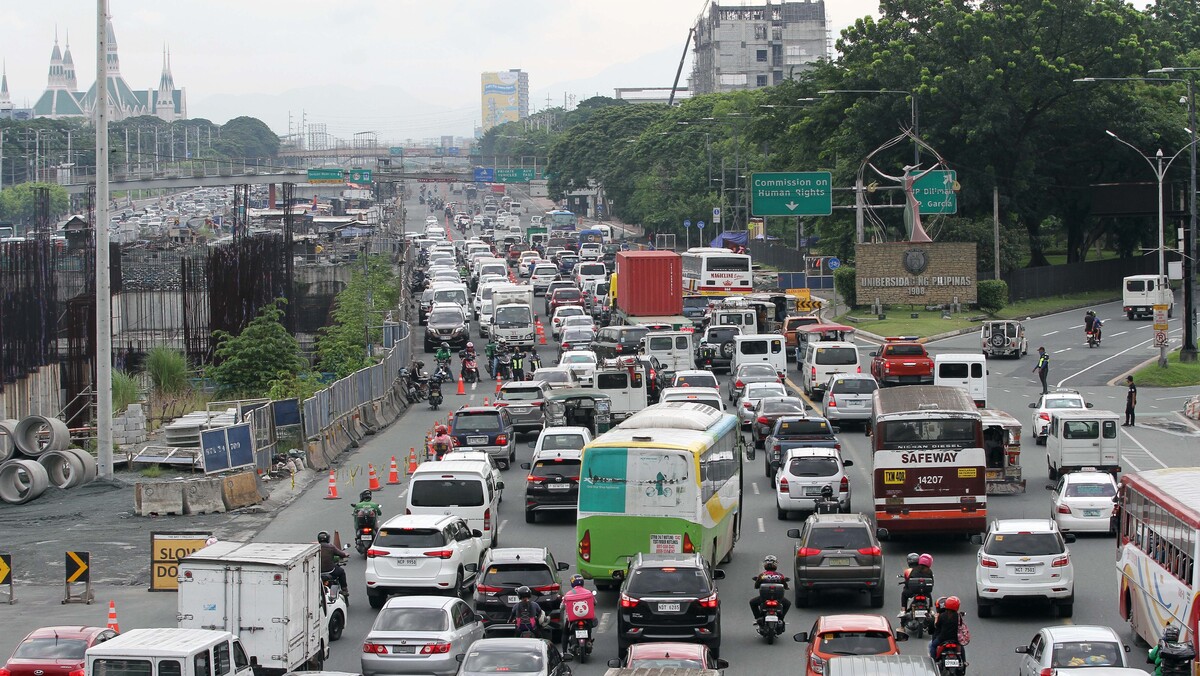
(SPOT.ph) Feeling frustrated with the never-ending heavy traffic situation in the Philippines? Here’s a different take from one of President Ferdinand “Bongbong” Marcos Jr.’s advisers who claimed that heavy traffic is an indicator of a thriving economy.
Go Negosyo founder Joey Concepcion III likened the Metro Manila gridlock to his recent trip in Indonesia, a country that is facing similar traffic woes. He said Indonesia’s economy is booming “because there’s so much mobility.”
“The more mobility you have, the more spending. When you go to a country and you see there’s a lot of people moving—traffic and all of that—that means there’s a lot of economic activity. If the streets are empty, it means the economy is not moving,” Concepcion said in an interview with One Balita Pilipinas on August 23.
“To me, signs of economic boom is when everybody is just busy. Of course you have traffic. There’s traffic all over the world in areas that the economy is really booming… I think that’s what we want to see in our economy.”
Concepcion is part of the Private Sector Advisory Council, a group of industry experts advising Marcos on several aspects of the economy. He is also a member of Department of Trade and Industry's Micro, Small and Medium Enterprise Development Council tasked to represent Luzon, and is the president and chief executive of listed food and beverage company RFM Corp.
He was also the 41st in Philippines 50 Richest in 2020 according to Forbes, with a net worth of U.S. $174 million (P9.8 billion).
Also read: With This Traffic, Is it Time You Finally Try a Motorcycle Taxi?
Is traffic good for the economy?
Concepcion’s viewpoint of traffic as economic prosperity ties into his vocal support for a traditional, onsite office setup. Employees who work from home spend less on food and transportation, which he claimed would slow the economy.
He said that having no mobility will result in “very weak consumer spending.”
“I’m not pushing that we reject work-from-home... What I’m trying to drive at is our economy is at its most crucial… now that we’re recovering, moving to a much better scenario,” Concepcion said. “We’re getting there but not quite there yet. We need that momentum.”
Metro Manila continues to have one of the worst traffic congestions in the world, with TomTom Traffic Index placing us at the ninth rank for the longest wait time to travel ten kilometers in the city in 2022. Another report by Statista found that Filipinos spend over 100 hours on the road annually during rush hour.
Japan International Cooperation Agency has also reported that the daily economic cost of traffic congestion in Metro Manila is at P3.5 billion due to lost opportunities. This is expected to rise to P5.4 billion per day by 2035.
Also read: Can Cable Cars Cure Metro Manila's Traffic Misery?