

CAAP Hikes Passenger Fee to P900 for International Flights
Here are the airports where the new fees apply.
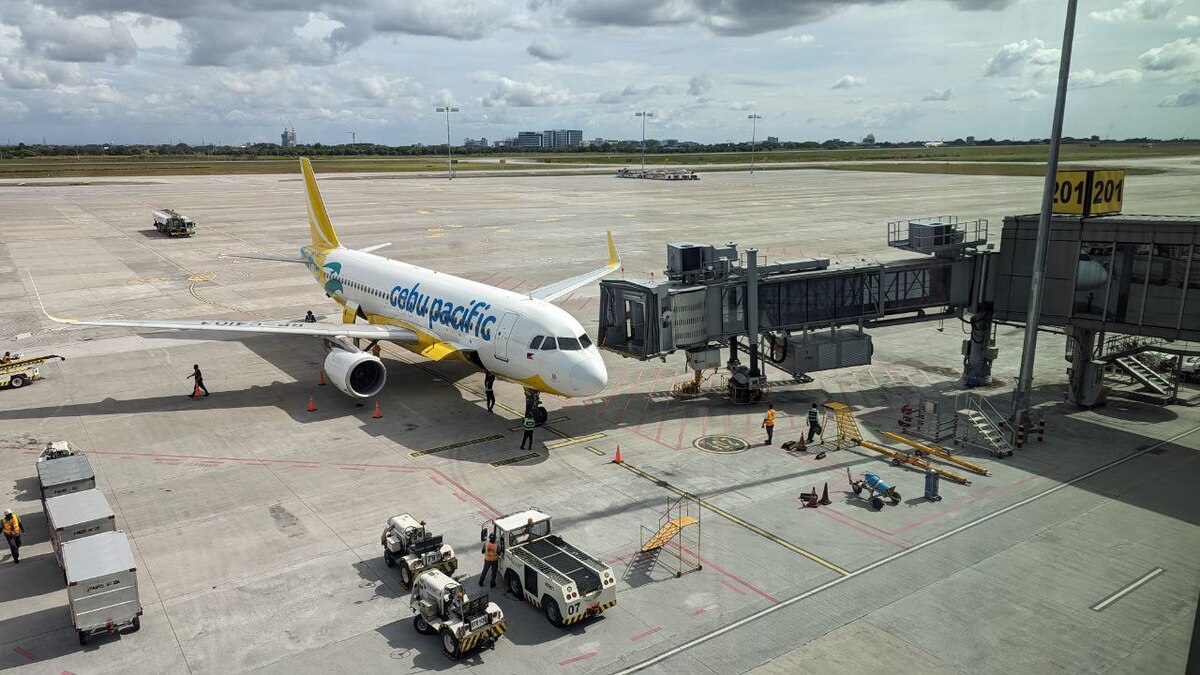
(SPOT.ph) Flying out of the country from several Philippine airports just got more expensive. The Civil Aviation Authority of the Philippines (CAAP) has begun implementing higher passenger service charges (PSC) at all CAAP-operated airports in the country.
CAAP announced in a new memo that passengers who purchased international flight tickets on or after April 21, 2025 will now be charged a P900 PSC. That’s quite a jump from the old P784 fee that’s been in place for nearly a decade.
Domestic passengers will also see adjusted rates depending on the classification of the airport they are departing from: P350 for international airports, P300 for Principal Class 1 airports, P200 for Principal Class 2 airports, and P100 for community airports. Meanwhile, all of CAAP’s 35 community airports remain free of charge for international flights.
“The adjustment supports CAAP’s efforts to enhance passenger experience and improve airport facilities and operations. The agency is committed to delivering safe, efficient, and high-quality aviation services nationwide,” CAAP said in a press release.
However, there are a few people who are exempt from the PSC. Transit/layover passengers, individuals denied entry, and children under two years old at the time of departure will not be charged. The same applies to Overseas Filipino Workers (OFWs), but only for international flights.
Also read: It’s Official: NAIA Terminal Fees Are Set to Soar by September
Which Philippine airports will see increased passenger fees by CAAP?
Now the question on everyone’s minds.
The CAAP currently operates five international airports: Davao International Airport, Iloilo International Airport, Kalibo International Airport, and Laoag International Airport, and Puerto Princesa International Airport. These are the airports where the P900 passenger fee will apply for international flights.
Privately operated airports—including Ninoy Aquino International Airport (NAIA), Mactan-Cebu International Airport (MCIA), Clark International Airport, Caticlan Airport, and Laguindingan Airport—are not covered by the new rates, as they fall outside CAAP’s jurisdiction.
You can check out CAAP's Principal Class I and Principal Class II airports below. This information was gathered from CAAP’s official website, but it's worth noting that this list of airport classifications may have changed or expanded since its last update.
International
- Laoag International Airport
- Puerto Princesa International Airport
- Iloilo International Airport
- Kalibo International Airport
- Davao International Airport
Principal Class I
- Tuguegarao Airport
- Cauayan Airport
- San Jose Airport
- Legazpi Airport
- Naga Airport
- Bacolod-Silay Airport
- Roxas Airport
- Bohol-Panglao International Airport
- Dumaguete Airport
- Tacloban Airport
- Catarman Airport
- Pagadian Airport
- Zamboanga Airport
- Dipolog Airport
- Laguindingan Airport
- Ozamis Airport
- General Santos International Airport
- Cotabato Airport
Principal Class II
- Baguio Airport
- Basco Airport
- Sangley Airport
- Romblon Airport
- Marinduque Airport
- Busuanga Airport
- San Vicente Airport
- Cuyo Airport
- Virac Airport
- Masbate Airport
- Antique Airport
- Calbayog Airport
- Ormoc Airport
- Jolo Airport
- Camiguin Airport
- Siargao Airport
- Surigao Airport
- Tandag Airport
- Butuan Airport
Community airport
- Vigan Airport
- Lingayen Airport
- Rosales Airport
- San Fernando Airport
- Palanan Airport
- Itbayat Airport
- Bagabag Airport
- Plaridel Airport
- Baler Airport
- Iba Airport
- Alabat Airport
- Jomalig Airport
- Lubang Airport
- Calapan Airport
- Mamburao Airport
- Pinamalayan Airport
- Wasig Airport
- Casiguran Airport
- Daet Airport
- Bacon Airport
- Bulan Airport
- Siquijor Airport
- Ubay Airport
- Batayan Airport
- Massin Airport
- Borongan Airport
- Biliran Airport
- Guiuan Airport
- Hilongos Airport
- Catbalogan Airport
- Siocon Airport
- Ipil Airport
- Liloy Airport
- Cagayan de Sulu Airport
- Iligan Airport
- Wao Airport
- Malabang Airport
- Mati Airport
- Mlang Airport
- Allah Valley Airport
- Bislig Airport
Also read: Skip the Lines: You Can Now Pay for Travel Tax Online in Less Than Two Minutes