
The SPOT.ph Guide to Credit Cards
Tips and tricks on how to best use your credit card.
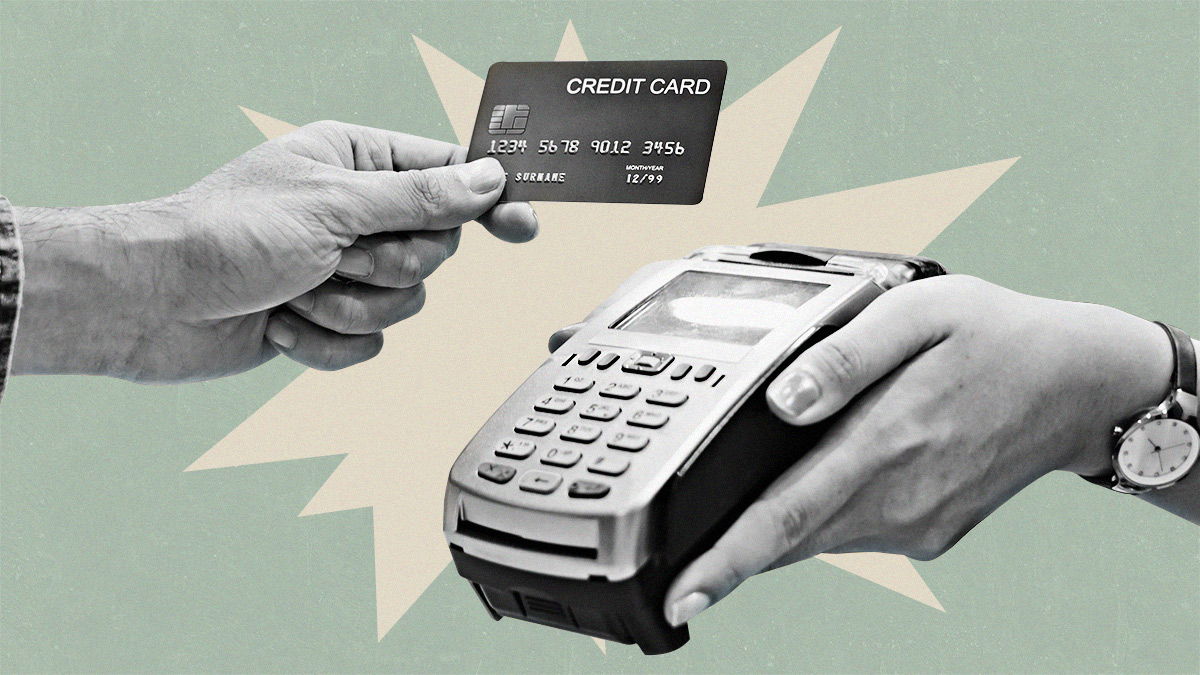
(SPOT.ph) A credit card can be a powerful tool that helps you manage your finances and is an essential part of your adulting must-haves. Learning how to use it optimally can help you build good credit, save money on interest payments, and even help with budgeting. Let’s take a quick look at what it is, how it can help you, and other aspects of this rectangular plastic that can help you gain access to a whole lot of financial possibilities.
What is a credit card?
A credit card is a type of payment system that allows you to borrow money from a financial institution. The bank or lender pays the merchant or service provider directly. On the other hand, you repay the lender with interest. Your credit limit, or the maximum amount of money you can borrow at a time, is determined by the credit card issuer.
Benefits of Having a Credit Card
Credit cards have many uses and benefits. Some of the main ones include:
- The ability to purchase items without carrying cash
- Establishing a credit history and improving your credit score that can prove your ability to pay on time
- Earning rewards for purchases in the form of points or cashback
Types of Credit Cards
Rewards Credit Cards
Rewards credit cards come with benefits such as cashback, airline miles, hotel points, and more. You can earn these for different types of purchases. They can also be redeemed for a variety of rewards.
Travel Credit Cards
Travel credit cards offer special benefits, such as discounts on airfare, complimentary upgrades, and travel insurance. They are ideal for frequent travelers who want to get the most out of the deals that the participating merchants offer.
Secured Credit Cards
Secured credit cards are designed for people with limited or no credit history. They require a security deposit, which is used as collateral for the account. Secured cards can help build credit over time.
Cashback Credit Cards
Cashback credit cards offer rewards in the form of cashback and can be used for transactions, such as paying bills or redeeming points for gift cards.
Low-Interest Credit Cards
Low-interest credit cards offer low-interest rates on purchases, balance transfers, and cash advances. They are ideal for people who want to reduce the cost of their debt or save on interest charges.
Prepaid Credit Cards
Prepaid credit cards are pre-loaded with money and can only be used for purchases up to the amount loaded on the card. They can be helpful for budgeting, but they don't help build your credit score.
Balance Transfer Credit Cards
Balance transfer credit cards offer low-interest rates for a limited time on balance transfers from other cards. They are ideal for people who want to save money on interest and pay their debt faster.
Student Credit Cards
Student credit cards are designed for students and offer rewards and low-interest rates. They are a great way for students to build a credit history if they don’t get tempted to overspend.
Understanding Credit Card-Related Terms
Annual Percentage Rate
The Annual Percentage Rate (APR) is the annualized interest rate you will pay if you carry a balance or take out a cash advance. This is based on the interest rate, and it can vary depending on the type of credit card.
Credit Limit
A credit limit is the maximum amount of money you can charge on your credit card. The credit limit is set by the issuer, and you cannot spend more than the set limit.
Credit Utilization
The credit utilization ratio is the amount of credit you’re using in relation to the total amount of available credit. The ratio is calculated by dividing the total amount of debt by the total amount of available credit.
Minimum Payment
The minimum payment is the amount of money you must pay each month to avoid late fees. This is usually a set percentage of the balance and can vary depending on the issuer.
Grace Period
The grace period is the amount of time between the end of the billing cycle and the due date for payment. During the grace period, no interest is charged for purchases. It can vary depending on the issuer.
Penalty Fees
These are fees incurred for late payments or exceeding the credit limit. Penalties vary by issuer, and they can be costly if they accumulate.
Credit Score
A credit score is a numerical representation of your creditworthiness, based on your past credit history. A good credit score will make it easier to qualify for loans and get better rates.
Balance Transfer Fee
A balance transfer fee is a fee charged when you transfer a balance from one credit card to another. Balance transfer fees are typically a percentage of the transfer amount.
Cash Advance Fee
A cash advance fee is a fee charged when you use your credit card to get a cash advance. Cash advance fees are typically a percentage of the advance amount.
How to Choose the Right Credit Card
Identify your needs
Consider what you want to use the card for, such as everyday purchases or travel. Then, take note of the features the card offers, such as rewards programs and low-interest rates.
Evaluate the offers
Compare the features of different cards, such as annual fees, interest rates, rewards programs, and credit limits. Make sure to read the fine print and understand the terms and conditions before making a decision.
Understand the costs
Consider the annual fee, interest rates, balance transfer fees, and cash advance fees. Make sure that the benefits of the card outweigh the costs.
Find out the credit score requirements
Check your credit score to make sure you meet the qualifications before applying.
Take note of fees and charges
Pay attention to any late payment fees and annual fees. Make sure you understand any other fees that may apply as well. Ask and probe for possibilities of payment waivers and hidden charges as much as possible.
Know the rewards programs
Many credit cards offer rewards programs, such as cashback and airline miles. These can be valuable if you make everyday purchases, so compare the different programs to find the one that best suits your needs.
Take advantage of sign-up bonuses
Many credit card companies offer sign-up bonuses in the form of cashback or rewards points. As in rewards programs, compare the offers to make sure you get the best deal.
Common Mistakes to Avoid When Applying for a Credit Card
When applying for a credit card, it's important to avoid these certain mistakes:
- Applying for too many credit cards at once and losing some of them in the process
- Applying for a card with a high annual fee
- Not reading the terms and conditions
- Not considering the credit limit
- Not knowing your credit score
- Not comparing rates and offers
- Not understanding all the fees and charges
- Not researching the rewards program
- Not utilizing sign-up bonuses
- Not budgeting or being mindful of spending
Tips and Tricks on Using Your Credit Card
Budget and plan your payments
Make sure you are able to keep up with the payments and do not swipe more than you can afford.
Pay on time
Paying late or skipping payments can have a negative impact on your credit score and may even result in penalties and interest.
Avoid fraud
When using your credit card, make sure to protect your information and avoid fraud. Do not provide your personal or card information over the phone or online without verifying the company is reputable.
Track your expenses
Keep track of your spending to ensure you are on track with your budget. Some credit cards allow you to set up a budget or monitor spending, which can be a helpful tool in managing your finances.
Avoid high-interest debt
If you carry a balance on your card, make sure to pay it off as quickly as possible to avoid high-interest debt. Consider exploring options such as balance transfers to reduce the interest rate.
Monitoring Your credit score
Keep an eye on your credit score to make sure it stays in good standing. Monitor your credit reports for inaccuracies and dispute any errors you may find.
Redeem your points
If your card offers rewards points, make sure to keep track of them and redeem them when they reach a certain balance.
Last Words on Using Your Credit Card
Credit cards can be a great financial tool, but it is important to choose the right one for your needs. Consider the features and rewards offered by each card to find the best one for you. Be sure to read all of the fine print in the terms and conditions and understand the fees and interest rates before applying. Once you find the right card, use it responsibly to reap the benefits.
Also read:
Adulting 101: How to Apply for Your First Credit Card
How to Use Your Credit Card Points to Redeem Sweet Rewards