

The Bea Zobel Many Didn't Know
Jomar Fleras, former scholar of the Ayala family matriarch, on Mrs. Zobel's lesser known side.

(SPOT.ph) Doña Beatrice “Bea” Zobel de Ayala was an influential figure in my life, so I made sure I could say goodbye one last time. Of course I wasn’t the only one who wanted to bid farewell. By the time I arrived at the memorial service at just past eight in the morning, Santuario de San Antonio was already filled with people.
I didn’t see flowers except for one korona, which seemed to have been left over from a previous memorial service because it was tucked in one corner. Beside the austere urn was a beautiful flower arrangement. What struck me was the simplicity of the set up, which is how I imagine Doña Bea would have preferred it.
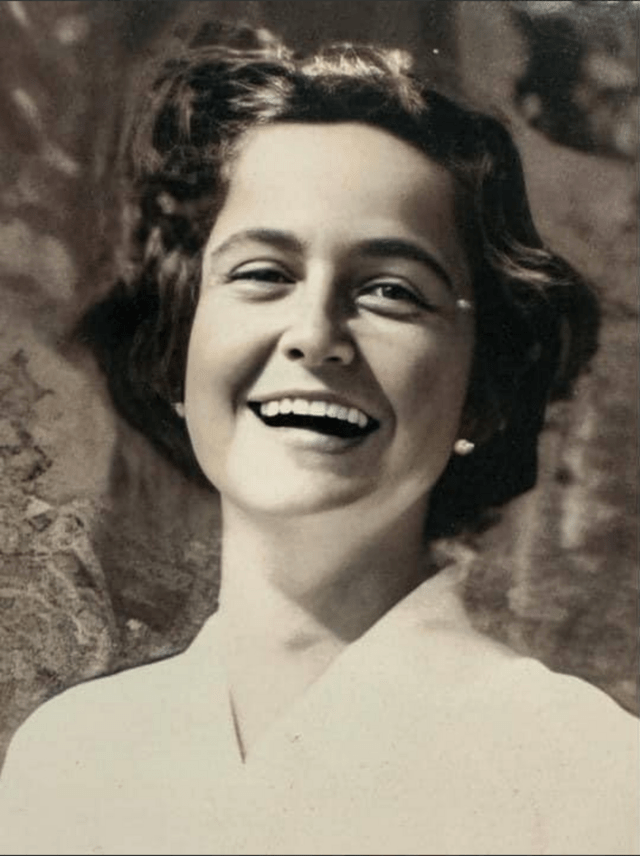
Tuloy Foundation’s founder, Father Marciano “Rocky” Evangelista celebrated the mass and delivered a very touching eulogy. He recounted how Mrs. Zobel became a beloved patron who really had a special connection with children from the foundation, greeting them with a warm embrace every time they’d meet. He told a story about the time she invited all the kids to go swimming, not in some resort, as Father Rocky initially thought, but in her own house in Forbes.
The most emotional part of his eulogy was when everyone stood up to congratulate Doña Bea, as Father Rocky requested, which was accompanied by the thunderous applause that reverberated in the church where Doña Bea had her last public audience. And that’s when I really felt the loss.
Showing up at my graduation
Though she’s led an extraordinary life among the high and mighty as the matriarch of one of the richest families in the country, Doña Bea’s indomitable spirit and low-key gestures are what I remember and treasure the most. Like the time she attended the awarding ceremony before our high school graduation at the University of the Philippines Integrated School. My invitation was a matter of courtesy to a woman who financed my high school to college education, which I expected her to politely decline given her busy schedule.

But there she was, proud to be by my side as I received the Leadership Award. I also graduated in the top 5 of my batch, which of course delighted Doña Bea all the more because she valued discipline, as I would later find out.
During my senior year in high school, Doña Bea asked me to tutor her daughters, Bea Jr. and Patsy, who needed to take the prerequisite college entrance tests before applying for admission to schools in the US. One time, Doña Bea found me sitting in their living room, with Bea Jr. nowhere in sight. Bea Jr. was stuck in traffic and was late for our tutorial. Even then, her mother reprimanded her and told her that it was rude to keep people waiting.
Her bond with my Lola Cristeta
To be honest, I was both shocked and at the same time empowered by Doña Bea’s gesture, because my link to the Ayala family was through my grandmother, Lola Cristeta Fleras, who was the entire Ayala clan’s stay-in costurera for decades. Through Lola Cristeta, I learned about the kindness of her employers who asked her to sew not just the usual curtains and cushion covers but also clothes for the women of the Ayala clan as well as their children. According to my grandmother, Don Jaime Zobel de Ayala was just seven years old when she started working for the family. But it was with Don Jaime’s young bride that Lola Cristeta developed a special bond, seeing how Doña Bea treated her staff with the same respect accorded to people in her social circles.
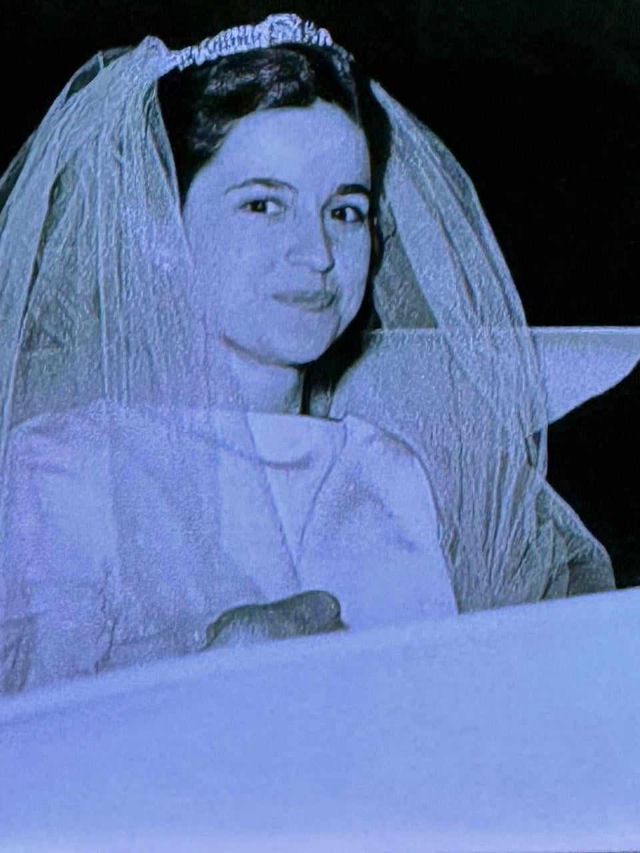
After her retirement, my grandmother continued to visit Doña Bea, with me as her constant companion in her later years. By the time I met Doña Bea, which was sometime in the early 70s, I already had a deep sense of our country’s social ills, which was how it was basically during the Martial Law years. During my college days, when I was a student activist, I would spend afternoons with her telling stories of what was not being reported by the controlled media.
Even then, it was already very clear to me that this privileged woman (who came from humble beginnings as the daughter of a civil servant in Spain, she likes to point out) didn’t live in a bubble. She was woke to the realities outside of the walls of her home and showed deep compassion for the marginalized. What I didn't realize was that she had a feisty side.
Protecting ballots in 1986
During the 1986 national elections I accompanied her to various electoral precincts as a Namfrel volunteer. In one precinct, a bunch of goons descended to grab the ballot boxes. To everyone’s surprise, Doña Bea protected the ballots using herself as a shield. She bravely stood her ground despite being shoved by obviously hired goons. Luckily, the teachers and other volunteers came in to help.
Her humanity made a lasting impact, and was also part of the reason I worked with various NGOs later on. I remember her desperate rally to save a dying AIDS-afflicted woman’s premature baby. In defiance of the doctor’s grim prognosis, Doña Bea made frantic calls to find an incubator for the baby who ultimately passed away. But she told us that despite the overwhelming odds, we shouldn’t lose hope, and that we must do something to give people in need a fair chance in life. That incident, apart from her herculean efforts to establish the AIDS Hospice Center at Ospital ng Maynila, revealed how deeply committed she was to her role as a board member of Reachout AIDS Foundation which I organized in the 1990s.
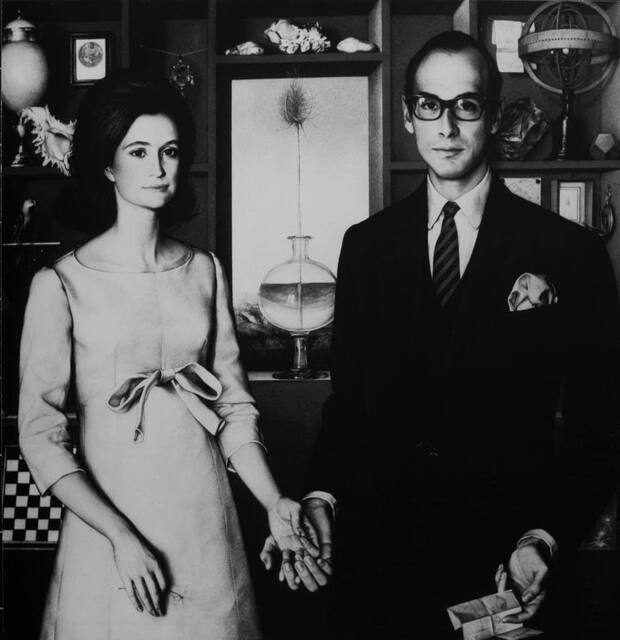
Despite her aversion to publicity, her involvement with various charities is widely known. But few are aware of her innovative approach. Once she took me to her carpentry workshop in Pasay City where the products from that workshop were sold in a store she opened in Greenbelt 1 and Ali Mall. It was a way to provide livelihood to so many people and at the same time, generate funding for her numerous endeavors.
Most would imagine Doña Bea getting funds from a wellspring, being the wife of one of the country’s richest. But she told me that she also worked on a budget, and she had to find the means to support her humanitarian projects.
She liked to say that you don’t necessarily need to be rich to be able to help, as she demonstrated so many times in her long, fruitful life. Even the humblest deed can uplift lives or bring changes for the better. Likewise, she also appreciated the simplest gestures, like the flowers that I gave her on her birthdays. Though she would rather that I didn’t spend. During one symposium on family planning that we just happened to attend together, she told people that she was proud of what I had become. And that she appreciated that I kept in touch and remembered her.
Doña Bea was a true inspiration and a moral compass who played a major part in shaping my character. Now I head a food bank called Rise Against Hunger Philippines which is able to help over a million people every year. I am sure her legacy lives on in the hearts of those she touched, as it does in mine.
As told to Devi de Veyra