

Meet the New Generation Aquino Keeping the EDSA Memory Alive
He spearheaded the upgrade of the Aquino Center and Museum in Tarlac.
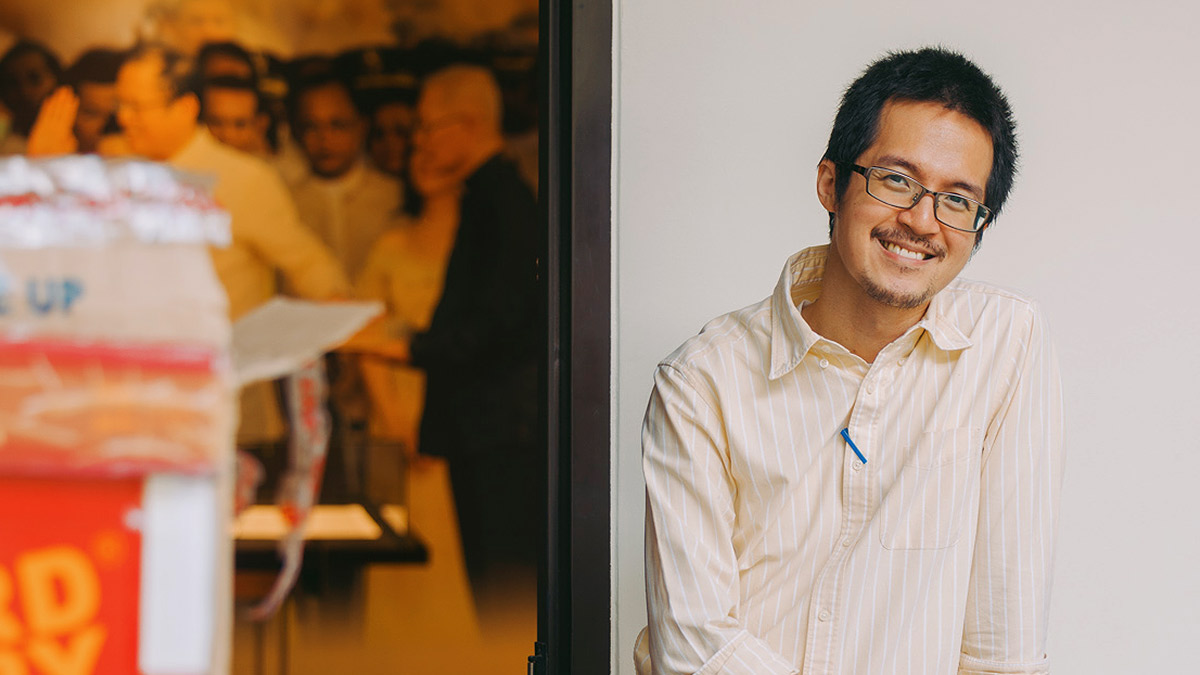
(SPOT.ph) Francis “Kiko” Aquino Dee was only in the second grade when a classmate called him on the house telephone asking if it was true that his grandfather was really the man on the five hundred peso bill. It was a simple question, but one that would stick with him for the rest of his life. It was the moment he realized his middle name wasn’t just his own.
"People start looking at you, but never with malice. It was just this awareness that I represented something,” Kiko tells SPOT.ph. “People would ask me, ‘Close ba kayo sa grandparents mo?’ The honest answer was I didn’t feel super close to them. I would reply, ‘Bakit, kayo ba close sa grandparents mo?’”
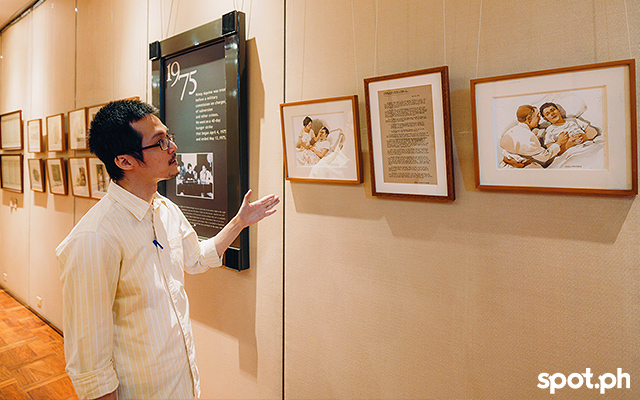
Even at a young age, his thinly veiled sarcasm was his way of pushing back against the discomfort of being placed under a microscope. For Kiko, his grandparents—Benigno "Ninoy" Aquino II and Corazon "Cory" Aquino—even his uncle Benigno "Noynoy" Aquino III, were more than just icons of democracy. They were family, but they also seemed, in many ways, untouchable.
"Lolo and Lola were these really grand people." He admits to feeling more connected to Lola Cory, who helped raise him, and Tito Noy, who he says shaped his political opinions. His Lolo Ninoy? "I have all the respect in the world for everything that he did, but he just seemed so distant. In putting this museum together, I feel like I understand him better now."
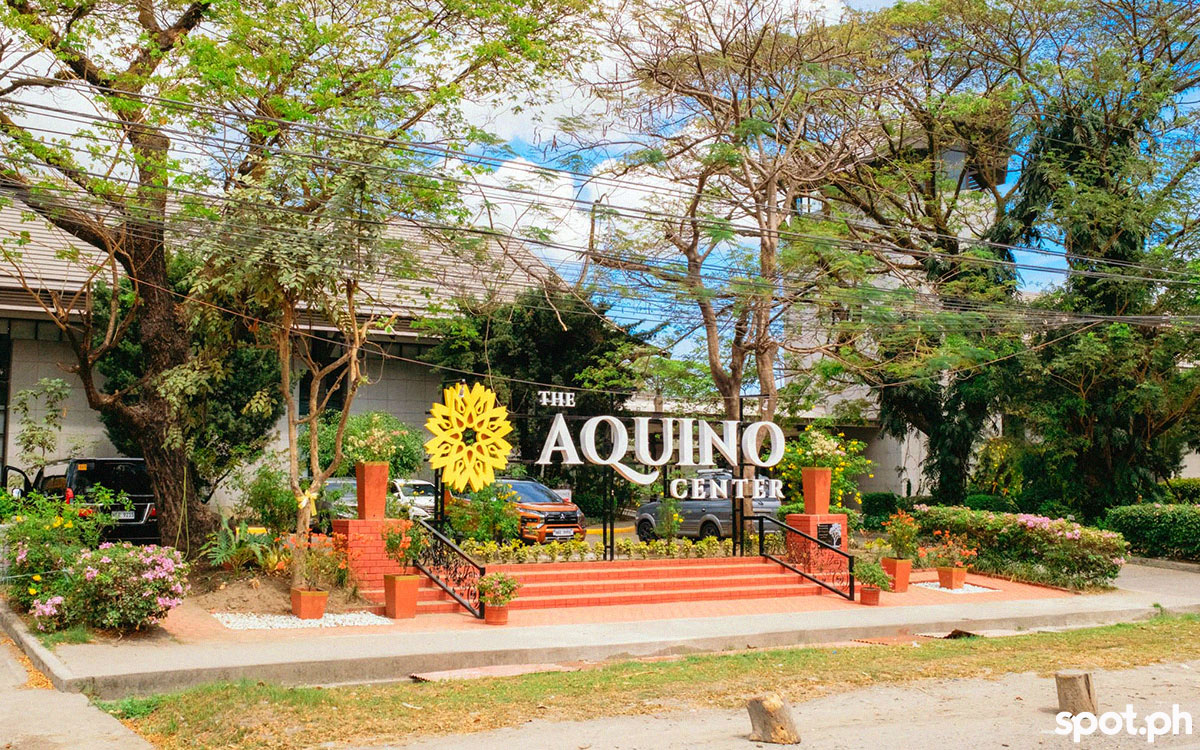
"This museum" is the Aquino Center in Tarlac. It was built to preserve history, but outside its walls, people's remembrances are shifting. On Tuesday, February 25, 2025, the nation commemorated the EDSA People Power Revolution but not as a non-working holiday.
Kiko Aquino Dee on preserving the past for the future
Kiko had always lived with the politics of his name, but for the longest time, it felt more like a story he was told than one he was part of.
He never actually met his grandfather Ninoy, the larger-than-life senator whose assassination helped ignite the 1986 EDSA revolution. He was only a year old when Cory stepped down from the presidency. His identity as an Aquino was something he had to construct piece by piece—through family anecdotes, history books, and, eventually, his own research.
With his light, friendly aura, Kiko has the air of someone who prefers to keep things simple—self-assured but not self-important, confidently articulate but approachable. Although he looks younger than his 33 years, there’s a quiet maturity about him, the kind one sees in people who know what they stand for. Kiko wasn’t always so sure of himself, though. It took a lot of personal reckoning to get to where he is today. “At some point, I wanted to understand for myself what was going on with the family,” Kiko says.
Even as he was going through this process, he was mindful to keep his middle name at arm’s length. Being an Aquino meant people would always have opinions about him—whether he was speaking up or staying silent. That is why his Lola Cory wasn’t exactly thrilled when Kiko told her he was taking up political science in college.
“I feel like I could’ve given any other answer and she would have been happier,” he says with a laugh. But he stuck with his decision.
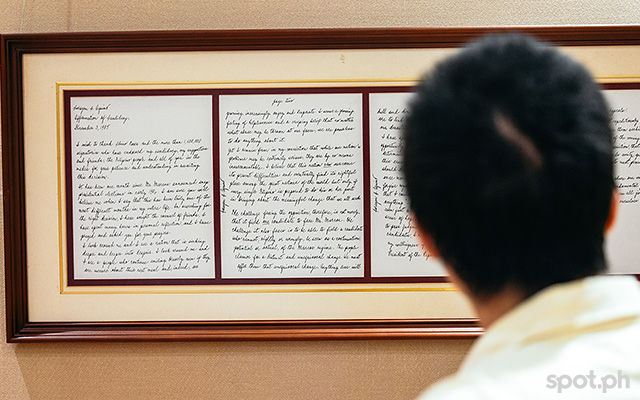
He loved politics so much he ended up teaching political science with a specialization in elections at the University of the Philippines-Diliman. At first, he tried to separate his personal life from his professional life, but over time it dawned on him that wasn’t possible—not in a state-funded institution with Aquino in his name. During election season, news outlets often sought him out as a “public intellectual” to make sense of poll results—only to pass him over for possible bias on his end.
It wasn’t until the few months leading up to the 2022 presidential elections that Kiko started participating more actively at the Ninoy and Cory Aquino Foundation (NCAF). During this time, he followed the mock polls closely, watching the numbers shift, the lead widen, the inevitability settle in.
Also read: La Salle, UST + Other Top Schools to Celebrate EDSA People Power as a Holiday
The weight of choice
For 21 years, the Aquino Center and Museum in Tarlac stood as a quiet repository of history—a place where visitors could glimpse the lives of Ninoy and Cory through a modest collection of artifacts. It was put together by the NCAF following Ninoy’s passing in 1983 with the intent of preserving his legacy.
The NCAF operated on a simple principle: do good work and people will remember. At least that's what Cory believed in and pushed for. As time passed, however, it became clear to Kiko this wasn't enough. A change in approach was overdue, starting with a renovation of the Aquino Center and Museum.
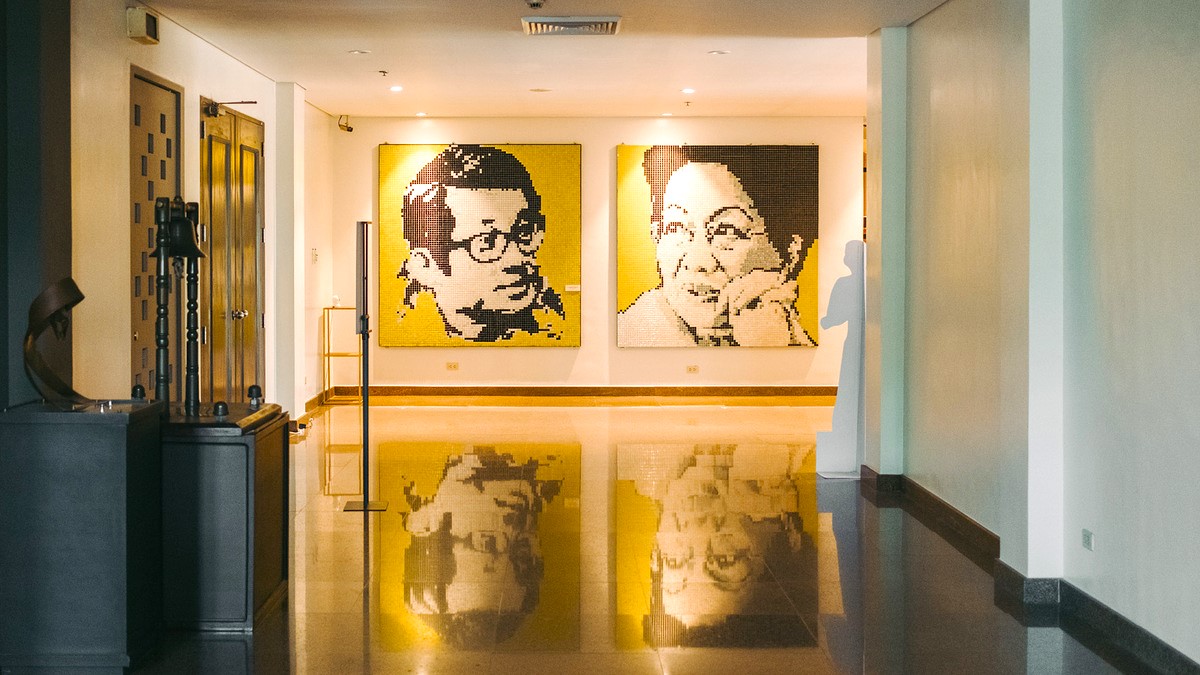
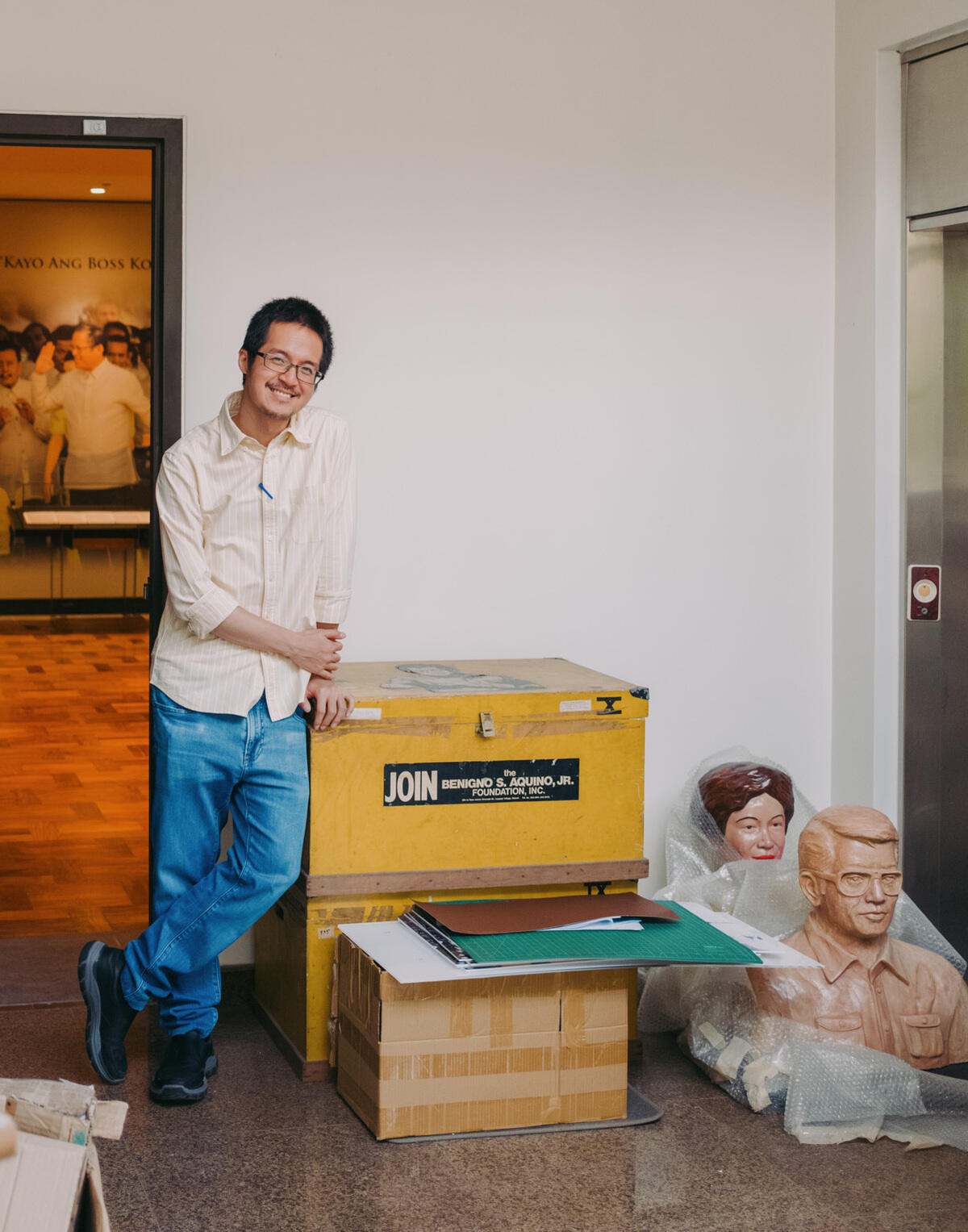
“The thing I want to emphasize moving forward is we need to be deliberate about telling our stories,” Kiko says. He took it upon himself to do just that, stepping in as the executive director of NCAF in 2024. For his kuya Jiggy-Aquino Cruz, no one else in the family was more qualified to take on the task: “Among my cousins, Kiko is the most intellectual. Hardworking, passionate, and a stickler for the rules... I’m certain that Lola, Lolo, and Tito Noy are proud of him.”
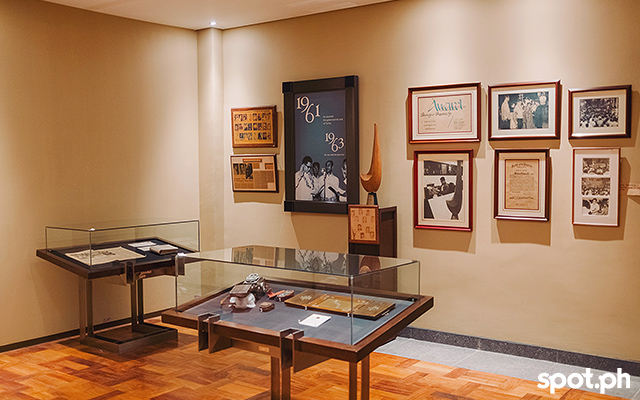
Work on the museum began in late 2022. Where it once focused primarily on Ninoy's death and Cory’s presidency, the new and improved version expands to include Noynoy’s years in office. There are no flashy digital screens or interactive touch panels here. Instead, the museum asks visitors to step into history and confront the choices that shaped the country.
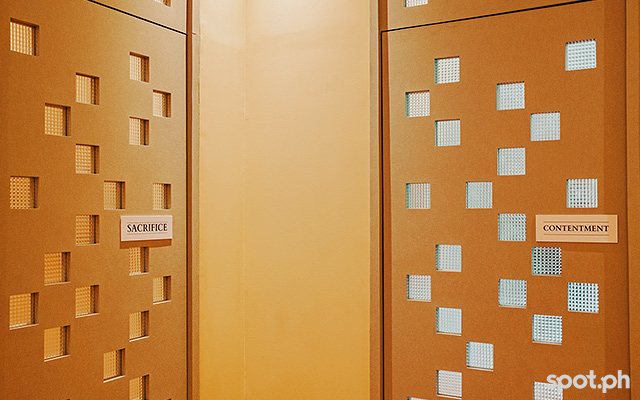
“Preceding each museum section, our architect wanted to structure the exhibit around choice. There’s a choice between two doors where people are confronted with a choice that Ninoy, Cory, and Noynoy faced,” Kiko says. Each hall begins with a question. For Ninoy, it’s whether to collaborate with or resist the regime. For Cory, it’s whether to keep a private life or run for president. For Noynoy, it’s whether to step forward in the election or walk away from politics.
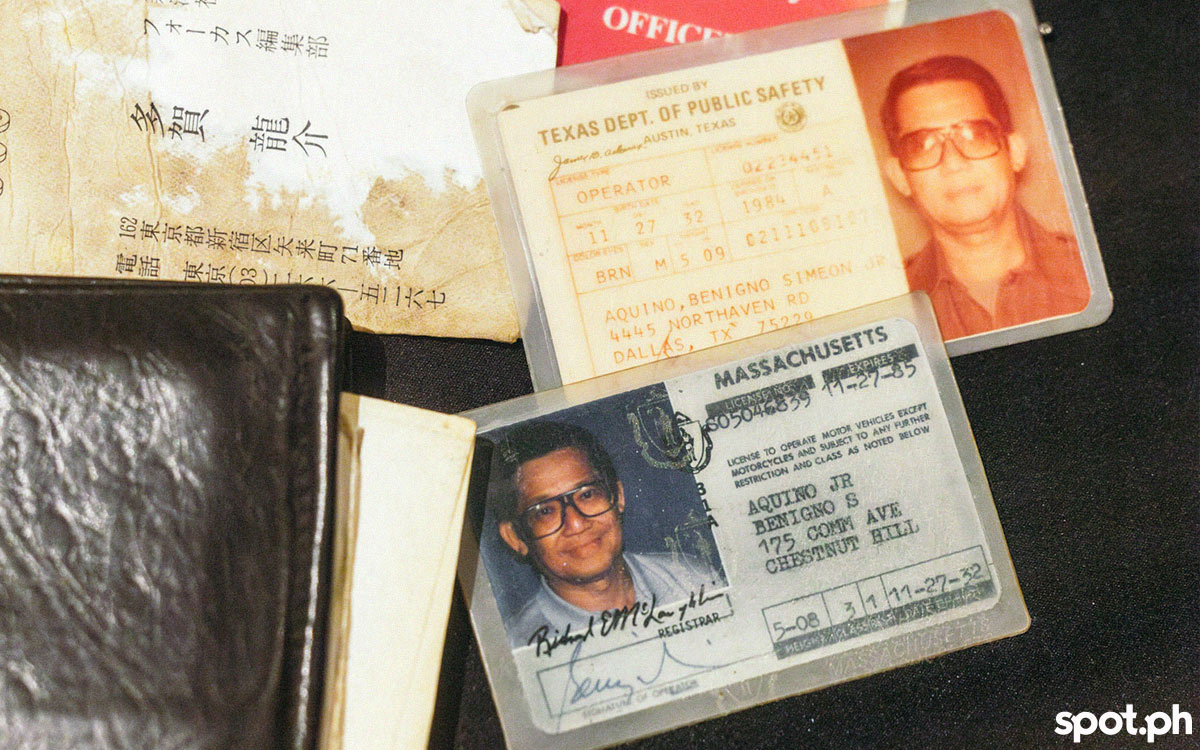
Kiko tells us a guided tour of the entire museum would take around two hours to finish. Other notable artifacts include a replica of Cory's speech before the U.S. Congress, proof that “we made it to the center stage of the world." And then there's a replica of Noynoy’s presidential desk, where visitors can sit and reflect on the responsibilities of leadership.
As much as the museum is a shrine to the past, it is also a call to action for the present. Near the exit, a display features three faceless mannequins, each dressed in Ninoy’s, Cory’s, and Noynoy’s inaugural outfits. Next to them, visitors hear stories from modern advocates and volunteers speaking about how their own work has been inspired by the Aquinos.
“You don’t see the faces of Ninoy, Cory, and PNoy anymore [here]. It’s just people talking,” Kiko explains. “’Yung kwento nila tapos na, nasa sa’tin na siya kung paano itutuloy.”
Lighting the candle
However optimistic this Aquino is, the truth of the matter is that the celebration of EDSA People Power Revolution seems to grow quieter every February.
When Kiko organized an EDSA commemoration event in 2024, he had hoped for a strong turnout. Instead, the crowd was smaller than expected. “Not as many people showed up as I would have liked. Maybe out of ignorance, I was more ambitious than I should’ve been.” Yet in that small crowd was someone who came up to him, a woman with tears in her eyes, thanking him for the event. It was a quiet but powerful reminder why he continues to fight for this story, even when it feels like fewer people are listening.
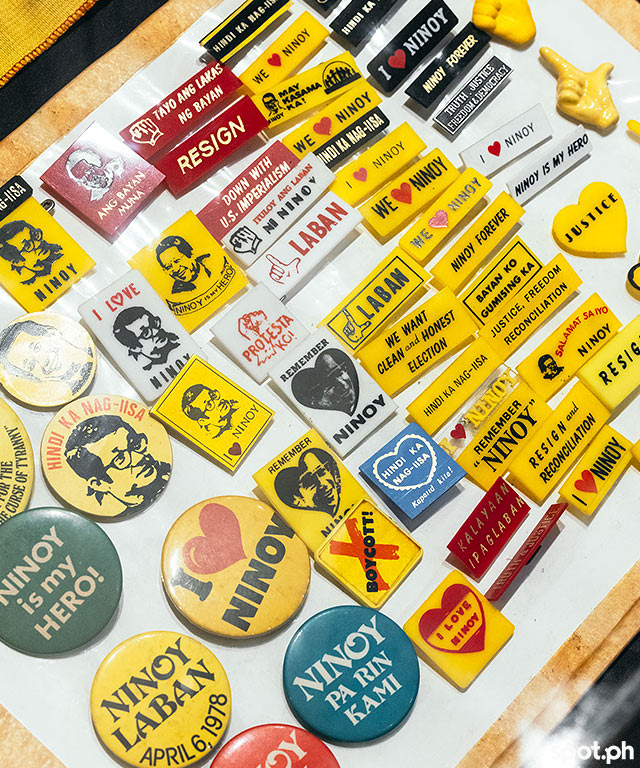
And because the surprises keep coming. This year, Kiko had only planned to encourage Filipinos to take 20 minutes of their personal time to reflect on the EDSA People Power movement. Instead, several schools took it further by declaring February 25, 2025 a special non-working holiday within their institutions.
“The schools are more radical than we are,” Kiko says with a laugh. “It’s still a challenge figuring out how to position this narrative in this particular environment, but we’re still trying.”
Kiko recalls another moment when he and a small group of volunteers tried to light over 200 candles—each one representing a name, a life lost during martial law—when it started to drizzle. They had to relight the candles two, three more times before the flames held steady. What were they doing there, trying to start a fire in the rain?
The symbolism wasn’t lost on him.
“In a way, fighting for democracy has that absurd, ridiculous feeling sometimes,” Kiko explains. “It’s very possible that democracy just doesn’t work, and yet, it’s something we believe in. It’s something we want to fight for. The dedication to democracy is a lot like lighting those candles. There are setbacks and you light it back up again. What’s important is that there’s still someone trying to light the candle, no matter how hard it is, even if you don’t know if the stick light will work. Democracy dies when nobody tries to light the candle anymore.”
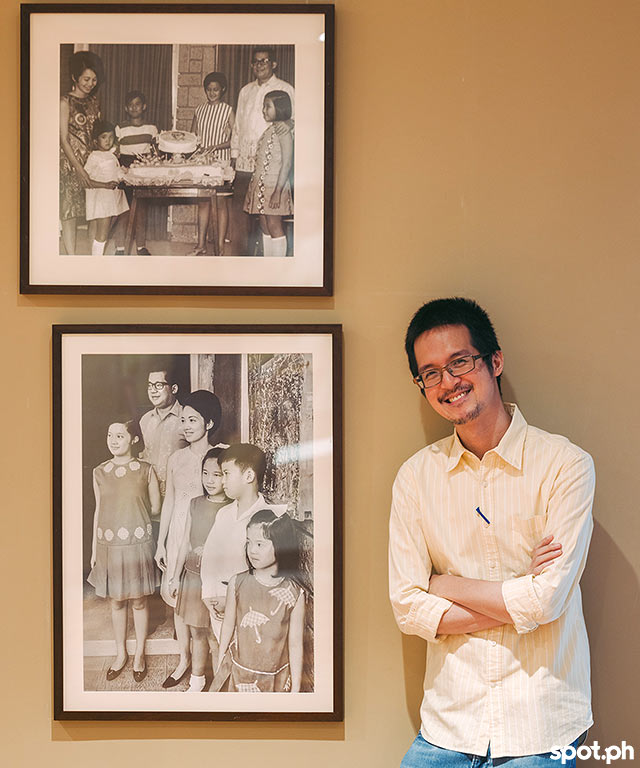
If Kiko had his own set of doors in the museum, it might have been a choice between staying in the background or stepping into the fight. Like a true Aquino, he chose the harder path—not because it's expected of him but because he believes it's necessary.
The Aquino Center and Museum reopened to the public on February 24, 2025—just in time for the 39th Anniversary of the EDSA People Power Revolution. It is open from 8:00 a.m. to 5:30 p.m. For more information, visit the official website.
Also read: How Can EDSA People Power Turn Into a Philippine Holiday Again?