

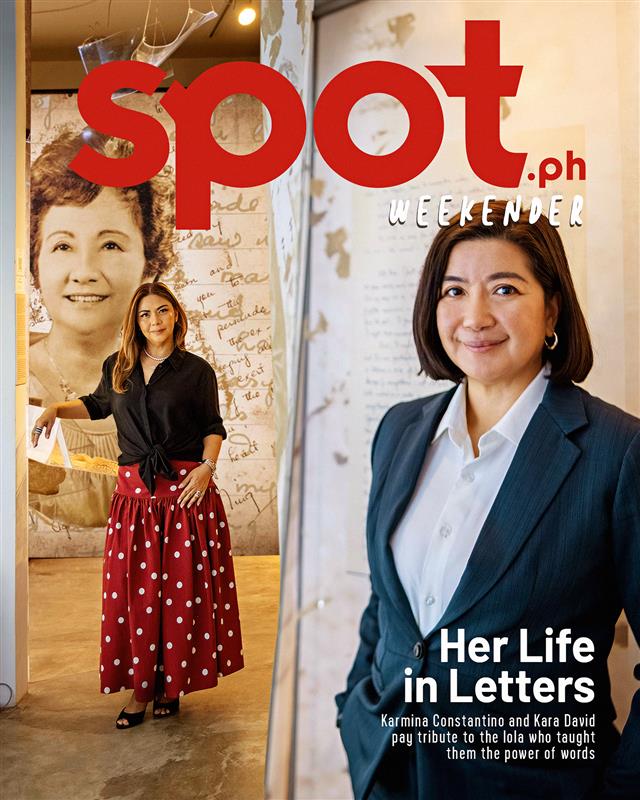
(SPOT.ph) Before they were household names, they were simply Hochi and Minh—cousins who spent a lot of time together, little children running around during Sunday brunches at their grandparents' home. What may have seemed ordinary occasions back then would, in fact, serve as foundation for the two girls who would become two of the country's most admired journalists.
Long before they stood in front of cameras and reported on the day's events, Kara David and Karmina Constantino were learning the art of storytelling, the power of perspective, and the quiet strength of public service from their grandmother, Letizia Roxas Constantino—writer, editor, and constant collaborator of noted historian Renato Constantino, her husband, with whom Letizia produced The Philippines: A Past Revisited, and The Philippines: A Continuing Past, among other titles.
Who is Letizia Constantino?
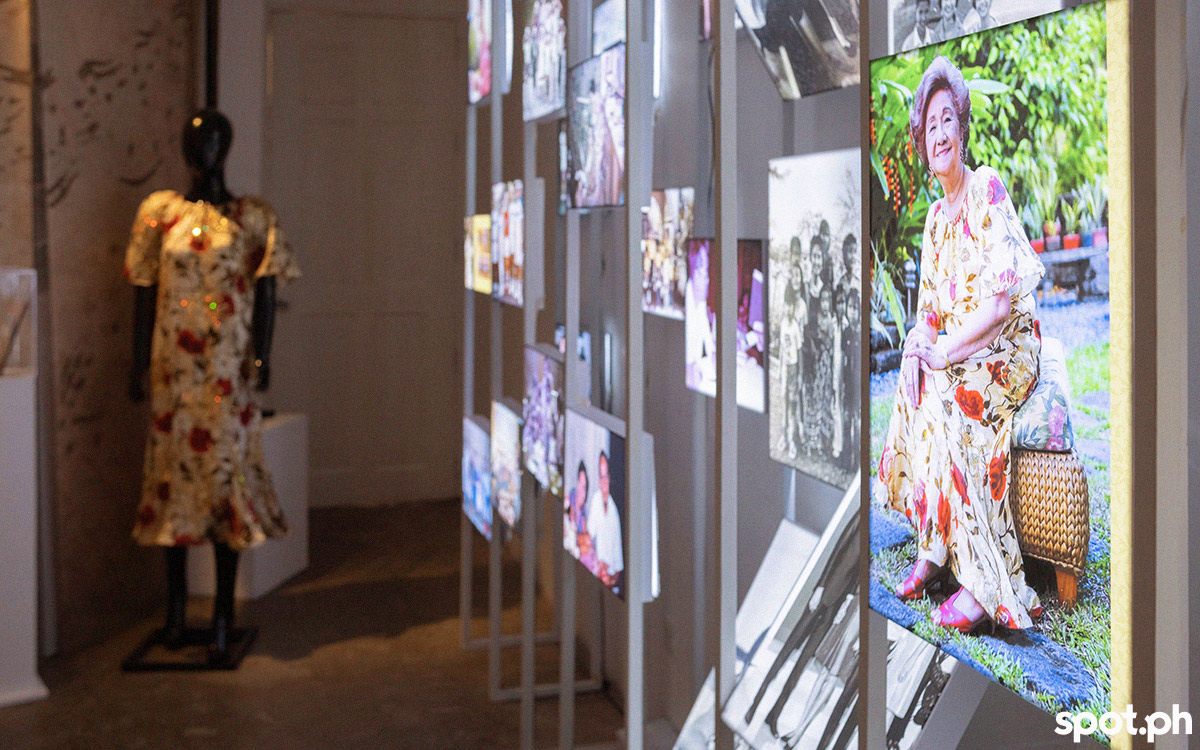
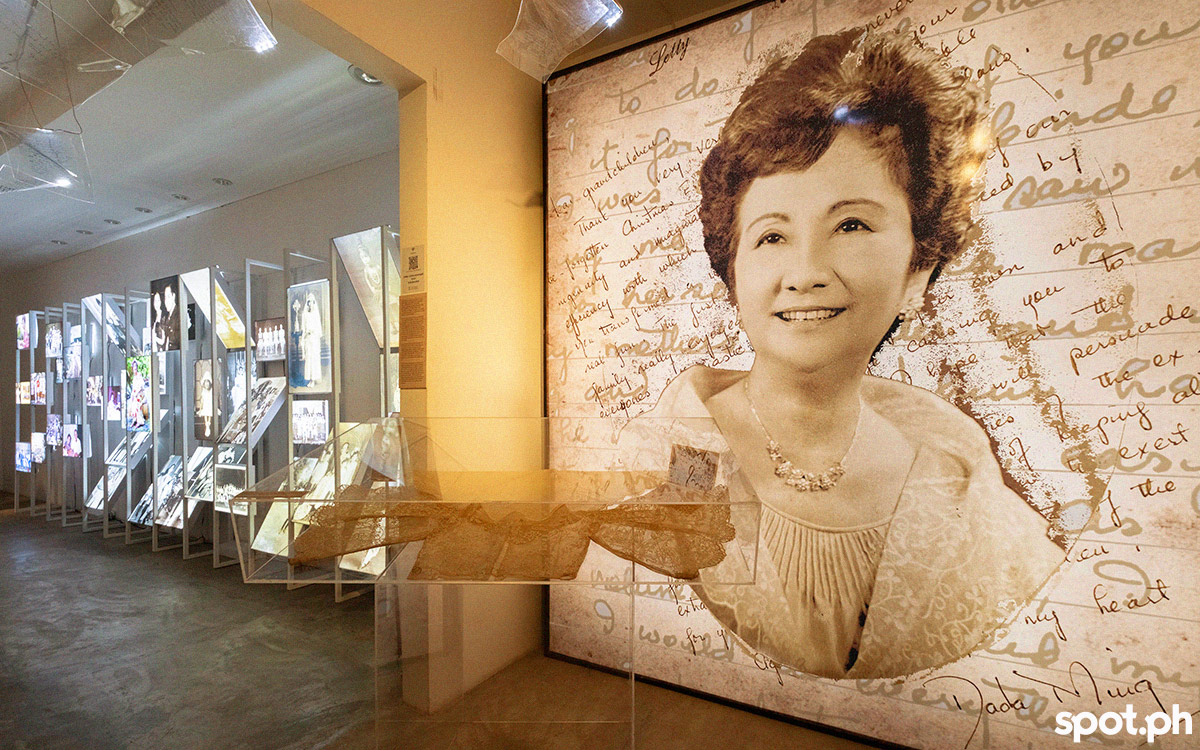
Renato Constantino, nationalist, political analyst, and historian, may have been the more famous of the husband-and-wife team. But to relegate Letizia to a supporting role, the proverbial wind beneath a titan's wings, is a disservice to the life she led—as can be gleaned from Letizia: A Life In Letters, the family's tribute to the late matriarch for her 105th birth anniversary. Put together by Kara and Karmina together with their siblings, the immersive exhibition at the Linangan Gallery in Panay Avenue, Quezon City is a lovingly curated journey into the life of the writer and editor, wife and mother, activist and nationalist, told through the mementos she kept all her life: handwritten notes, daily schedules, letters to her grandkids, family recipes, and journal entries.
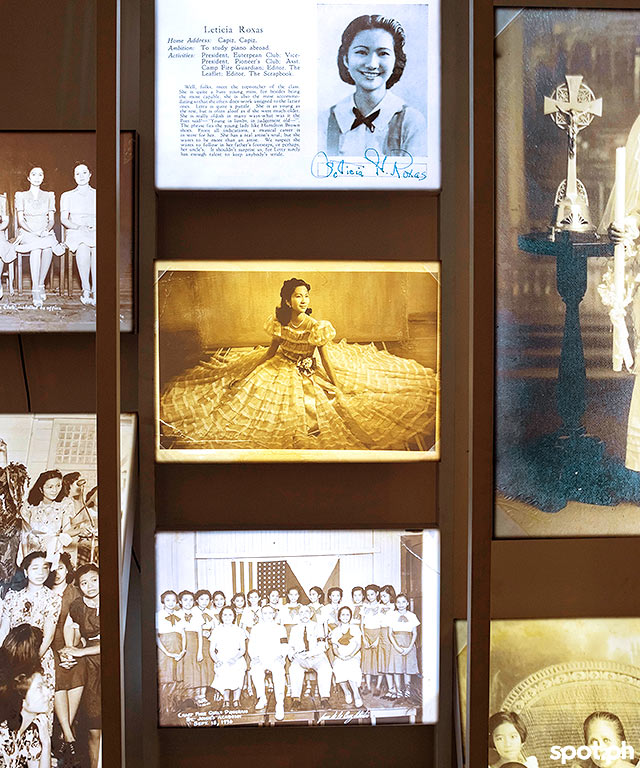
Before she became a woman who wore many hats—foremost among which was as collaborator of her husband Renato—Letizia wanted to be one thing: a concert pianist. Born in Manila in the 1920s, she dreamed of performing in front of a large audience. She practiced incessantly, perfecting pieces by some of the world's greatest. She held on to this dream even as she entered the University of the Philippines where she would meet her future husband, whom she referred to in her diaries as "a handsome, upright man of such high integrity."
She was smitten not just by Renato's looks but by his intellect. From being schoolmates, they became life partners, their encounters in UP blossoming into a full-blown love story, and their intellectual collaborations resulting into the penning of important books on Philippine history, the most popular of which is The Philippines: A Past Revisited.
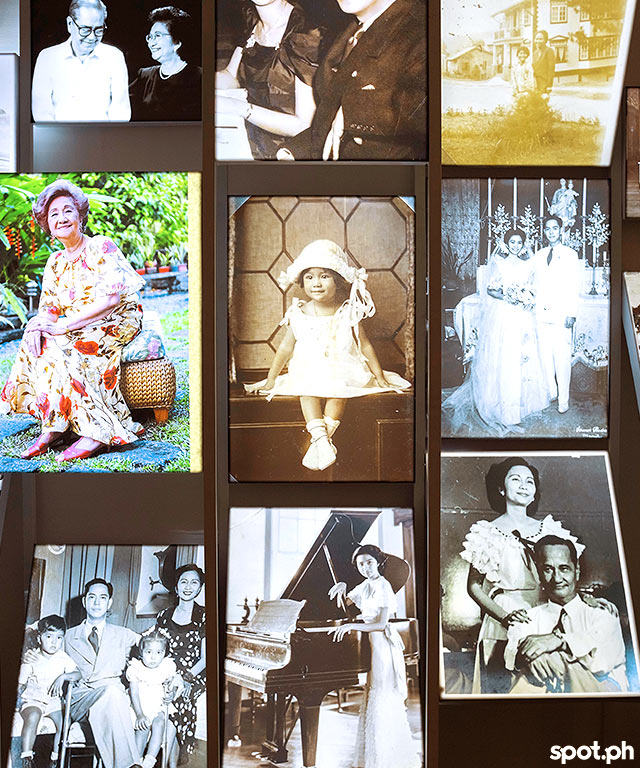
While Letizia would have made a great pianist, the general public never got the chance to listen to her play. Her musician dreams were derailed by World War II and the tumultuous political eras that followed. Together with her husband, Letizia weathered the challenges of the anti-communist witch hunts of the 1950s just as they did the political upheavals of the 1960s, the dark years under the Marcos dictatorship, and the return of the capitalist elite after EDSA.
Throughout the changing times, Letizia was never just a meek housewife. Alongside her husband, she used the power of the written word to bring about change and inspire. History books often credit Renato Constantino as a champion of nationalist thought because of his writings, but what is often overlooked is the profound influence his wife had in shaping that reputation. In her diary entries, Letizia sheds light on what that collaboration with her husband was like: "R has the gift of cutting through a forest of details to get at the core. Alas, I find too many of the trees too beguiling not to include. Another thing I liked to say about our collaboration: Without me, his book would be less good; without him, I would not produce anything."
In another diary entry, as they worked on their second book, The Continuing Past, Letizia writes, "You may be reading my words, but you are receiving his thoughts."




Comments