

What You Need to Know About COVID-19 Bivalent Vaccines
Here's why it's important.
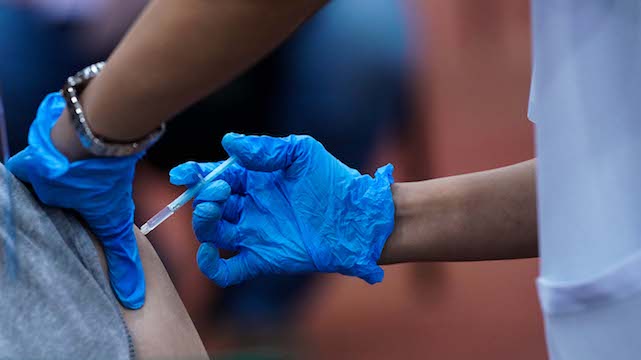
(SPOT.ph) Eligible Filipinos can get the COVID-19 bivalent vaccine starting today, June 21 as national government launches the distribution of donated vaccines seen to further protect the vulnerable population against the coronavirus.
The Pfizer bivalent vaccines, which gives protection against two coronavirus strains instead of one, were launched at the Philippine Heart Center in Quezon City this Wednesday, with President Ferdinand “Bongbong” Marcos Jr. in attendance.
The country received the bivalent vaccines from the Lithuanian government, which donated more than 390,000 doses. It arrived in the Philippines on June 3 and will expire on November 23, said Health Secretary Teodoro Herbosa.
Also read: Bye, Vaccine Cards, Face Masks + Other Dropped Requirements at Tourism Spots
What's a COVID-19 bivalent vaccine?
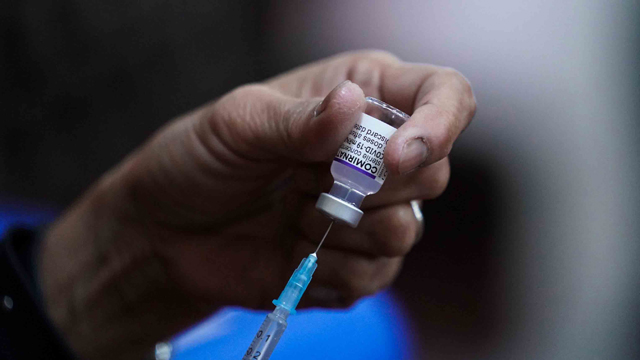
Bivalent jabs are updated versions of the COVID-19 vaccines seen to protect against two virus strains: the original strain that the monovalent shots targeted, and the fast-spreading BA.4/BA.5 Omicron subvariants which drove a spike in cases in the Philippines in 2022.
The Pfizer vaccine uses Messenger RNA (mRNA) technology, meaning it contains copies of the spike protein found in the coronavirus. (No, you will not get COVID from getting this vaccine.)
So how does this work? Our bodies can detect a protein that does not belong, so when it identifies the protein from the vaccine, it will activate immune cells and produce antibodies. That's why those who get the jab may feel feverish or get flu-like symptoms—it's a sign that it's working.
If a body injected with an mRNA vaccine gets the real virus, it can detect the virus and already knows how to fight it off.
Also read: GUIDE: Isolation and Quarantine Rules for COVID Exposure, Positive Cases
Who are eligible for it?
The vaccine is being released in phases. Under Phase 1, individuals aged 18 and above who are either healthcare workers or senior citizens can get the bivalent vaccine at least four to six months after they received their second booster vaccination.
Other population groups may receive the bivalent vaccines in other succeeding phases, depending on its availability, the DOH said.
The vaccines, which will expire in November this year, should be inoculated immediately to avoid wastage, said Herbosa.
"People should not be complacent, especially the senior citizens who are high-risk individuals and persons taking care of those with COVID-19. Vaccines are proven to be safe, effective and free. I am encouraging all eligible to get boosted in the vaccination sites nearest to you."