
What Should You Do If You Get Hit While on the Pedestrian Lane?
Know your rights as a pedestrian.
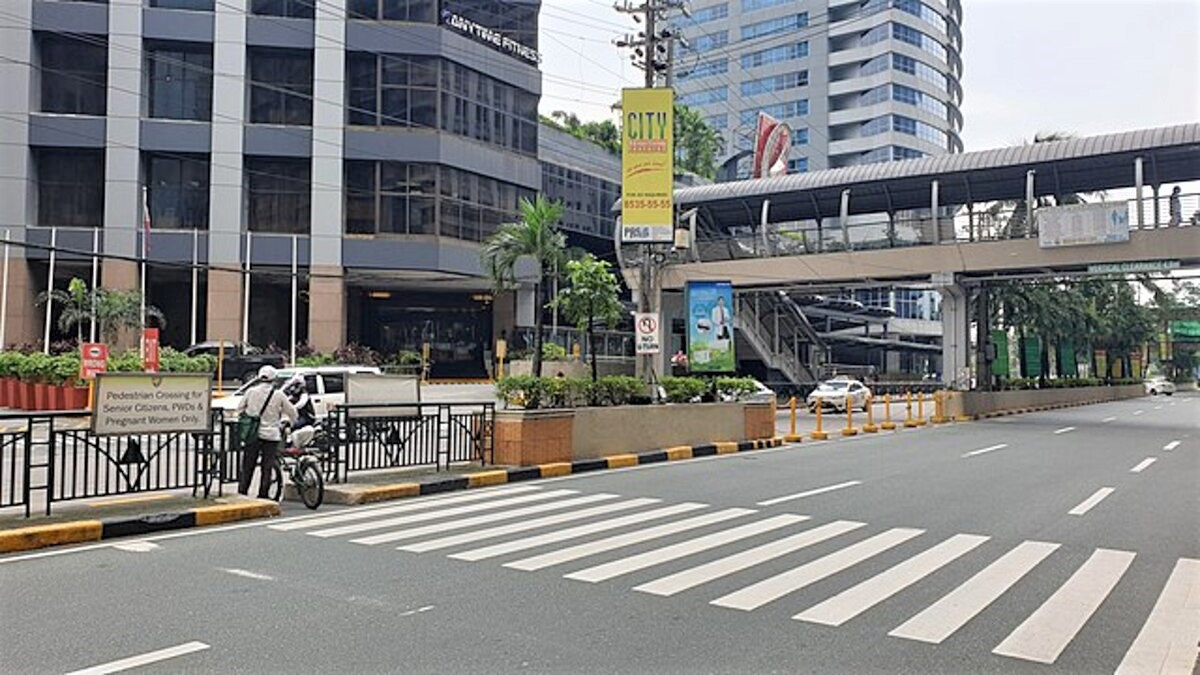
(SPOT.ph) Let's face it: being a pedestrian in the Philippines sucks. If we’re not traversing overpasses and underpasses just to cross a street, we have to deal with unruly drivers who beat the red light or have no regard for pedestrian safety. So what do we do if the unthinkable happens and we're hit?
We turn to the Republic Act No. 4136 or the Land Transportation and Traffic Code for some guidance. This law dictates that drivers must yield to pedestrians on designated crosswalks. Failure to follow this rule constitutes a violation, which could make drivers liable in the event of an accident.
“The driver of any vehicle upon a highway within a business or residential district shall yield the right of way to a pedestrian crossing such highway within a crosswalk, except at intersections where the movement of traffic is being regulated by a peace officer or by traffic signal,” it says in Article III, Section 42(c) of Republic Act No. 4136.
So if you’re on a pedestrian lane and get hit, the driver’s legal duty to yield should work in your favor when determining responsibility. This is only the starting point though—the context of the accident will also influence liability.
Also read: 10 Spots in Metro Manila That Are Actually Pedestrian-Friendly
Who is at fault?
You might be familiar with the saying that the driver is always at fault whenever a pedestrian-vehicle collision happens. The truth of the matter is the fault isn’t always clear-cut. To determine who is responsible, authorities look at several factors:
If the driver was speeding, driving under the influence, or breaking traffic laws, they will likely be found at fault. We also have to consider external factors such as poor visibility, weather conditions, or unclear road markings, which can complicate the fault assessment.
The only time a driver would be presumed negligent is when they have exhibited similar behavior in the past two months until the time of the accident.
“It is disputably presumed that a driver was negligent, if he had been found guilty of reckless driving or violating traffic regulations at least twice within the next preceding two months,” it says in Article 2184 of the New Civil Code.
However, if the pedestrian was jaywalking, ignoring traffic signals, or using a phone while crossing, they might share responsibility. Jaywalking is illegal under MMDA Regulation No. 12-001, Series of 2012, with a penalty of P200 and a Pedestrian Violation Receipt (PVR).
What are the consequences?
Depending on the severity of the injuries caused, the driver could face anything from a traffic violation to more serious charges such as reckless imprudence resulting in homicide if a fatality occurs. Even if the driver is not criminally charged, he or she could still end up covering your medical bills, lost income, and other costs in a civil case.
If the person behind the wheel’s negligence or fault leads to serious physical injuries or death, Section 4 of Republic Act 10930, his or her driver’s license will be revoked for four years.
"In case of death or physical injuries resulting in the loss of any part of the victim's body or the use thereof, insanity, imbecility, impotence or blindness, or incapacity to work for more than ninety (90) days, the license of the offending driver shall be revoked for a period of four (4) years, after a finding by the court that such driver was negligent or at fault.”
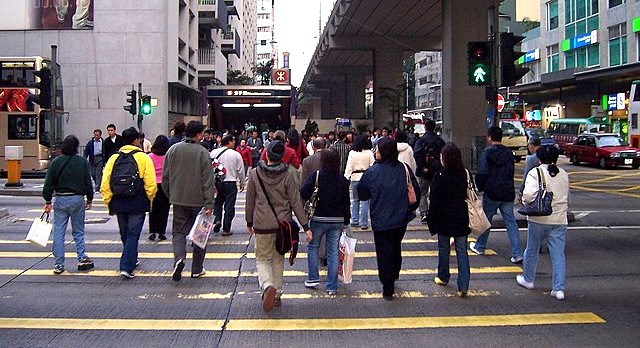
Drivers who also flee the scene of the accident can be charged with hit and run. Under Article 275 of the Revised Penal Code, “anyone who shall fail to help or render assistance to another whom he has accidentally wounded or injured” will face more severe penalties and even imprisonment from one month to six months.
According to Section 55 of RA 4136, the only time the driver is allowed to leave the scene is if 1) they are in imminent danger of being seriously harmed by any person by reason of the accident, 2) they report the accident to the nearest officer of the law, or 3) they have to summon a physician to aid the victim. Otherwise, they have to stay with you until the situation is sorted out.
Also read: 10 Places on EDSA That Need "Build, Build, Build" for Pedestrians
What should I do right after the accident?
No one expects an accident, but knowing what to do can help you protect yourself if it does happen. Being well-informed on the processes involved can make a big difference, especially when dealing with insurance companies, police investigations, or potential lawsuits.
The most important thing to note is that evidence is king. Gather as much evidence as you can right away—you never know what could help your case.
Seek medical help
Even if you think you’re okay, get checked out. Some injuries, like internal bleeding or concussions, might not show symptoms immediately. Be sure to keep all medical records afterward.
Call the authorities
A police report is crucial for insurance claims and possible legal action. The emergency response numbers for the Metro Manila Development Authority (MMDA) and the Philippine National Police (PNP) are 117 and 136, respectively.
Document everything
Pictures, videos, witness accounts—anything that shows what happened and who was involved. Try to capture the exact surroundings as road signage or road condition can also impact the investigation. Every detail counts in situations like these.
Exchange information
Get the driver’s contact, insurance, and license plate number. If possible, take pictures of these to avoid issues with illegible handwriting or missing information. Again, you’ll need these for claims or court.
Talk to a lawyer
Even if you’re not sure about pressing charges, consulting a lawyer specializing in traffic accidents or personal injury can help you understand your rights, assess your case, and guide you through the process.